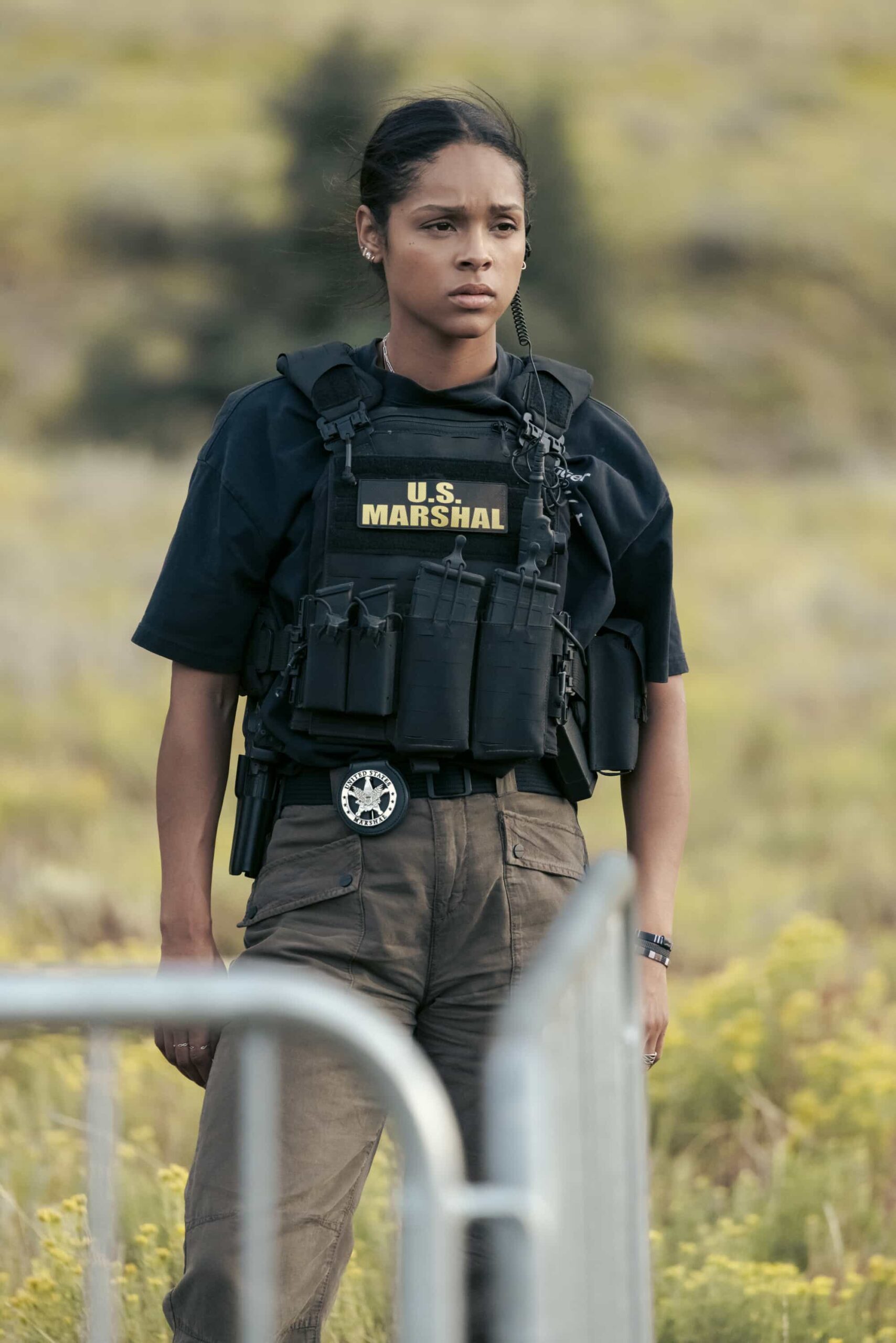
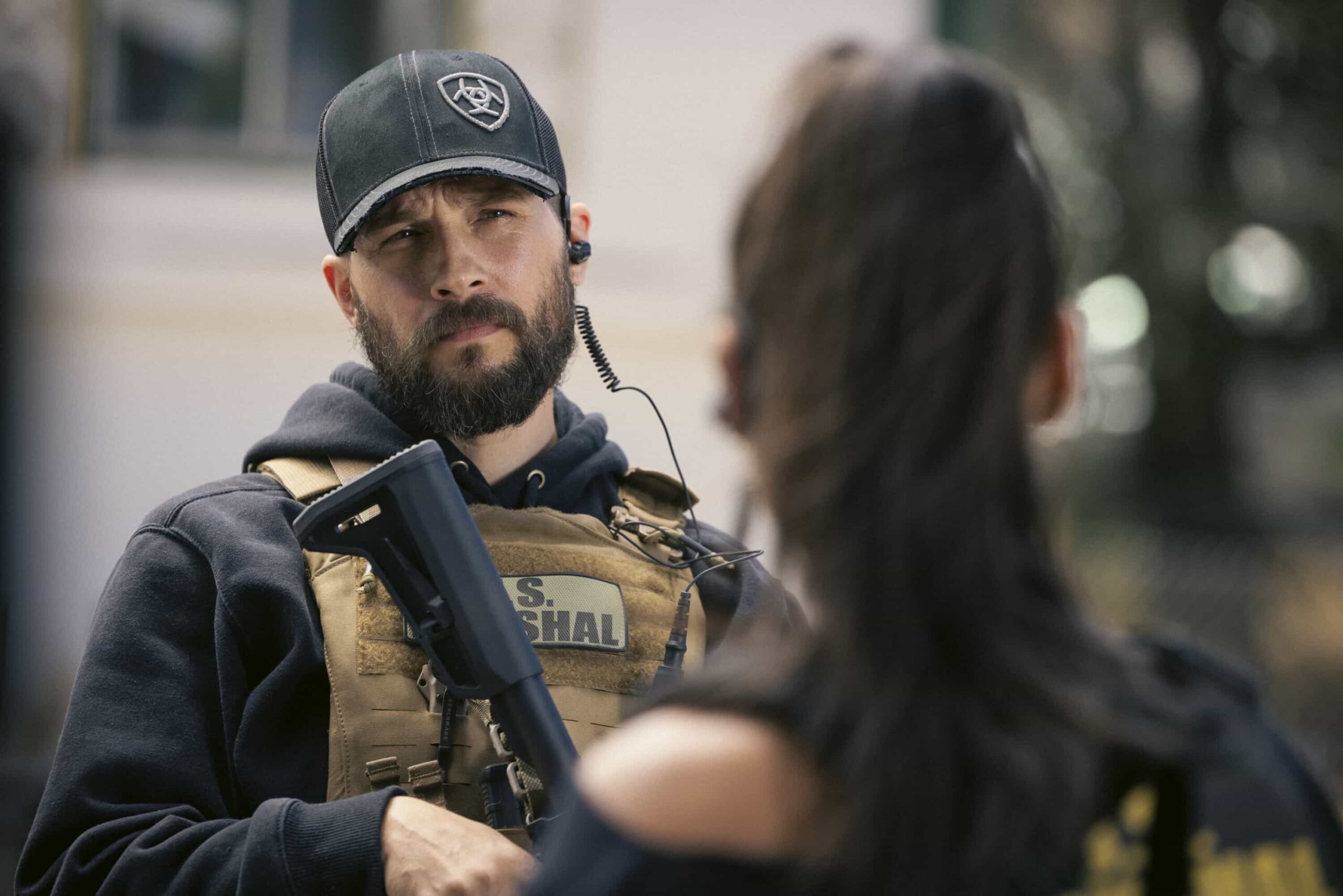
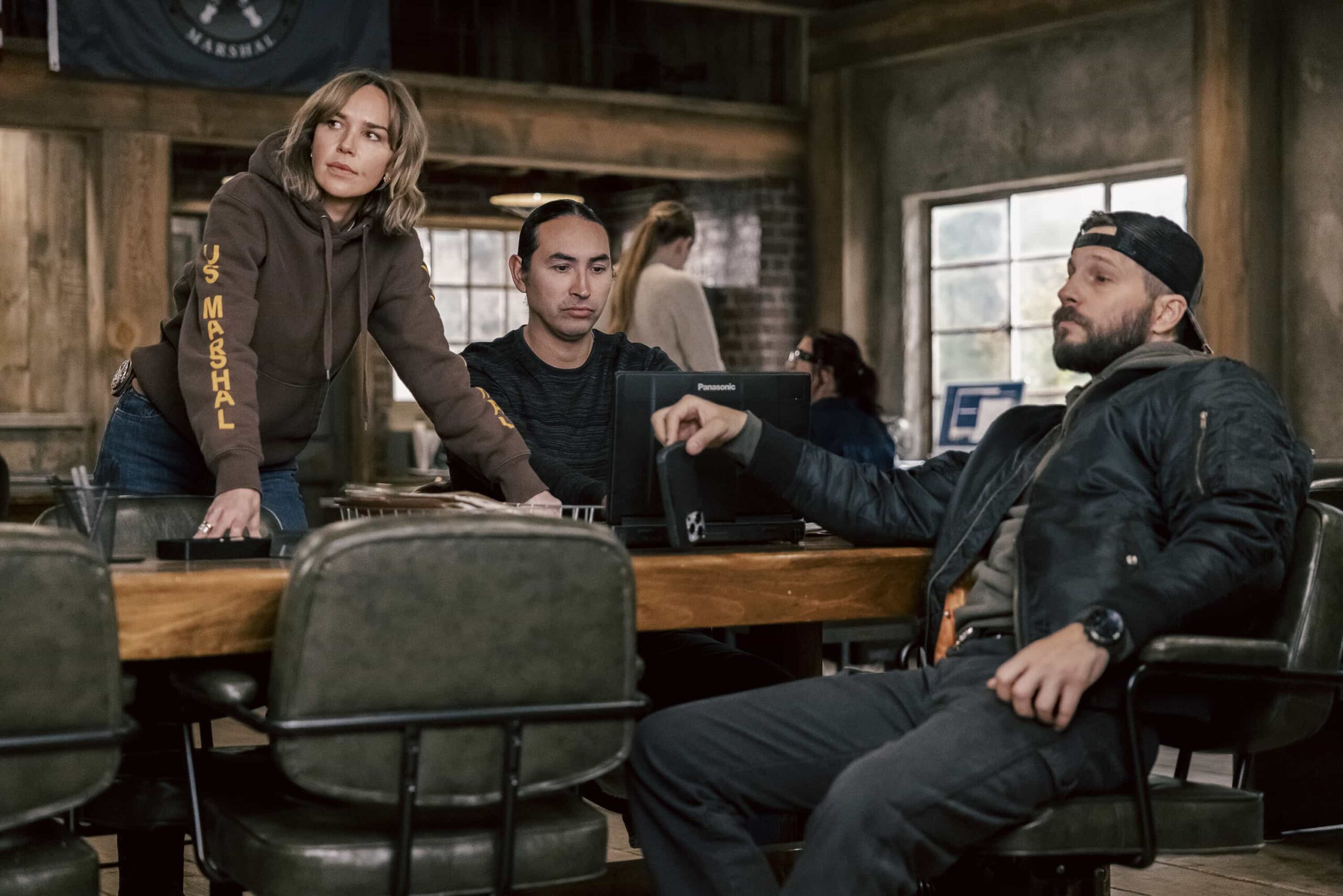
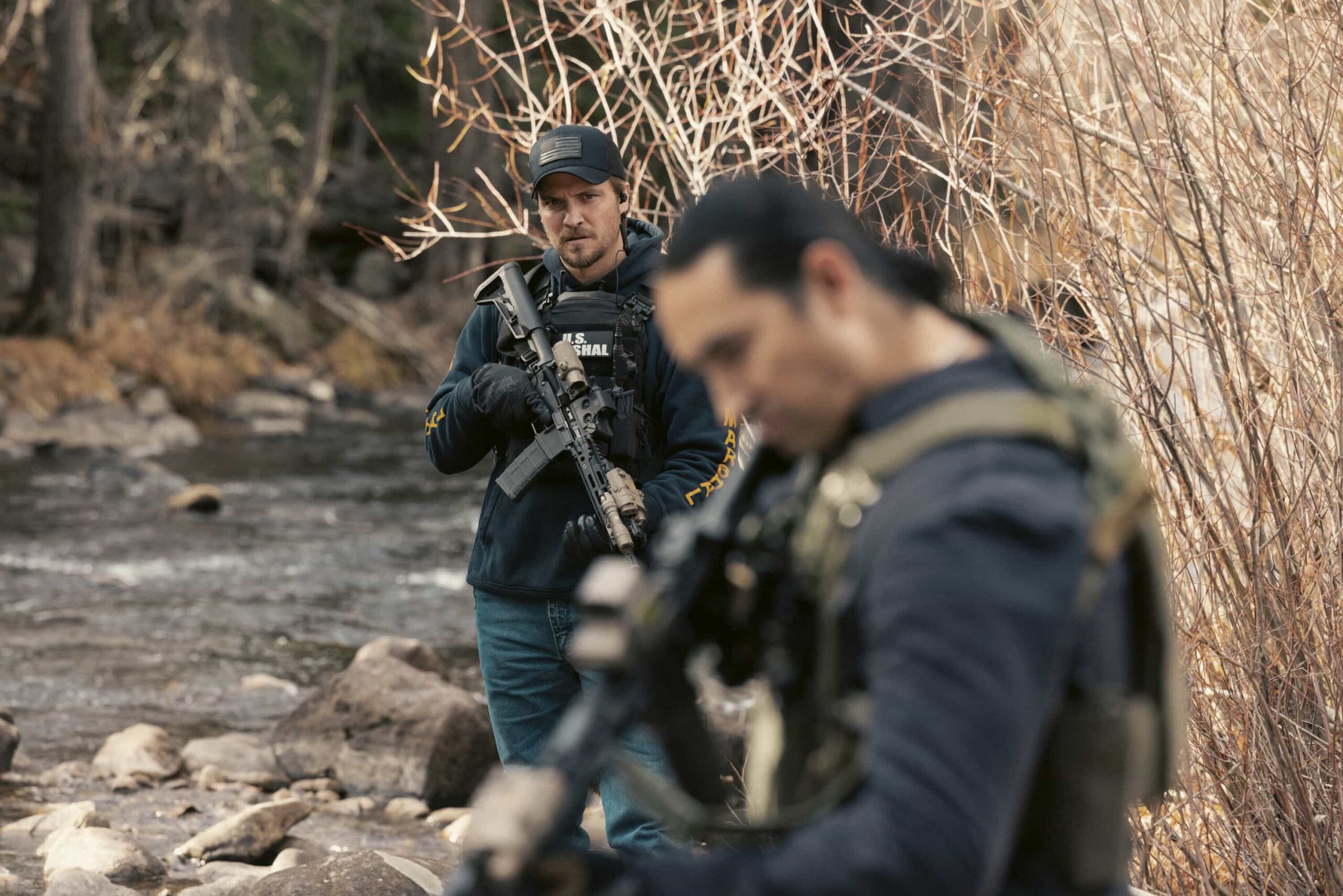
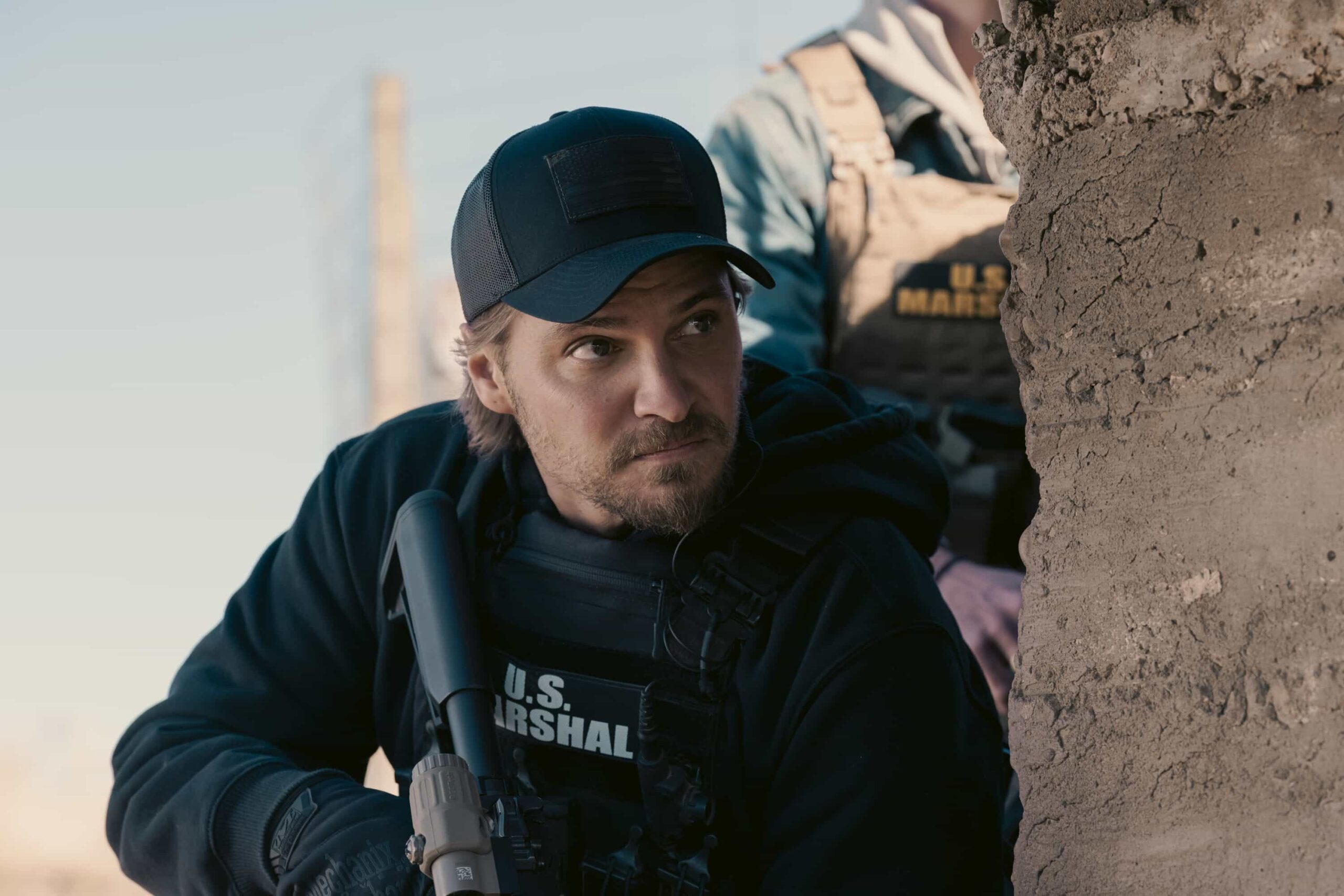
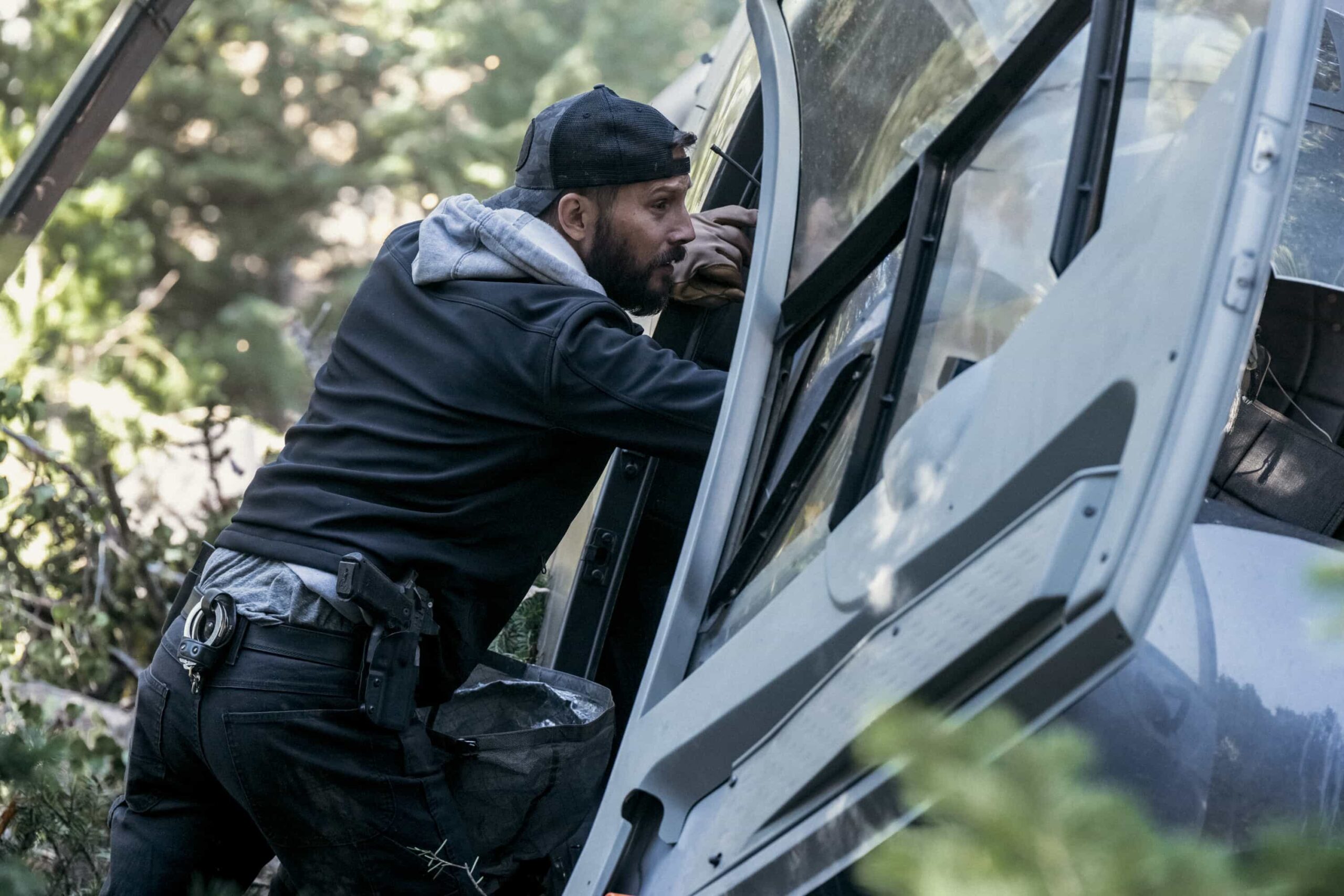
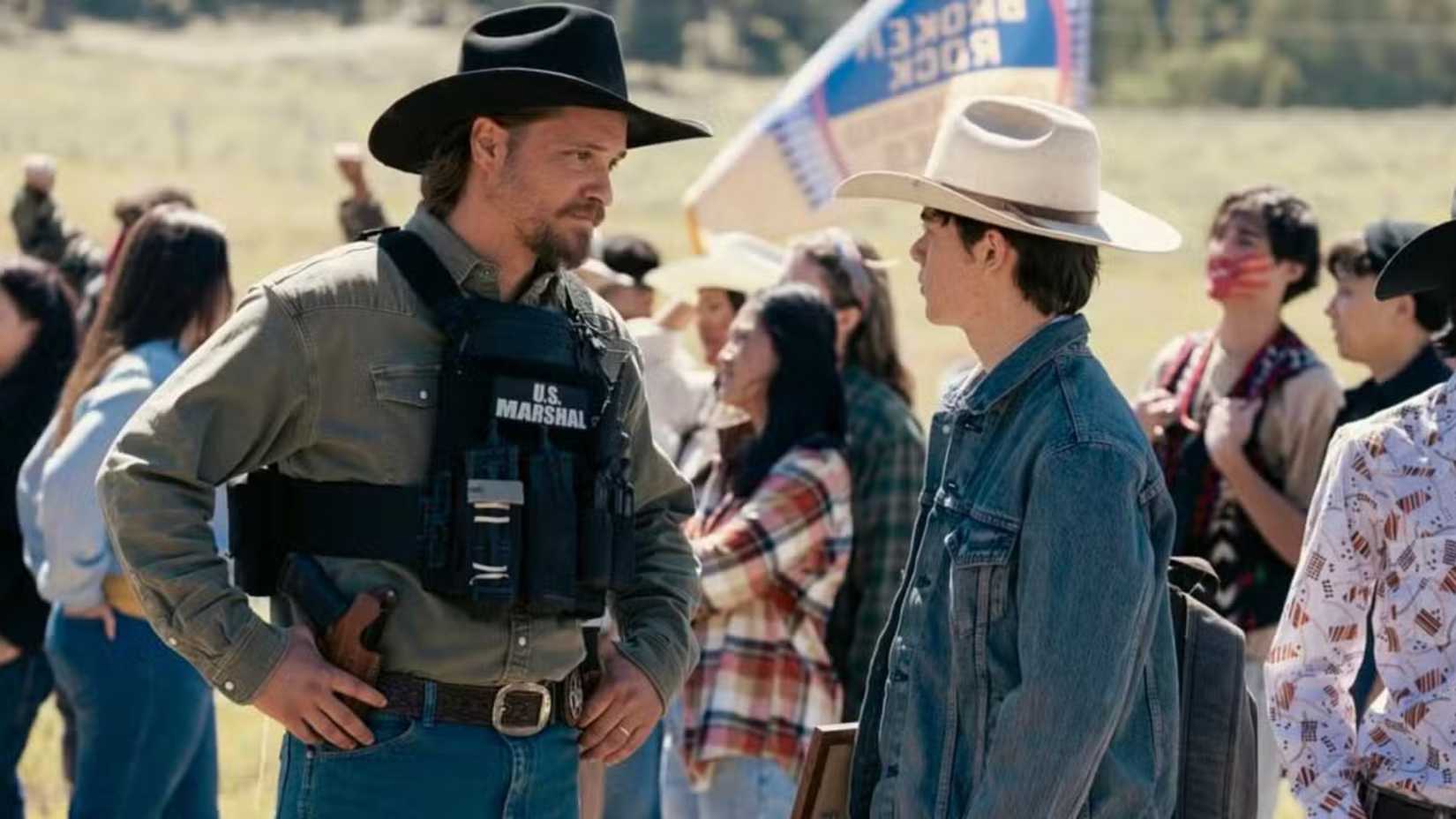
The first season of The Marshal, which premiered on ABC in early 1995, stands as a distinct departure from the standard gritty urban procedurals of its era. Starring Jeff Fahey as Deputy U.S. Marshal Winston MacBride, the season consists of 13 episodes that blend quirky humor, high-stakes manhunts, and a refreshingly humanistic approach to federal law enforcement.
The Conception and Production of a Mid-90s Classic
As we look back from 2026, the mid-1990s represent a pivotal era for television. Network television was beginning to experiment with "prestige" elements before the cable boom took full effect. The Marshal was a product of this transitional period, created by Daniel Pyne and John Fawcett. Daniel Pyne, already known for his work on Miami Vice, brought a sophisticated sensibility to the script, while executive producer Don Johnson added the star power and industry leverage necessary to get a high-concept procedural off the ground.
The production of Season 1 was characterized by its commitment to location shooting. Unlike many shows of the time that remained tethered to backlots in Los Angeles or New York, The Marshal utilized the diverse landscapes of the Pacific Northwest (often filming in British Columbia) to represent various parts of the United States. This "traveling" nature of the show was essential to the U.S. Marshals Service's real-world jurisdiction—which covers the entire country—giving the first season an expansive, cinematic feel that was rare for 1995.
Technically, the show benefited from a visual style that favored natural lighting and wide-angle shots to emphasize the isolation of the fugitives MacBride was hunting. This aesthetic choice highlighted the "man against the elements" theme that permeated much of Season 1.
Character Analysis: The Unique Appeal of Winston MacBride
At the heart of the first season is Jeff Fahey’s portrayal of Winston MacBride. In an era dominated by the "loose cannon" cop trope, MacBride was an anomaly. He was not a tortured soul or a violent renegade; rather, he was a dedicated family man, a devoted father, and a lawman who preferred using his intellect over his sidearm.
The Non-Violent Lawman
One of the most discussed aspects of Season 1 was MacBride’s reluctance to engage in gunplay. While he was a Deputy U.S. Marshal—a role that carries significant authority and danger—his primary weapon was his understanding of human psychology. He often caught his targets by predicting their next move based on their personal histories, eccentricities, and flaws. This made the first season feel more like a series of intellectual puzzles than a traditional action show.
A Grounded Personal Life
Unlike many procedural protagonists who are divorced or lonely, MacBride had a stable home life with his wife, Katie, and their two daughters. Season 1 frequently explored the tension between his duties as a federal agent and his desire to be present for his family. This domestic grounding humanized the character, making the stakes of his dangerous assignments feel more personal for the audience. As of 2026, modern showrunners still cite this balance as a blueprint for character-driven procedurals.
Thematic Architecture: Justice vs. The Law
Season 1 of The Marshal delved deeply into the philosophical distinction between "the law" and "justice." Because the U.S. Marshals Service is primarily tasked with apprehending fugitives, MacBride often found himself pursuing individuals who were technically guilty under the law but perhaps morally sympathetic.
The show avoided black-and-white morality. Several episodes in the first season featured fugitives who were fleeing from corrupt local authorities, seeking to protect their families, or simply victims of circumstance. MacBride’s job was to bring them in, but his conscience often forced him to ensure that once they were in custody, they received a fair shake. This theme of "the compassionate hunter" became the signature of the show's first 13 episodes.
Detailed Breakdown of Season 1 Episodes
The first season followed an episodic "Fugitive of the Week" format, but it maintained a consistent tonal thread. Below is a detailed look at the progression of the season through its most impactful episodes.
| Episode # | Title | Original Air Date | Key Plot/Theme |
|---|---|---|---|
| 1 | Pilot | January 31, 1995 | MacBride tracks a fugitive while establishing his "no-gun" philosophy. |
| 2 | Grab the Basket | February 1, 1995 | A focus on the internal politics of the Marshals Service and bureaucratic hurdles. |
| 3 | The Great Train Robbery | February 8, 1995 | A modern take on Western tropes involving a heist and a train. |
| 4 | The Ballad of Lucas Burke | February 15, 1995 | Explores the moral ambiguity of a fugitive who is a local hero. |
| 5 | Hitwoman | March 1, 1995 | MacBride enters a dangerous cat-and-mouse game with a professional killer. |
| 10 | The Land of Opportunity | March 29, 1995 | Deals with immigration issues and the exploitation of workers. |
| 13 | Rainbow Comix | April 19, 1995 | A quirky season finale involving a comic book obsession and a complex fraud. |
Notable Narrative Arc: "The Ballad of Lucas Burke"
In one of the standout episodes of the season, "The Ballad of Lucas Burke," the show demonstrated its ability to handle complex social dynamics. MacBride is sent to a small town to apprehend a man who is beloved by the community. The episode highlights the friction between federal authority and local loyalty. It served as a masterclass in tension, as MacBride had to navigate a hostile environment without escalating the situation into a violent confrontation.
The "Pilot" and Setting the Tone
The Pilot episode was instrumental in establishing the show's quirkiness. Directed by John Nicolella, it introduced MacBride's signature Stetson and his idiosyncratic habit of analyzing the small, seemingly irrelevant details of a fugitive’s life—what they ate, what they read, and their relationship with their parents. This "investigative empathy" became the show's hallmark.
The Role of the U.S. Marshals Service in Media
To understand the impact of Season 1, one must understand the real-world agency it portrayed. The U.S. Marshals Service is the oldest federal law enforcement agency in the United States, established in 1789. Unlike the FBI, which focuses on investigation, the Marshals focus on enforcement: catching fugitives, transporting prisoners, and protecting the federal judiciary.
The Marshal Season 1 was one of the first television shows to accurately reflect the broad, nationwide jurisdiction of the agency. Before the show aired, the general public often confused the Marshals with local sheriffs or the FBI. The series played a significant role in educating the public about the agency's specific duties, including the Witness Security Program (WITSEC), which would become a recurring plot device in later episodes.
Comparison with Other Procedurals of the Time
When compared to its contemporaries like Law & Order or NYPD Blue, The Marshal Season 1 felt decidedly different.
- Pacing: While NYPD Blue was known for its rapid-fire dialogue and "shaky cam" realism, The Marshal was more methodical. It allowed scenes to breathe, often focusing on long stretches of MacBride traveling through rural landscapes.
- Tone: Unlike the cynical tone of many 90s dramas, The Marshal possessed an underlying optimism. MacBride believed in the system, even when it was flawed, and he believed in the possibility of redemption for the people he caught.
- Violence: The show was remarkably restrained. At a time when television was being criticized for increasing violence, Season 1 showed that a law enforcement drama could be compelling through dialogue and tension rather than shootout counts.
Technical Specifications and Aesthetics
The first season utilized a 1.33:1 aspect ratio, standard for the time, but the cinematography often mimicked the 1.85:1 theatrical look by using wide shots of the American countryside. The color palette was earthy and muted, reflecting the "everyman" nature of Winston MacBride.
The musical score, composed by various artists under the direction of the production team, often incorporated blues and folk elements. This grounded the show in a specifically American tradition, reinforcing the "modern Western" vibe that creators Daniel Pyne and John Fawcett were aiming for.
Reception and Legacy in 2026
By 2026, The Marshal is remembered as a "cult classic" that paved the way for modern character-centric procedurals like Justified. While it only ran for two seasons, the first season remains the gold standard for the series. It was praised by critics at the time for Jeff Fahey’s understated performance and for the show's willingness to be "smart" rather than just "loud."
The show’s cancellation after its second season is often attributed to ABC’s frequent time-slot changes, which made it difficult for the audience to find the show. However, its afterlife on streaming platforms and digital subchannels has ensured that the first season’s 13 episodes remain accessible to fans of the genre.
Common Challenges in Tracking the Series
For viewers looking to revisit Season 1 in 2026, there are a few hurdles to consider:
- Streaming Rights: The licensing for The Marshal has historically been fragmented. As of 2026, it is primarily found on niche "classic TV" streaming services or through digital purchase platforms.
- Home Media: Original DVD releases of Season 1 are now considered collector's items. High-definition remasters are rare, meaning most available versions retain the original 90s broadcast quality.
- Title Ambiguity: Because the title is "The Marshal," it is sometimes confused with the 1998 movie U.S. Marshals or the later series Justified (which is based on a U.S. Marshal character). Searching for "Jeff Fahey Marshals Season 1" is the most effective way to locate the correct series.
Frequently Asked Questions
Is The Marshal based on a true story?
The show is a fictional drama, but it was heavily researched to reflect the actual procedures and jurisdiction of the United States Marshals Service. Winston MacBride is a fictional character, though his "intellectual" approach to the job was inspired by the real-life fugitive investigators who rely more on paper trails and psychology than physical force.
Why did Season 1 only have 13 episodes?
In the mid-90s, it was common for "mid-season replacements" to have shorter initial runs. The Marshal premiered in January as a replacement for struggling shows on ABC’s schedule. Its success during those 13 episodes earned it a full-season renewal for the following year.
Who are the main cast members in Season 1?
The primary star is Jeff Fahey as Winston MacBride. Recurring cast members include Patricia Kalember as his wife, Katie MacBride. The show also featured a rotating cast of high-profile guest stars playing fugitives, a common practice for episodic dramas of that period.
Where can I watch The Marshal Season 1 in 2026?
Currently, the series is available on select ad-supported streaming platforms (FAST channels) dedicated to 90s television. It can also be found in the archives of major digital retailers like Amazon or Apple TV, though availability varies by region due to international licensing agreements.
Did the show receive any awards?
While it did not win major Emmys, the first season was highly regarded by the Mystery Writers of America and received several nominations for its writing and Jeff Fahey’s performance. It was frequently cited by television critics as one of the "most intelligent" shows on network television during its run.
Final Recommendation for Viewers
If you are a fan of procedural dramas that prioritize character development over action, The Marshal Season 1 is a must-watch. It offers a unique window into mid-90s television production and features a protagonist who remains one of the most likable and grounded lawmen in TV history. To get the most out of the experience, start with the "Pilot" to understand MacBride’s philosophy, and then progress through "The Ballad of Lucas Burke" to see the show's thematic depth at its peak.