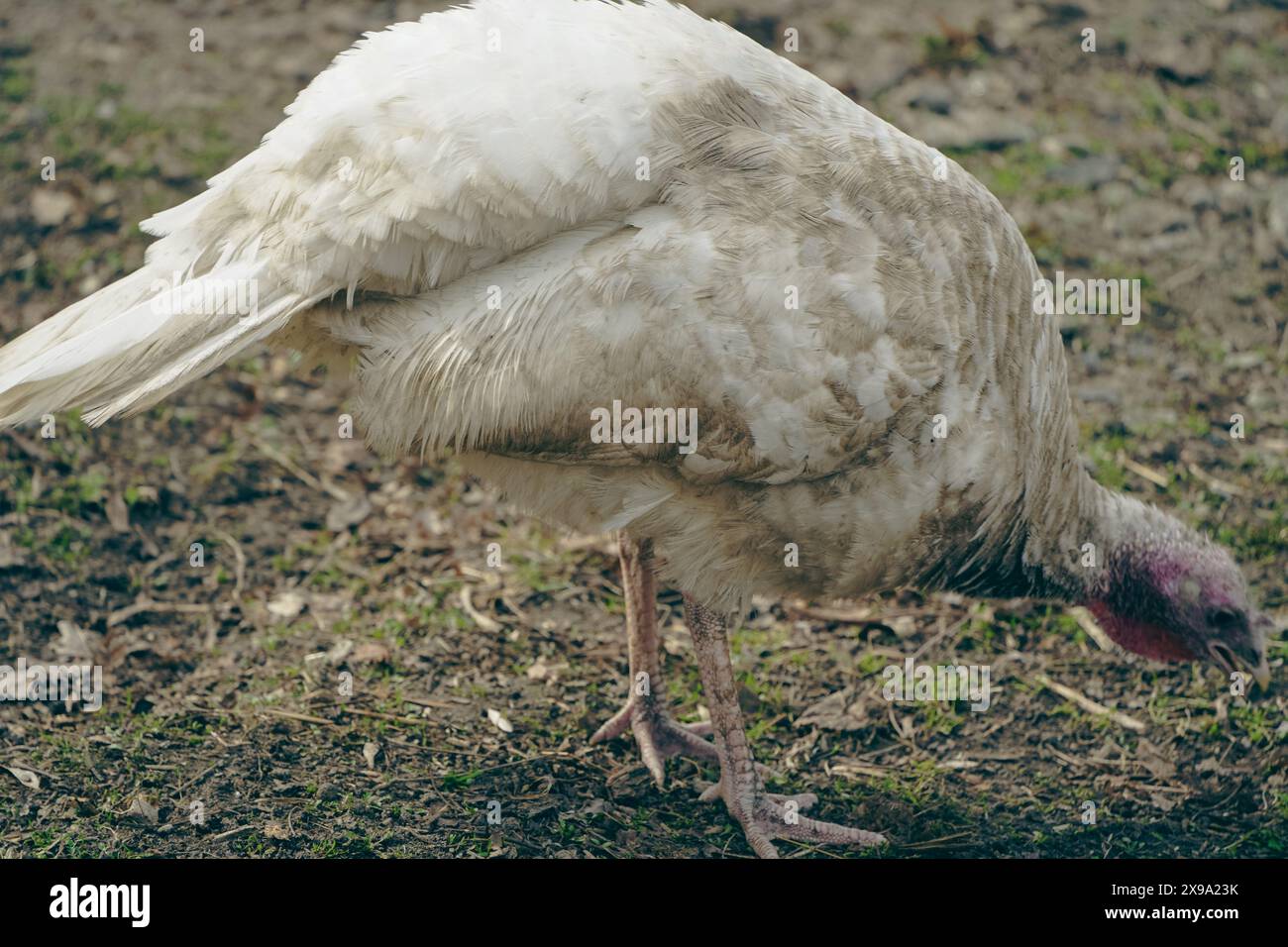
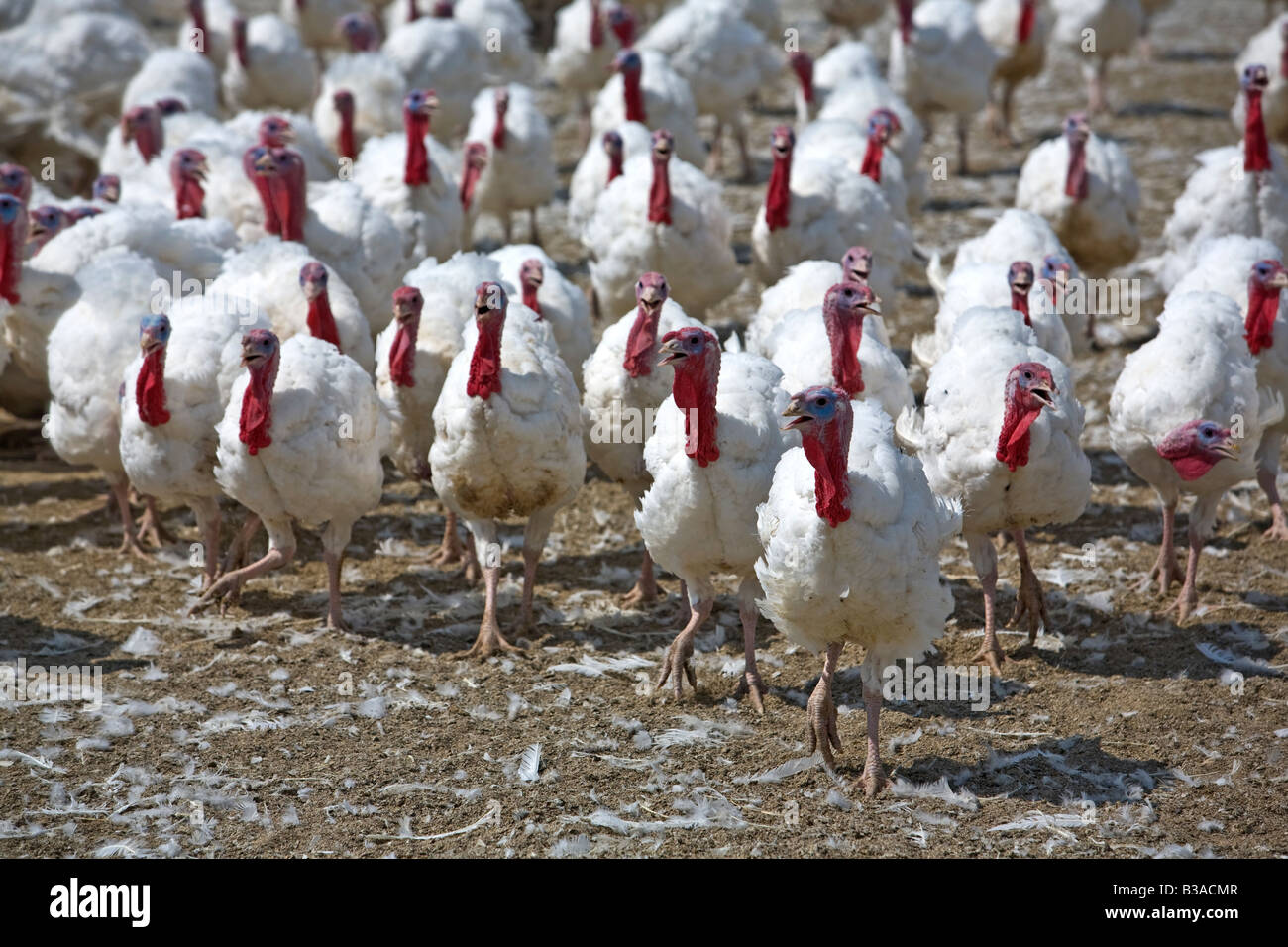
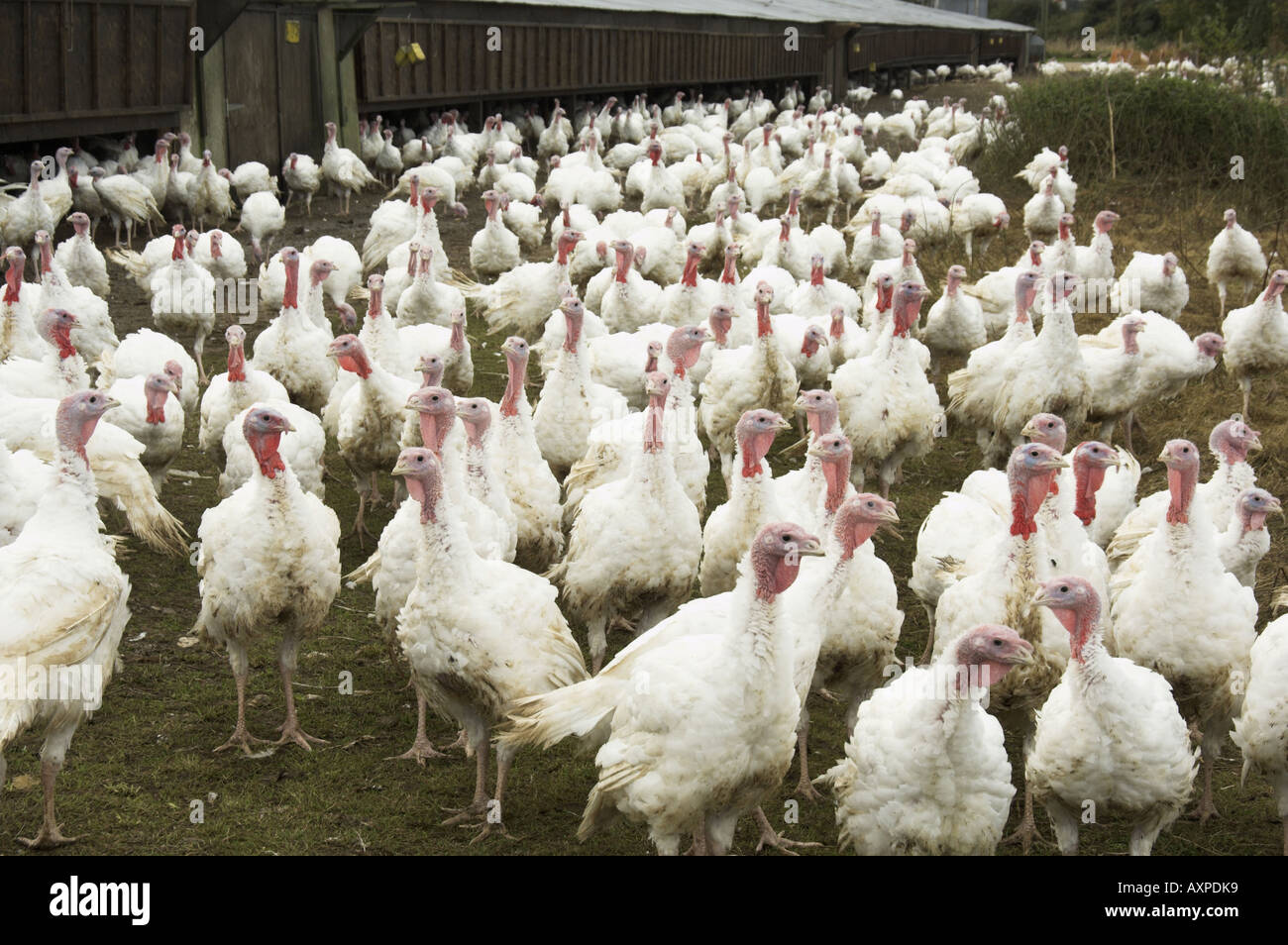
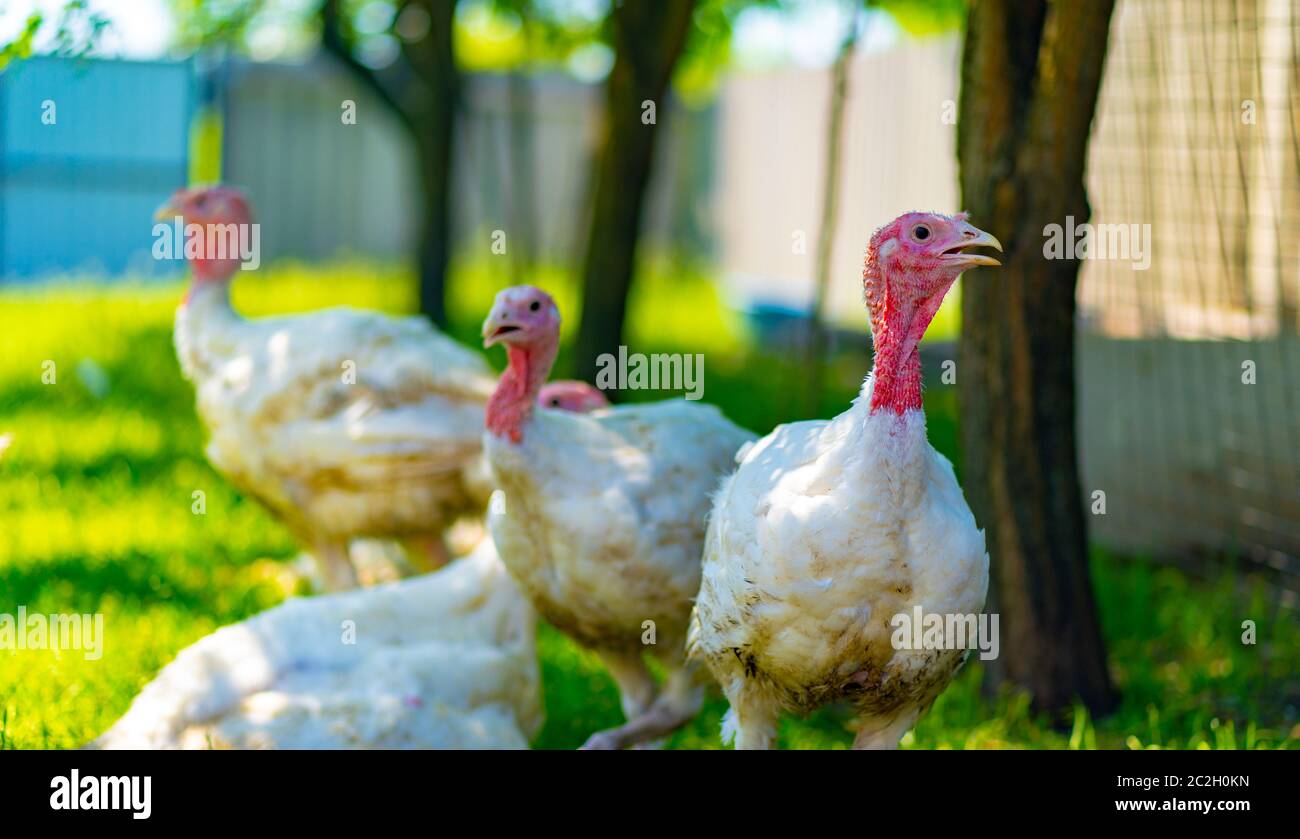
White turkeys are not only real, but they also dominate the modern commercial poultry industry due to specific genetic traits that produce clean white feathers, high feed conversion efficiencies, and desirable carcass characteristics for the consumer market.
The question of whether white turkeys exist often arises from a common observation: most people grow up seeing traditional wild turkeys, which feature dark, iridescent brown, bronze, and black feathers designed for camouflage in forest environments. However, domestic agriculture relies heavily on white-feathered varieties, most notably the Broad Breasted White. Understanding the existence of white turkeys requires an exploration into avian genetics, the history of selective breeding, the differences between wild and domestic breeds, and the specific management considerations required to raise these unique birds in farm and backyard settings.
The Genetic Foundations of White Plumage in Turkeys
Feather color in turkeys is governed by complex genetic interactions. In wild populations, dark pigmentation is an evolutionary necessity, providing protection against avian and terrestrial predators by allowing birds to blend seamlessly into leaf litter and forest understories. This dark coloration is primarily driven by melanin.
The white plumage seen in domestic varieties is the result of recessive and dominant genetic mutations that block or dilute the deposition of melanin in the feathers. In commercial white turkeys, the white gene is typically homozygous recessive, meaning both parents must pass down the trait for the offspring to exhibit completely white feathers.
Beyond aesthetics, breeders intentionally selected for white plumage for a very practical reason in commercial meat processing. When a turkey with dark feathers is plucked, small pigment spots or dark roots often remain visible beneath the skin follicles, which consumers may find unappealing. White turkeys lack this dark pigment entirely, resulting in a cleaner-looking carcass that meets modern retail standards.
Wild Turkeys Versus Domestic White Turkeys
To fully understand white turkeys, it is essential to distinguish between wild turkeys (Meleagris gallopavo) and domestic breeds. While a white turkey is technically the same species as a wild turkey, centuries of selective breeding have transformed their physiology, behavior, and capabilities.
Wild turkeys are athletic, capable of flying short distances up to 55 miles per hour, and possess sharp eyesight and hearing. They forage actively for seeds, insects, nuts, and vegetation.
Conversely, domestic white turkeys—especially heavy meat-producing strains—have been bred for rapid growth and high breast meat yield. This selective focus has altered their physical build. A commercial Broad Breasted White turkey features a heavy, wide breast structure that shifts its center of gravity, rendering adult birds incapable of sustained flight. Furthermore, these birds are typically managed in agricultural systems rather than left to fend for themselves in the wild, as their white plumage makes them exceptionally vulnerable to predators.
Common Domestic White Turkey Breeds
Several distinct breeds of white turkeys exist, ranging from heavy industrial meat producers to heritage breeds prized for standard preservation and hardiness:
- Broad Breasted White: The undisputed heavyweight champion of commercial poultry. Developed by crossing Bronze and White Holland turkeys, this breed grows rapidly, achieves high feed efficiency, and yields massive quantities of white meat.
- White Holland: An older heritage breed recognized for its docile temperament, strong mothering abilities (in lighter strains), and good foraging skills compared to modern industrial hybrids.
- Beltsville Small White: Developed by the United States Department of Agriculture (USDA) in the mid-20th century to meet consumer demand for smaller, family-sized roasting turkeys. They weigh significantly less than Broad Breasted Whites and maintain better reproductive health.
- Midget White: A rare heritage breed created by crossing wild turkeys with commercial white varieties, resulting in a smaller bird that retains natural mating capabilities and foraging vigor.
Commercial Dominance and Agricultural Impact
The dominance of white turkeys in the global poultry market is a direct result of twentieth-century agricultural optimization. Before the mid-1900s, Bronze turkeys and other dark-feathered varieties were more common. However, the rise of commercial processing plants necessitated a bird that could be processed cleanly and efficiently on automated lines.
The Broad Breasted White became the industry standard because it solved multiple agricultural challenges simultaneously:
- Carcass Appearance: The absence of dark pinfeathers eliminated the unsightly dark spots on processed skin.
- Growth Rate: Intensive selection produced birds that reach market weight in a fraction of the time required by heritage breeds.
- Feed Conversion Ratio: Modern white turkeys convert feed into body mass with high efficiency, reducing the overall economic and environmental cost of production.
| Turkey Type | Average Market Weight (Tom) | Primary Purpose | Flight Capability | Natural Mating |
|---|---|---|---|---|
| Broad Breasted White | 40+ lbs (18+ kg) | Commercial Meat Production | None | Rare / Artificial Insemination often required |
| White Holland | 30–35 lbs (14–16 kg) | Dual-Purpose / Heritage Farm | Minimal | Possible in lighter strains |
| Beltsville Small White | 15–20 lbs (7–9 kg) | Small-Scale / Family Roasting | Limited | Yes |
| Wild Turkey | 16–24 lbs (7–11 kg) | Survival / Wildlife / Hunting | Strong (Short Burst) | Yes |
Care, Management, and Health Considerations
Raising white turkeys—particularly heavy commercial strains—requires specialized knowledge and attentive management compared to raising chickens or wild-type poultry. Their rapid growth and unique physical traits introduce specific vulnerabilities that farmers must address.
Nutritional Requirements
White turkeys have high protein demands, especially during their first eight weeks of life. Poults require a specialized game bird or turkey starter feed containing roughly 28% protein. Providing insufficient protein or improper calcium-to-phosphorus ratios can lead to leg deformities, as their rapidly growing skeletal system struggles to support their gaining weight.
Environmental Management
Because white feathers offer no camouflage and commercial birds are heavy-set, biosecurity and predator protection are paramount. Predators such as foxes, coyotes, raccoons, and hawks easily spot white turkeys in open environments. Consequently, secure confinement, sturdy fencing, and protective shelters are necessary.
Furthermore, white turkeys are sensitive to heat stress. Their heavy body mass and white plumage (which absorbs less solar radiation than dark feathers but offers no defense against high ambient temperatures) require adequate shade, ventilation, and constant access to clean, cool water.
Reproductive Challenges in Heavy Strains
The extreme breast development of the Broad Breasted White has an unintended biological consequence: natural mating is physically difficult or impossible for mature adults. As a result, the vast majority of commercial Broad Breasted White turkeys are produced via artificial insemination. For smallholders and homesteaders looking to breed their own stock naturally, heritage white breeds like the Midget White or Beltsville Small White are vastly preferred over industrial hybrids.
Rare Anomalies: True Albinism and Leucism in Wild Turkeys
While domestic white turkeys are common on farms, encountering a white turkey in the wild is an extraordinary event. These occurrences are not domestic escapees, but rather the result of rare genetic mutations in wild populations.
Two primary conditions account for white feathers in wild birds:
- Albinism: A complete genetic absence of melanin. True albino turkeys feature pure white feathers, pink or red eyes (due to visible blood vessels in the unpigmented iris), and pale pink legs and bills. Albinism carries severe survival disadvantages, as the lack of melanin often results in poor eyesight and makes the bird exceptionally visible to predators.
- Leucism: A partial loss of pigmentation. Leucistic turkeys may have white or patchy feathers while retaining normal dark eyes and standard beak or leg coloration. Unlike albinos, leucistic birds generally retain normal vision, though their unusual appearance still compromises their camouflage in natural habitats.
Biologists estimate that true albinism occurs in roughly one out of every 100,000 wild turkeys, making sightings rare highlights for wildlife enthusiasts and hunters. State wildlife agencies often receive reports of white wild turkeys, and in many jurisdictions, game laws protect these unique animals from hunting to preserve local biodiversity and genetic curiosity.
Common Myths and Misconceptions
The presence of white turkeys in agriculture and nature frequently generates myths that persist among backyard enthusiasts and consumers.
One common misconception is that white turkeys are a completely different species from brown wild turkeys. In reality, all domestic turkeys belong to the same species (Meleagris gallopavo). Color is merely a phenotypic variation driven by selective breeding or genetic mutation.
Another frequent myth is that white turkeys are chemically bleached or genetically modified using DNA from other animals. Modern white turkeys are the product of traditional, rigorous selective breeding practices spanning centuries. Breeders simply saved and bred turkeys that exhibited lighter feather mutations until the trait became fixed in specific lines. No genetic modification technology is used to create standard commercial white turkeys.
Finally, some assume that white turkeys are inherently more fragile or "dumb" than dark-feathered breeds. While heavy commercial strains do suffer from structural leg issues due to rapid growth, heritage white breeds are robust, intelligent, and capable foragers. Intelligence varies more by breed selection and handling than by feather color alone.
Summary of Raising White Turkeys
For those considering adding white turkeys to a small farm or homestead, careful planning ensures success. Selecting the right variety—choosing between industrial meat producers and self-sustaining heritage breeds—dictates the management strategy required. Providing balanced high-protein feed, sturdy predator-proof housing, ample shade, and careful monitoring for leg development will keep a flock healthy and productive. Whether raised for holiday tables or appreciated for their striking appearance, white turkeys remain a fascinating intersection of avian genetics and agricultural history.