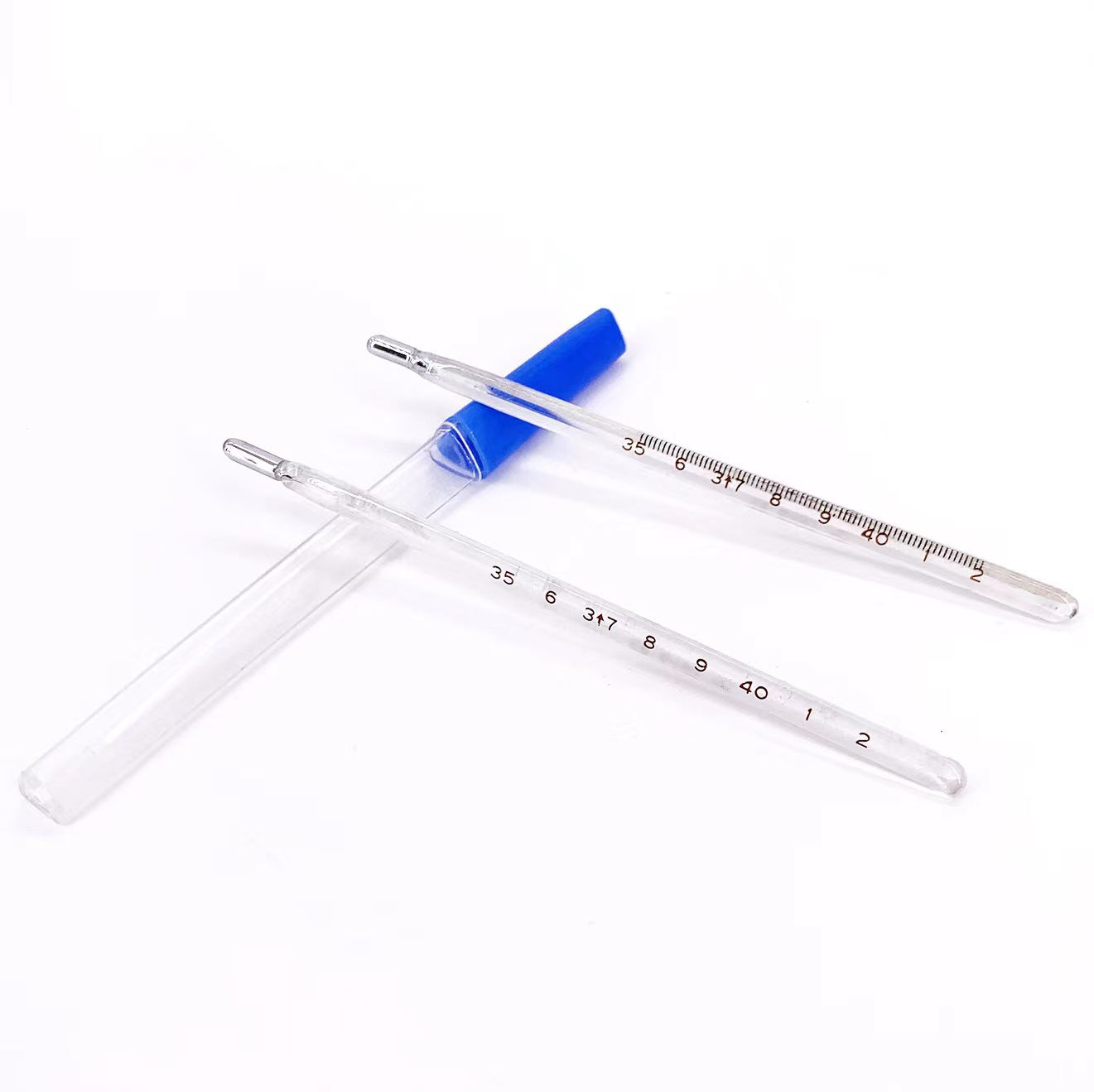
Traditional glass thermometers containing silvery liquid mercury are still produced and utilized in specialized industrial, scientific, and calibration settings, but they have been largely phased out of consumer households, schools, and routine healthcare environments due to environmental toxicity and public safety regulations.
The Historical Context of Mercury Thermometers
For centuries, the liquid-in-glass thermometer stood as the undisputed gold standard for precise temperature measurement. Invented in its modern form by Daniel Gabriel Fahrenheit in the early 18th century, these instruments relied on the unique thermal properties of elemental mercury. Mercury remains liquid across a remarkably broad temperature range—from approximately -38.8 degrees Celsius to 356.7 degrees Celsius—and expands and contracts uniformly with changes in heat without wetting the inner walls of the glass capillary tube. This allowed for highly accurate, repeatable readings without requiring electrical power sources, digital sensors, or complex calibration routines.
In domestic settings, medicine cabinets, and school laboratories, mercury fever thermometers were ubiquitous. However, the very characteristics that made mercury so effective—its heavy metallic density, fluid mobility, and persistence in the environment—also presented severe hazards. When a glass thermometer inevitably broke, it released liquid mercury that fragmented into tiny, mobile beads. These beads readily evaporate into invisible, odorless toxic vapor at room temperature, posing serious inhalation risks to humans and pets.
The Global Regulatory Shift
Recognition of the persistent environmental impact of mercury led to a massive, coordinated international effort to eliminate non-essential uses of the element. Mercury is a potent neurotoxin that bioaccumulates in aquatic food webs, primarily in the form of methylmercury, presenting severe risks to human neurological development and wildlife health.
In the United States, numerous states enacted bans on the sale, distribution, and manufacture of mercury fever thermometers and novelty items throughout the 2000s and 2010s. On an international scale, the Minamata Convention on Mercury—a global treaty negotiated under the auspices of the United Nations Environment Programme—established legally binding controls to protect human health and the environment from anthropogenic emissions and releases of mercury and mercury compounds. Under this framework, the manufacture, import, or export of various mercury-added products, including measuring devices such as thermometers, barometers, and blood pressure monitors, became heavily restricted or entirely prohibited after specific phase-out dates, typically targeting the year 2020 for most common consumer measuring tools.
Where Mercury Thermometers Are Still Used Today
Despite the sweeping bans affecting consumer markets, mercury-in-glass thermometers have not vanished entirely. Certain specialized, highly technical sectors maintain a legitimate, legally permitted need for mercury-based measurement tools where exact standards, extreme physical environments, or specific chemical interactions preclude the use of digital alternatives.
Industrial, Scientific, and Laboratory Applications
In advanced scientific research, industrial processing, and meteorological calibration laboratories, accuracy and stability requirements are extraordinarily stringent. While electronic digital sensors and platinum resistance thermometers (PRTs) have advanced significantly, mercury thermometers remain valued for specific baseline reference functions.
- High-Temperature Measurement: Many standard glass thermometers filled with organic liquids or alcohols cannot reliably measure temperatures exceeding 200 degrees Celsius because the filling liquid may boil, vaporize, or separate. Mercury thermometers can accurately measure up to several hundred degrees Celsius without breaking down chemically.
- Corrosive Chemical Environments: Electronic sensors feature metallic probes, wiring, and housing components that can corrode or fail when exposed to aggressive acids, strong solvents, or highly reactive chemical vapors. Inert glass encasing a mercury column offers superior resistance to chemical attack.
- Electromagnetic Interference (EMI): In heavy industrial plants or physics laboratories featuring massive magnetic fields or high-voltage electrical equipment, digital instruments can suffer from electromagnetic interference, signal distortion, or sensor drift. Purely mechanical, glass-and-mercury instruments remain entirely immune to such interference.
Calibration and Metrology Standards
National metrology institutes and certified calibration laboratories occasionally utilize mercury thermometers as secondary reference standards. Because the physical behavior of mercury under thermal expansion is exceptionally well-documented and stable over decades, these instruments serve as benchmark tools to verify the accuracy of other temperature-sensing devices. Even in these elite settings, however, strict handling protocols, secondary containment housings, and stringent occupational safety measures govern their use to prevent accidental spills.
Modern Alternatives to Mercury Thermometers
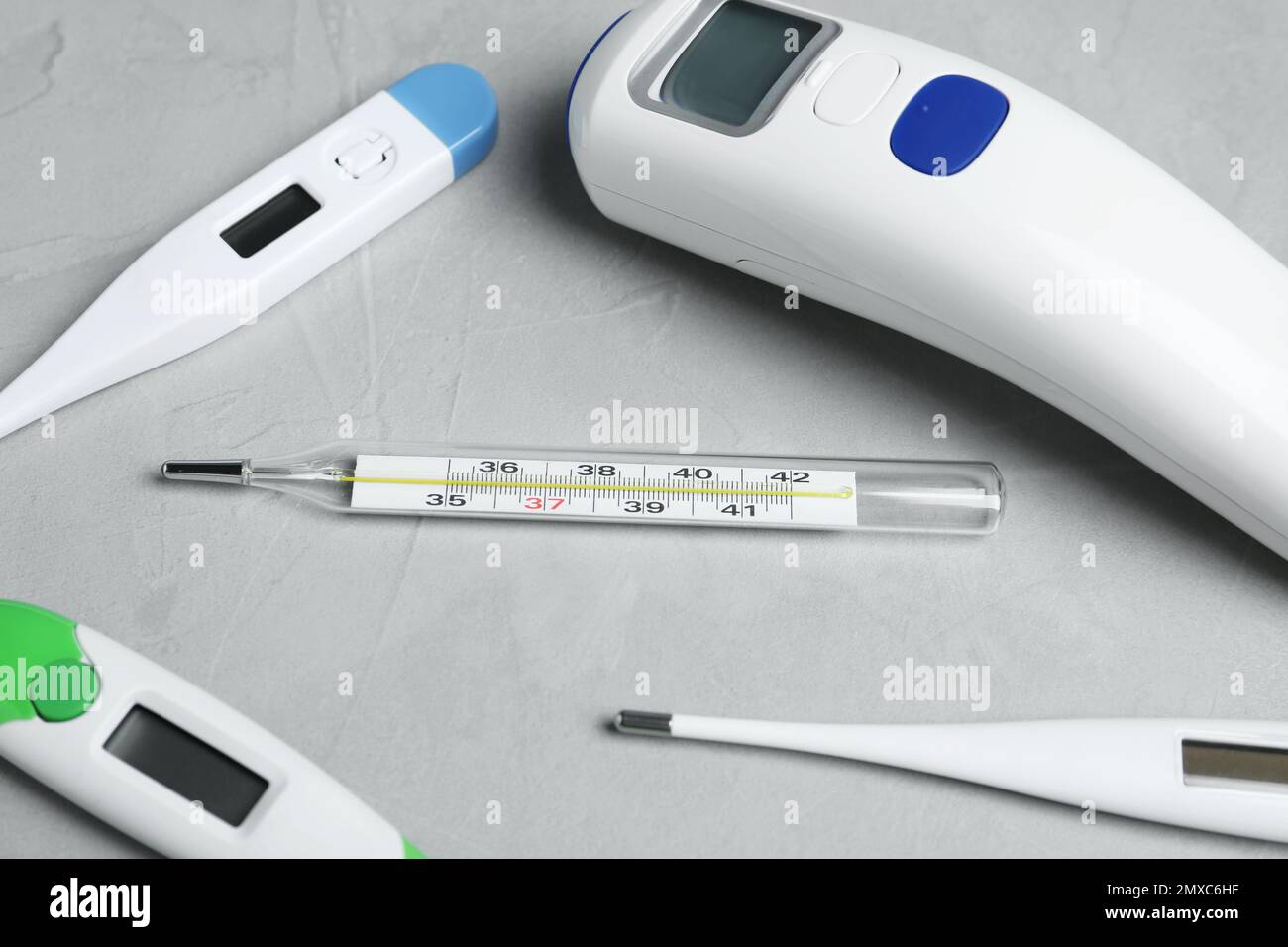
For the vast majority of human applications—ranging from checking a child's fever to monitoring industrial HVAC systems—mercury has been completely replaced by safer, highly accurate alternatives. These modern options eliminate toxicity risks while offering rapid response times and digital convenience.
Digital Thermometers
Powered by tiny thermistors or thermocouple sensors, digital thermometers dominate the modern marketplace. In these devices, a semiconductor changes electrical resistance in response to temperature variations, and an internal microprocessor translates that electrical data into a clear numerical readout on an LCD or LED screen. They are inexpensive, highly durable, and completely free of hazardous materials.
Gallium-Indium-Tin (Galinstan) Thermometers
For consumers who prefer the traditional feel, visibility, and permanence of a liquid-in-glass thermometer without the toxicity of mercury, manufacturers developed non-toxic alloy alternatives. The most common alloy used is Galinstan, a eutectic mixture composed of gallium, indium, and tin.
- Galinstan remains liquid at room temperature (melting around -19 degrees Celsius) and behaves similarly to mercury inside a glass capillary.
- It does not poison humans or animals if ingested or exposed via skin contact.
- These thermometers require a vigorous downward shaking motion to reset after use, mimicking the classic technique of traditional medical thermometers.
Infrared and Tympanic Thermometers
In clinical and pediatric environments, non-contact infrared (IR) forehead thermometers and ear (tympanic) thermometers have largely replaced contact probes. By detecting the thermal radiation emitted by the skin or tympanic membrane, these devices deliver instantaneous readings within seconds, minimizing patient disruption and cross-contamination risks.
Comparing Temperature Measurement Technologies
To understand why mercury was phased out and how modern alternatives perform, it is helpful to evaluate the primary temperature-sensing technologies side by side across key operational metrics.
| Measurement Technology | Primary Core Material | Toxicity Risk | Maximum Temperature Limit | Typical Application Areas |
|---|---|---|---|---|
| Traditional Mercury Glass | Elemental Mercury ($Hg$) | High (Neurotoxin) | Up to 350°C+ | Specialized industrial calibration, high-heat labs |
| Galinstan Glass | Gallium, Indium, Tin Alloy | None | Up to ~350°C | Consumer medical, household fever tracking |
| Digital Thermistor | Semiconductor, Epoxy, Copper | None (battery disposal rules apply) | Up to ~100°C to 150°C | Clinical medicine, food safety, home use |
| Infrared (Non-Contact) | Optical Lens & Thermopile | None | Varies widely by optics | Mass screening, clinical triage, industrial scanning |
| Platinum Resistance (PRT) | Platinum Wire Element | None | Up to 660°C+ | Precision industrial metrology, aerospace |
Identifying and Safely Handling Legacy Instruments
Millions of households worldwide still possess older glass thermometers tucked away in medicine cabinet drawers or antique sewing kits. Identifying whether an older thermometer contains mercury is essential for safe handling and disposal.
How to Tell If a Thermometer Contains Mercury
- Color and Appearance: Mercury is a dense, opaque, shining metallic silver liquid. If the liquid column moves freely, separates easily into shiny spherical droplets, and reflects a mirror-like silver sheen, it is mercury.
- Alternative Liquids: If the liquid inside the glass is colored red, blue, or green, it is almost certainly alcohol or kerosene dyed for visibility. These are non-toxic (though ingestion of colored spirits should still be avoided) and do not emit toxic metallic vapors.
- Etched Markings: Manufacturers often stamped older mercury medical thermometers with words like "Mercury" or chemical symbols like "Hg." Newer non-toxic glass instruments typically bear markings indicating "Galinstan," "Alcohol," or "Lead-free."
What to Do If a Mercury Thermometer Breaks
Breaking a mercury thermometer requires extreme caution. Unlike a broken glass cup, a mercury spill cannot simply be swept up with a broom and thrown in the regular trash, as sweeping shatters the liquid into microscopic droplets that disperse into the air.
- Evacuate the Area: Keep children and pets away from the spill zone immediately to prevent tracking mercury through the home or inhaling vapors.
- Turn Off Heat Sources: Turn off nearby space heaters and air conditioners to prevent air currents from circulating mercury vapor, but open exterior windows to ventilate the space.
- Never Use a Vacuum Cleaner or Broom: Vacuuming vaporizes mercury droplets instantly, filling the air with toxic concentrations. Brooms break mercury down into smaller, impossible-to-catch beads.
- Gear Up: Put on rubber or nitrile gloves and sturdy footwear to protect your skin and prevent glass cuts.
- Collect the Droplets: Use stiff cardboard, a squeegee, or an eyedropper to herd the beads together. Tap the beads onto the cardboard or draw them into the eyedropper, then transfer them into a sealable glass jar or heavy-duty plastic bag.
- Use Adhesive Tape: Press duct tape or sticky masking tape gently against the hard surface to pick up microscopic glass shards and tiny lingering mercury beads.
- Wipe the Area: Clean the surrounding surface with a damp paper towel and place that towel in your collection container.
- Proper Disposal: Seal the container tightly. Never pour mercury down household drains, as it damages plumbing and contaminates municipal wastewater treatment systems and natural waterways. Contact your local hazardous waste management facility or municipal waste department for specific community disposal guidelines.
Frequently Asked Questions
Can I still buy a mercury thermometer legally?
In most developed nations and retail sectors, the retail sale of mercury-containing fever thermometers and consumer barometers is strictly illegal. However, specialized scientific supply companies may sell mercury thermometers to verified educational institutions, industrial facilities, or research laboratories that hold proper regulatory exemptions and licensing.
Are older mercury thermometers accurate?
Yes, glass mercury thermometers do not lose their calibration over time unless the glass capillary tube cracks, shifts, or develops internal gas pockets. In fact, intact vintage mercury thermometers are often prized for their absolute physical stability, which is why calibration labs kept them as reference standards long after digital alternatives arrived.
How do I dispose of an unbroken mercury thermometer?
You should never throw an unbroken or broken mercury thermometer into your household garbage bin or recycling container. Because mercury is a hazardous heavy metal, you must take the intact instrument to a local household hazardous waste collection site, county recycling center, or designated community pharmaceutical take-back event that accepts mercury devices.
What is the difference between a Galinstan thermometer and a mercury thermometer?
While both look virtually identical from the outside—featuring a silver liquid column encased in marked glass—their internal fluid chemistry is entirely different. Mercury is a toxic elemental heavy metal that evaporates into dangerous indoor vapors at room temperature. Galinstan is a non-toxic metallic alloy of gallium, indium, and tin that poses no chemical toxicity threat if broken, making it completely safe for household use.
Why do some industries still prefer glass thermometers over digital ones?
Certain industrial and scientific workflows operate in extreme temperature zones, highly corrosive chemical baths, or intense electromagnetic fields where standard electronic digital sensors fail, melt, or produce erroneous readings due to signal interference. Mechanical glass thermometers require no electrical power supply and remain chemically inert against many aggressive substances.
Conclusion and Recommendations
The era of the household mercury thermometer has passed, replaced by faster, safer, and equally accurate digital and alloy-based measurement tools. If you discover an old mercury thermometer in your home, handle it with care, avoid breaking it, and take it to a designated local hazardous waste facility for proper disposal. For daily health monitoring or cooking needs, rely exclusively on digital or Galinstan alternatives to ensure complete household safety without sacrificing precision.