When viewers tune into high-stakes reality television psychology games, understanding the production timeline behind the episodes is a common point of curiosity. For fans wondering whether episodes of The Traitors are broadcast live or pre-recorded, the definitive answer is that the series is entirely pre-recorded. Unlike reality franchises that feature live studio audience finales or real-time public voting, The Traitors is filmed months in advance as a closed-envelope cinematic competition.
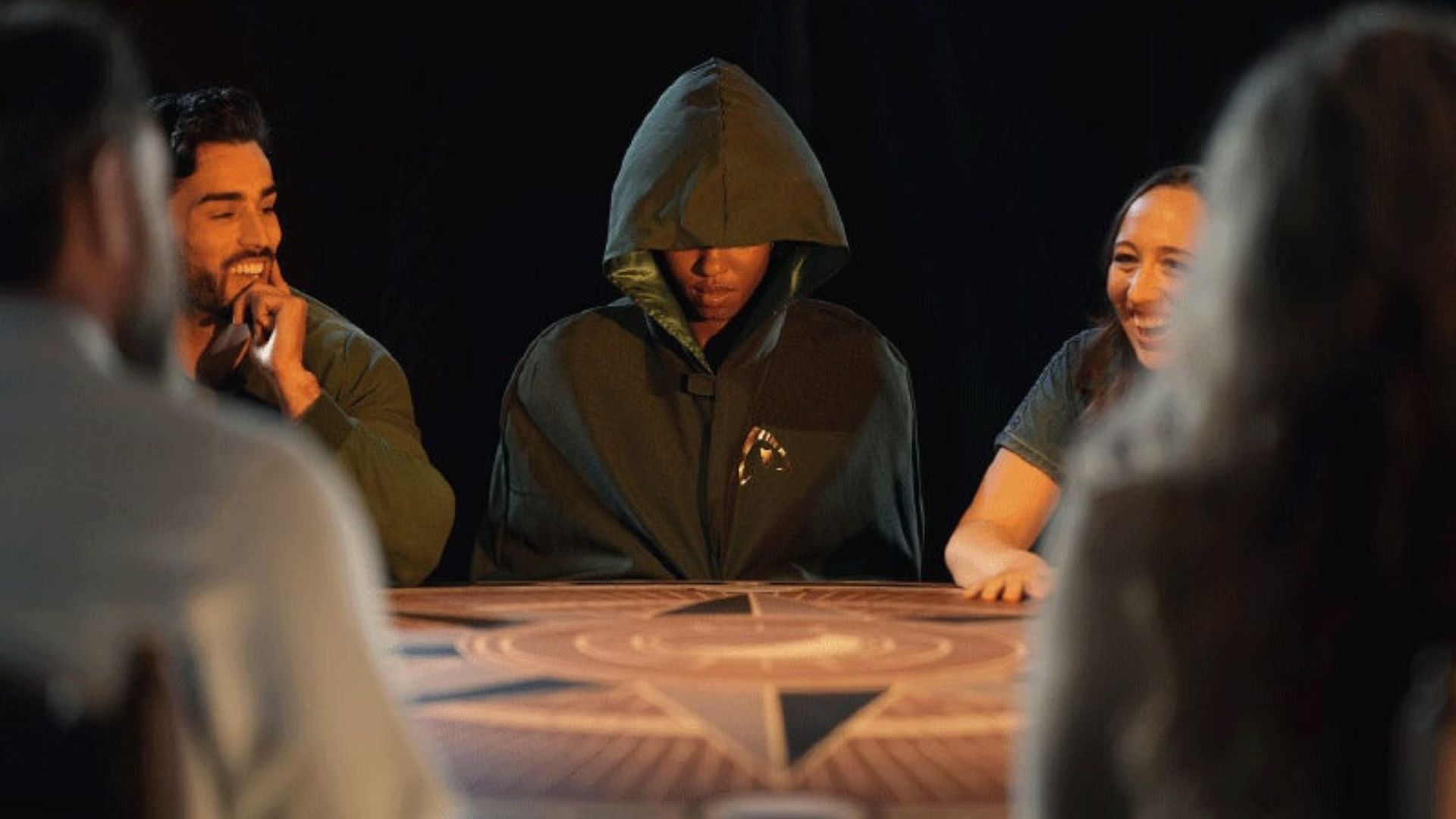
Production takes place in an isolated setting, such as a historic castle in the Scottish Highlands or international equivalent locations, where a sequestered group of contestants—divided secretly into Faithfuls and Traitors—compete for a cash prize. Because the show relies heavily on narrative pacing, intricate mission editing, dramatic roundtable banishments, and spoiler prevention, live broadcasting is structurally impossible. Understanding how these seasons are captured, edited, and protected reveals the complex mechanics behind one of modern television's most popular psychological thrillers.
The Production Timeline: How and When The Traitors Is Filmed
To understand why The Traitors cannot be broadcast live, one must examine the compressed, intense production schedule required to capture a season. A typical season of The Traitors—regardless of whether it is the British, American, Australian, or international iterations—is shot continuously over a period of roughly two to three weeks.
Instead of airing episodes concurrently with the timeline of events as they happen in real life, production companies wrap principal photography entirely before a single episode hits television screens or streaming platforms. For example, a season airing in early 2026 was typically filmed months prior, often during the previous summer or autumn.
This production model provides several key advantages for the network and the production team:
- Contestant Sequestration: Players are completely cut off from the outside world, mobile phones, and internet access for the duration of filming to prevent spoilers and outside influence.
- Cinematic Styling: Directors and cinematographers use dramatic lighting, sweeping drone shots of the estate, and moody musical scoring that requires extensive post-production rather than live television switching.
- Complex Mission Design: Physical and mental challenges require significant setup, safety testing, and teardown time between competition rounds, which would create dead air in a live broadcast format.
Live Elements vs. Recorded Reality: Comparing Formats
Television reality competitions generally fall into two distinct operational categories: live-broadcast formats that rely on audience interaction and pre-recorded narrative formats that prioritize storytelling and mystery. The Traitors firmly belongs to the latter category, sharing structural similarities with game shows like Survivor or The Mole rather than talent shows like American Idol or Strictly Come Dancing.
| Feature Dimension | Live Broadcast Reality Shows | Pre-Recorded Reality Competitions (The Traitors) |
|---|---|---|
| Broadcast Timing | Broadcast in real-time or with minor time-delays. | Filmed months in advance of the premiere date. |
| Audience Influence | Viewers vote to save players, evict contestants, or determine winners. | Zero viewer participation; outcomes are determined entirely by gameplay. |
| Editing and Pacing | Live switching between camera angles; minor unedited errors. | Rigorous post-production narrative crafting, pacing, and scoring. |
| Spoiler Vulnerability | High risk of live broadcast mishaps, but final outcomes remain secret until votes tally. | High risk of long-term leaks due to the massive gap between filming and airing. |
This structural comparison highlights why live broadcasting would ruin the core premise of The Traitors. If the show were live, contestants would not be able to maintain the intense secrecy required for the Traitors' turret meetings, and viewers would lose the artfully constructed suspense built by editors who know the final outcome from day one.
The Role of Post-Production in Crafting the Narrative
Because The Traitors is entirely pre-recorded, post-production plays an indispensable role in transforming weeks of raw footage into a cohesive, suspenseful television series. A single day of filming in the castle involves multiple camera crews tracking individual players, capturing extended conversations in hallways, intense arguments at breakfast, and strategic maneuvering during missions.
Editors sift through hundreds of hours of material to construct individual episode arcs. This involves balancing screen time among contestants, highlighting foreshadowing clues that only make sense in retrospect, and capturing the genuine psychological toll the game takes on both Faithfuls and Traitors.
Key components of the post-production phase include:
- Sound Design and Scoring: Orchestral arrangements and atmospheric audio cues are layered over scenes to heighten tension during roundtable accusations.
- Host Voiceovers: Alan Cumming or international franchise hosts record additional narration and dramatic transitions in a recording booth long after principal photography has wrapped.
- Confessional Interviews: Side interviews with contestants are filmed throughout the production block in a dedicated confessional booth, allowing players to reflect on events with the benefit of hindsight—or to deliberately mislead viewers about their true intentions.
Safeguarding Secrets: How Spoilers Are Prevented
One of the greatest challenges of producing a pre-recorded reality competition in the digital age is maintaining confidentiality. Because months pass between the final day of filming and the broadcast of the finale, keeping the winner's identity a secret requires rigorous legal and operational protocols.
Cast members sign strict Non-Disclosure Agreements (NDAs) carrying severe financial penalties for unauthorized disclosures. Furthermore, production companies often take precautions such as filming multiple alternate endings or declining to inform the contestants themselves of the final broadcast details until the edit is locked. Despite these measures, the anticipation surrounding who survives the roundtable keeps fan communities actively theorizing online, analyzing contestant social media silence and travel histories for clues.
Frequently Asked Questions
Are the contestants' reactions at breakfast genuine?
Yes, the emotional reactions, shock at who was "murdered" overnight, and initial strategy discussions at the morning breakfast table are genuine. While producers may direct players to enter in a specific order for camera framing, the news of who was eliminated during the night is revealed to the remaining contestants in real time as they arrive.
Do the players go home every night during filming?
No. Contestants are sequestered in local accommodations (such as nearby hotels or estate lodgings) under strict supervision by production staff. They are not permitted to contact friends, family, or access news and social media until their time on the show—whether via murder, banishment, or reaching the finale—comes to an end.
Can viewers vote on who gets banished?
No. Unlike public-voted talent shows, The Traitors relies entirely on the internal mechanics of the game. Banishments at the roundtable and murders in the turret are decided solely by the contestants themselves based on deduction, suspicion, and strategy.
Is the castle where they film a real place?
Yes. The primary location for the English-language US and UK versions of the show is Ardross Castle, located in the Scottish Highlands. It is a genuine nineteenth-century baronial-style country house set within thousands of acres of parkland, though production utilizes local hotels for overnight crew and player lodging.
Conclusion and Next Actions
For viewers seeking to dive deeper into the world of psychological reality competitions, understanding that The Traitors is pre-recorded allows for a greater appreciation of its intricate editing and narrative structure. To enhance your viewing experience, pay close attention to the confessional interviews and subtle editing cues across episodes, as they often reveal how the winners successfully navigated the social minefield. When choosing your next television obsession, look for similar closed-set strategy formats that prioritize psychological gameplay and airtight pre-recorded storytelling over live audience spectacles.