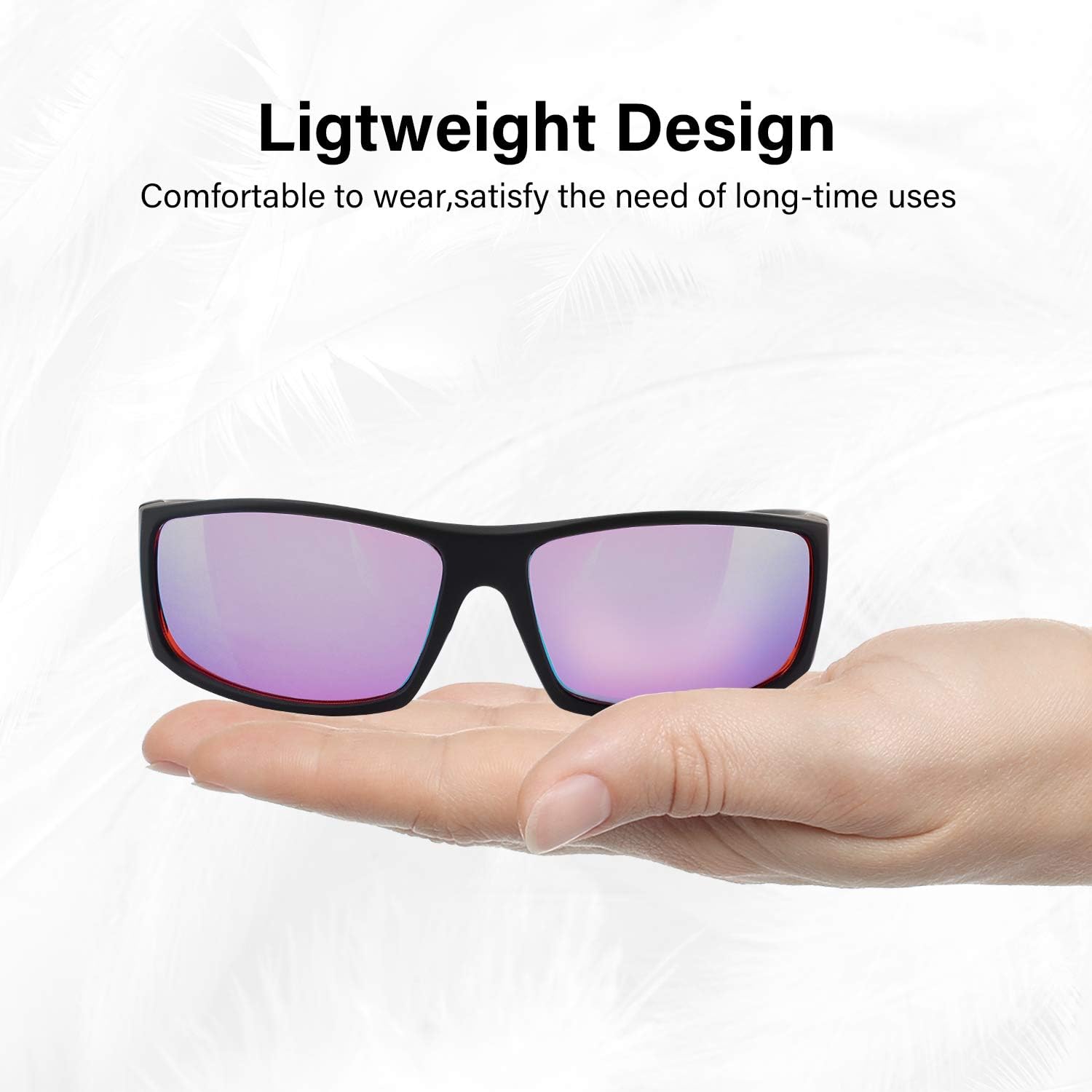
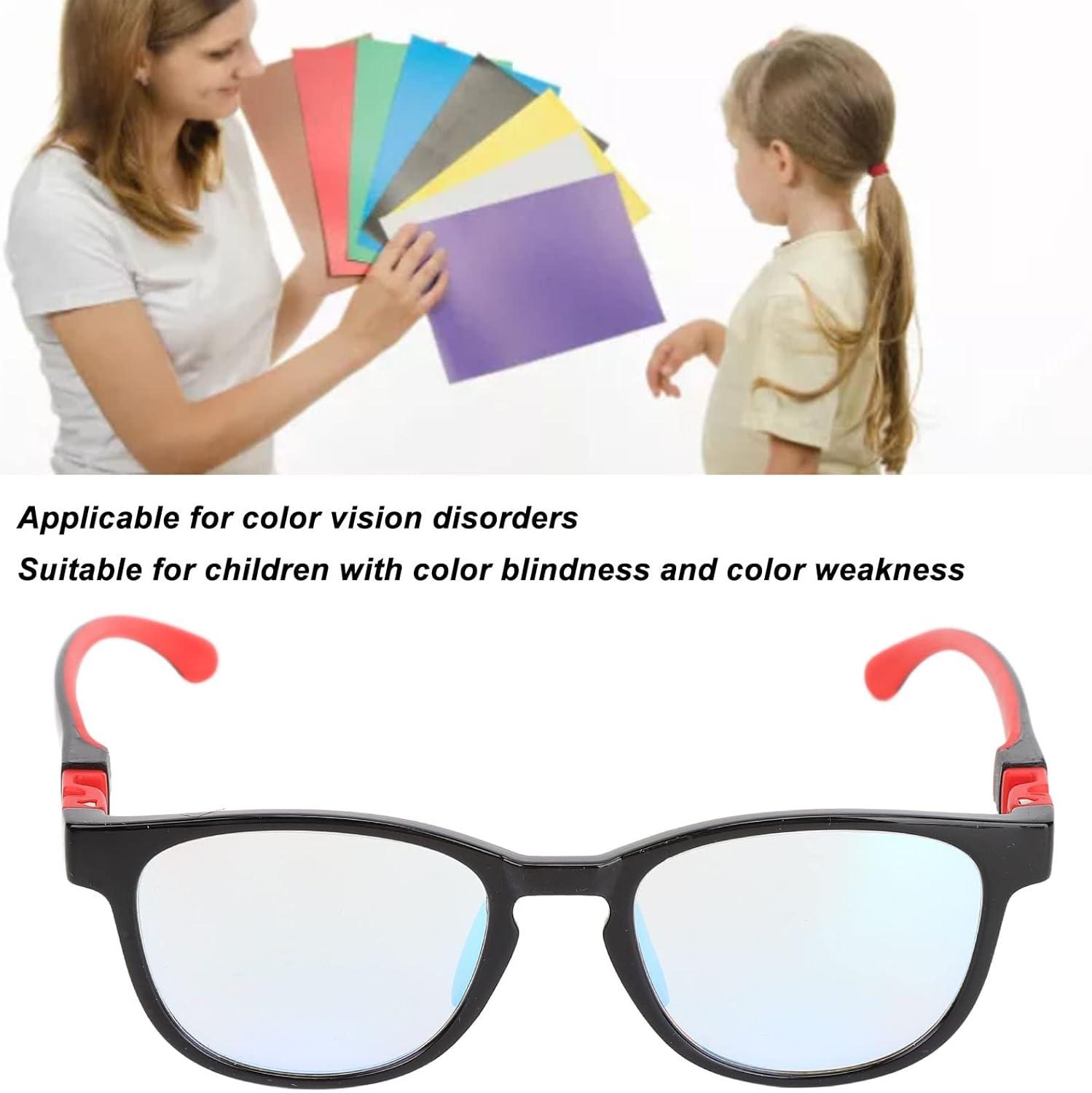
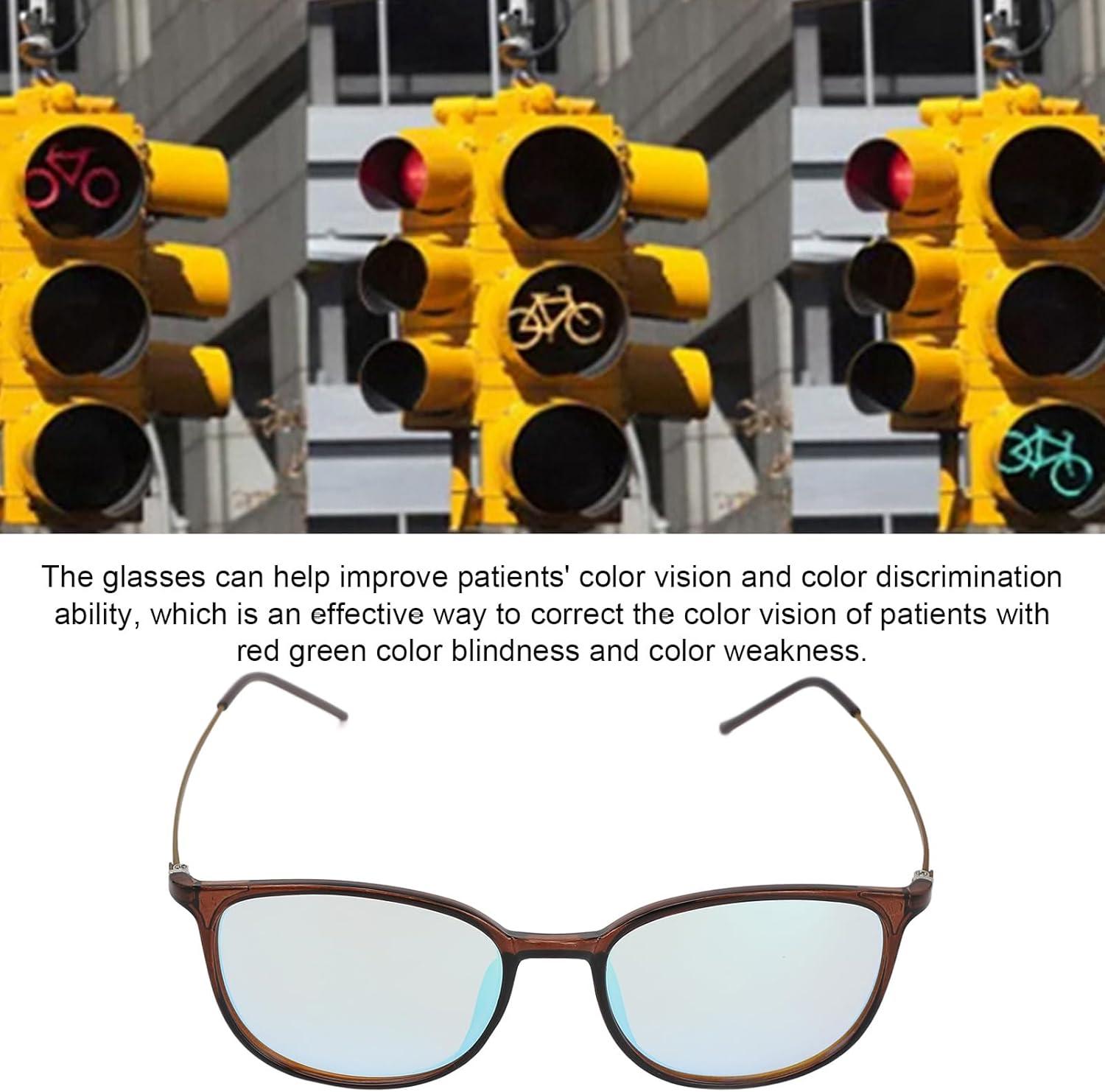
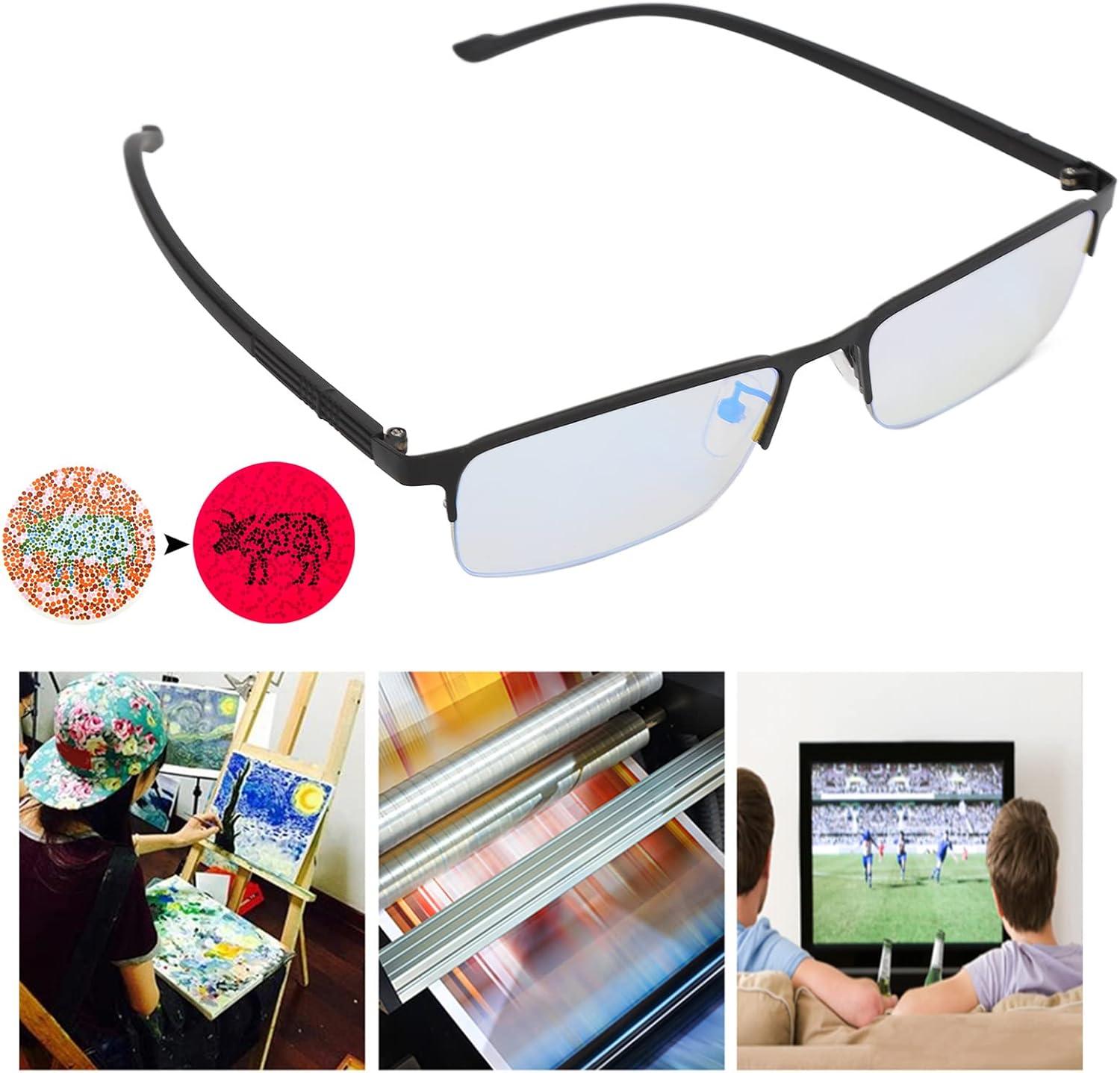
Yes, there are specialized glasses designed to assist individuals with color blindness, primarily addressing red-green color vision deficiencies. These optical devices use unique optical filters to enhance the separation between colors, helping wearers perceive a broader or more vivid spectrum, though they do not cure the underlying genetic condition.
Color vision deficiency (CVD), commonly referred to as color blindness, affects millions of people worldwide. For those who experience it, navigating a world built around standard color spectrums can introduce daily challenges, ranging from interpreting traffic signals and cooking meat to selecting matching clothing and analyzing color-coded data charts. Because of these challenges, the market for optical aids has expanded significantly. Understanding what these specialized glasses can and cannot do requires a thorough look into the mechanics of human vision, the physics of optical filtering, and the practical realities of wearing these devices.
The Science of Color Vision and Deficiency
To understand how color-correcting glasses function, it is essential to first understand how human eyes perceive color. The human retina contains two types of light-sensitive photoreceptor cells: rods and cones. Rods function best in dim lighting and do not perceive color. Cones operate in brighter light and are responsible for color vision and sharp visual acuity.
A person with standard vision typically has three types of cones, known as trichromacy. These cones are sensitive to short (blue), medium (green), and long (red) wavelengths of light. Color vision deficiency typically occurs when one or more of these cone types overlap excessively in their sensitivity ranges or function incorrectly.
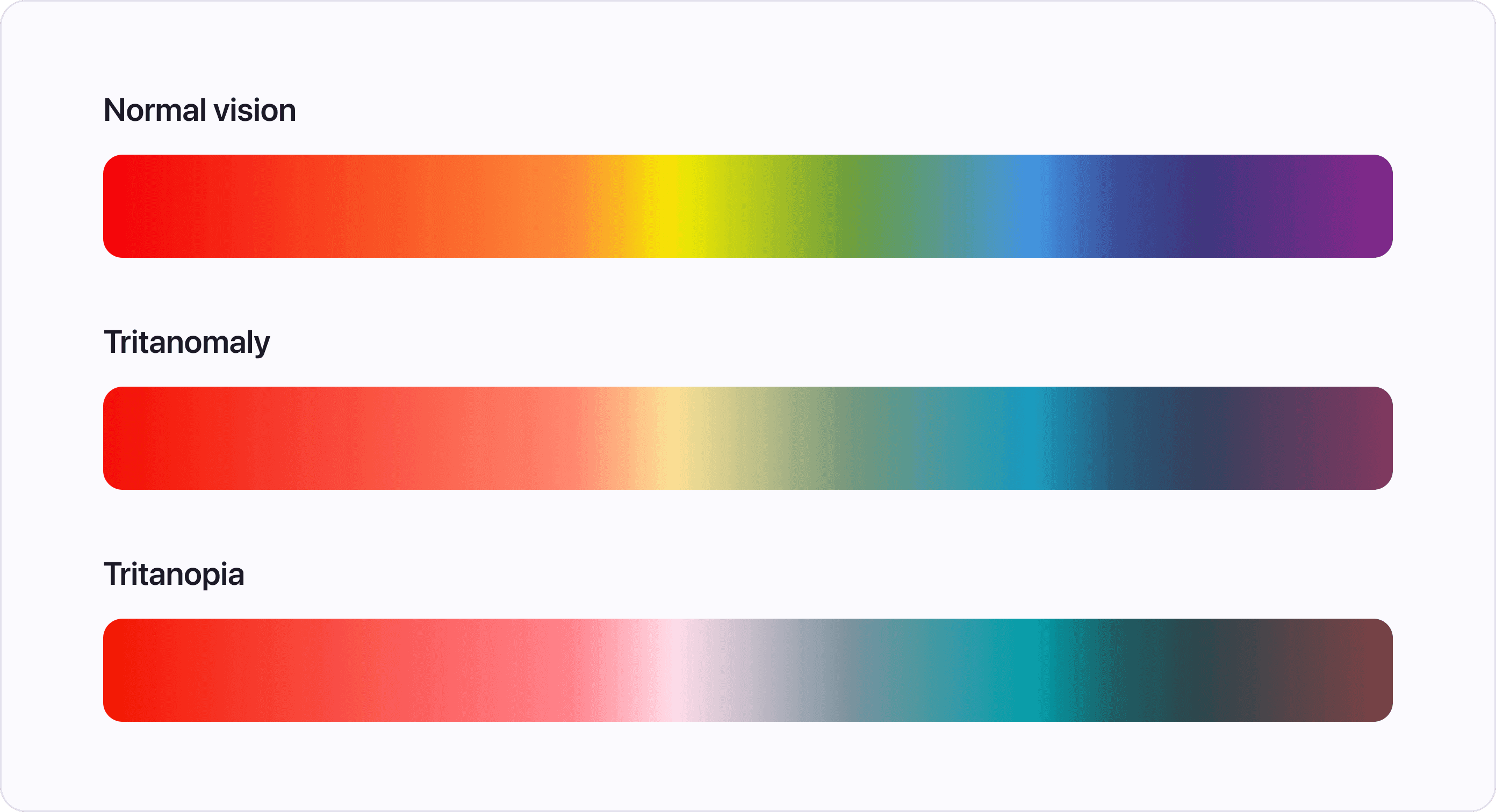
The most common form is red-green color blindness, which manifests in two primary variations:
- Deuteranomaly: The medium-wavelength (green) cones are abnormal, shifting their peak sensitivity toward the red spectrum. This is the most frequent form of color blindness.
- Protanomaly: The long-wavelength (red) cones are abnormal, shifting their peak sensitivity toward the green spectrum.
- Deuteranopia and Protanopia: These are more severe forms where either the green or red cones are entirely missing.
When the sensitivity curves of red and green cones overlap too much, the brain struggles to distinguish between wavelengths, leading to confusion between hues like red, green, brown, and orange.
How Color-Correcting Glasses Work
Specialized glasses for color blindness do not alter the biological receptors in the eye or change the genetic code responsible for CVD. Instead, they act as sophisticated optical filters placed between the environment and the wearer's eyes.
The Mechanics of Notch Filtering
The core technology behind modern color-blind glasses involves mineral or synthetic optical filters embedded within the lenses. These filters are engineered to absorb specific wavelengths of light right at the intersection where the red and green cone sensitivity curves overlap.
By cutting out a narrow band of light wavelengths in this overlap zone, the filter reduces the amount of mixed signal reaching the eye. This creates a sharper separation or "notch" between what the red cones perceive and what the green cones perceive. When the overlapping signals are suppressed, the brain receives distinct inputs from each cone type, allowing the wearer to perceive a greater contrast between reds and greens.
Limitations of Optical Filtering
While this technology can dramatically alter how a wearer perceives certain scenes, it operates on a subtractive principle. By blocking specific wavelengths of light, the lenses actually reduce the total amount of light entering the eye. Consequently, these glasses are generally not suitable for night driving or low-light environments, as they darken the overall visual field. Furthermore, they are primarily engineered for anomalous trichromacy (mild to moderate red-green deficiencies). Individuals with complete dichromacy (such as protanopia or deuteranopia, where an entire set of cones is absent) typically experience minimal to no benefit from these lenses, as there are no functional cones to stimulate even with improved spectral separation.
Types of Color Blindness Solutions Available
The market for color vision correction has evolved from basic tinted lenses into sophisticated optical engineering. Consumers generally encounter two primary methods of optical assistance: outdoor lenses and indoor lenses.
| Lens Category | Primary Environment | Ideal User Profile |
|---|---|---|
| Outdoor EnChroma Lenses | Bright sunlight, open-air settings | Mild/Moderate Protanomaly or Deuteranomaly |
| Indoor EnChroma Lenses | Controlled indoor lighting, screens | Mild/Moderate Protanomaly or Deuteranomaly requiring color work |
| Standard Tinted Lenses (Red/Pink tints) | General use | Low-cost alternative, minimal scientific verification |
Advanced Engineered Lenses (e.g., EnChroma)
The most widely recognized commercial advancement in this field comes from companies like EnChroma, which developed patented optical notch-filtering lenses. These lenses are tailored specifically to address the red-green overlap issue. They are split into outdoor versions, which require high ambient light levels to function effectively, and indoor versions, which are optimized for the artificial lighting spectra found in offices, schools, and homes.
Alternative Technologies and Specialized Tints
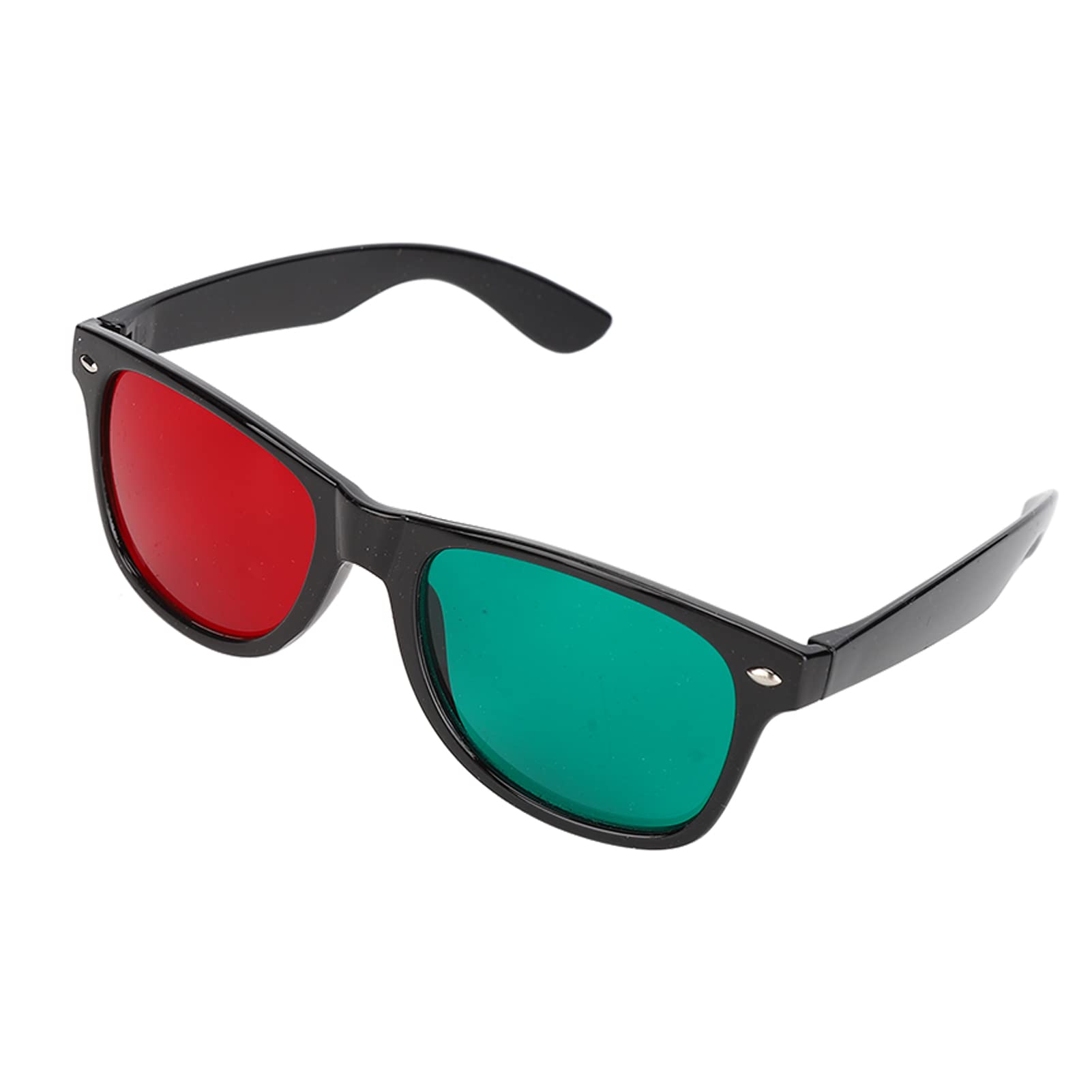
Historically, individuals used simple colored filters, such as the X-Chrom lens (a deep red contact lens worn over one eye) or spectacles with magenta tints. These older methods work by forcing one eye to see primarily red and the other eye to see the normal spectrum, relying on the brain to merge the disparate images. While less common today due to issues with depth perception and binocular rivalry, they represent an earlier milestone in optical assistance for color vision.
Evaluating Effectiveness: What to Expect
Managing expectations is crucial for anyone considering color-correcting glasses. Marketing materials often feature dramatic videos of individuals experiencing these lenses for the first time, frequently capturing emotional reactions to newly perceived colors like vibrant autumn leaves or brilliant sunsets. While these reactions are genuine, they do not represent a universal experience.
- Adaptation Period: The human brain is accustomed to interpreting a specific, albeit limited, color palette. When new optical filters introduce enhanced contrast, the brain requires time to adapt. Optometrists and manufacturers often recommend wearing the glasses consistently for one to two weeks in various environments to allow the visual cortex to process the new data accurately.
- Individual Variation: Because no two cases of color blindness are identical, the effectiveness of the lenses varies widely from person to person. Two individuals with the same clinical diagnosis of deuteranomalous trichromacy may report entirely different levels of improvement.
- Color Matching vs. Color Naming: It is important to note that these glasses do not teach the wearer the socially accepted names of colors. A person who has lived their entire life calling a certain shade "green" will still see that shade differently through the glasses, but they must still learn to associate that altered visual perception with the correct terminology.
Practical Considerations and Professional Guidance
Before investing in specialized eyewear, prospective buyers should carefully review several practical and financial factors to ensure the product matches their daily needs.
Professional Eye Exams
It is vital to undergo a comprehensive eye examination by a qualified optometrist or ophthalmologist before purchasing color-blind glasses. Color vision deficiencies can sometimes be acquired later in life due to underlying medical conditions, ocular diseases, or neurological issues, rather than being inherited genetically. A professional evaluation rules out progressive eye diseases and ensures that the prescription for any accompanying nearsightedness or farsightedness is accurate. Many manufacturers offer prescription versions of their color-correcting lenses, allowing wearers to combine vision correction with color enhancement.
Cost and Return Policies
High-end color-correcting glasses represent a significant financial investment, with specialty frames and optical filters often costing hundreds of dollars. Because individual results vary unpredictably, buyers should carefully examine return policies and trial periods. Reputable providers typically offer a money-back guarantee within a specified window, allowing users to test the glasses in their actual work and home environments before making a permanent commitment.
Occupational Implications
Many prospective buyers hope that color-correcting glasses will allow them to pass strict occupational color-vision tests, such as those required for aviation, law enforcement, electrical work, or the military. However, regulatory bodies and safety agencies generally do not permit the use of corrective lenses during official color vision screening examinations. The tests are designed to measure intrinsic physiological capability rather than aided perception. Therefore, while the glasses may assist with daily tasks, they rarely bypass occupational qualification barriers.
Frequently Asked Questions
Can color-blind glasses completely cure color blindness?
No. Color blindness is typically a genetic condition caused by structural variations in the cone cells of the retina. Specialized glasses use optical filters to enhance contrast between specific wavelengths of light, but they do not alter the physical cells or DNA of the eye. They serve as a visual aid rather than a permanent cure.
Will these glasses work for everyone with color blindness?
No. These glasses are primarily designed for individuals with anomalous trichromacy—specifically mild to moderate red-green color deficiencies like deuteranomaly and protanomaly. People with complete color blindness (achromatopsia) or severe dichromacy (complete absence of red or green cones) will not experience meaningful benefits from optical notch filters.
Can I wear color-correcting glasses while driving at night?
No. Because optical notch filters work by absorbing specific bands of light, they reduce the overall amount of light entering the eye. Wearing them in low-light conditions or at night can dangerously impair night vision and visibility on the road.
Are color-correcting glasses covered by health insurance?
Generally, no. Most health insurance providers and vision care plans classify color-correcting specialized lenses as cosmetic or lifestyle enhancements rather than medically necessary corrective devices, meaning patients usually pay out of pocket.
How do I know which type of color blindness I have?
The most accurate way to determine your specific type and severity of color vision deficiency is through a professional clinical evaluation. Optometrists use standardized diagnostic tools such as the Ishihara color plates test or the Farnsworth-Mancuso 100-Hue test to assess your exact color spectrum thresholds.
Next Steps for Prospective Buyers
If you or a loved one are considering color-correcting glasses, begin by taking a reputable online screening test to understand your general category of deficiency. Following this preliminary check, schedule an appointment with an eye care professional to confirm the diagnosis and check for any concurrent refractive errors. Finally, research manufacturers that offer transparent trial periods and return policies, ensuring you have the opportunity to test the optical performance in your personal environment before finalizing your purchase.