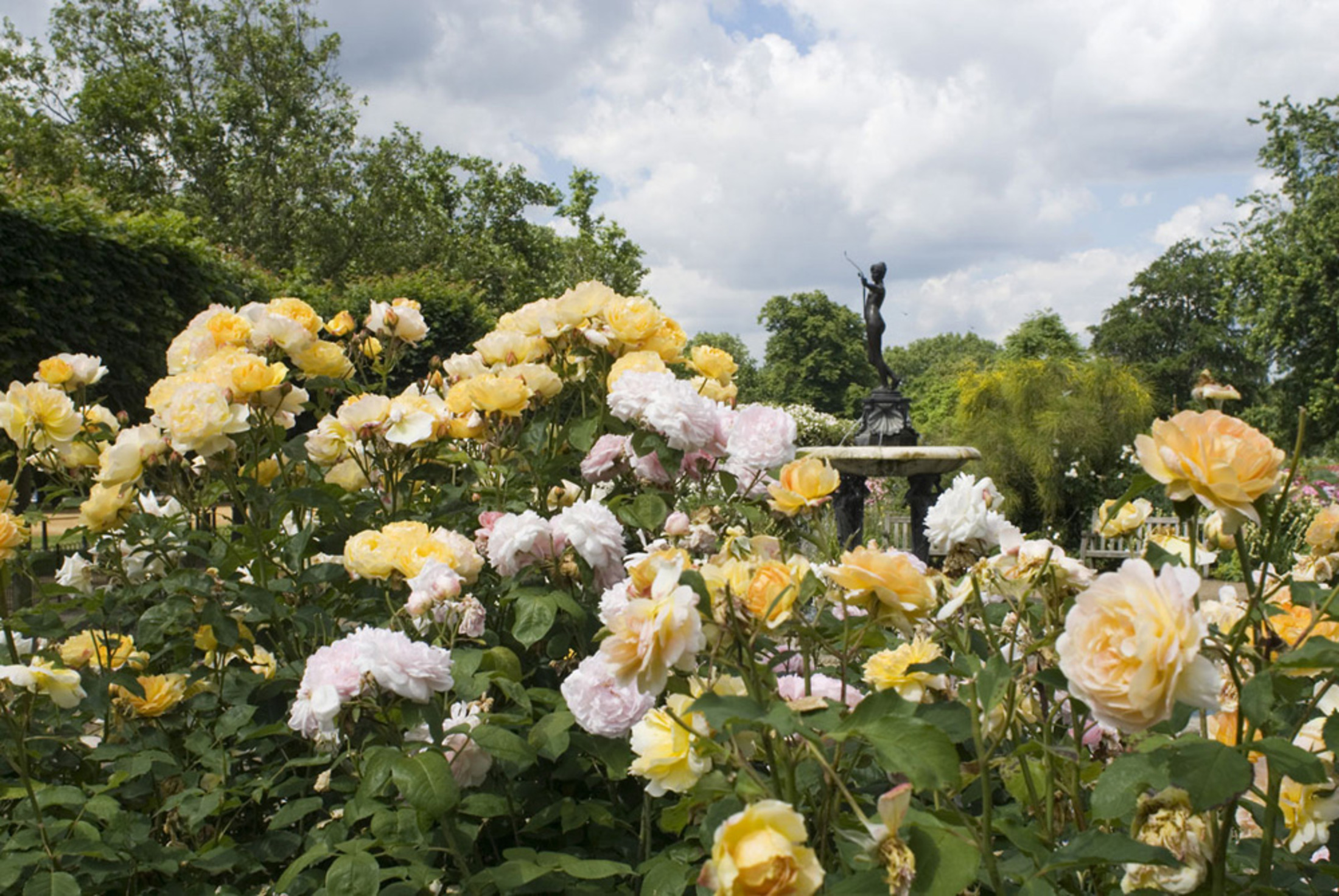
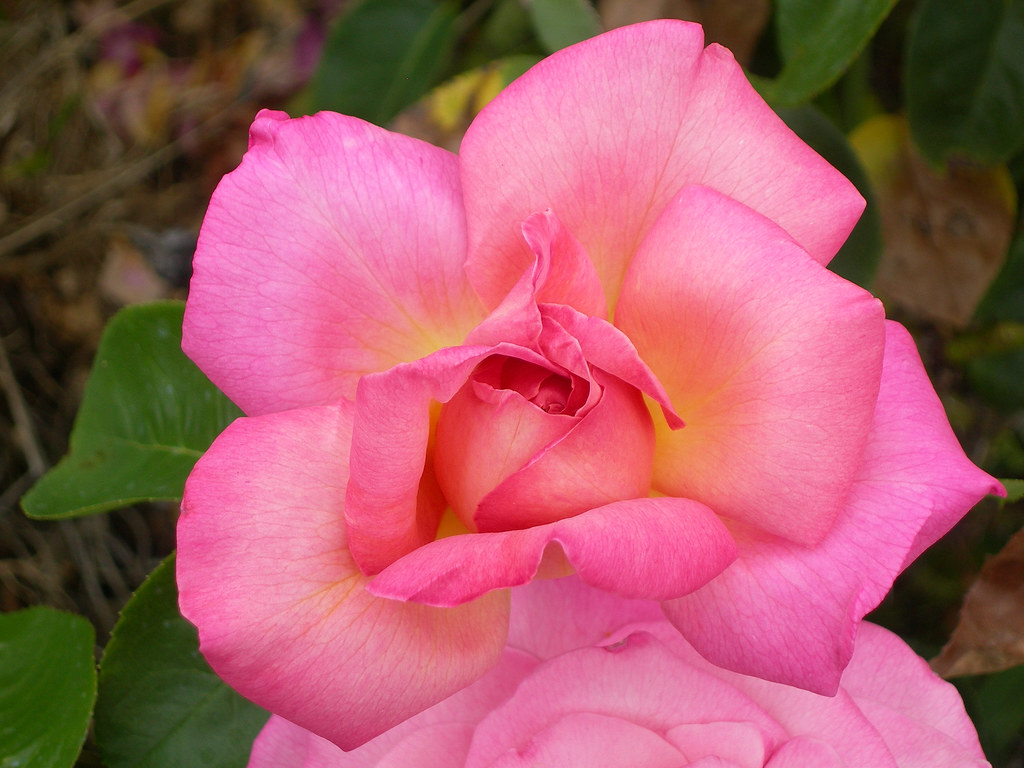
The historic Rose Garden at the White House continues to feature roses, though its horticultural composition, physical layout, and aesthetic balance have evolved significantly through various administrations and recent redesigns. Visitors and horticulture enthusiasts frequently ask whether the iconic blooms remain, especially following high-profile architectural and landscape modernizations.
The Historical Genesis and Cultural Significance of the White House Rose Garden
To understand the present status of the flora within the executive grounds, one must examine the deep historical roots of the space. Originally established as a colonial garden under various early presidential administrations, the designated plot on the West Wing lawn was formally formalized and redesigned into a cohesive landscape feature during the administration of Woodrow Wilson. However, the modern concept of the White House Rose Garden as a stage for statecraft, diplomacy, and public address owes its existence to President John F. Kennedy and First Lady Jacqueline Kennedy.
In 1961, First Lady Jacqueline Kennedy enlisted the expertise of legendary landscape architect Rachel Lambert "Bunny" Mellon to redesign the grounds. Mellon drew inspiration from French formal garden design while incorporating classic American plants, establishing a structured center lawn surrounded by dense flower beds. At the heart of this design were hundreds of rose bushes, chosen specifically for their hardiness, fragrance, and continuous blooming capability in the mid-Atlantic climate.
For decades, this layout served as an enduring backdrop for presidential press conferences, bill signings, and outdoor receptions. The presence of roses was not merely decorative; it was a foundational design principle. Over the years, individual presidents have left their personal marks on the garden, introducing new cultivars, adjusting stone pathways, and adapting the horticultural management strategies to meet changing environmental and structural requirements.
The 2020 Redesign: Restructuring the Grounds and Plant Selection
A major inflection point in the modern history of the garden occurred in the summer of 2020. Under the direction of First Lady Melania Trump, and executed in collaboration with the Committee for the Preservation of the White House and the National Park Service, the garden underwent a comprehensive revitalization and modernization project. This renovation aimed to address longstanding drainage problems, improve accessibility compliance under the Americans with Disabilities Act (ADA), update electrical and broadcasting infrastructure, and refresh the aging plant material.
The physical footprint of the garden was altered to create a more functional space for modern media events and formal ceremonies. The wide flower beds that immediately bordered the colonnade were narrowed and paved with limestone borders, creating cleaner sightlines and more robust walking paths. Crucially, these modifications led to the removal of several mature crabapple trees and a significant portion of the existing rose bushes, sparking widespread public discussion and media inquiry regarding the survival of the roses.
Despite the structural changes, the horticultural plan explicitly preserved the rose as the dominant botanical feature. The redesigned layout introduced a strict color palette and a more formal arrangement. The newly installed plants were selected for disease resistance, longevity, and continuous seasonal color, ensuring that the garden lived up to its historic moniker without sacrificing modern utilitarian needs managed by the National Park Service groundskeepers.
Horticultural Composition: Which Rose Cultivars Grow in the Garden?
Maintaining a world-class public rose garden requires rigorous horticultural management, selection of specialized cultivars, and constant monitoring for common rose maladies such as black spot, powdery mildew, and aphid infestations. The National Park Service horticulture team, in coordination with expert horticulturists, selects varieties capable of thriving in United States Department of Agriculture (USDA) Hardiness Zone 7b.
The plant inventory within the garden has historically featured a mix of hybrid teas, floribundas, and shrub roses. These varieties offer distinct advantages in terms of bloom size, color saturation, and seasonal endurance:
- Hybrid Tea Roses: Known for their classic, high-centered blooms on long stems, these cultivars provide traditional elegance and intense fragrance. They require careful pruning and intensive disease management.
- Floribunda Roses: These produce clusters of blooms rather than single flowers on a stem, ensuring a dense, continuous display of color across the garden beds throughout the growing season.
- Shrub and Landscape Roses: Modern shrub roses offer superior disease resistance and require less chemical intervention, making them ideal for the rigorous climate swings of Washington, D.C., summers and winters.
| Rose Classification | Primary Characteristics | Maintenance Requirements | Typical Bloom Period |
|---|---|---|---|
| Hybrid Tea | Large, solitary classic blooms; strong fragrance | High (frequent pruning, strict disease control) | Late May through October |
| Floribunda | Dense clusters of flowers; continuous color | Moderate to High (regular deadheading) | June through first frost |
| Shrub / Landscape | High disease resistance; versatile growth habit | Low to Moderate (minimal seasonal shaping) | May through October |
Maintenance, Climate Challenges, and Seasonal Cycles
The operational management of the White House botanical landscape is an ongoing, year-round discipline handled by professional groundskeepers and horticulturists. Washington, D.C., experiences humid, hot summers and variable winters, which present specific challenges for rose cultivation. Soil compaction from heavy foot traffic, limited root zones due to underground infrastructure, and fluctuating moisture levels require sophisticated irrigation and soil amendment protocols.
During the winter months, rose bushes enter dormancy and undergo heavy pruning. Groundskeepers cut back the canes to stimulate vigorous spring growth, apply protective mulch layers, and treat the soil with organic amendments to replenish nutrients. As spring arrives, monitoring begins for fungal pathogens that thrive in the humid mid-Atlantic atmosphere. Sustainable pest management practices, including beneficial insect introduction and targeted organic treatments, are frequently employed to protect the delicate flora without harming local pollinator populations.
Seasonal transitions dictate the visual character of the space. While roses form the permanent structural backbone of the garden beds, complementary perennials, boxwood hedges, and seasonal bulbs are integrated to maintain visual interest even when the roses are dormant. Spring brings tulips and flowering perennials, summer showcases the peak bloom of the rose cultivars, and autumn highlights the rich textures of ornamental grasses and fading foliage before the winter pruning cycle begins.
Frequently Asked Questions
Are there still roses in the White House Rose Garden?
Yes, roses remain the primary and defining botanical feature of the Rose Garden. While the garden underwent a major architectural redesign in 2020 that altered the bed layouts and removed some older specimens, new, disease-resistant rose varieties were installed to maintain the garden's traditional character.
What caused the 2020 changes to the Rose Garden?
The 2020 renovation was undertaken to address underlying infrastructural issues, including failing drainage systems, lack of ADA accessibility for modern events, and outdated broadcast and electrical wiring. The physical layout was modified to create broader limestone borders and more functional spaces for public events.
Who maintains the roses and grounds at the White House?
The grounds are maintained by the National Park Service in collaboration with the White House Chief Usher’s office and expert horticulturists. This team oversees daily care, seasonal pruning, pest management, and soil health across all executive estate grounds.
What types of roses are planted in the garden?
The garden features a curated selection of hybrid teas, floribundas, and resilient shrub roses. These varieties are specifically chosen for their ability to withstand the mid-Atlantic climate, resist common fungal diseases, and provide continuous blooms from late spring through the autumn months.
Can the public visit the Rose Garden?
General public access to the Rose Garden is restricted. It is not part of the standard White House public tour route. Access is typically limited to official presidential events, press briefings, and specialized educational or historical tours arranged through specific channels.
Conclusion and Current Status
The White House Rose Garden remains an active, meticulously maintained horticultural space defined by its signature blooms. Despite architectural modernizations and periodic landscape updates, roses continue to occupy the central focus of the executive grounds. Through expert management by the National Park Service, the garden bridges historic tradition with contemporary utility, ensuring that the legacy established by generations of presidential administrations endures through living, blooming plant life.