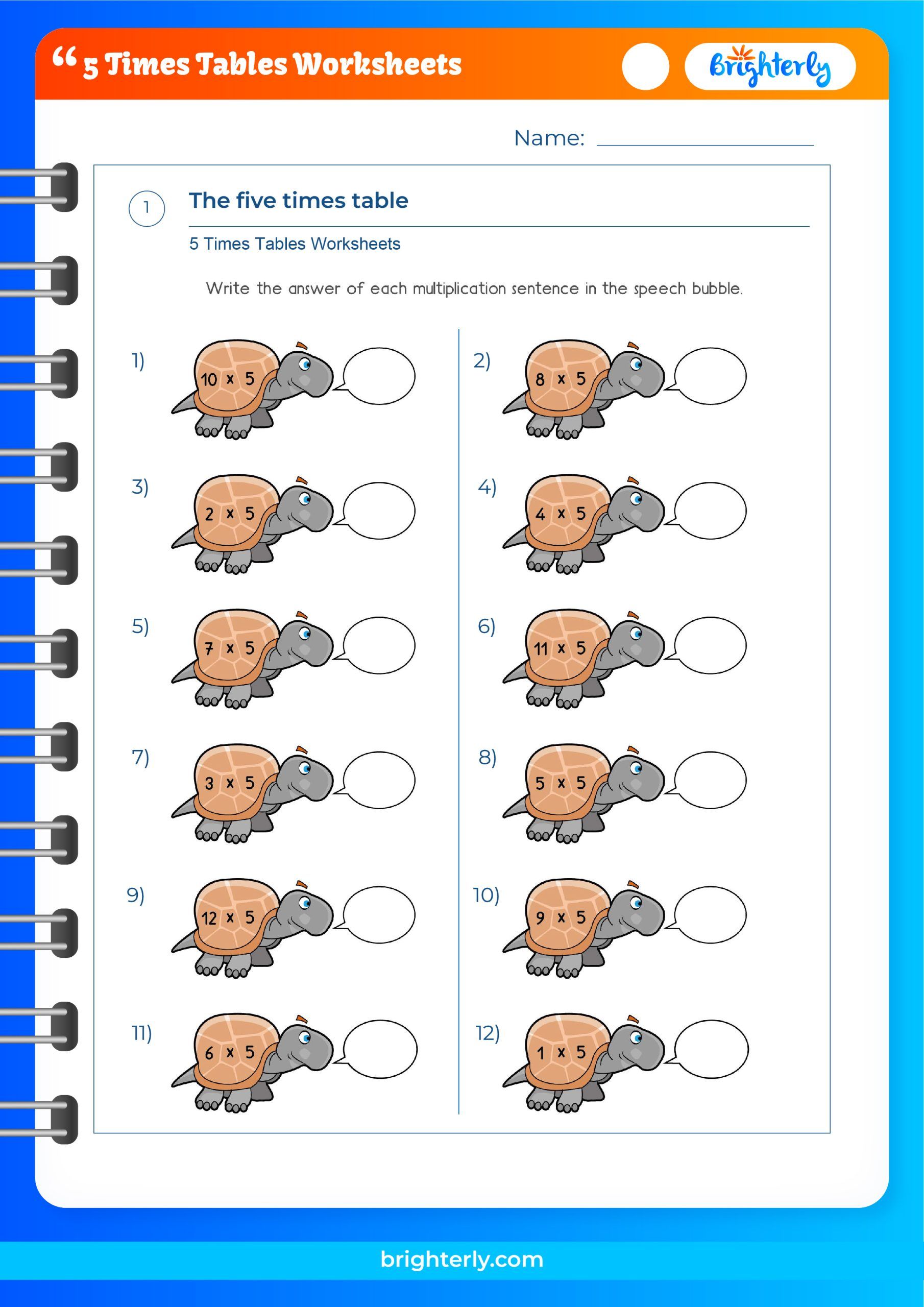
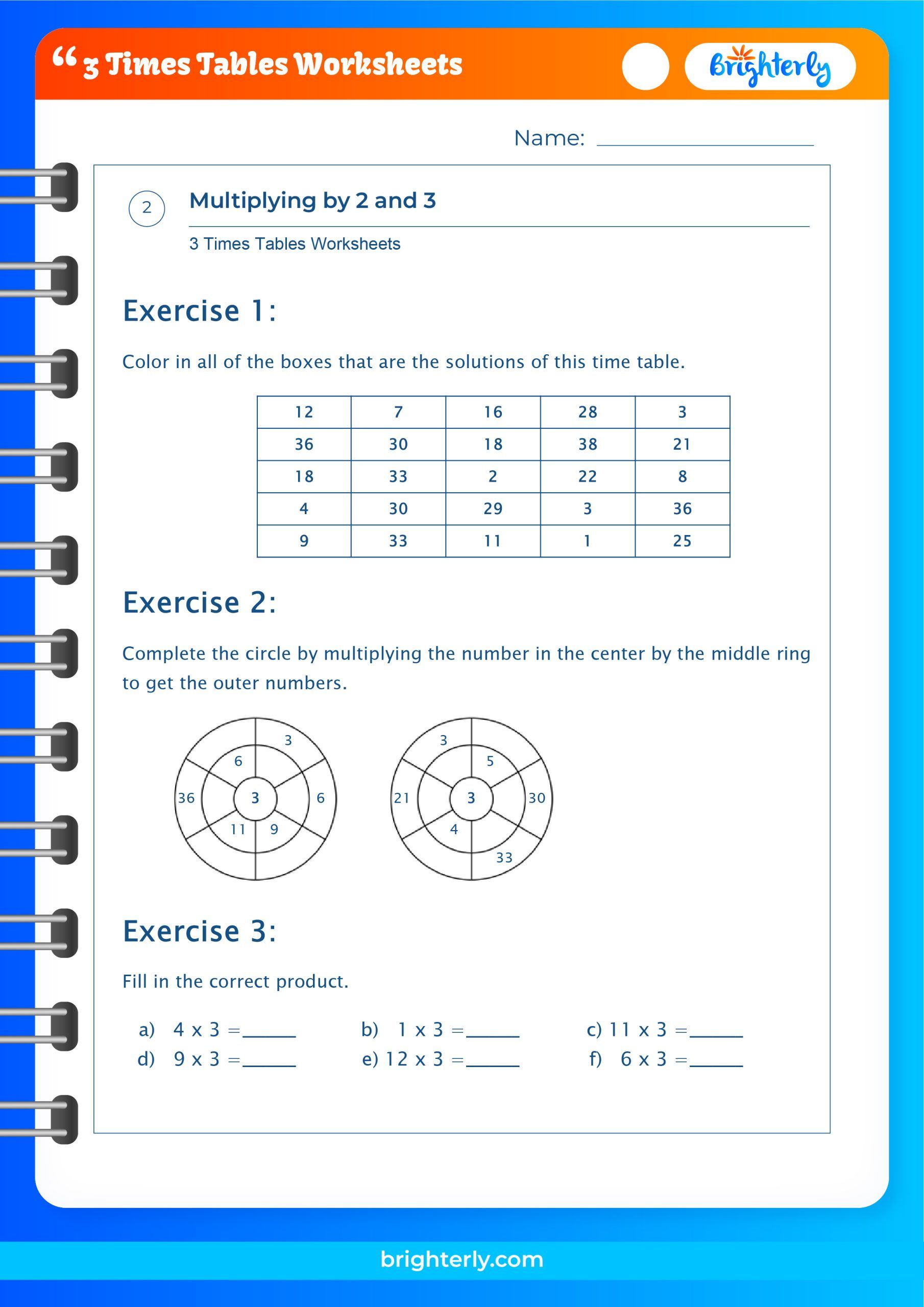
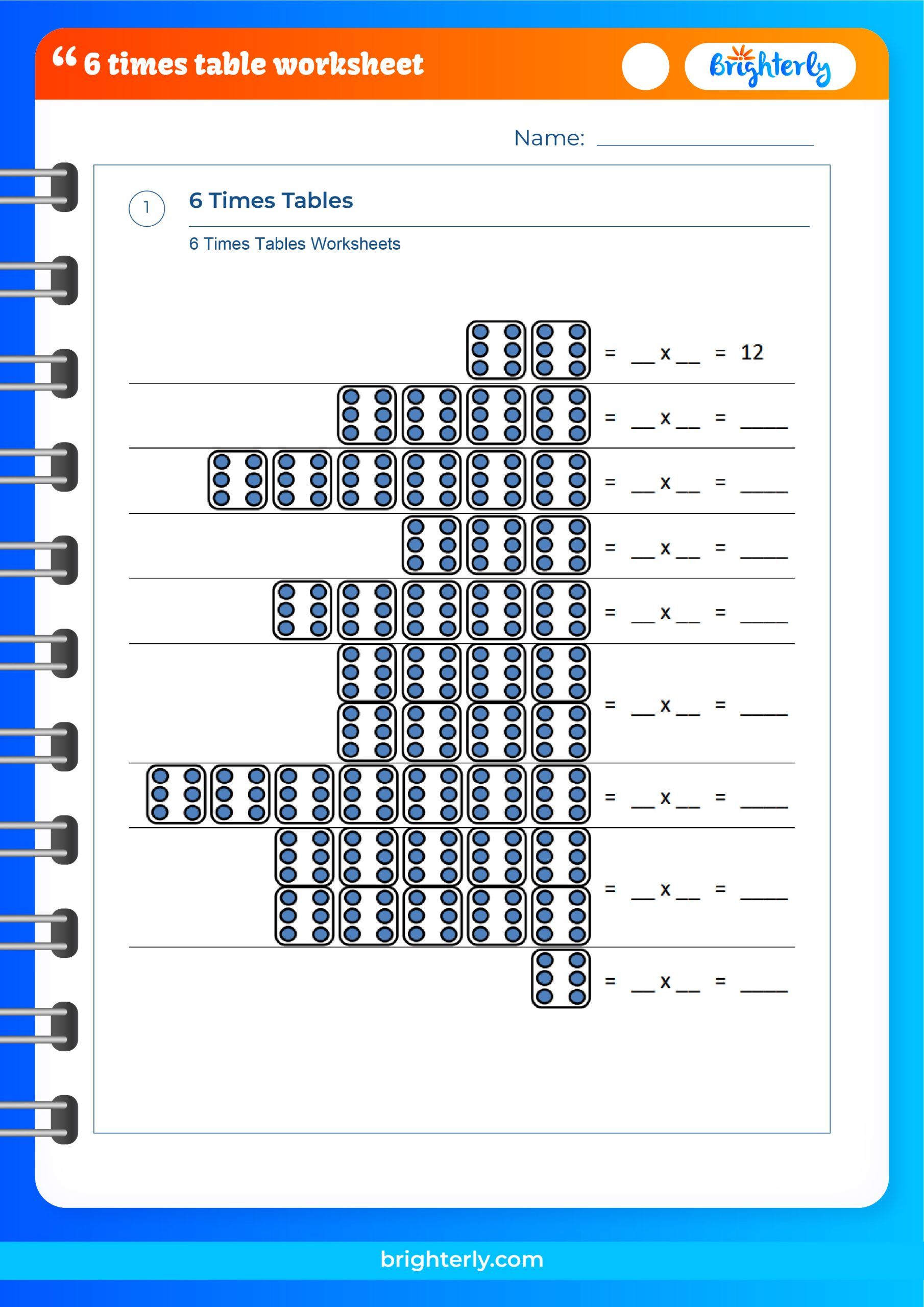
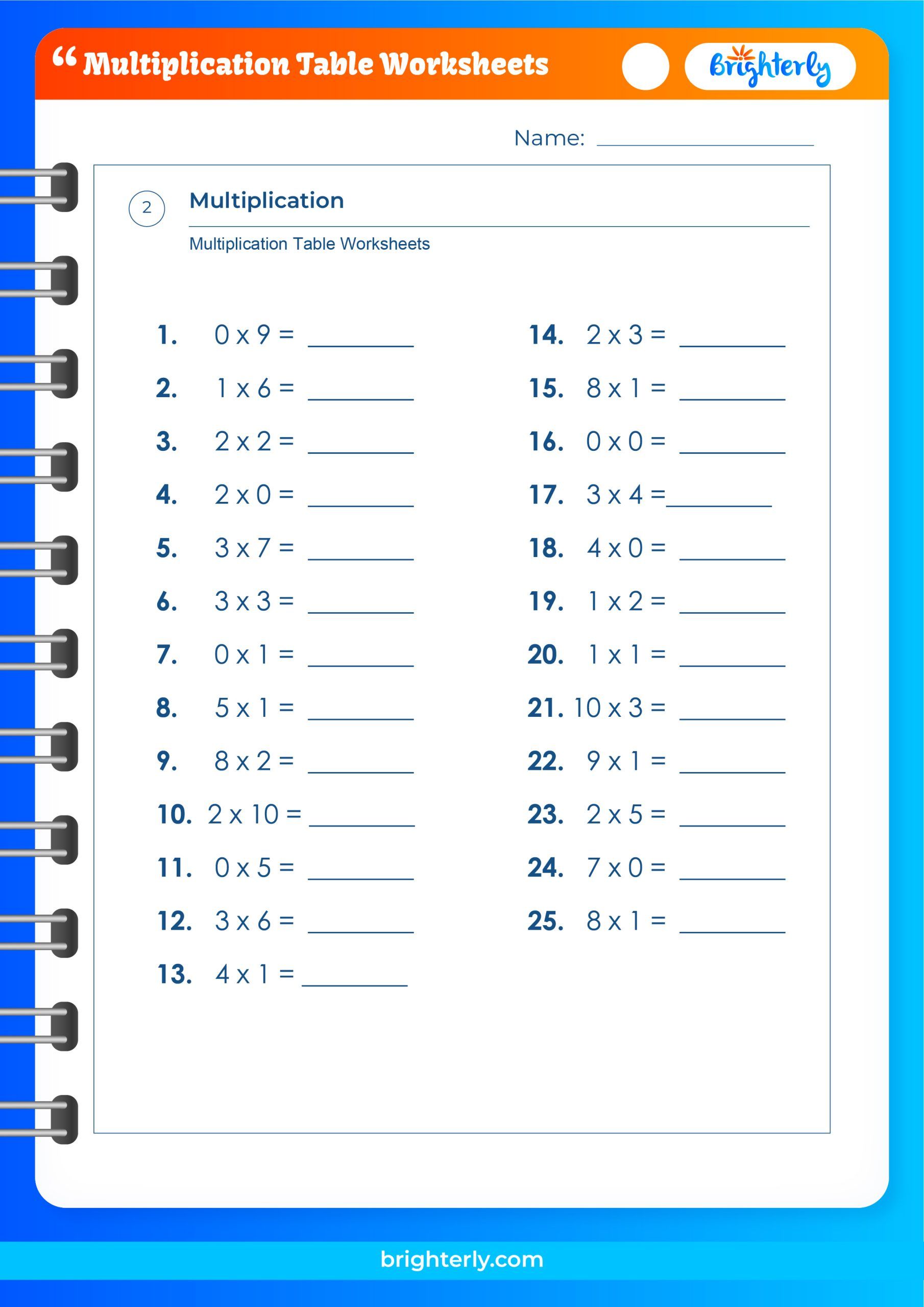
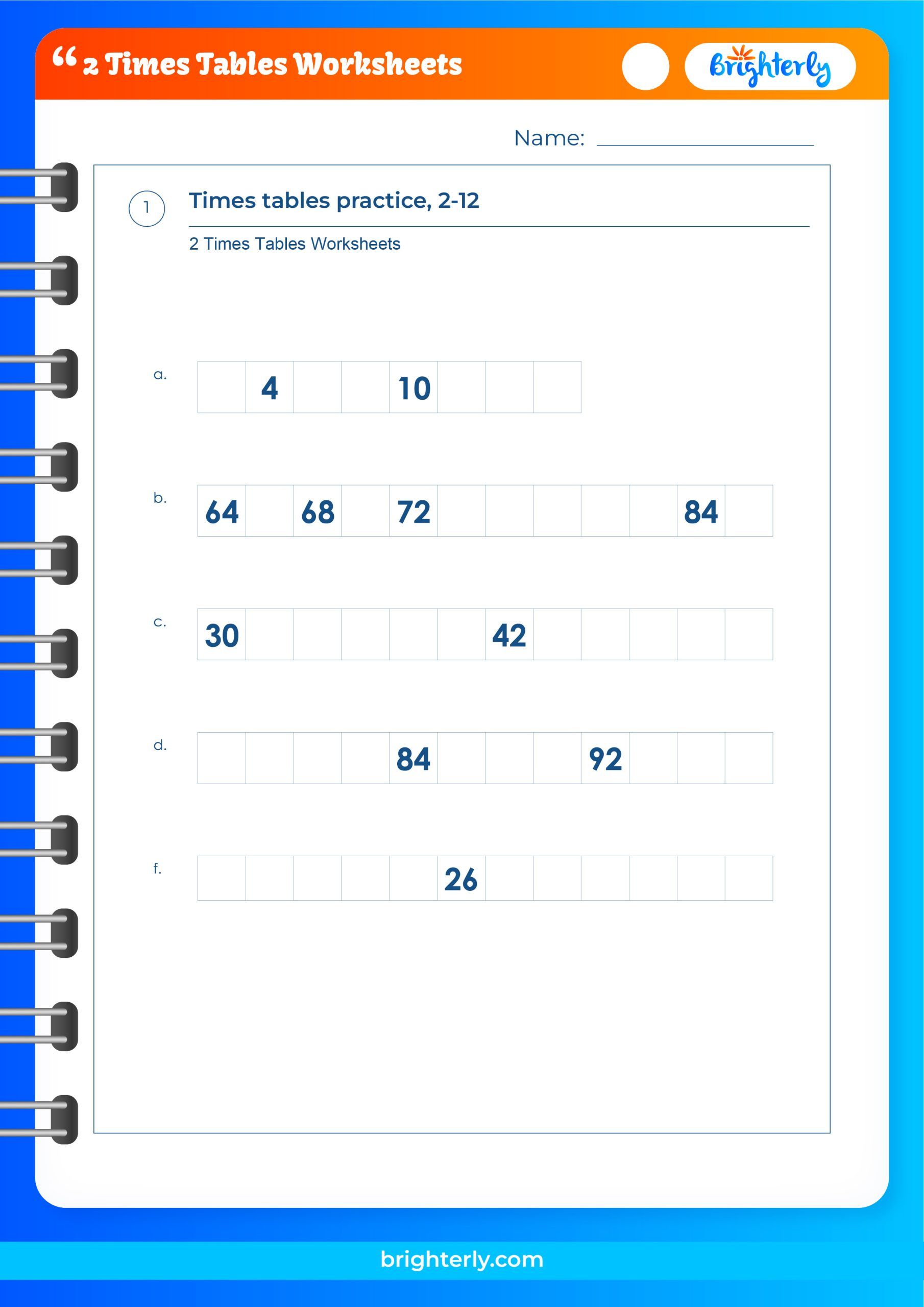
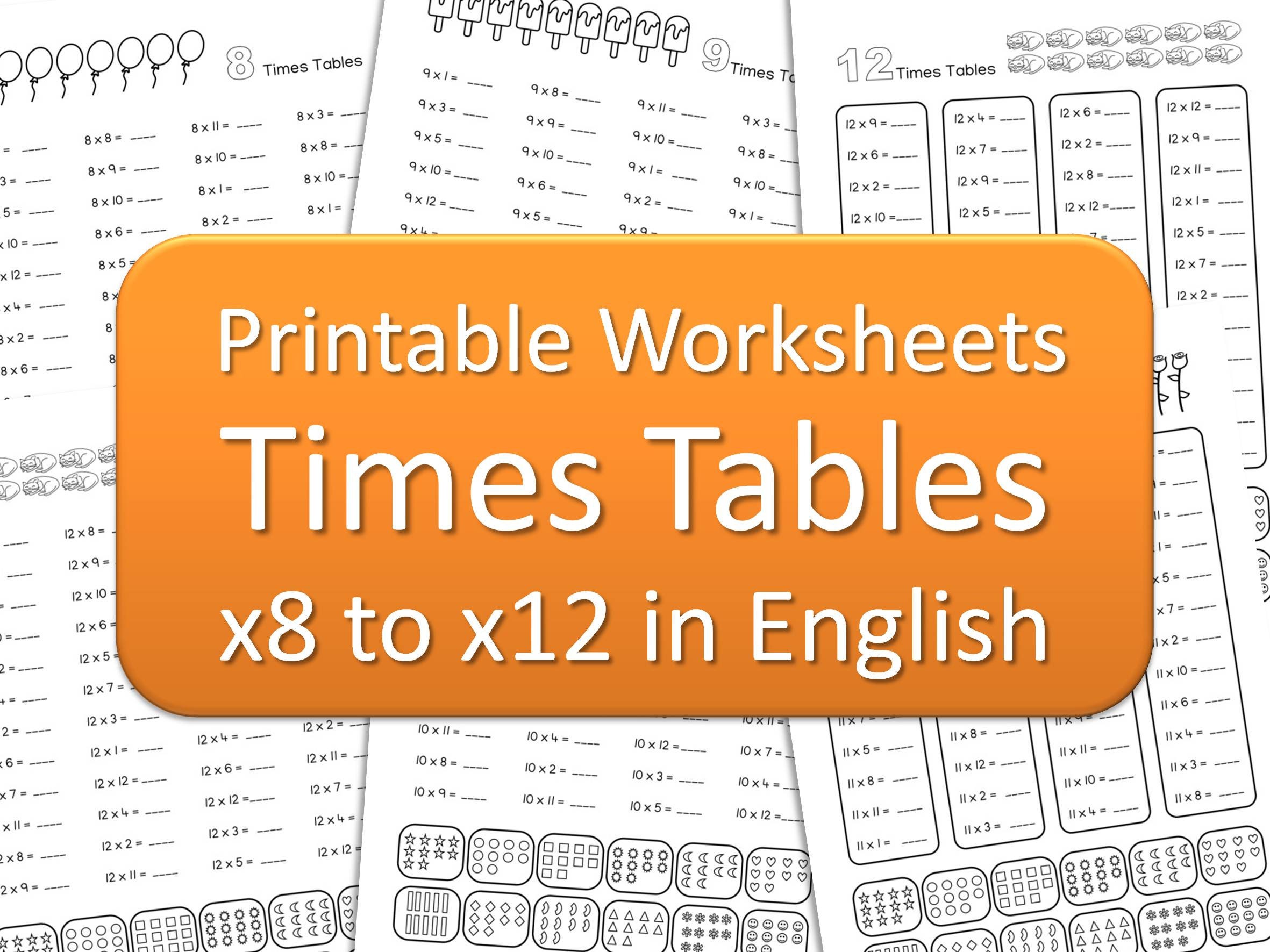
Time table worksheets remain a staple of early mathematics education, used by educators and parents worldwide to reinforce multiplication facts through repeated practice. When integrated thoughtfully alongside conceptual learning, manipulatives, and interactive games, these traditional paper-and-pencil exercises can be remarkably effective for building automaticity, cognitive fluency, and foundational math confidence in developing students.
Understanding the Role of Multiplication in Elementary Mathematics
Multiplication forms the backbone of the elementary and middle school mathematics curriculum. Without a secure, foundational grasp of multiplication facts—often referred to as times tables—children frequently encounter severe bottlenecks when attempting division, fractions, multi-digit multiplication, factoring, and algebraic reasoning. The human brain possesses a limited amount of working memory. When a student must spend precious cognitive bandwidth calculating basic arithmetic facts like seven times eight from scratch, fewer mental resources remain available for tackling complex problem-solving strategies, multi-step word problems, and higher-order mathematical concepts.
Time tables worksheets are designed to target this specific bottleneck by fostering mathematical automaticity. Automaticity is the ability to recall basic facts quickly, accurately, and effortlessly without conscious mental strain. When multiplication facts become automatic, they move from working memory into long-term memory retrieval. This frees the student's cognitive processing capacity to focus on understanding new, abstract mathematical ideas rather than getting bogged down in foundational calculations.
However, the educational community has long debated the best pathway to achieve this automaticity. Proponents of traditional methods advocate for structured, repetitive practice using worksheets, flashcards, and timed drills. Critics, on the other hand, argue that rote memorization can lead to math anxiety, disengagement, and a superficial understanding of mathematical relationships if practiced in isolation. To evaluate whether time table worksheets are truly effective, one must examine how they function pedagogically, the psychological principles of memory and learning, and how to balance them with conceptual understanding.
The Cognitive Science Behind Worksheets and Memory Retention
To understand the effectiveness of time table worksheets, it is necessary to examine cognitive psychology, particularly the spacing effect, retrieval practice, and cognitive load theory. Human memory is organized into sensory memory, working memory, and long-term memory. Moving information from the fragile working memory into the stable long-term memory requires deliberate, intentional effort.
Retrieval practice—the act of actively pulling information out of memory rather than passively rereading it—is one of the most robustly supported learning strategies in cognitive science. Time table worksheets serve as a structured medium for retrieval practice. Every time a child looks at the equation $6 \times 7 =$ and writes down $42$, their brain strengthens the neural pathway associated with that specific fact. Over time, repeated retrieval makes the pathway smoother, faster, and more permanent.
Furthermore, worksheets facilitate spaced repetition when administered consistently over days and weeks rather than crammed into a single grueling study session. Cognitive scientists have consistently demonstrated that spacing out practice intervals yields vastly superior long-term retention compared to massed practice (cramming). A well-designed worksheet series encourages this incremental exposure, allowing students to revisit previously learned multiplication tables while introducing new ones.
| Learning Strategy | Mechanism | Impact on Times Table Mastery |
|---|---|---|
| Active Retrieval | Forcing the brain to recall facts without visual aids. | Strengthens long-term memory pathways and increases recall speed. |
| Spaced Repetition | Distributing practice across multiple days and weeks. | Combats the forgetting curve and ensures permanent retention. |
| Blocked Practice | Focusing heavily on a single table (e.g., all nines) at once. | Useful for initial pattern recognition and targeted skill-building. |
| Interleaved Practice | Mixing different multiplication tables on a single sheet. | Forces flexible thinking and prevents rote, mindless pattern completion. |
Benefits of Using Time Table Worksheets in Modern Education
Despite the rise of digital learning applications, gamified math software, and interactive online portals, traditional worksheets retain several distinct structural and pedagogical advantages in the classroom and at home.
Tangible Engagement and Fine Motor Skills
In an increasingly screen-heavy educational landscape, physical worksheets provide a tactile learning experience. The physical act of holding a pencil and writing numerals reinforces muscle memory and fine motor skills. For many young learners, the physical completion of a worksheet offers a tangible sense of accomplishment when they turn the page or hand it in for grading.
Customization and Targeted Remediation
Worksheets allow for extreme personalization. A teacher or parent can easily isolate a child's specific areas of weakness. If a student routinely stumbles on the six, seven, and eight times tables, an educator can generate or select a worksheet tailored specifically to those digits rather than forcing the child to practice facts they have already mastered.
Low Cost and High Accessibility
Unlike subscription-based math software or specialized electronic hardware, multiplication worksheets are remarkably inexpensive and accessible. Free, high-quality printable worksheets are widely available from reputable educational publishers, teacher-created resources, and school districts, ensuring that socio-economic barriers do not prevent a child from getting adequate practice.
Measurable Progress and Assessment
For educators, worksheets provide clear, objective documentation of student progress. By reviewing completed sheets, teachers can quickly analyze error patterns. Are mistakes random computational slips, or does the student consistently miscalculate facts involving specific numbers like nine or seven? This diagnostic clarity enables targeted instructional intervention.
Common Pitfalls and Limitations of Relying Solely on Worksheets
While worksheets are powerful tools, treating them as the only method for teaching multiplication creates significant pedagogical risks. Understanding these limitations is essential for using worksheets effectively without alienating students from mathematics.
Rote Memorization Without Conceptual Understanding
The most significant danger of time table worksheets is the encouragement of mindless memorization divorced from conceptual meaning. If a child memorizes that $4 \times 9 = 36$ without understanding that multiplication represents repeated addition ($9 + 9 + 9 + 9$) or an array of objects (4 rows of 9), their mathematical foundation remains fragile. When faced with a novel word problem or an unfamiliar context, a purely rote learner often struggles to apply their knowledge.
The Problem with Timed Drills and Math Anxiety
Many traditional time table worksheets are formatted as timed "speed drills," where students race against a ticking clock to complete as many problems as possible in one or two minutes. While some children thrive under this challenge, educational psychologists have found that timed drills frequently trigger severe math anxiety in sensitive students. High-stress environments elevate cortisol levels, which impairs working memory functioning—precisely the opposite of the intended goal. A student gripped by anxiety may freeze, perform far below their actual capability, and begin to develop a lasting aversion to mathematics.
Monotony and Disengagement
If worksheets are assigned indiscriminately in massive quantities (often referred to as "drill and kill"), children quickly grow bored. Mindless completion of repetitive problems leads to sloppy handwriting, guessing, and a lack of care. When practice becomes a punitive chore, a child's intrinsic motivation to engage with mathematics dwindles.
How to Make Time Table Worksheets Genuinely Effective
To maximize the benefits of time table worksheets while minimizing their potential drawbacks, educators and parents must integrate them into a comprehensive, balanced instructional framework.
1. Establish Conceptual Understanding First
Before handing a child a worksheet full of abstract multiplication equations, ensure they understand what multiplication is. Use physical manipulatives such as counters, blocks, buttons, or grid paper. Have the student build physical arrays. Show them that $3 \times 4$ is three groups of four items. Connect multiplication directly to addition and skip-counting. Once the conceptual framework is solid, worksheets become a tool to solidify and speed up what the child already understands.
2. Ditch or Modify Timed Drills
Avoid rigid, high-stakes timed tests that emphasize speed over accuracy, particularly for younger learners or children prone to anxiety. If timing is used at all, reframe it as a personal challenge rather than a race against peers. Encourage students to race against their own previous time or personal best rather than comparing themselves to classmates. Better yet, focus entirely on accuracy first, allowing speed to develop naturally as a byproduct of repeated, confident retrieval.
3. Implement Interleaved and Varied Practice
Do not rely exclusively on blocked worksheets where every single problem on the page belongs to the same table (e.g., thirty consecutive problems multiplying by four). While blocked practice is helpful during initial introduction, interleaved worksheets—which mix various multiplication facts together—force the brain to constantly switch retrieval strategies, leading to deeper, more flexible learning.
4. Combine Worksheets with Multisensory and Digital Tools
Variety keeps engagement high. Pair paper worksheets with multisensory activities:
- chanting skip-counting patterns rhythmically,
- playing physical multiplication card games or dice games,
- utilizing interactive digital math apps for short, engaging review sessions,
- drawing visual models and area models on whiteboards.
Comparing Multiplication Practice Methods
To understand where worksheets fit within a balanced math curriculum, it is helpful to evaluate them alongside alternative learning methods.
| Practice Method | Primary Strengths | Potential Weaknesses | Best Use Case |
|---|---|---|---|
| Traditional Worksheets | Tangible, cheap, highly customizable, diagnostic-friendly. | Can cause boredom or anxiety if overused; lacks inherent interactivity. | Solidifying automaticity and assessing individual error patterns. |
| Interactive Math Apps | High engagement, gamified feedback, adaptive difficulty. | Screen time concerns, potential distraction, varying educational quality. | Supplemental independent practice and reinforcement at home. |
| Manipulatives & Arrays | Builds deep conceptual understanding and visual literacy. | Time-consuming, requires physical materials, doesn't build speed alone. | Initial introduction of multiplication concepts and struggling learners. |
| Flashcards | Portable, quick, excellent for isolated active retrieval. | Lacks contextual application, can feel repetitive or tedious. | Quick targeted drills during transitions or travel. |
Frequently Asked Questions About Time Table Worksheets
Are timed multiplication worksheets harmful to children?
Timed worksheets are not inherently harmful for every child, but they can be detrimental to students who experience math anxiety. When children feel excessive pressure from a ticking clock, their working memory can lock up, leading to poorer performance and a negative emotional association with mathematics. It is generally safer to prioritize accuracy and confidence first, introducing timing gently only when a child feels secure in their knowledge.
At what age should kids start using multiplication worksheets?
Most children are introduced to the foundational concepts of multiplication in the late second grade or early third grade (typically around ages 7 to 9). Worksheets should only be introduced after the child understands the conceptual meaning of multiplication through visual aids, skip-counting, and repeated addition, rather than as a first introduction to the topic.
How many minutes a day should a child spend on time table worksheets?
Quality matters far more than quantity. Short, consistent bursts of practice—such as 5 to 10 minutes a day, four or five times a week—yield much better results than forcing a child to sit through a grueling 30-minute worksheet session once a week. Keeping sessions brief maintains high engagement and prevents cognitive fatigue.
Can worksheets help students who struggle with math disabilities?
Yes, but they must be adapted carefully. Students with learning differences or working memory challenges often benefit from un-timed worksheets with fewer problems per page, clear visual layouts, and the availability of multiplication charts or skip-counting number lines as scaffolding while they build confidence.
Practical Next Steps for Parents and Teachers
If you are looking to implement time table worksheets effectively for a child in your care, begin by assessing their current level of conceptual understanding. Do not assume they are ready for speed drills just because they have reached a certain grade level. Introduce one or two multiplication tables at a time, starting with easier foundations like the 2, 5, and 10 tables before moving on to trickier ones like 6, 7, 8, and 9.
Pair short, focused worksheet sessions with verbal quizzing, tactile games, and positive reinforcement. Celebrate incremental progress rather than demanding immediate perfection. By treating worksheets as a focused tool for building automaticity rather than a punishing chore, you can help children master their multiplication facts with confidence, reducing math anxiety and setting them up for long-term mathematical success.