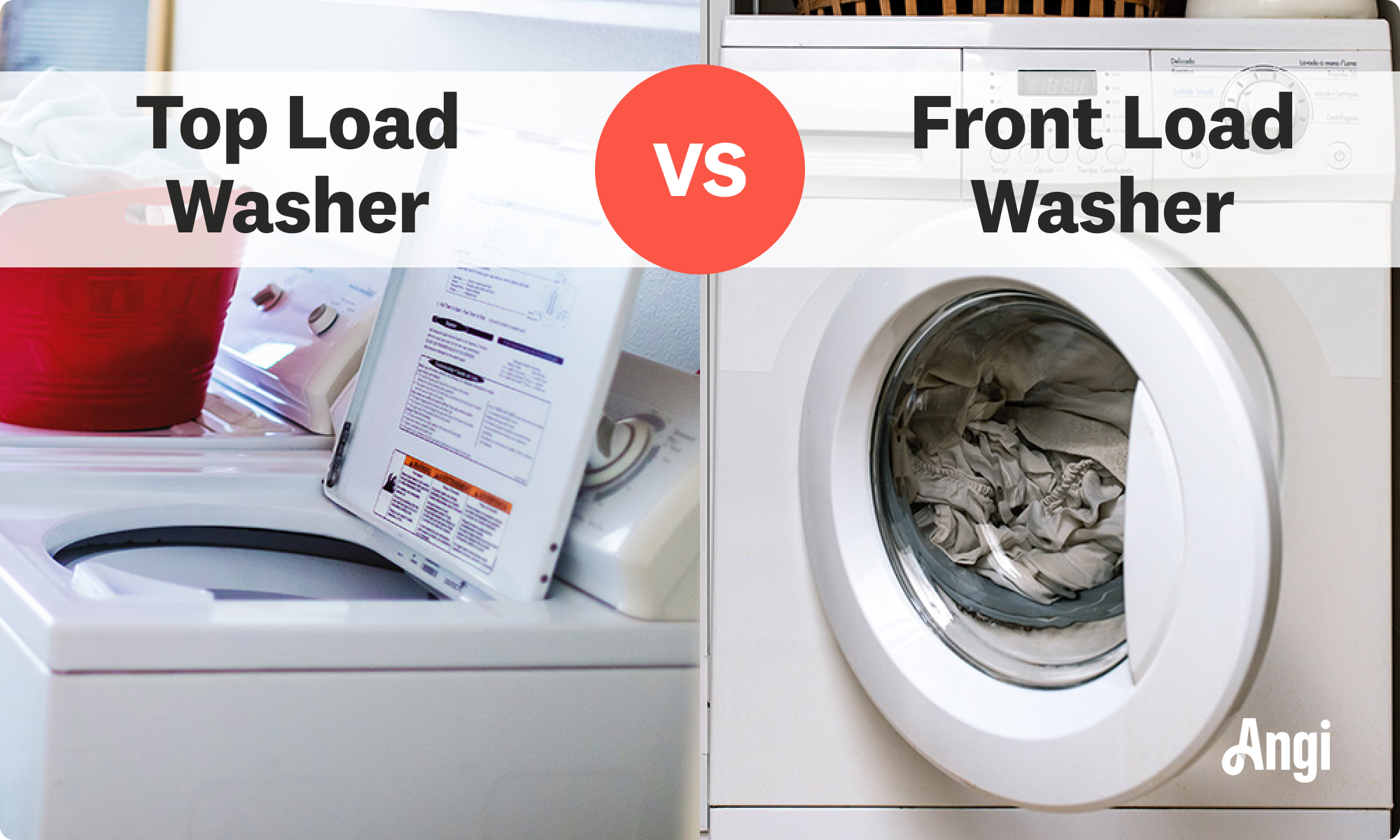
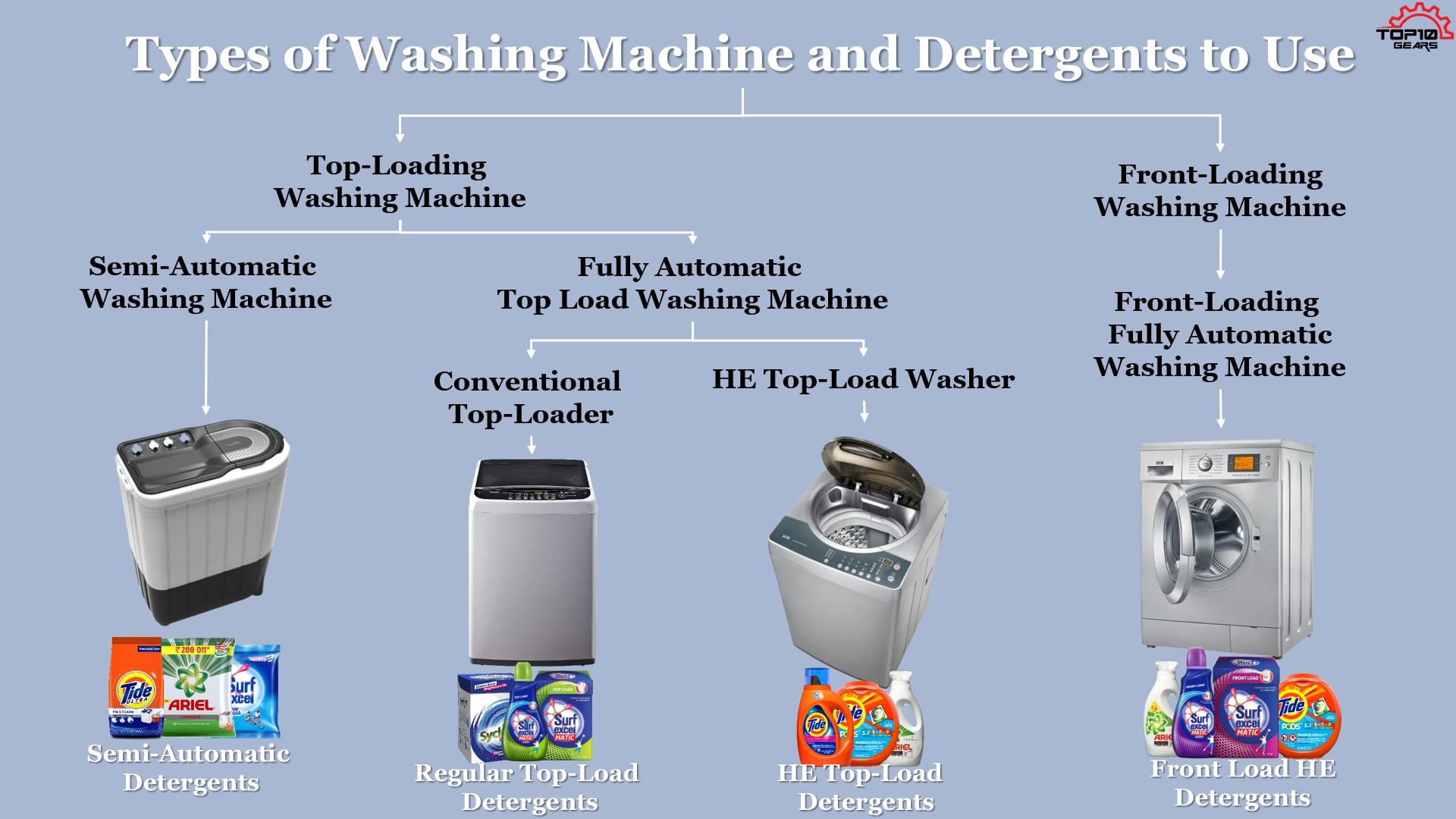
When deciding whether top loading or front loading washers are better, the right choice depends on your laundry habits, budget, available space, and performance expectations. Front loaders generally offer superior cleaning performance, water efficiency, and gentler garment care, whereas top loaders typically feature lower upfront costs, faster cycle times, and easier loading without bending.
Selecting a new washing machine is a major household investment that directly impacts your utility bills, clothing longevity, and daily routine. The debate between top-loading and front-loading washers involves distinct mechanical, ergonomic, and financial trade-offs. To determine which configuration is better for your home, it helps to examine how their core engineering differences translate into real-world performance, operational costs, maintenance requirements, and overall user experience.
Mechanical Differences and Core Cleaning Mechanics
The fundamental variance between top loaders and front loaders lies in the orientation of their internal drums and how they move clothes through water and detergent. This mechanical distinction dictates everything from cleaning efficiency to water consumption.
How Top-Loading Washers Work
Top-loading washers have vertical drums. Historically, they relied on a central agitator—a tall post with fins that twisted back and forth—to force clothes through water. While highly effective at scrubbing heavy or heavily soiled loads, this aggressive mechanical action can cause friction wear, leading to fiber breakdown and premature fraying on delicate fabrics.
Modern top-loading machines often utilize an impeller instead of an agitator. An impeller is a low-profile rotating disc or cone at the bottom of the basket that creates turbulent water currents. Clothes rub against each other rather than a central post, providing a gentler wash than traditional agitator models while maximizing usable drum space. However, both agitator and impeller top loaders require the entire drum to fill completely with water to submerge the laundry, leading to significantly higher water and energy consumption per cycle.
How Front-Loading Washers Work
Front-loading washers feature horizontal drums, operating on a gravity-based tumbling action similar to a commercial clothes dryer. As the drum rotates, internal paddles lift the laundry to the top of the drum and drop it down repeatedly into a shallow pool of water and detergent at the bottom.
Because gravity does the heavy lifting rather than a forceful mechanical post, front loaders require much less water—often 50% less than standard top loaders—because the clothes do not need to be fully submerged. This continuous lifting and dropping action creates a mechanical flexing effect that drives water and detergent deep into fabric weaves, resulting in exceptionally high cleaning performance while exerting less stress on individual garment threads.
Comprehensive Comparison Matrix
To quickly evaluate how top loaders and front loaders stack up against one another across key consumer criteria, review the direct comparison below.
| Feature / Metric | Front-Loading Washers | Top-Loading Washers |
|---|---|---|
| Average Water Usage | Low (approx. 13–20 gallons per cycle) | High to Moderate (approx. 30–45 gallons for agitator; 15–25 for HE impeller) |
| Energy Efficiency | High (uses less hot water, extracts more water during spin) | Moderate to Low (requires more water heating energy) |
| Cleaning Performance | Excellent (superior mechanical action, stain removal) | Good (agitator excels at mud; impeller is moderate) |
| Spin Speeds | Very High (up to 1,200–1,400 RPM) | Moderate (approx. 600–800 RPM, leaves clothes wetter) |
| Cycle Times | Generally longer (due to balancing and precise water management) | Generally faster (quick wash options are highly efficient) |
| Ergonomics & Loading | Requires bending over (unless elevated on pedestals) | Easy loading and unloading from a standing position |
| Odor & Mold Risk | Higher (gasket traps moisture; requires routine door-leaving-open habits) | Lower (gravity drains residual water naturally away from seals) |
| Upfront Purchase Cost | Generally higher | Generally more affordable |
Performance, Efficiency, and Operating Costs
When evaluating performance, modern consumers must balance immediate purchase costs against long-term utility expenses.
Cleaning Power and Fabric Care
Front loaders consistently outperform top loaders in independent lab testing for stain removal. The tumbling action mimics professional laundering techniques, working cleaning agents thoroughly through textiles. Furthermore, because front loaders lack a central agitator, they can accommodate bulky items like king-sized comforters and sleeping bags much more easily without tangling or straining the motor.
Top-load agitator models provide aggressive scrubbing that excels at removing heavy mud or ground-in dirt from durable workwear, but they are harsher on delicate garments. High-efficiency (HE) impeller top loaders are gentler than agitator models, but they can still occasionally tangle long items like sleeves and bedsheets.
Water and Energy Efficiency
Water conservation heavily favors front-loading units. Because they tumble clothes through a shallow pool of water rather than submerging them, they use up to 50% less water and up to 40% less energy per load.
Front-load drums also spin at significantly higher revolutions per minute (RPM)—often reaching 1,200 to 1,400 RPM compared to the 600 to 800 RPM of standard top loaders. This high-speed extraction removes a greater percentage of moisture from the laundry before it even enters the dryer. Consequently, drying times drop substantially, yielding secondary energy savings on your electric or gas bill.
Upfront Cost vs. Long-Term Value
While front loaders win on utility bills, top loaders hold the advantage in initial purchase price. Basic top-loading washers with mechanical dials or simple digital displays represent the most budget-friendly entry point into laundry appliances. Front loaders require precision engineering, sophisticated balancing suspension systems, and robust door seals to handle high-speed horizontal spinning, which elevates manufacturing and retail costs. However, over a projected 10-year appliance lifespan, the water and electricity savings of a front loader can frequently offset its higher initial price tag.
Ergonomics, Usability, and Installation Space
How a washing machine fits into your daily routine and physical space is just as important as its internal mechanics.
Loading and Unloading Comfort
Top loaders win decisively on ergonomics for most people. Users do not need to bend down or squat to load and unload clothes; laundry can be dropped directly into the vertical opening from a comfortable standing position. Additionally, top-loading machines allow for "mid-cycle drop-ins"—the ability to pause the cycle and toss in a stray sock or forgotten shirt a few minutes after the wash has started. Many modern front loaders now feature specialized pause windows or doors for adding items, but traditional front loaders lock their watertight doors securely during operation to prevent flooding, making late additions impossible once the cycle is underway.
For individuals with back or knee issues, front loaders require bending unless purchased with optional matching pedestals that raise the machine height by 12 to 16 inches. However, front loaders are much easier for shorter individuals or children to reach inside the back of the drum to retrieve rogue socks.
Space Limitations and Stackability
Front loaders offer a distinct structural advantage regarding spatial configuration: they can be stacked vertically with a matching clothes dryer using a stacking kit. This frees up valuable square footage in small laundry rooms, closets, or apartment bathrooms. Top loaders, by design, require vertical clearance above the machine and cannot be stacked, though they often have a smaller overall footprint than large-capacity front-load pairs.
Maintenance, Reliability, and Odor Management
Every washing machine requires basic upkeep, but front loaders and top loaders demand different types of attention to ensure long-term reliability and odor-free operation.
The Front-Loader Mold and Mildew Challenge
The single most common complaint regarding front-loading washers is the potential for musty odors and mold growth. Front loaders rely on a flexible rubber gasket or seal around the door opening to maintain a watertight barrier during high-speed spinning. Water, lint, and detergent residue can collect in the folds of this gasket after a wash cycle concludes. If the door is kept tightly shut when the machine is not in use, trapped moisture breeds mold and bacteria, resulting in unpleasant odors that can transfer to clean laundry.
Preventing this issue requires simple, consistent habits:
- Leave the washer door cracked open slightly after every cycle to allow the interior drum and gasket to air dry.
- Wipe down the rubber door seal and glass with a clean microfiber cloth periodically.
- Run a self-clean cycle or a hot water cycle with chlorine bleach or a specialized washing machine cleaner once a month.
- Use only High-Efficiency (HE) detergent in the exact recommended quantities; using too much soap leaves a gummy residue that attracts mold and dirt.
Mechanical Complexity and Repair Rates
Top-loading washers—particularly traditional agitator models—feature simpler mechanical designs with fewer electronic control boards and specialized suspension components. As a result, they are often easier and less expensive to repair when parts wear out. Front loaders require complex balancing systems, heavy counterweights, and precise door-lock mechanisms. When a front loader experiences severe out-of-balance loads or electronic failure, diagnostic and repair costs can be higher, though high-end top loaders with advanced electronics are closing this gap.
Frequently Asked Questions
Do front-load washers really clean better than top loaders?
Yes. Independent testing consistently shows that front-load washers remove stains more effectively. The tumbling action utilizes gravity to repeatedly drop clothes into a shallow, concentrated mixture of water and detergent, providing superior mechanical scrubbing without the fabric wear caused by a central agitator.
Why do front-load washers develop bad odors?
Front loaders use airtight rubber gaskets around the door to prevent leaks during high-speed spinning. Water, lint, and soap residue can get trapped inside the folds of this seal. If the door is closed immediately after a wash, trapped moisture creates an ideal breeding ground for mold and mildew. Leaving the door ajar between washes and cleaning the gasket regularly eliminates this problem.
Can you add clothes to a front loader mid-cycle?
Most traditional front loaders lock the door securely once water fills the drum to prevent flooding, making mid-cycle additions impossible once the wash has started. However, many newer front-load models feature a pause function or a small secondary access door that allows users to drop in forgotten garments during the early stages of a cycle.
Which type of washer lasts longer?
Both top loaders and front loaders have an average lifespan of 10 to 14 years, depending on usage frequency and maintenance. Top-load agitator models often feature simpler mechanical parts that can be cheaper to repair, but modern front loaders offer superior build quality in their motors and bearings to withstand high-spin forces.
Are high-efficiency top loaders as good as front loaders?
High-efficiency (HE) top loaders with impellers bridge the gap by using less water and providing gentler fabric care than old-school agitator models. However, they generally still lag behind front loaders in total water efficiency, stain removal performance, and spin-speed moisture extraction.
Final Recommendation
Choose a front-loading washer if your primary priorities are maximum cleaning performance, lower water and utility bills, reduced drying times, gentler fabric care, and the ability to stack your laundry appliances. It requires the mild discipline of leaving the door open between washes to prevent mold, but its overall efficiency and garment protection make it the superior choice for most modern households.
Choose a top-loading washer if you prefer effortless loading without bending down, faster overall wash cycles, a lower upfront purchase price, and simpler maintenance routines that do not require meticulous seal wiping. If you frequently need to toss in stray items mid-cycle or prefer a traditional appliance layout, a top loader remains a reliable, highly accessible workhorse.