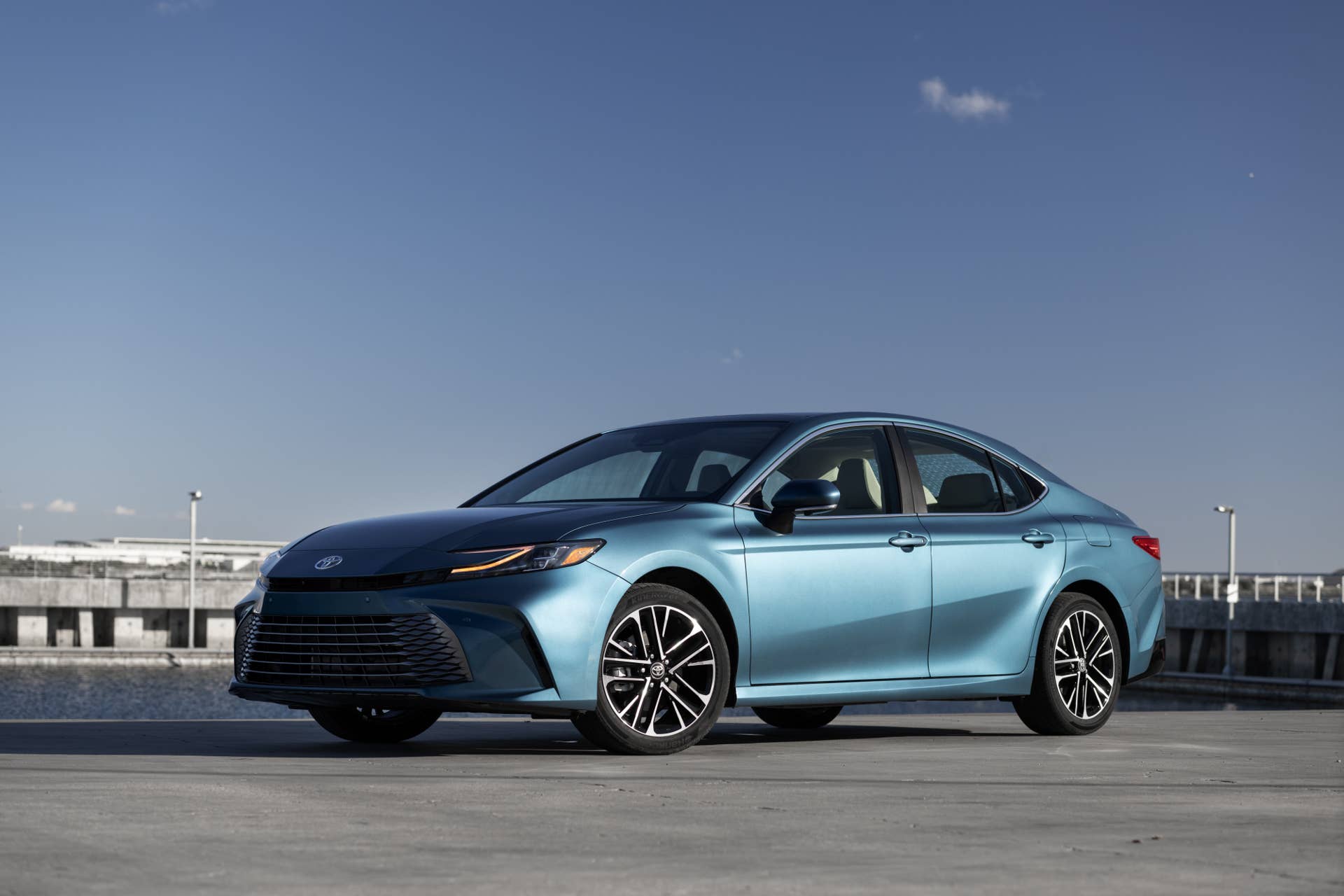
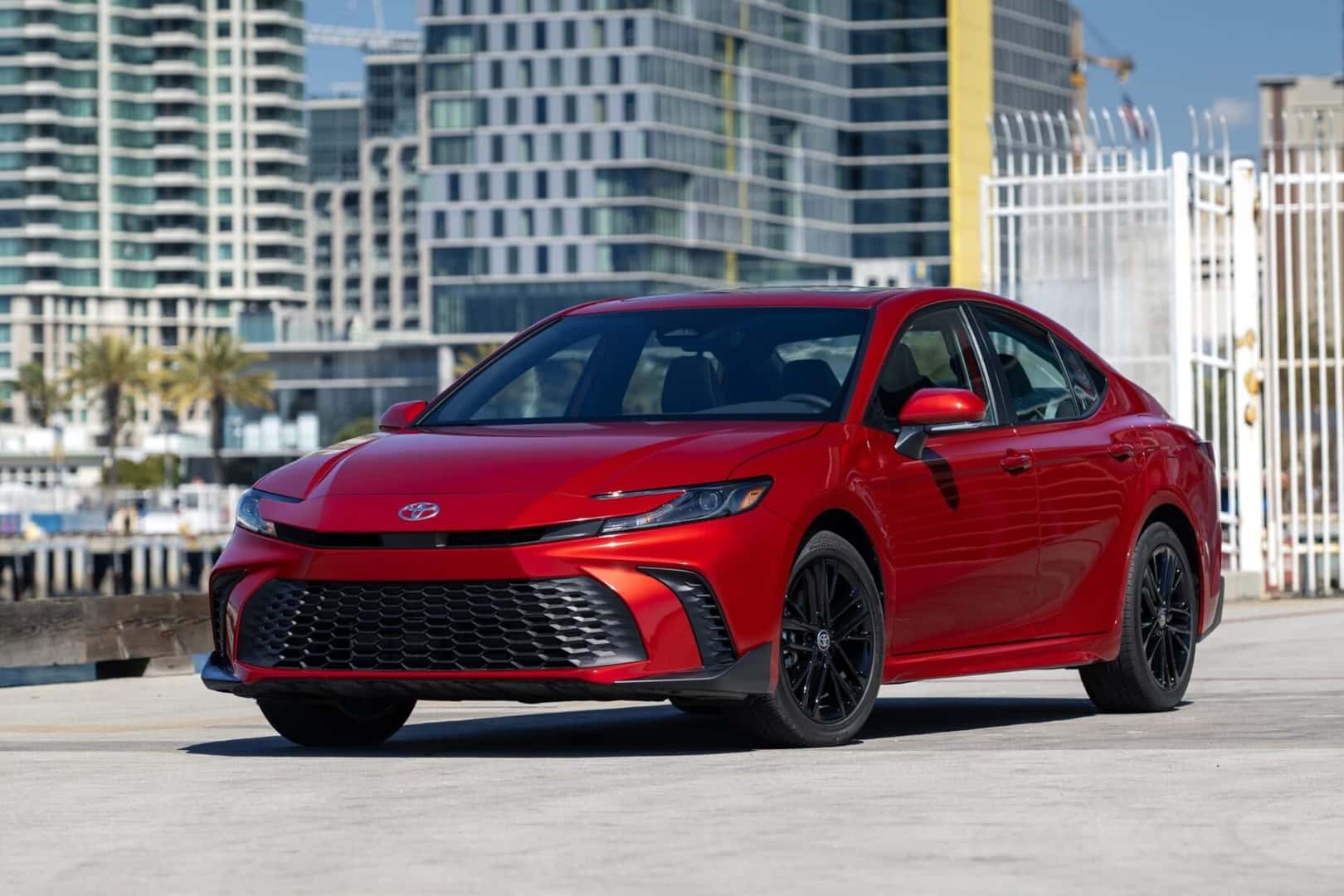
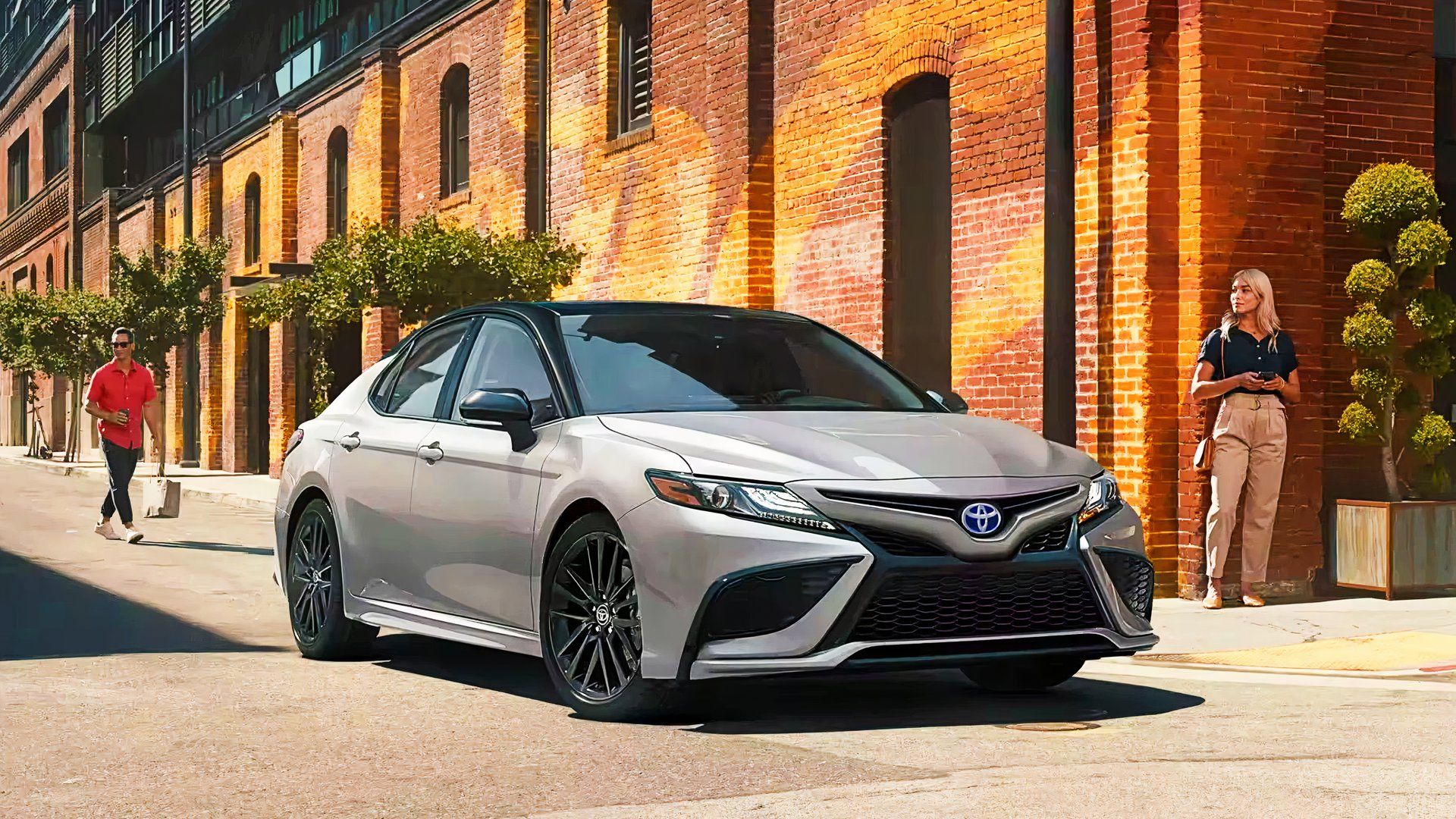
The Toyota Camry is exceptionally reliable, consistently earning top marks from automotive authorities like Consumer Reports and J.D. Power for its durable powertrains, minimal maintenance costs, and ability to easily surpass 200,000 miles with basic routine care.
When automotive consumers ask, "are toyota camry reliable," they are usually weighing the purchase of a midsize sedan against competitors like the Honda Accord, Hyundai Sonata, or Nissan Altima. For decades, the Camry has established a sterling reputation as the benchmark for automotive dependability. From its everyday commuter utility to its massive fleet deployment by rideshare drivers and rental companies, the Camry is built to absorb heavy use without breaking down. Understanding why this vehicle enjoys such a bulletproof reputation requires looking closely at its engineering philosophy, generation-by-generation reliability, maintenance requirements, and common pitfalls to watch out for when buying new or used.
Engineering Philosophy and Powertrain Durability
The core of the Toyota Camry's reliability stems from Toyota's conservative approach to engineering. Rather than rushing experimental technologies into production, the manufacturer relies on tried-and-tested mechanical components that have been refined over decades. This philosophy prioritizes longevity and thermal efficiency over aggressive performance tuning, reducing stress on the engine internals and transmission components.
Naturally Aspirated Engines and Traditional Transmissions
For most of its modern history, the Camry has relied on naturally aspirated four-cylinder and V6 engines paired with traditional automatic transmissions or electronically controlled continuously variable transmissions (e-CVTs) in hybrid variants. By avoiding overly complex turbochargers and dual-clutch gearboxes in older and base models, Toyota engineers minimized the number of high-stress components prone to premature failure. The 2.5-liter Dynamic Force four-cylinder engine and the legacy 2.4-liter and 3.5-liter V6 engines are widely recognized by master mechanics as some of the most robust internal combustion powerplants ever mass-produced.
Hybrid System Longevity
The Toyota Hybrid System (THS), introduced to the Camry Hybrid lineup in 2007, has also proven to be remarkably dependable. Unlike traditional automatic transmissions, the e-CVT in the Camry Hybrid uses a planetary gearset that experiences very little physical wear. Furthermore, Toyota’s nickel-metal hydride and later lithium-ion battery packs are engineered with sophisticated thermal management systems that protect them from extreme temperatures, allowing many original hybrid batteries to last well past the 150,000-mile mark.
Generation-by-Generation Reliability Breakdown
Not all model years are created equal, though the Camry generally maintains a high baseline. Evaluating specific generations helps buyers navigate the used market safely and avoid isolated trouble spots.
| Generation | Model Years | Reliability Summary & Key Considerations |
|---|---|---|
| XV40 | 2007–2011 | High overall, but early 2.4L engines (2AZ-FE) consumed excess oil. The 3.5L V6 is exceptionally durable. |
| XV50 | 2012–2017 | Very high. Powertrains refined, oil consumption issues resolved, interior plastics improved mid-cycle in 2015. |
| XV70 | 2018–2024 | Excellent. Built on the TNGA platform with advanced safety tech; initial 8-speed automatic software updates resolved early shifting quirks. |
| Modern Era | 2025–Present | Outstanding. Transitioned to standard hybrid powerplants, refining efficiency and long-term mechanical simplicity. |
The XV40 Generation (2007–2011)
The XV40 era is generally reliable, but it houses the most notable exception to Toyota's flawless track record: the 2.4-liter 4-cylinder engine (2AZ-FE) found in 2007 and 2008 models. These specific engines suffered from a design flaw involving piston rings that led to excessive oil consumption. Toyota extended warranties to fix many of these vehicles, but buyers looking at a cheap used 2007 or 2008 four-cylinder Camry must verify oil consumption history. Conversely, the 3.5-liter V6 engine from this era is an absolute powerhouse capable of exceptionally high mileage.
The XV50 Generation (2012–2017)
The XV50 generation resolved the oil consumption woes of the previous era. Toyota updated the 2.5-liter 4-cylinder engine (2AR-FE), which proved to be exceptionally trouble-free. Suspension components, electrical systems, and the 6-speed automatic transmission are robust. A 2015 mid-cycle refresh upgraded the interior materials and chassis rigidity, making this generation one of the best used car bargains for budget-conscious buyers seeking maximum reliability.
The XV70 Generation (2018–2024)
Introduced for the 2018 model year, the XV70 moved to the Toyota New Global Architecture (TNGA) platform. This generation introduced a new 8-speed automatic transmission. Early models (2018–2019) experienced customer complaints regarding hesitation or rough shifting, which Toyota largely addressed via software updates issued through dealerships. Mechanically, the engine and chassis architecture have proven exceptionally durable, earning high marks across consumer reporting agencies.
Maintenance Costs and Frequency
A vehicle's reliability is deeply intertwined with its cost of ownership. Even the most dependable car requires regular fluid changes, filter replacements, and occasional wear-and-tear part swaps.
Routine Maintenance Requirements
The Camry is designed for ease of maintenance, which helps keep mechanic labor bills low. Standard upkeep includes:
- Synthetic oil and filter changes every 5,000 to 10,000 miles, depending on driving habits and oil specifications.
- Brake pad and rotor replacement typically between 40,000 and 70,000 miles.
- Spark plug replacement around 120,000 miles for modern four-cylinder and V6 models.
- Coolant flushes and transmission fluid inspections as recommended in the manual.
Average Repair Expenses
According to data compiled by automotive maintenance platforms like RepairPal, the Toyota Camry boasts an average annual repair and maintenance cost that sits significantly below the industry average for midsize cars. Major mechanical failures are rare. Most repair expenditures on older Camrys involve wearable items such as alternator replacements, suspension bushings, or water pumps after surpassing 150,000 miles. Parts availability is another major advantage; because millions of Camrys share components, aftermarket and OEM parts are inexpensive and readily stocked by virtually every auto parts store and mechanic shop.
Common Issues and Potential Weaknesses
While the Camry is exceptionally dependable, no car is entirely immune to mechanical wear. Knowing what typically fails allows owners to catch minor issues before they cascade into major failures.
Dashboard Melting and Interior Plastics
On certain 2007 to 2011 models, the dashboard material was prone to degrading under intense ultraviolet light and heat, becoming sticky, shiny, or prone to cracking. Toyota offered a warranty enhancement program for this issue in the past, but many older models now live with aftermarket dashboard covers. While purely cosmetic, it is a well-documented aging quirk.
Water Pump and Alternator Wear
High-mileage Camrys (exceeding 150,000 miles) occasionally experience water pump seepage or alternator failure. These are standard wear items for almost any vehicle on the market. Mechanics can easily diagnose these issues during routine multi-point inspections by checking for coolant crusting around the water pump pulley or voltage drops in the charging system.
Transmission Software Calibration
As mentioned regarding early XV70 models (2018–2020), the shift logic of the 8-speed automatic transmission occasionally confused drivers with delayed downshifts in stop-and-go traffic. This is a software calibration characteristic rather than a catastrophic mechanical defect, and dealerships can reflash the transmission control module to restore smoother shift patterns.
Toyota Camry vs. Competitors in Reliability
When evaluating market alternatives, the Camry is frequently pitted against the Honda Accord and the Mazda 6. Understanding how it compares highlights where Toyota maintains its competitive edge.
- Toyota Camry vs. Honda Accord: The Accord has historically matched the Camry in mechanical longevity, often offering sharper driving dynamics and more engaging handling. However, newer turbo-charged engines in some Accord generations have experienced minor fuel dilution issues, whereas Toyota’s reliance on naturally aspirated engines and straightforward hybrids keeps long-term mechanical complication lower for average drivers.
- Toyota Camry vs. Mazda 6: The Mazda 6 provides an upscale interior and sporty driving experience, but its resale value and nationwide parts ecosystem trail slightly behind Toyota. The Camry remains the safer bet for pure appliance-like longevity and hassle-free ownership.
Frequently Asked Questions
How many miles can a Toyota Camry last?
A well-maintained Toyota Camry easily lasts between 200,000 and 300,000 miles. Many examples routinely surpass the quarter-million-mile mark with only standard fluid changes, basic brake maintenance, and minor wear-and-tear component replacements.
Are older used Toyota Camrys safe to buy?
Yes, older Camrys are generally safe and smart used car purchases, provided you check the vehicle history. For 2007–2008 models, verify whether the engine oil consumption recall or repair was addressed. For all other years, a pre-purchase inspection by an independent mechanic is the best way to confirm mechanical health.
Is the Toyota Camry Hybrid as reliable as the gas model?
The Camry Hybrid is exceptionally reliable, often matching or exceeding the longevity of the standard gasoline model. The e-CVT transmission has fewer moving parts than a conventional automatic, and regenerative braking reduces brake pad wear significantly.
What is the best model year range for a used Camry?
Models produced between 2012 and 2017 (XV50 generation) and 2020 onward (post-refresh XV70 generation) represent the sweet spot for reliability, offering refined technology, sorted mechanicals, and strong safety ratings without early-production bugs.
Do Toyota Camrys have expensive transmission problems?
Major transmission failures are rare in Toyota Camrys. Traditional automatic transmissions and hybrid e-CVTs across most generations are robust. The most common transmission-related complaints involve software calibration quirks in early 8-speed models, which are easily updated.
Conclusion and Final Recommendations
The Toyota Camry earns its legendary reputation for reliability through consistent engineering, conservative powertrain development, and accessible maintenance. Whether purchasing a brand-new model or a budget-friendly used sedan from a decade ago, buyers can expect a low-stress ownership experience characterized by minimal unexpected downtime and strong residual value. To maximize your investment, prioritize vehicles with documented service histories, perform routine fluid changes punctually, and always secure a professional pre-purchase inspection on used models.