Life insurance policies issued through the Department of Veterans Affairs (VA) generally feature proceeds that are exempt from federal income tax when paid out to beneficiaries, though specific tax implications can still arise depending on dividends, interest earnings, and estate valuations. Navigating the tax code while dealing with government-backed life insurance can feel complex for veterans and their surviving families. Understanding how the Internal Revenue Service (IRS) and the VA treat these policies ensures that beneficiaries receive their full financial support without unexpected tax liabilities, and it helps policyholders manage their accounts efficiently during their lifetimes.
Understanding VA Life Insurance Programs
The Department of Veterans Affairs administers several distinct life insurance programs designed to protect service members, veterans, and their families who might otherwise struggle to find commercial coverage due to service-connected disabilities or hazardous duties. These programs operate under specific statutory authorities and carry unique eligibility criteria, premium structures, and policy features. Recognizing which specific program a policy belongs to is the first step in determining its administrative and financial rules, including how any monetary distributions or death benefits are treated under federal and state tax laws.
Servicemembers' Group Life Insurance (SGLI) and Veterans' Group Life Insurance (VGLI)
Servicemembers' Group Life Insurance provides low-cost term life insurance to eligible active-duty service members, ready reservists, and members of the National Guard. When these individuals leave military service, they often have the option to convert their SGLI coverage into Veterans' Group Life Insurance, which is a renewable term life insurance policy. Because both SGLI and VGLI are group term life insurance products, they do not build cash value. Consequently, they do not generate lifetime dividends, policy loans, or cash surrender values that could trigger complex income tax scenarios while the insured person is alive.
Service-Disabled Veterans Life Insurance (S-DVI) and Veterans and Military Life Insurance (VALife)
For veterans with service-connected disabilities, the VA historically offered Service-Disabled Veterans Life Insurance, which closed to new applications at the end of 2022 and was replaced by Veterans and Military Life Insurance (VALife). VALife provides guaranteed acceptance whole life insurance to veterans with any level of service-connected disability rating from zero to 100 percent. Unlike term insurance, whole life policies like VALife build cash value over time after the policy has been in force for a specific duration—typically two years. This cash accumulation introduces distinct financial mechanics, such as dividend earnings and cash surrender options, which require a closer look at tax treatment.
Federal Income Tax Treatment of VA Life Insurance Death Benefits
The primary concern for most beneficiaries is whether the lump-sum payment or installment payments received after the death of a veteran are subject to income tax. Under the Internal Revenue Code, life insurance death benefits paid out due to the death of the insured are generally excluded from gross income. This rule applies uniformly across commercial life insurance policies and federal programs administered by the VA, including SGLI, VGLI, S-DVI, and VALife.
When a beneficiary receives a death benefit from a VA life insurance policy, that money does not need to be reported as taxable income on federal tax returns. This protection ensures that grieving families receive the full financial safety net intended by the policy without a significant portion being diverted to income taxes. However, an important nuance exists if the beneficiary chooses to receive the death benefit in installments rather than as a lump sum. While the principal death benefit remains tax-free, any interest earned on those funds while held by the insurance administrator will typically be classified as taxable interest income and must be reported to the IRS.
Tax Implications of Dividends, Cash Value, and Living Benefits
While death benefits are straightforward, policies that accumulate cash value or pay dividends introduce scenarios where funds are distributed while the veteran is still alive. VALife and older whole life programs like S-DVI feature cash value components and potential dividends, whereas term products like SGLI and VGLI do not.
Dividends and Premium Reductions
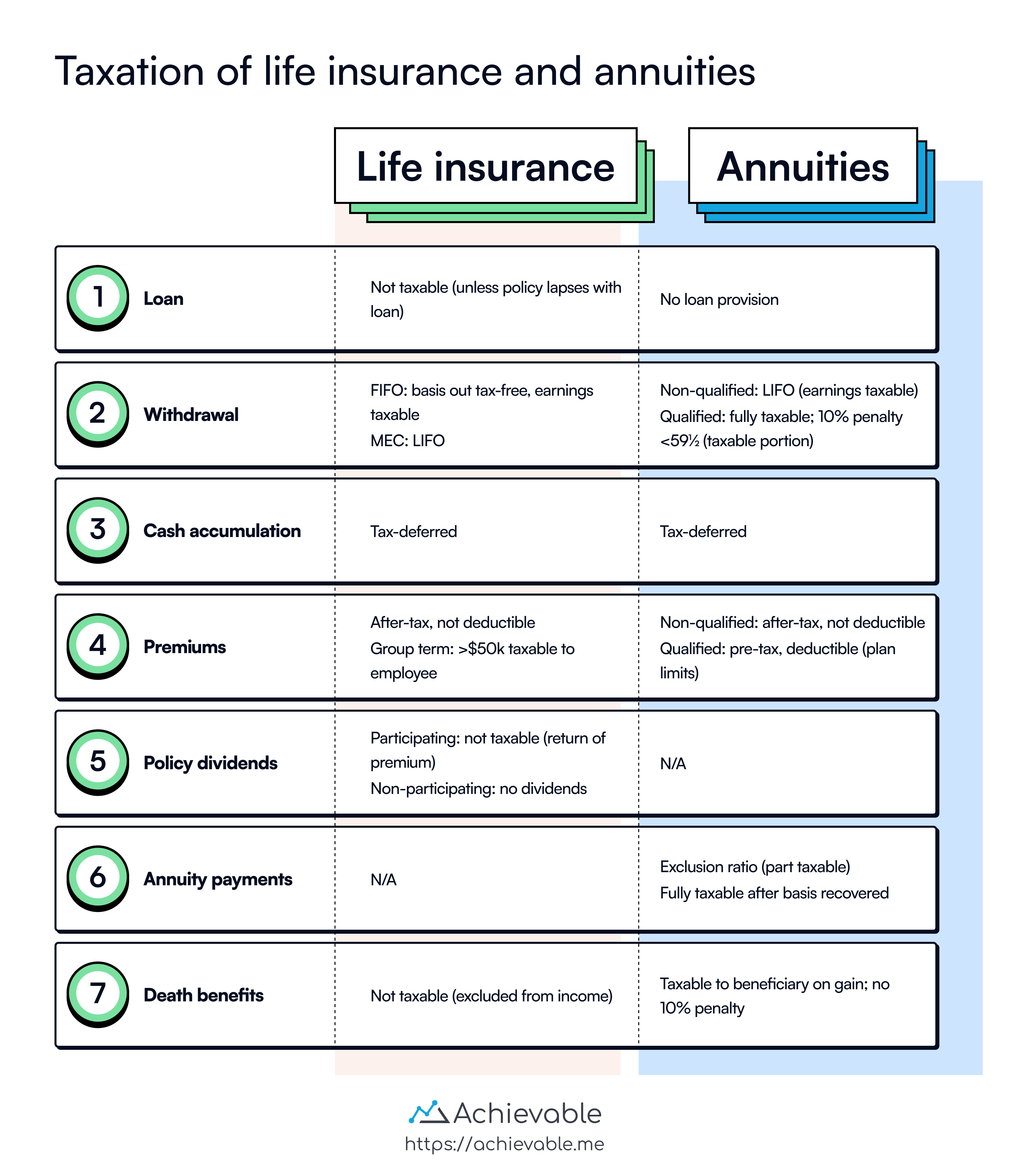
Policyholders sometimes receive annual dividends from certain types of permanent VA life insurance policies. Under federal tax guidelines, dividends paid on life insurance policies are generally treated as a tax-free return of the premiums paid, rather than as taxable income. This applies as long as the total dividends received do not exceed the total cumulative premiums paid into the policy. Once total dividends surpass total paid premiums, any additional distributions may become subject to taxation. Most veterans, however, use their dividends to reduce monthly premium payments, purchase paid-up additional insurance, or leave them to accumulate interest, each carrying specific minor reporting rules if interest thresholds are crossed.
Cash Surrender and Policy Loans
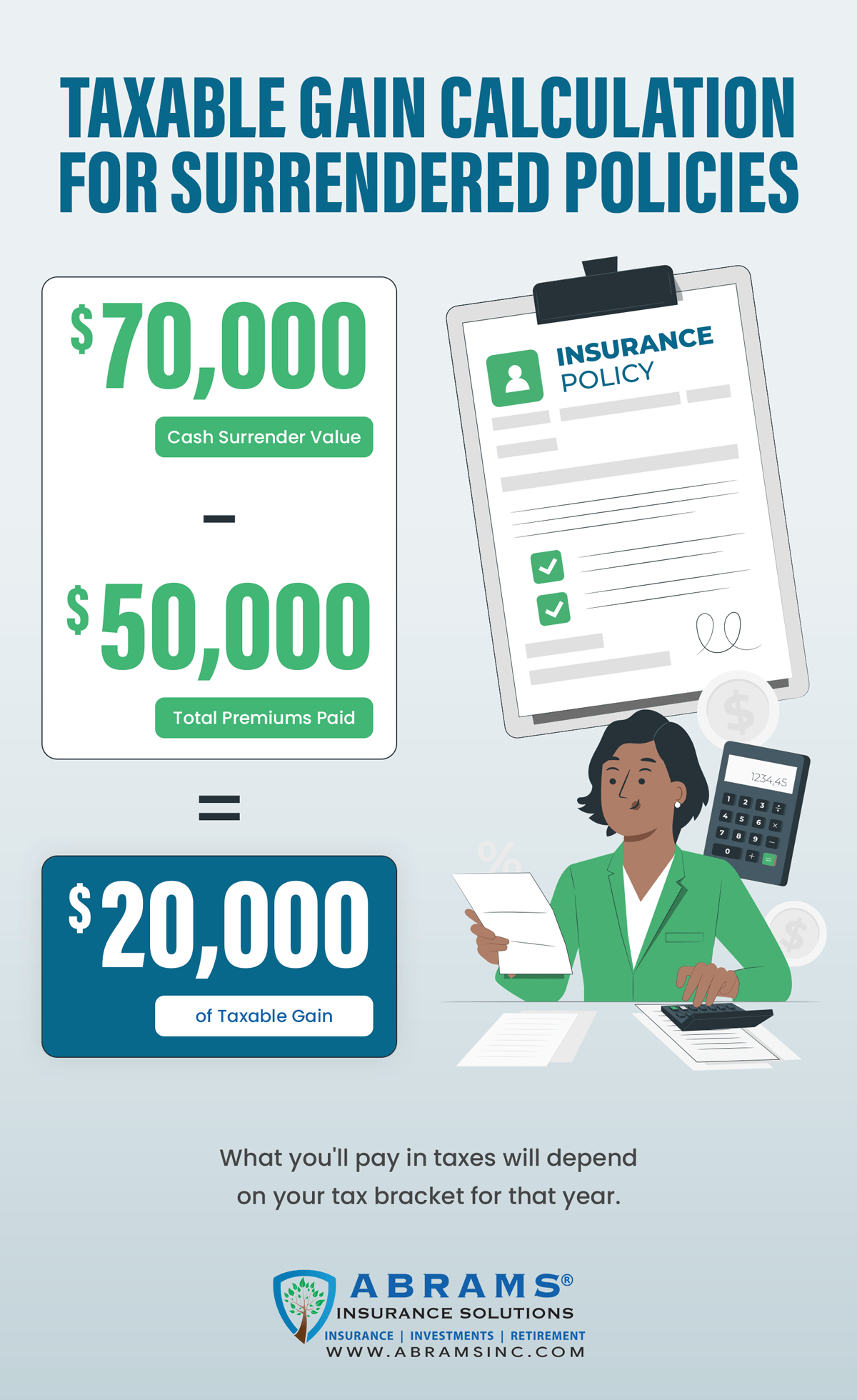
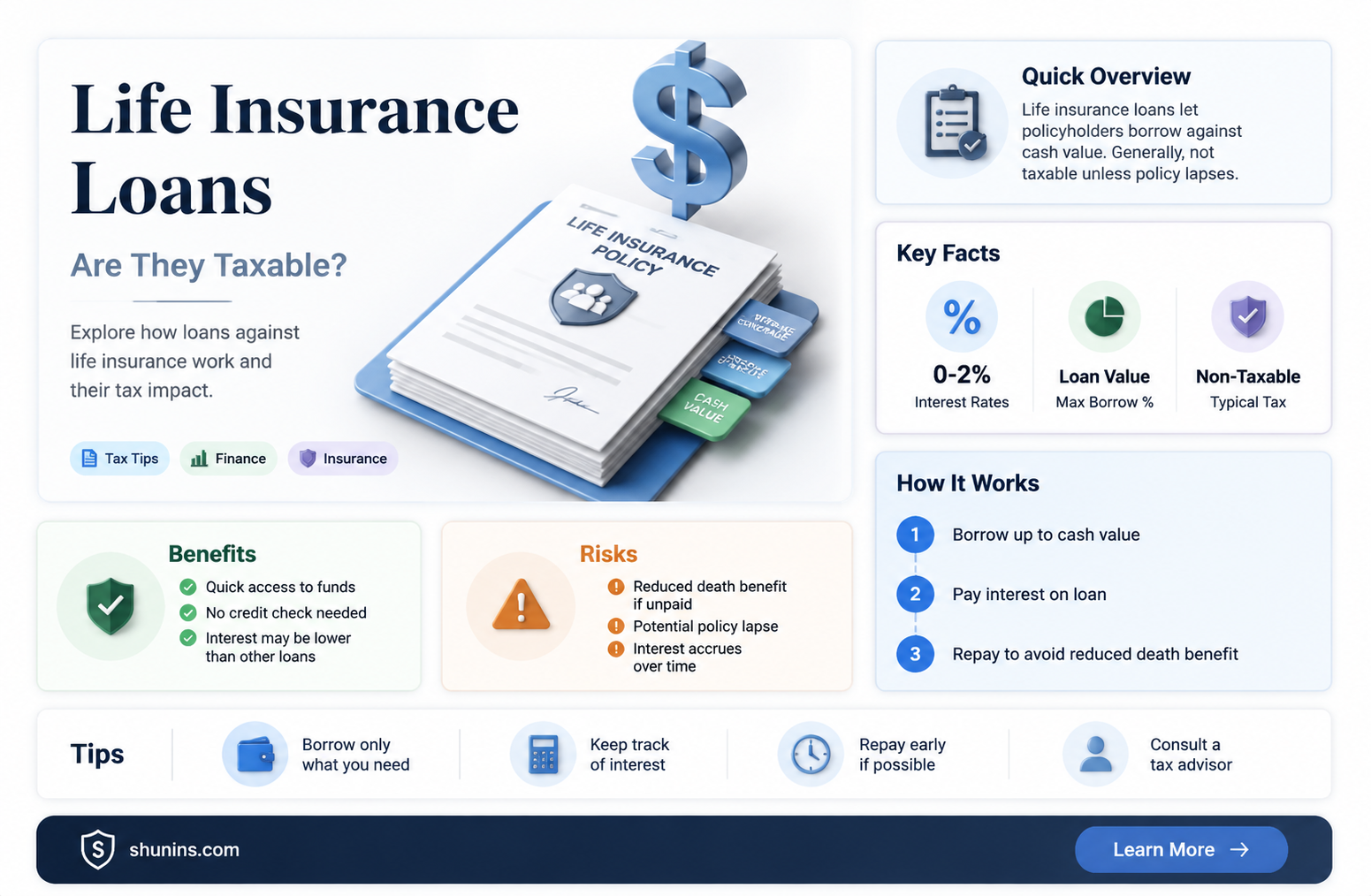
If a veteran decides to surrender a permanent VA life insurance policy for its cash surrender value, the payout is only taxable to the extent that it exceeds the "cost basis" of the policy. The cost basis is generally calculated as the total amount of premiums paid into the policy minus any prior nontaxable distributions or dividends received. If the cash surrender value is less than or equal to the total premiums paid, no taxable gain is realized. Similarly, taking a policy loan against the cash value of a permanent VA policy does not constitute taxable income, provided the policy remains active and does not lapse, which would trigger a taxable event if the outstanding loan balance exceeds the cash value.
| Policy Type | Builds Cash Value? | Death Benefit Tax Status | Dividends Taxable? | Cash Surrender Taxable? |
|---|---|---|---|---|
| SGLI / VGLI | No (Term) | Tax-Free | N/A | N/A |
| S-DVI | Yes (Whole Life) | Tax-Free | Generally Tax-Free* | Only if payout exceeds premiums paid |
| VALife | Yes (Whole Life) | Tax-Free | Generally Tax-Free* | Only if payout exceeds premiums paid |
*Dividends are tax-free up to the total amount of cumulative premiums paid into the policy.
Estate Tax Considerations for VA Life Insurance Proceeds
Beyond income taxes, individuals often wonder whether VA life insurance policies are subject to federal or state estate taxes. The value of a life insurance policy is generally included in the gross estate of the insured for federal estate tax purposes if the insured retained "incidents of ownership" in the policy at the time of death, or if the proceeds are payable directly to the estate.
Incidents of Ownership and Beneficiary Designation
Incidents of ownership include the power to change beneficiaries, surrender or cancel the policy, assign the policy, borrow against its cash value, or select conversion options. Because most veterans hold these powers over their VA life insurance policies, the face value of the policy is technically considered part of their gross estate upon death.
However, for the vast majority of families, federal estate taxes are not a concern due to the high estate tax exemption thresholds established by federal law. Only estates valued above the statutory multi-million-dollar federal threshold are subject to federal estate taxation. If the policy proceeds are paid to a surviving spouse who is a U.S. citizen, the unlimited marital deduction typically shields the proceeds from estate taxes entirely, regardless of the overall estate size.
State-Level Inheritance and Estate Taxes
While federal estate tax exemptions are generous, state-level tax laws vary significantly. A small number of U.S. states impose their own estate taxes or inheritance taxes with much lower exemption limits than the federal government. Beneficiaries should review state-specific tax statutes or consult a certified tax professional if the veteran resided in a state with an active inheritance or estate tax regime, as state rules regarding the inclusion of life insurance proceeds can differ from federal standards.
Common Misconceptions and Compliance Tips
Misunderstandings surrounding the taxability of life insurance frequently lead to unnecessary worry or filing errors. Clarifying these common points helps ensure compliance and peace of mind for both policyholders and beneficiaries.
- Form 1099-INT and Interest Income: If a beneficiary leaves death benefit proceeds with the government to earn interest, the VA or managing financial entity will typically issue an IRS Form 1099-INT. Beneficiaries must report this interest income on their federal income tax returns, even though the core death benefit remains tax-free.
- Gifting Policy Ownership: Attempting to transfer ownership of a permanent VA life insurance policy to a trust or another individual to avoid estate taxes involves complex IRS rules, specifically the "three-year rule" regarding gifts made within three years of death. Veterans should exercise caution and seek professional guidance before altering policy ownership.
- Veterans' Disability Compensation vs. Life Insurance: It is important not to confuse VA life insurance proceeds with VA disability compensation or pension benefits. Both disability compensation and VA life insurance payouts are exempt from federal income tax, but they follow entirely different administrative pathways and regulatory frameworks.
Practical Steps and Next Actions
For veterans holding policies and beneficiaries preparing to file a claim, taking organized steps ensures smooth processing and complete tax compliance.
- Locate Policy Documentation: Keep official VA policy certificates, account numbers, and designation forms in a secure, accessible location so that executors and beneficiaries can reference them immediately.
- Verify Beneficiary Designations: Periodically review and update beneficiary designations through the VA insurance portal to ensure they align with current life events and estate planning goals.
- Consult Qualified Professionals: If managing a large estate, navigating complex installment payouts, or handling a permanent policy with significant cash value, consult a certified public accountant (CPA) or tax attorney who understands both federal tax law and veterans' benefits regulations.