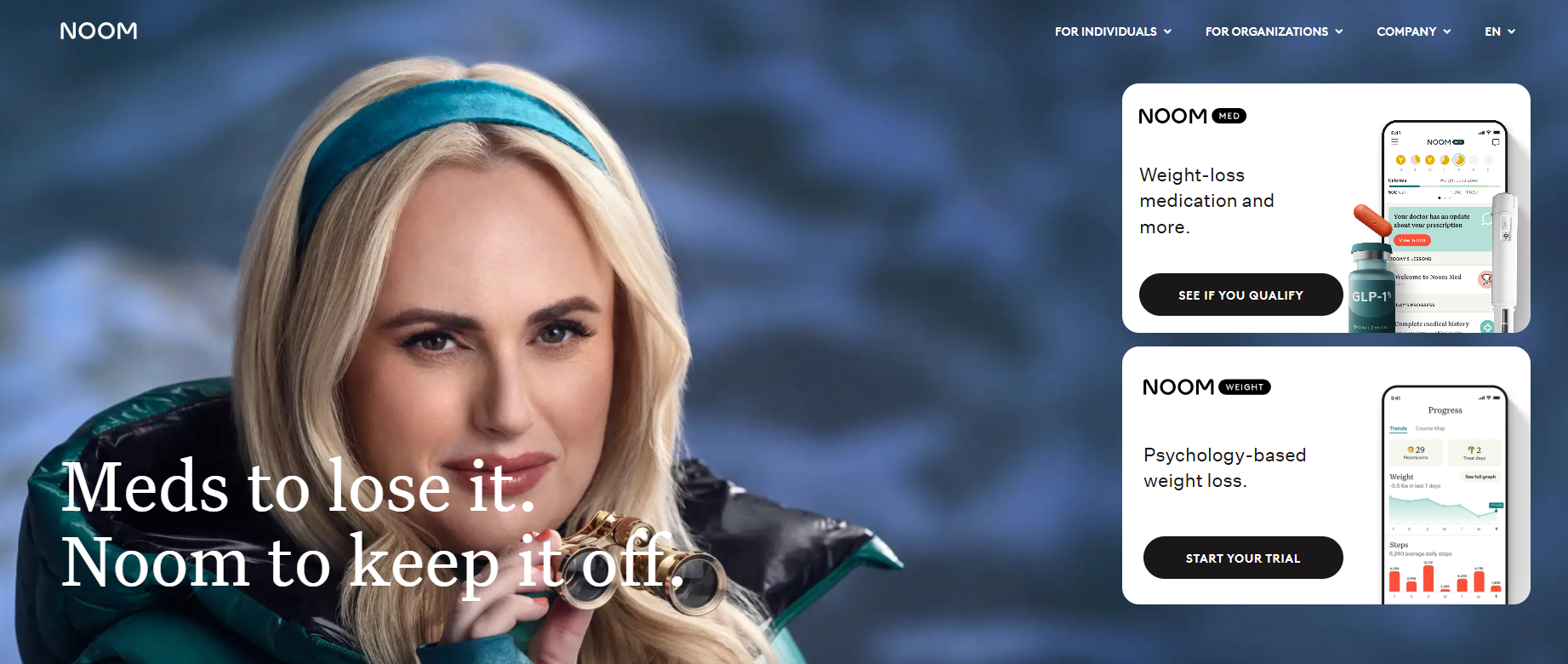
Noom is a psychology-based digital health platform designed to help users change their relationship with food and exercise through cognitive behavioral techniques rather than traditional calorie counting alone. By categorizing foods into a color-coded system and providing access to goal specialists, the service aims to foster sustainable long-term lifestyle habits rather than offering a quick-fix restrictive diet plan.
The Foundations of the Noom Philosophy
At the core of the Noom experience is the application of behavioral psychology. Unlike conventional diet programs that often focus exclusively on the "what" of nutrition—identifying forbidden foods or strict macronutrient ratios—Noom emphasizes the "why." The program is built on the premise that weight management is less about willpower and more about understanding the triggers, emotional responses, and habitual patterns that lead to specific eating behaviors.
Upon onboarding, users interact with an AI-driven interface that assesses their health goals, body composition, and historical challenges with weight loss. This data serves as the foundation for a personalized curriculum. The daily lesson structure is the platform’s primary feature, delivering bite-sized modules that cover topics such as cognitive distortions, the science of hunger, stress management, and the difference between emotional and physical cravings. By dedicating a few minutes each day to these lessons, the platform encourages users to reframe their thought processes, moving away from "all-or-nothing" thinking that frequently leads to diet abandonment.
Analyzing the Color-Coded Food System
A central component of the Noom review process is understanding their food categorization system. Noom classifies all food into three categories based on caloric density—the number of calories in a specific weight of food.
- Green: These are foods that are the least calorically dense. They include most vegetables, fruits, and whole grains. The program encourages users to consume these in the largest quantities because they provide high volume and satiety for fewer calories.
- Yellow: These foods are moderately dense. They include items like lean meats, legumes, and lower-fat dairy products. These provide essential nutrients and energy but should be moderated more closely than green foods.
- Orange: This category includes foods with the highest caloric density, such as nuts, seeds, oils, desserts, and red meats. These are not labeled as "bad" or forbidden, but the system recommends limiting their consumption to smaller portions.
This system is designed to provide structure without the psychological burden of a restrictive, binary list of allowed and disallowed items. Because no food is technically prohibited, users often report a reduction in the "forbidden fruit" effect, where the restriction of certain foods leads to intense cravings and eventual bingeing.
The Role of Support and Human Guidance
A recurring point of analysis in any objective look at the Noom review is the role of human support. While the application relies heavily on automated, algorithm-driven feedback, it also incorporates human-led components. Users are typically assigned a Goal Specialist—often a trained health coach—who provides check-ins, accountability, and guidance on navigating the challenges of the daily curriculum.
The goal specialist is not a doctor or a registered dietitian, though the company notes that they undergo specific training in health coaching and behavioral psychology. The effectiveness of this component often depends on the user’s engagement level. Those who proactively reach out with questions or specific hurdles regarding their progress tend to derive more value from this human element than those who treat the application as a passive tool. It is important to note that for individuals requiring specialized medical nutrition therapy for conditions such as diabetes or eating disorders, the role of a clinical healthcare provider remains distinct and superior to the coaching provided by this platform.
Pricing Structures and Commitment Models
Understanding the financial commitment is essential for potential users. Noom operates on a subscription model, which usually requires an upfront commitment for a set number of months. In 2026, the service continues to offer a variety of trial periods, which allows prospective members to sample the curriculum and interface before committing to a longer-term, paid subscription.
The cost varies depending on the duration of the plan selected; generally, longer-term commitments offer a lower monthly rate compared to month-to-month options. When reviewing the cost-effectiveness of the program, users should consider the following factors:
| Feature | Value Consideration |
|---|---|
| Curriculum Access | High value for those needing structured behavioral education. |
| Food Logging | Functional, though similar to free alternatives; serves the color-coded system. |
| Human Coaching | Depends on user initiative; provides accountability. |
| Ease of Use | High; app-centric design is intuitive for most users. |
| Medical Integration | Limited; not a substitute for clinical weight loss management. |
Limitations and Potential Drawbacks
Noom is not a universal solution, and it is important to address its limitations. One common critique involves the intensity of the logging requirement. Tracking every morsel of food can be mentally taxing for some users, and for those with a history of disordered eating, the requirement to track calories and categorize food may be triggering.
Furthermore, while the food database is extensive, it relies heavily on user-generated inputs for some items, which can occasionally lead to inaccuracies in calorie counts. Another limitation is the nature of the coaching. As noted previously, while the coaches are trained to motivate and guide, they do not provide medical advice. If a user has significant underlying health conditions, relying solely on a digital platform for nutritional guidance without consulting a primary care physician or a licensed clinical dietitian is not recommended.
Comparing Noom to Traditional Approaches
When comparing Noom to other weight management strategies, it is helpful to look at the differences in methodology. Traditional "calorie-in, calorie-out" diets focus on a mathematical deficit. While Noom does facilitate a caloric deficit, its primary mechanism is psychological.
Many traditional plans provide meal plans or pre-packaged food, which simplifies the process but may not teach the user how to navigate real-world environments like restaurants or social gatherings. Noom’s focus on the curriculum aims to build "in-the-moment" decision-making skills. For those who thrive with rigid rules, traditional meal-replacement plans might feel more comfortable. For those who prefer autonomy but lack the tools to understand their behavioral patterns, the Noom approach is often cited as more sustainable.
Navigating the Platform: Practical Tips for Success
To get the most out of the platform, consistency and transparency are vital. Users often find that the first two weeks—the "initiation phase"—are the most critical for setting expectations. During this time, it is important to:
- Prioritize the Daily Lessons: Do not skip the readings. The psychology behind the food choices is the primary differentiator of this program.
- Calibrate Your Logging: If you find the food database lacking a specific item, use the manual entry feature to ensure accuracy. Small, consistent errors in logging can aggregate into significant gaps over time.
- Utilize the Community: Engaging with the in-app community groups can provide a sense of shared experience, which is often a key factor in long-term adherence.
- Set Realistic Milestones: Avoid focusing solely on the scale. The program encourages tracking non-scale victories, such as improved energy levels, better sleep quality, and a more positive mindset regarding food.
Frequently Asked Questions
Is Noom a medically supervised diet? No, Noom is not a medically supervised weight-loss program. While it is based on behavioral psychology and is designed to promote healthy habits, it does not replace the oversight of a physician or a registered dietitian. If you have a chronic health condition, you should consult your doctor before starting any new weight management program.
Can I use Noom if I have food allergies or dietary restrictions? Yes, the platform allows you to set preferences for various diets, such as vegetarian, vegan, or gluten-free. While the core philosophy remains the same, the suggestions and meal database adapt to these parameters. However, users should always verify ingredients manually, as the database is subject to user contributions.
What happens if I stop the subscription? If you cancel your subscription, you generally retain access to the platform features until the end of your current billing cycle. After that, your data access may be restricted. It is advisable to review the current terms of service at the time of your subscription to understand exactly what happens to your historical data upon cancellation.
How is Noom different from free calorie-tracking apps? While both provide a means to track caloric intake, Noom adds a structured behavioral curriculum and a color-coded feedback system. The primary value-add of the paid service is the psychological education and the accountability provided by the human coach, which free apps generally lack.
Is there a minimum age requirement? Yes, Noom is generally intended for adults aged 18 and older. The program’s behavioral curriculum is specifically designed for the needs and developmental stage of adults. It is not recommended for children or adolescents without the direct, documented approval of a medical professional.
Concluding Perspective on Sustainable Use
Evaluating the efficacy of Noom requires looking at it not as a temporary "diet," but as a digital coaching service. Success with the program is typically found by individuals who are looking for a structural framework to help them modify their long-term habits. The platform’s strength lies in its ability to translate complex psychological concepts into daily, actionable lessons.
Before signing up, assess whether your primary challenge is logistical (lack of knowledge about food) or psychological (struggling with habit formation and motivation). If it is the latter, the investment in a program that prioritizes behavioral change may offer significant utility. Always ensure that you are in a healthy physical state to begin a new program and treat the guidance provided by coaches as supportive, not clinical.
For the best results, start with the trial period to gauge how well the app’s tone and daily commitment level align with your personal lifestyle. If you find yourself consistently engaging with the lessons and applying the cognitive techniques to your daily choices, you are likely to maximize the value the platform intends to provide.