Debt organization reviews provide essential insights into the reliability, cost, and effectiveness of companies offering debt relief services. These evaluations help consumers distinguish between reputable non-profit credit counselors and predatory settlement firms by analyzing client feedback, regulatory history, and fee transparency to ensure informed financial decision-making in the current 2026 economic landscape.
Understanding the Ecosystem of Debt Organizations
To effectively interpret an overview of debt org reviews, one must first categorize the types of entities operating within the debt relief sector. The market in 2026 remains divided primarily into three segments: non-profit credit counseling agencies, for-profit debt settlement firms, and debt management providers. Each serves a distinct purpose, and their reviews must be read through the lens of their specific business models.
Non-profit credit counseling agencies are typically 501(c)(3) organizations. Their primary goal is consumer education and the establishment of Debt Management Plans (DMPs). Reviews for these organizations often focus on the quality of the financial counseling sessions and the agency’s ability to negotiate lower interest rates with creditors. Because they are held to higher regulatory standards regarding their tax-exempt status, their reviews tend to be more stable and positive regarding ethical conduct.
Debt settlement companies, conversely, are usually for-profit entities. They aim to negotiate with creditors to allow the debtor to pay a "lump sum" that is less than the total amount owed. Reviews in this sector are often more volatile. High-rated reviews may highlight significant savings, while low-rated reviews frequently cite the negative impact on credit scores or the aggressive nature of the settlement process.
Debt consolidation services may be offered by banks, credit unions, or specialized lenders. Reviews here focus on interest rates, loan terms, and the ease of the application process. Unlike counseling or settlement, these are traditional financial products, and reviews reflect the borrower’s experience with the lending institution’s customer service and digital interface.
Key Criteria Used in Professional Debt Org Reviews
When analysts or consumer advocacy groups conduct a formal overview of debt org reviews, they prioritize specific metrics that indicate long-term viability and consumer safety. In 2026, the following criteria are considered the gold standard for evaluating any debt organization:
Transparency and Fee Disclosure
A reputable debt organization must be transparent about its fee structure before a consumer signs any contract. Under the Federal Trade Commission (FTC) Telemarketing Sales Rule, debt settlement companies are prohibited from charging upfront fees before they have settled or reduced a consumer's debt. Reviews that mention "initial consultation fees" or "setup costs" for settlement services are immediate red flags. For credit counseling, reviews should verify that monthly administrative fees for DMPs are reasonable and comply with state caps.
Success and Completion Rates
The most critical metric in any review is whether the organization actually delivers on its promises. High-quality reviews examine the percentage of clients who successfully complete their programs. For debt settlement, this includes the average percentage of debt reduced. For credit counseling, it involves the number of accounts successfully closed through the DMP.
Regulatory Compliance and Accreditation
Reviews should always verify an organization’s standing with major oversight bodies. This includes:
- The Better Business Bureau (BBB): Checking for an "A+" rating and, more importantly, looking at the volume and resolution of complaints.
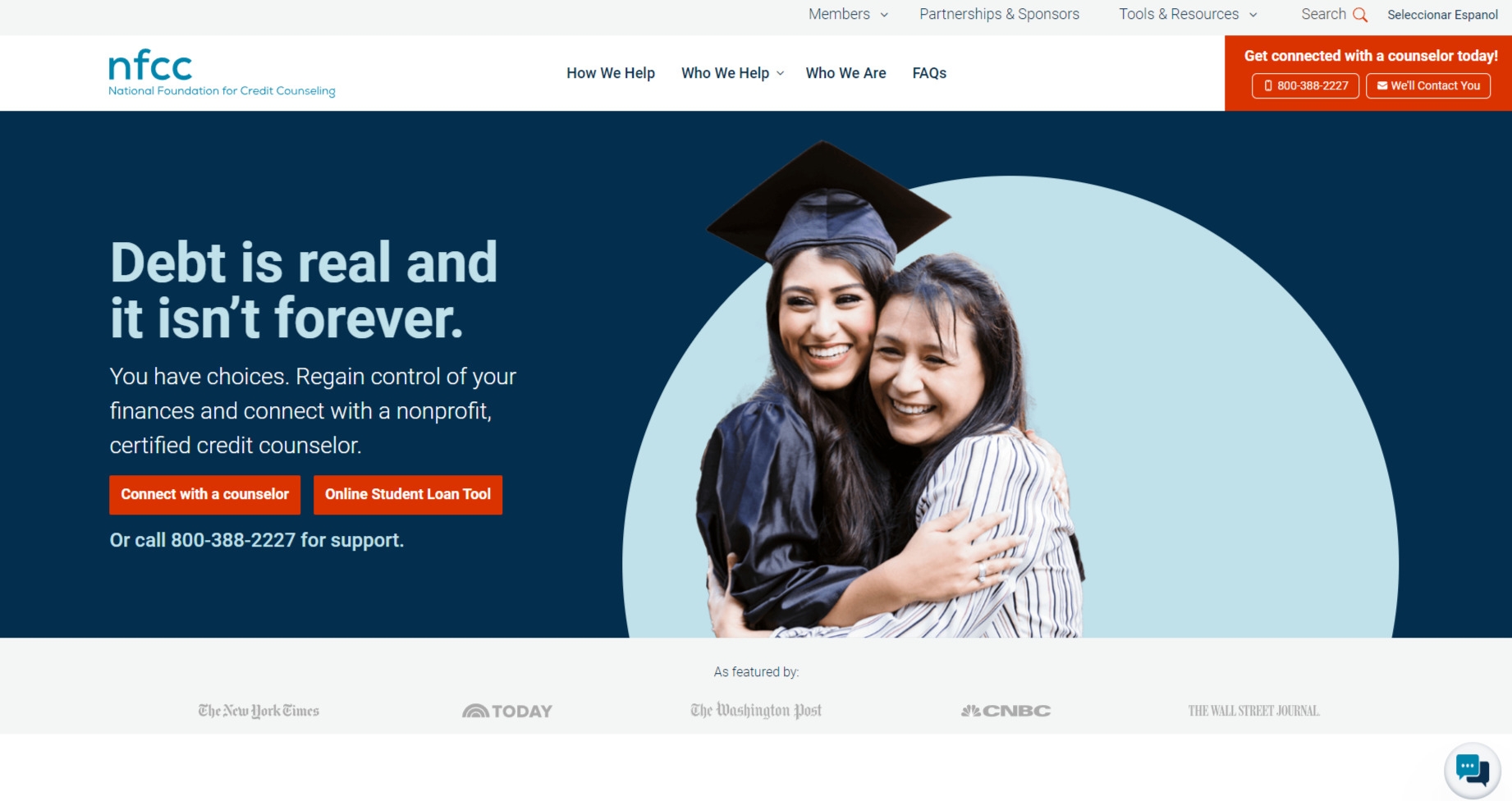
- National Foundation for Credit Counseling (NFCC): The hallmark of a legitimate non-profit counselor.
- International Association of Professional Debt Arbitrators (IAPDA): A standard for individual debt negotiators' training.
- Financial Integrity Network: A newer benchmark in 2026 that tracks the digital security of consumer financial data.
Analyzing Review Platforms and Data Sources
In 2026, the sources of debt org reviews have evolved to include more sophisticated data aggregation. Consumers should cross-reference information across multiple platforms to get a balanced perspective.
The Consumer Financial Protection Bureau (CFPB) Database
The CFPB Consumer Complaint Database is the most authoritative source for identifying systemic issues within a debt organization. Unlike star-rated reviews on commercial sites, CFPB data provides a factual record of grievances and how the company responded. An overview of debt org reviews is incomplete without checking if a company has a history of "unprofessional conduct" or "failure to provide promised services" in this federal registry.
Independent Financial Rating Agencies
Professional financial reviewers often use proprietary formulas to rank debt organizations. These reviews look past the marketing copy to examine the company’s capital reserves, the tenure of its leadership, and its history of litigation. In 2026, many of these agencies also evaluate the "AI transparency" of debt orgs—specifically how they use automated tools to predict settlement outcomes.
User-Generated Platforms
Sites like Trustpilot and the BBB’s user review section offer a "boots on the ground" perspective. However, they must be approached with caution. "Review bombing" or incentivized positive reviews can skew data. Effective reviewers look for "verified purchaser" tags and patterns in the comments. For instance, if twenty different reviewers mention that a specific account manager was unreachable, that is a more reliable data point than a single glowing five-star review.
Comparative Analysis of Debt Relief Structures
The following table provides a comparative overview based on standard review metrics for the primary types of debt organizations available in 2026.
| Metric | Non-Profit Credit Counseling | For-Profit Debt Settlement | Debt Consolidation Loan |
|---|---|---|---|
| Primary Goal | Interest rate reduction & education | Principal balance reduction | Monthly payment simplification |
| Typical Cost | Small monthly admin fee ($25–$75) | 15%–25% of the total enrolled debt | Interest on the loan (Varies) |
| Credit Impact | Neutral to slightly positive over time | Significant negative impact initially | Temporary dip from hard inquiry |
| Timeframe | 36 to 60 months | 24 to 48 months | 12 to 84 months |
| Regulatory Lead | FTC / State AGs | FTC / CFPB | OCC / State Banking Depts |
| Accreditation | NFCC / COA | IAPDA / Better Business Bureau | FDIC / NCUA Insurance |
Red Flags to Identify in Debt Relief Reviews
A sophisticated overview of debt org reviews must teach the reader how to spot deceptive practices. Even a company with a high average rating may be hiding predatory behaviors that surface in the "1-star" or "2-star" segments of their reviews.
- Upfront Fee Requirements: As previously noted, charging a fee before a settlement is achieved is illegal for telemarketed services. If reviews consistently mention "mandatory start-up costs," the company is likely non-compliant with FTC regulations.
- Guarantees of Debt Eradication: No legitimate organization can guarantee that a creditor will accept a settlement. Creditors like JPMorgan Chase or American Express often have internal policies against settling with certain types of firms. Reviews that claim "100% success guaranteed" are often fraudulent.
- Pressure to Stop Communication with Creditors: While debt settlement involves stopping payments to creditors to build a settlement fund, a reputable company will explain the risks (lawsuits, wage garnishment). Reviews that mention being "blindly told to ignore the phone" without legal context suggest a lack of consumer protection.
- "Government Program" Claims: There are very few federal "bailout" programs for private credit card debt. If a review highlights that a company marketed itself as a "government-authorized debt relief initiative," it is a sign of deceptive advertising.
The Role of Accreditations and Industry Standards
Accreditation is a voluntary process where a debt organization agrees to be audited by a third party. In 2026, the most significant accreditation for a non-profit is through the National Foundation for Credit Counseling (NFCC). Member agencies must provide annual audits and certify their counselors through a rigorous program.
For debt settlement, the International Association of Professional Debt Arbitrators (IAPDA) and the American Fair Credit Council (AFCC) provide the primary benchmarks. Reviews that mention these certifications are generally more trustworthy because the company has committed to a specific code of ethics.
However, consumers should not rely solely on icons at the bottom of a website. A thorough review overview involves verifying the membership directly on the accreditor's website. Scammers frequently "scrape" or copy-paste these logos onto fraudulent sites to mimic legitimacy.
How to Read a Review Effectively
To gain the most from an overview of debt org reviews, one must adopt a systematic reading strategy.
- Filter by Date: Financial regulations and company ownership change. A review from 2021 may no longer reflect the company's performance in 2026. Focus on the last 12 to 18 months.
- Look for Specificity: "They helped me a lot" is less useful than "They settled my $10,000 Chase account for $4,500 over 14 months, but I did receive two legal notices during the process."
- Observe the Response Quality: How does the company handle negative reviews? A professional, fact-based response to a complaint often indicates better customer service than a company that ignores its critics.
- Cross-Check with the IRS: For non-profits, use the IRS Tax Exempt Organization Search to ensure they are actually registered as a 501(c)(3). Some "debt orgs" claim non-profit status in reviews but are actually for-profit marketing engines.
Steps to Take After Reading Reviews
Reading an overview of debt org reviews is only the first step in the due diligence process. Once a consumer has narrowed down a list of potential organizations, they should take the following actions:
- Verify State Licensing: Most states require debt adjusters and credit counselors to be licensed to operate within that specific state. Check your state's Attorney General website or the Department of Financial Institutions.
- Request a Written Contract: Before providing any personal financial data or banking information, ask for a sample contract. Compare the terms in the contract to the claims made in the positive reviews you read.
- Consult a Professional: For complex debt situations, especially those involving potential bankruptcy or legal action, consulting a qualified attorney may be safer than relying solely on a debt relief organization.
Frequently Asked Questions
Can I trust debt org reviews on social media platforms? Social media reviews are often the least reliable. They are prone to bot activity and high-emotion responses that may not reflect the typical user experience. Use them only for a general sense of the company's public interaction, but prioritize the BBB, CFPB, and independent financial analysts for substantive data.
How do debt org reviews impact my credit score? Reading or searching for reviews has no impact on your credit. However, the organizations being reviewed certainly do. Credit counseling usually has a neutral to positive impact, while debt settlement almost always results in a significant, multi-year drop in your credit score. Reviews will often quantify how many "points" a user's score dropped during the program.
What should I do if I find a debt org with no reviews? A total lack of reviews in 2026 is a significant red flag. It may indicate a "phoenix company"—one that has shut down under a previous name due to legal trouble and reopened with a new name to escape its reputation. Always look for a company with at least a three-to-five-year history of verifiable reviews.
Do reviews mention the tax implications of debt relief? Sophisticated reviews from 2026 often mention the "1099-C" form. When a debt organization settles a debt for a lower amount, the IRS often views the "forgiven" portion as taxable income. If a debt org's reviews don't mention that they warned clients about this, it suggests the company may not be providing comprehensive financial advice.
Is the Better Business Bureau (BBB) still relevant for debt org reviews in 2026? Yes, the BBB remains a primary source for verifying a company’s physical location and its responsiveness to formal complaints. While the letter grade (A+ through F) can sometimes be influenced by membership fees, the actual text of the complaints and the company's rebuttals are invaluable for spotting patterns of bad behavior.
How can I tell if a review for a debt organization is fake? Fake reviews often use overly technical language that sounds like a marketing brochure, or they are extremely vague ("Great service! Highly recommend!"). In 2026, many fake reviews are generated by AI; look for repetitive sentence structures or a lack of specific details about the debts involved, such as the names of creditors or the length of the program.
Final Recommendation
When navigating "an overview of debt org reviews," the most effective strategy is to prioritize transparency and regulatory history over marketing-driven star ratings. For those with high-interest credit card debt who want to protect their credit, non-profit credit counseling remains the most positively reviewed path. For those facing extreme insolvency where bankruptcy is the only other option, debt settlement may be appropriate, provided the company has a clean record with the CFPB and no history of charging illegal upfront fees. Always verify state licensing and read the fine print of any agreement before committing to a multi-year financial program.