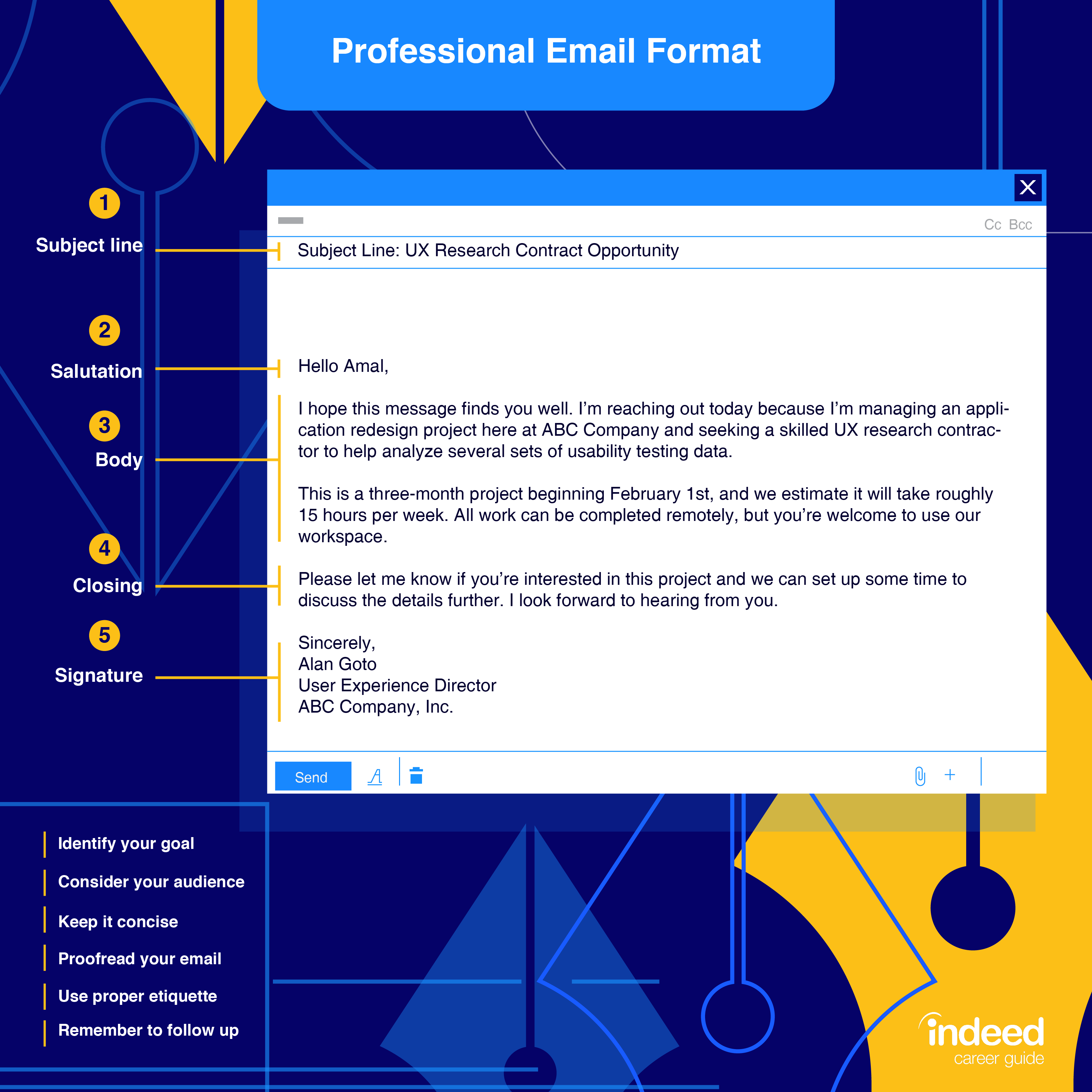
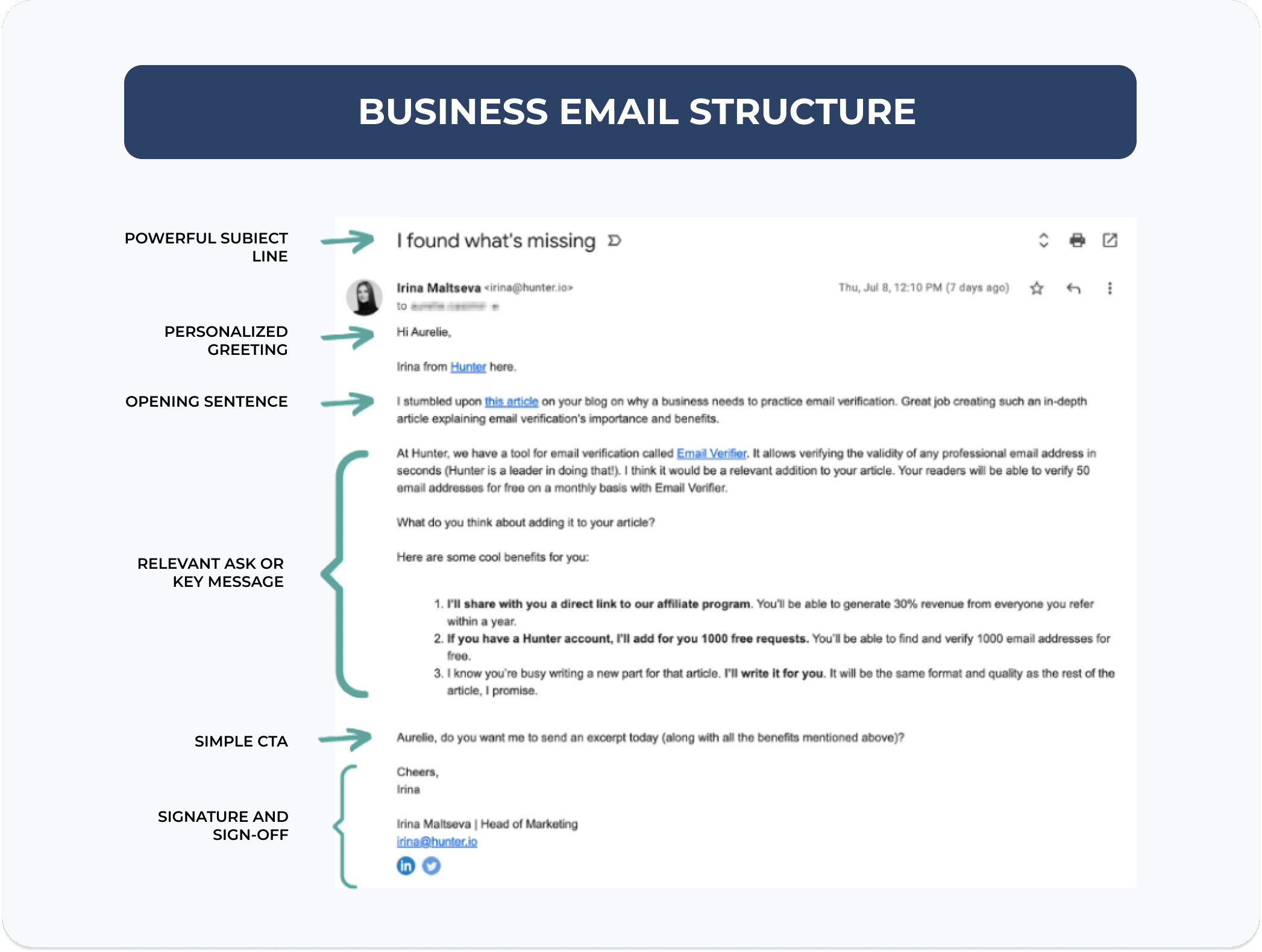
An official business email is a structured professional communication used to convey information, request actions, or document decisions within a corporate or legal context. It requires a specific anatomy consisting of a concise subject line, a formal salutation, a clear and actionable body, and a professional signature. These elements ensure clarity, maintain brand reputation, and provide a reliable paper trail for organizational operations.
The Anatomy of an Official Business Email
To write an effective official email, one must understand that every component serves a functional purpose. In the professional landscape of 2026, where attention spans are limited by high-volume asynchronous communication, the structure of your email determines whether your message is prioritized or ignored.
The Subject Line: The Gateway to Engagement
The subject line is the most critical element of an official email. It must be descriptive enough to allow the recipient to understand the content without opening the message, yet concise enough to be readable on mobile devices. A well-crafted subject line follows a "Context + Action/Topic" formula. For example, instead of writing "Update," a professional subject line would read "Action Required: Q3 Financial Report Approval." This provides the recipient with a clear understanding of the urgency and the specific project involved.
Professional Salutations and Their Context
The choice of salutation sets the tone for the entire interaction. While workplace cultures have become more flexible, official emails—especially those directed toward external stakeholders, clients, or senior leadership—should lean toward traditional formality. "Dear [Name]" remains the gold standard for official correspondence. If the recipient's name is unknown, "Dear [Department Name] Team" is preferable to the archaic "To Whom It May Concern," which can feel impersonal and detached in a modern business setting.
The Opening Statement and Contextualization
The first sentence of your email should establish why you are writing. This is not the place for lengthy pleasantries. In 2026, business etiquette favors "efficient warmth." You might begin with, "I am writing to provide the finalized project timeline for the Alpha Phase," or "Following our discussion on Tuesday, I have compiled the requested data." This immediate clarity respects the recipient's time and ensures the primary objective is front and center.
Comprehensive Official Email Examples for 2026
The following examples demonstrate how to apply formal structure to common business scenarios. These templates are designed to be adaptable while maintaining a high standard of professional rigor.
Example 1: The Formal Business Proposal or Request
This template is used when seeking approval, funding, or a partnership from an internal or external stakeholder.
Subject: Proposal for Integrated AI Resource Management Implementation
Salutation: Dear Mr. Henderson,
Body: I am writing to formally submit the proposal for the Integrated AI Resource Management system, as discussed during the executive briefing on January 12.
Our current analysis indicates that the implementation of this system will reduce operational latency by 18% within the first fiscal quarter. Attached to this email, you will find a comprehensive breakdown of the projected costs, the deployment timeline, and the expected ROI over a three-year period.
The primary objective of this transition is to centralize our data processing and ensure compliance with the 2026 Data Privacy Standards. We believe this alignment is crucial for our upcoming expansion into the European markets.
Call to Action: Please review the attached document at your earliest convenience. I would appreciate the opportunity to discuss any questions you may have during our scheduled meeting on Thursday at 2:00 PM.
Closing: Sincerely,
[Your Full Name] [Your Job Title] [Your Company Name]
Example 2: The Official Internal Policy Announcement
This format is essential for HR departments or management when communicating changes that affect the entire workforce.
Subject: Update to Remote Work and Security Protocol – Effective Feb 1
Salutation: Dear Team,
Body: This email serves as official notification regarding updates to our organizational Remote Work and Security Protocol, which will take effect on February 1, 2026.
As we continue to prioritize data integrity and employee flexibility, the Board of Directors has approved the following adjustments:
- Mandatory VPN Usage: All staff must utilize the updated Version 5.2 VPN for any access to the internal server.
- Core Hours Alignment: All departments will observe core synchronous hours between 10:00 AM and 3:00 PM EST to facilitate cross-time-zone collaboration.
- Monthly Security Audits: Individual workstations will undergo automated security checks on the first Friday of each month.
These changes are designed to support our hybrid work model while mitigating the increased cybersecurity risks identified in the recent industry audit.
Call to Action: All employees are required to acknowledge receipt of this policy change by clicking the "Acknowledge" button in the Employee Portal by January 25.
Closing: Best regards,
[Name of Executive/HR Director] Department of Human Resources [Company Name]
Comparing Formal and Informal Business Communication
Choosing the right level of formality is a skill that distinguishes effective leaders. The table below outlines the key differences between an official business email and a standard informal check-in.
| Feature | Official Business Email | Informal/Internal Check-in |
|---|---|---|
| Subject Line | Highly specific, often includes a reference code or deadline. | Brief, conversational (e.g., "Quick question"). |
| Salutation | Formal (Dear [Name], Dear [Title]). | Casual (Hi [Name], Hey Team). |
| Language Tone | Objective, third-person or professional first-person. | Colloquial, use of contractions and emojis. |
| Structure | Clearly defined paragraphs with a specific call to action. | Single block of text or bulleted list without formal intro. |
| Attachments | Usually includes formal reports, PDFs, or signed contracts. | May include screenshots, links to drafts, or memes. |
| Sign-off | "Sincerely," "Respectfully," or "Best regards." | "Thanks," "Cheers," or just the sender's initials. |
| Legal Weight | Often serves as a record of agreement or notification. | Generally used for workflow coordination only. |
The Role of Technical Depth in Professional Correspondence
Writing an official email in 2026 requires an understanding of more than just grammar; it requires an awareness of the technical environment in which the email exists.
Data Privacy and Confidentiality
In the current regulatory environment, an official email often includes a mandatory confidentiality notice. This is not merely a formality but a legal necessity for many sectors, including finance, healthcare, and law. When sending sensitive information, ensure that your email follows the General Data Protection Regulation (GDPR) or relevant local statutes if the data involves personal identifiers.
Accessibility and Formatting
Official emails must be accessible to all recipients. This means using standard fonts (like Arial or Calibri) that are easily read by screen readers and avoiding the use of color-coding as the sole method of conveying information. If you use a table, as shown above, ensure it is formatted using standard Markdown or HTML rather than being sent as an image, which cannot be indexed or read by assistive technologies.
Mobile Optimization
Over 70% of business professionals in 2026 read their emails on mobile devices first. To ensure your official email is effective, keep paragraphs short—no more than three to four sentences. Large blocks of text are difficult to navigate on a small screen and often lead to the recipient missing key details buried in the middle of the message.
Common Mistakes in Official Business Emails
Even experienced professionals can undermine their credibility through avoidable errors. Recognizing these pitfalls is the first step toward mastery.
- Vague Subject Lines: Subject lines like "Meeting" or "Information" fail to provide context. In a high-volume environment, these emails are often moved to the bottom of the priority list.
- Emotional Reactivity: An official email should never be written in the heat of the moment. If a situation is frustrating, draft the email, then wait an hour before reviewing and sending it. The tone should remain objective and focused on facts and solutions.
- The "Reply All" Trap: Using "Reply All" for a message that only concerns the sender is a breach of professional etiquette. It creates unnecessary clutter for others and can inadvertently share sensitive information with a wider audience than intended.
- Neglecting the Proofread: While AI-driven spell-checkers are ubiquitous in 2026, they often miss nuances in tone or the incorrect use of professional jargon. A manual read-through ensures that the "Why" and "How" of your message are accurately conveyed.
- Forgetting the Call to Action (CTA): Many official emails fail because they do not clearly state what the recipient is expected to do next. Every official email should end with a clear, actionable instruction or a specific question.
FAQs About Official Business Emails
What is the best closing for a formal business email in 2026?
The most appropriate closings remain "Sincerely," "Best regards," and "Respectfully." "Sincerely" is best for formal requests or external correspondence where a relationship is not yet established. "Best regards" is a versatile choice for established professional relationships, and "Respectfully" is ideal for communications directed toward superiors or government officials.
How long should an official business email be?
An official email should be as short as possible while still containing all necessary information. Most effective business emails are between 50 and 200 words. If the topic requires more than 300 words, it is often better to provide a summary in the email and attach a formal document for the full details.
Is it acceptable to use AI to write an official business email?
Yes, using AI to draft business correspondence is a standard practice in 2026. However, the AI should only provide the initial draft. A human must review the content for factual accuracy, tone appropriateness, and brand alignment. An unedited AI response often lacks the specific context and "human touch" required for sensitive official matters.
When should I use a CC or BCC in an official email?
"CC" (Carbon Copy) should be used for individuals who need to stay informed about the topic but are not the primary recipients of the action. "BCC" (Blind Carbon Copy) should be used sparingly, primarily for sending an email to a large group where you want to keep the recipients' email addresses private, or when subtly keeping a supervisor informed of a sensitive interaction without alerting the primary recipient.
Should I include an email signature in every message?
For official correspondence, a full signature is required in the initial email. This should include your name, title, company, phone number, and professional social links (such as LinkedIn). For subsequent replies in the same thread, a shortened signature (just your name) is acceptable to keep the conversation streamlined.
Practical Recommendation: Implementing Email Standards
To improve organizational communication, it is recommended that businesses develop an "Email Style Guide." This document should provide templates for common scenarios, define the preferred font and signature format, and outline the company’s expectations for response times.
By standardizing official business emails, an organization reduces the risk of miscommunication and presents a unified, professional image to clients and partners. If you are an individual professional, creating your own personal library of templates based on the examples provided above will save time and ensure your communication remains consistent and high-quality, regardless of the workload.