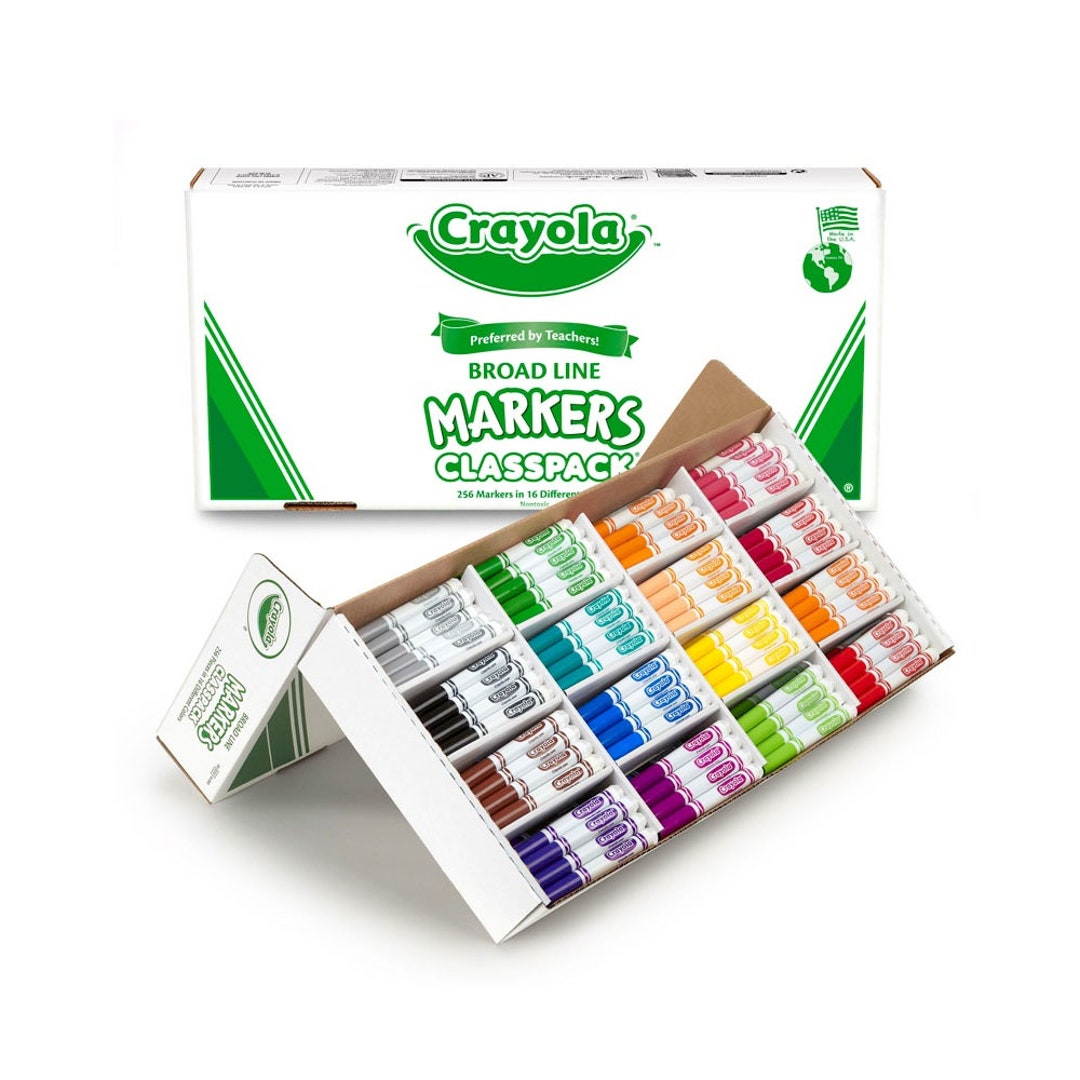
Crayola markers are labeled as non-toxic and are safe for children under normal use and even in cases of accidental ingestion. While the ink is not intended for consumption, swallowing a small amount or licking the marker tip typically causes no harm. The primary safety concern is the physical choking hazard posed by the cap or small plastic components.
Understanding the "Non-Toxic" Certification
When a parent discovers their toddler with a blue-stained mouth and a chewed-on marker, the immediate reaction is often panic. However, in 2026, as has been the case for decades, Crayola products remain some of the most rigorously tested consumer goods in the world. The "non-toxic" label is not just a marketing claim; it is a legal and toxicological designation governed by strict federal standards.
The most critical indicator of safety on a pack of Crayola markers is the AP (Approved Product) Seal from the Art & Creative Materials Institute (ACMI). This seal signifies that the product has been evaluated by an independent board-certified toxicologist. The evaluation ensures that the product contains no materials in sufficient quantities to be toxic or injurious to humans, including children, or to cause even minor acute or chronic health problems.
This certification process is dictated by ASTM D-4236, a standard practice for labeling art materials for chronic health hazards. Under the Federal Hazardous Substances Act, all art materials sold in the United States must undergo this evaluation. Crayola markers consistently meet these benchmarks, meaning that even if a child sucks on the felt tip or swallows a few drops of the liquid ink, the chemical exposure is well below any threshold of medical concern.
What Happens if a Child Consumes Marker Ink?
The ink in Crayola markers is primarily water-based. It is designed to deliver vibrant color without the use of harsh solvents like xylene or toluene, which were common in markers half a century ago.
The Digestion of Pigments and Dyes
The coloring agents used in Crayola markers are high-quality pigments and dyes. If ingested, these substances pass through the digestive system relatively unchanged. Because the volume of ink in a single marker is very small (usually only a few milliliters), the amount of dye actually entering the stomach is negligible.
You might notice a "rainbow" effect in the child's stool or a temporary staining of the tongue and lips. While visually alarming, these are purely cosmetic issues. The dyes are not absorbed into the bloodstream in any significant quantity. In 2026, the formulations continue to prioritize "washability," which refers not just to skin and clothes, but also to the ease with which the pigments break down when exposed to moisture.
Potential Mild Irritation
In very rare cases, if a child consumes a larger-than-normal amount of ink, they might experience mild gastrointestinal upset. This is usually due to the humectants (like glycerin) used to keep the ink flowing. These ingredients can have a very mild laxative effect if consumed in volume, but the amount found in one or two markers is rarely enough to cause more than a slightly soft stool.
Physical Hazards vs. Chemical Hazards
While the ink itself is safe, the physical structure of the marker presents a different set of risks. In the world of pediatric safety, the "mechanical" danger often outweighs the "chemical" danger when it comes to non-toxic art supplies.
Choking Risks
The marker cap is the most significant danger. Crayola designs their caps to be "ventilated" to meet international safety standards (such as ISO 11540). If a child accidentally swallows a cap and it becomes lodged in the trachea, the ventilation holes allow a small amount of air to pass through, providing a critical window of time for emergency intervention. However, a cap is still a foreign body and requires immediate medical attention if inhaled or swallowed.
Plastic Shards
If a child has enough bite strength to crack the plastic barrel of the marker, the resulting shards can be sharp. These can cause minor cuts in the mouth or, if swallowed, could potentially irritate the lining of the esophagus or stomach. If you find a shattered marker, check the child’s mouth for small cuts and ensure no large pieces of plastic were ingested.
Key Ingredients in Crayola Markers
Transparency regarding ingredients is a hallmark of modern safety standards. While proprietary formulas are protected, the general composition of a standard Crayola marker involves several key components that have been vetted for safety over decades.
- Water: The primary solvent for most child-friendly markers.
- Dyes/Pigments: Organic and inorganic colorants that are food-grade or near food-grade in safety profile.
- Humectants: Substances like glycerin or propylene glycol that prevent the marker from drying out. Note that propylene glycol is widely used in food and pharmaceutical products and is entirely different from the toxic ethylene glycol found in antifreeze.
- Preservatives: Small amounts of biocides are necessary to prevent the growth of mold or bacteria within the water-based ink. These are used in concentrations that are safe for human contact.
- Surfactants: These help the ink flow smoothly onto the paper surface and aid in the "washable" characteristics of the product.
Comparing Different Crayola Marker Lines
Not all markers are created equal. Crayola produces several different types of markers, and their safety profiles—while all non-toxic—vary slightly in terms of ingredients and intended use.
| Marker Type | Primary Solvent | Best For | Safety Notes |
|---|---|---|---|
| Ultra-Clean Washable | Water-based | Younger children | Easiest to remove from skin and surfaces; lowest irritation risk. |
| Broad Line (Original) | Water-based | General school use | The classic standard; AP-certified non-toxic. |
| Silly Scents | Water-based + Fragrance | Sensory play | Scented with food-grade fragrances; safe but may encourage licking. |
| Permanent Markers | Alcohol-based | Crafts/Industrial | Non-toxic but may contain alcohols that can cause mild irritation if licked. |
| Window Markers | Water-based/Waxy | Glass drawing | Designed for easy removal; safe for skin contact. |
Immediate Steps to Take After Ingestion
If you find that a child or pet has eaten a Crayola marker, follow these practical steps to ensure their safety:
- Stay Calm: Remember that the product is certified non-toxic. Stressing the child may lead to choking if they are still holding parts of the marker in their mouth.
- Clear the Mouth: Use a clean, damp cloth to wipe the child’s mouth, tongue, and teeth. Remove any remaining bits of plastic or felt.
- Offer Water: Have the child drink a few sips of water. This helps rinse the ink from the mouth and dilutes any ink that reached the stomach.
- Monitor for Symptoms: Over the next few hours, watch for signs of allergic reaction (though extremely rare) such as hives, swelling, or difficulty breathing. Also, watch for coughing or wheezing, which could indicate the inhalation of a small plastic part.
- Check for Stains: If ink is on the skin, use warm water and mild soap. Do not use harsh chemicals or alcohol to scrub the skin, as the scrubbing itself often causes more irritation than the ink.
When to Call a Doctor or Poison Control
While Crayola markers are non-toxic, there are specific situations where professional advice is warranted. You should contact a healthcare provider or the Poison Control Center (1-800-222-1222 in the US) if:
- The child swallowed the cap: This is a medical emergency due to the risk of airway obstruction or bowel blockage.
- A whole marker tip was ingested: The felt tip is small but firm and could potentially cause issues if it enters the airway.
- Vomiting occurs: If the child cannot keep water down or experiences persistent vomiting, they may have a physical obstruction or an unrelated illness.
- Pre-existing Allergies: If the child has extreme sensitivities to dyes or preservatives, a consultation is a safe precaution.
- The marker was not Crayola brand: Other brands, particularly those imported from regions with less stringent safety oversight, may not adhere to the same non-toxic standards as Crayola.
Environmental and Pet Safety
Parents are not the only ones who worry; pet owners often deal with "marker-eating" incidents as well.
Are Crayola Markers Toxic to Dogs and Cats?
For most household pets, the ink in a Crayola marker is generally safe. Dogs, in particular, are prone to chewing on markers because of the texture of the plastic and the interesting smells. Like humans, the ink will likely pass through the animal's system and result in colorful stools.
The real danger for pets is gastrointestinal (GI) obstruction. A dog that swallows the plastic barrel or the cap may face a life-threatening blockage. If your pet has consumed marker components, monitor for lethargy, loss of appetite, or vomiting, and contact a veterinarian immediately.
Preventing Future Incidents
While accidental ingestion isn't a medical crisis, it is still something most caregivers want to avoid. In 2026, many educators recommend a "supervised art" approach for children under the age of three.
- Proper Storage: Store markers in a container that requires adult dexterity to open, such as a snap-lock bin.
- The "Cap Check": Teach children that markers "go to sleep" when their caps click. This not only prevents the markers from drying out but also ensures the small caps aren't left lying on the floor.
- Age-Appropriate Tools: Use "My First Crayola" products for toddlers, which are often designed with ergonomic shapes that are harder to swallow or break.
Common Questions About Marker Safety
1. Is the ink in Crayola markers food-grade?
While the dyes and pigments used are often similar to those found in food coloring, the ink as a whole is not classified as "food-grade." It contains surfactants and preservatives that are safe for contact and accidental ingestion but are not intended to be part of a diet.
2. What if my child has blue or green skin for days?
Crayola's "Ultra-Clean" line is designed to come off with soap and water. If the stain is stubborn, applying a small amount of baby oil or vegetable oil can help break down the pigment before washing with soap. Do not scrub excessively, as this can damage the skin barrier.
3. Can the scent in "Silly Scents" markers be harmful?
The fragrances used in Crayola markers are tested for safety and are non-toxic. The main risk with scented markers is that they may entice a child to taste the marker more readily than an unscented one.
4. Is the ink flammable if a child gets it near a heat source?
Water-based Crayola markers are not flammable. The water content acts as a natural flame retardant for the liquid ink. However, the plastic casing of the marker is combustible and should be kept away from open flames.
5. Do Crayola markers contain gluten or common allergens?
Crayola states that most of its products are free from common allergens like nuts, dairy, and eggs. However, they are manufactured in facilities that may handle various materials. If a child has a severe gluten or soy allergy, it is best to check the specific product packaging for the most current 2026 allergen disclosures.
Final Recommendation
If your child has eaten or licked a Crayola marker, you can breathe a sigh of relief. The chemical formulation is designed specifically with the curiosity of children in mind. Focus your attention on ensuring they didn't swallow any plastic parts, rinse their mouth with water, and keep the marker out of reach for the remainder of the day. In the vast majority of cases, the only lasting effect will be a colorful tongue and a story to tell.