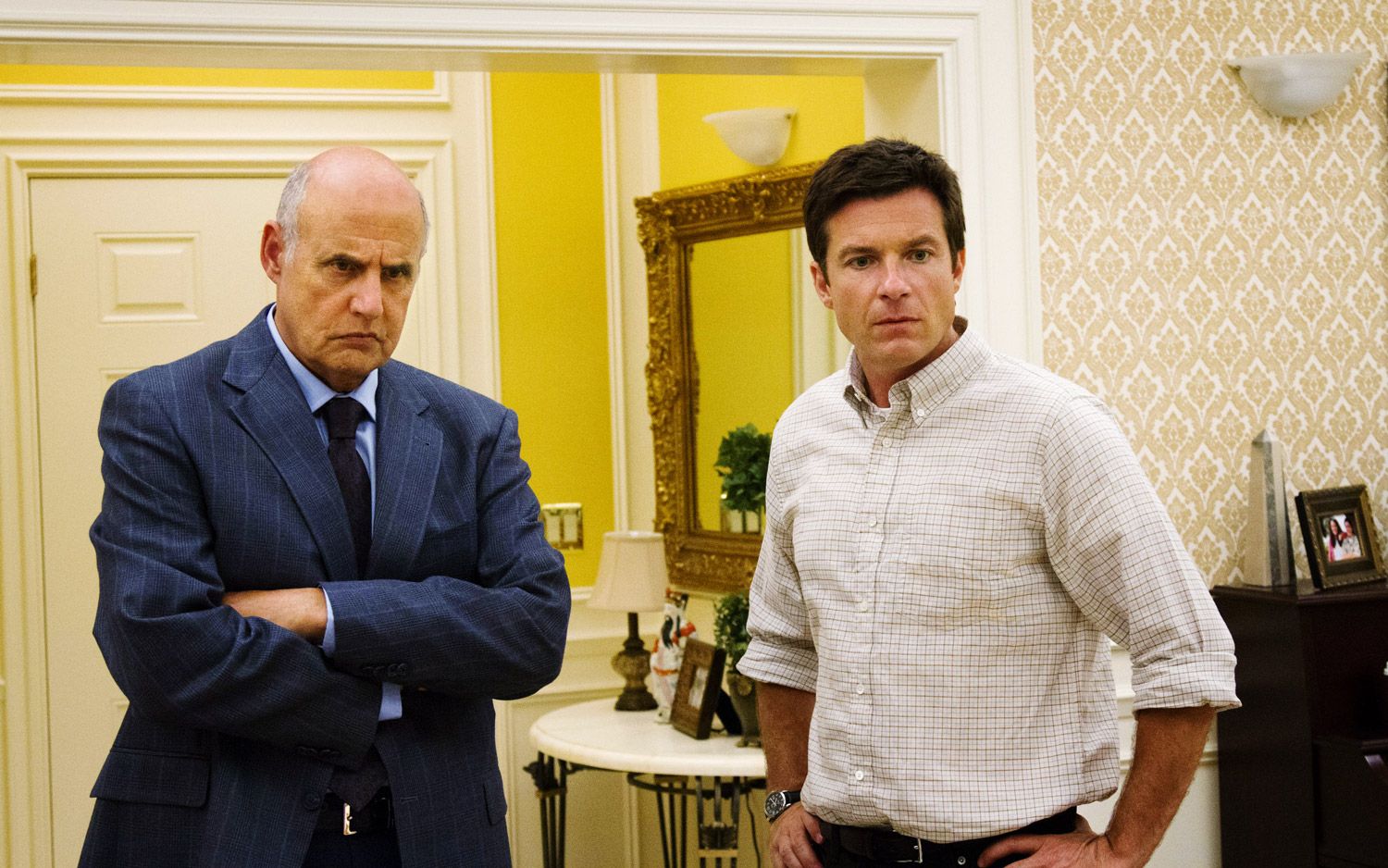
The Arrested Development controversy primarily centers on a 2018 New York Times cast interview where several male actors defended Jeffrey Tambor’s admitted verbal harassment of co-star Jessica Walter. This event, combined with separate allegations of misconduct and racial insensitivity involving other cast members, fundamentally altered the legacy of the acclaimed comedy series.
Understanding the Genesis of the Conflict
To fully grasp why Arrested Development transitioned from a beloved cult classic to a subject of intense scrutiny, one must examine the timeline of events leading up to the 2018 press circuit. While the show was celebrated for its intricate writing and "meta" humor during its original run on Fox (2003–2006), its revival on Netflix beginning in 2013 brought the cast back into a significantly different cultural climate.
The core of the controversy erupted in the wake of the #MeToo movement. In late 2017, Jeffrey Tambor, who played family patriarch George Bluth Sr., was accused of sexual harassment by two women on the set of his other major series, Transparent. While Tambor denied the allegations of sexual misconduct, he admitted to having a "volatile temper" and being "difficult to work with." Amazon eventually fired him from Transparent, but Netflix chose to proceed with the fifth season of Arrested Development, featuring Tambor in a central role.
This decision created a pressurized environment for the Season 5 promotional tour. Journalists were no longer asking about the "Banana Stand" or "Chicken Dances"; they were asking about the ethics of working with a man who had been publicly disgraced.
The Infamous 2018 New York Times Interview
The most damaging moment for the show’s reputation occurred during a group interview with the New York Times in May 2018. The interview included Jason Bateman, Will Arnett, Tony Hale, David Cross, Jessica Walter, and Jeffrey Tambor himself. What was intended to be a promotional piece became a visceral display of workplace toxicity and gender dynamics.
The Defense of Jeffrey Tambor
During the interview, the topic of Tambor’s behavior on the Arrested Development set was raised. Specifically, a "blowup" involving Jessica Walter was discussed. Jason Bateman, who played Michael Bluth, repeatedly attempted to normalize Tambor’s behavior, describing the acting profession as "amorphous" and suggesting that "outbursts" were a common part of the creative process.
Bateman’s comments were widely criticized as "mansplaining" verbal abuse. He suggested that because Tambor was a "pro," his behavior should be viewed through the lens of artistic temperament. Tony Hale and David Cross also chimed in with supportive comments for Tambor, effectively silencing the emotional gravity of the situation Walter was attempting to describe.
Jessica Walter’s Emotional Revelation
In a moment that became the focal point of the controversy, a tearful Jessica Walter addressed the incident directly. She stated that in 50 years of acting, she had never been yelled at in the way Tambor had yelled at her. "He never crossed the line on our show, with any, you know, sexual whatever," Walter said, "But he did harass me verbally, he was very difficult to work with."
The contrast between Walter’s visible distress and the male cast members' dismissive justifications created a public relations disaster. It painted a picture of a "boys' club" where a legendary actress was expected to internalize abuse for the sake of the ensemble’s harmony.
The Broader Fallout: David Cross and Charlyne Yi
The Tambor incident was not the only controversy shadowing the revival. In 2017, actress and comedian Charlyne Yi went public with allegations against David Cross (who played Tobias Fünke). Yi alleged that 10 years prior, during their first meeting, Cross had made several racist comments to her, including mock-Chinese sounds and asking if she was going to "fight him with karate."
Cross initially stated he did not remember the encounter but later issued a multi-part apology. He suggested that he might have been "in character" or trying to be funny in a way that missed the mark entirely. However, for many fans, this added to a growing sentiment that the Arrested Development cast harbored a culture of insensitivity that was increasingly out of touch with modern standards of conduct.
Cultural Sensitivity and Content Controversies
Beyond the personal conduct of the cast, the show’s content itself faced retrospective criticism as it transitioned into the 2020s. While Arrested Development was known for pushing boundaries, some of its recurring jokes began to be viewed through a more critical lens.
- The "British Eyes Only" Arc: The Season 3 storyline involving the character Rita (Charlize Theron) was built on the "reveal" that she was "mentally retarded" (using the terminology of the time). While the show intended to satirize the Bluth family’s oblivious nature, the use of a disability as a "twist" has been criticized by advocacy groups in recent years.
- Portrayals of Race: The show frequently utilized racial stereotypes for comedic effect, such as the character Annyong (the adopted Korean son) or Tobias Fünke’s frequent use of "blue-man" makeup (which some critics compared to the tropes of blackface).
- The Netflix Revival Structure: While not a "controversy" in the moral sense, the logistical and creative failures of Season 4 and 5 contributed to the show's decline. The cast's inability to film together due to scheduling led to heavily green-screened scenes and a disjointed narrative that stripped the show of its signature chemistry, making the off-screen drama feel even more prominent.
Comparing Key Controversies in the Show's History
The following table outlines the primary points of contention that have shaped the discourse surrounding the series from its revival through 2026.
| Controversy Type | Primary Figures | Nature of the Issue | Result/Public Response |
|---|---|---|---|
| Verbal Harassment | Jeffrey Tambor & Jessica Walter | Tambor admitted to a "volatile" outburst against Walter on set. | Major backlash against male cast members for defending Tambor. |
| Workplace Toxicity | Jason Bateman, Tony Hale | Defending Tambor's behavior as "part of the process" in a NYT interview. | Bateman and others issued public apologies following an outcry. |
| Racial Insensitivity | David Cross & Charlyne Yi | Yi accused Cross of making racist remarks during a 2007 encounter. | Cross apologized; intensified scrutiny of the "boys' club" atmosphere. |
| Sexual Harassment | Jeffrey Tambor | Allegations from the set of Transparent (Amazon). | Tambor fired from Transparent; Netflix kept him for Season 5. |
| Content Sensitivity | The Bluth Family / Writing | Jokes regarding disability and ethnic stereotypes in earlier seasons. | Retrospective criticism and removal of certain episodes/scenes on some platforms. |
The Industry Impact: A Shift in Media Relations
The Arrested Development controversy serves as a landmark case study in how not to handle a PR crisis in the modern era. The New York Times interview is frequently cited by media trainers as an example of how "loyalty" can become a liability when it overrides empathy for a victim of harassment.
Following the backlash, Netflix cancelled several promotional events for Season 5, including a planned UK press tour. Jason Bateman, Tony Hale, and David Cross all eventually issued individual apologies, acknowledging that they had "misgendered the conversation" and failed to support Walter in the moment. However, the damage to the show’s legacy was largely seen as irreparable. The once-unanimous critical acclaim for the series was replaced by a more complicated narrative about the cost of creative genius.
The Legacy of Jessica Walter
In the years following the controversy and up to 2026, the narrative has shifted heavily toward honoring Jessica Walter, who passed away in 2021. Walter’s professionalism in the face of both the on-set harassment and the subsequent dismissal by her peers solidified her status as a legendary figure in television history.
Her performance as Lucille Bluth remains one of the most celebrated in comedy, but it is now inseparable from the knowledge of the difficulties she faced behind the scenes. For many viewers, the controversy highlighted the invisible labor and emotional resilience required of veteran actresses working in male-dominated ensembles.
Technical Analysis of the Production Failures
While the social controversies were the primary focus, the technical execution of the later seasons contributed to the sense that the show had "lost its way." In Season 4, the "Rashomon-style" storytelling was a response to the fact that the cast could rarely be in the same room. This required extensive use of body doubles and digital compositing.
By the time Season 5 arrived—the season embroiled in the Tambor controversy—the production felt strained. The "Remix" of Season 4 (titled Fateful Consequences) was an attempt by creator Mitch Hurwitz to return the show to its original fast-paced format, but it couldn't erase the underlying tension that now permeated the brand.
Frequently Asked Questions
Did Jeffrey Tambor get fired from Arrested Development?
No. Unlike his experience with the show Transparent, where he was removed following sexual harassment allegations, Netflix and the producers of Arrested Development chose to keep Tambor for the entirety of Season 5. His character, George Bluth Sr., remained a central figure in the plot.
What did Jason Bateman say in the NYT interview?
Bateman essentially argued that the acting world is unique and that emotional outbursts are a common, if unpleasant, side effect of the "creative process." He stated, "Again, not to belittle it or excuse it or anything, but in the comedy world… you’re dead inside. A little bit." This was seen as a way of minimizing Jessica Walter’s experience of being verbally harassed.
How did the controversy affect the show's ratings?
While Netflix does not release traditional ratings, the critical reception for Season 5 was significantly lower than for the original Fox run. The "Rotten Tomatoes" scores and general public sentiment showed a marked decline, with many viewers citing the off-screen drama as a reason for their waning interest in the series.
Are there any episodes of Arrested Development that were banned?
As of 2026, most episodes remain available on streaming platforms. However, there has been internal debate at various networks and streaming services regarding episodes that feature "brownface" (Tobias Fünke) or the "British Eyes Only" storyline. Unlike some other comedies from that era, such as 30 Rock or The Office, Arrested Development has largely kept its catalog intact, though with added content warnings in some regions.
Did Jessica Walter ever forgive her co-stars?
In the 2018 interview itself, Walter stated, "I have to let go of [the anger]. I have to give [Tambor] a chance to, you know, for us to be friends again." While Bateman and others apologized privately and publicly, the emotional rift during that press tour was never fully erased in the public consciousness before her death in 2021.
Final Recommendations for Viewers
For those approaching Arrested Development in 2026, it is helpful to view the show as a two-part historical artifact. The original three seasons (2003–2006) represent a pinnacle of television comedy writing that changed the landscape of the sitcom. The revival seasons (2013–2019) are best viewed as a more complex, troubled chapter that reflects both the changing nature of the television industry and the shifting social standards of the late 2010s.
When watching the series, understanding the Arrested Development controversy provides necessary context for the shifting dynamics between the characters and the overall tone of the later episodes. It remains a cautionary tale for the entertainment industry regarding workplace conduct and the importance of fostering an environment where all performers, regardless of gender or tenure, are treated with fundamental respect.