As of 2026, the landscape of sports media has shifted significantly, marking the conclusion of Tony Reali’s legendary tenure as the moderator of Around the Horn. After more than two decades of defining afternoon sports television, the show's transition signals a broader move toward digital-first, personality-driven content within ESPN’s evolving ecosystem.
The Legacy of Tony Reali and the Around the Horn Format
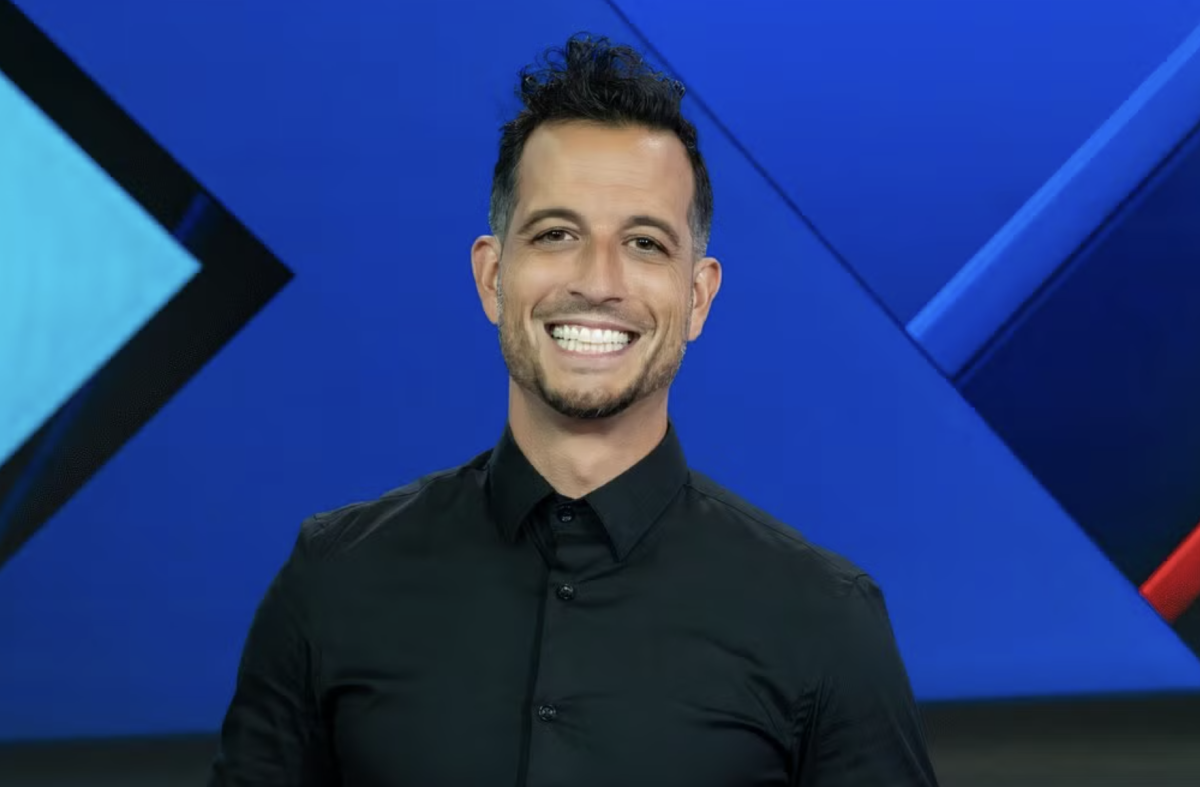
For over twenty years, Around the Horn stood as a pillar of ESPN’s "afternoon block," bridging the gap between the news-heavy SportsCenter and the chemistry-driven Pardon the Interruption. Tony Reali, who took over hosting duties from Max Kellerman in 2004, became the definitive face of the program. Originally known to audiences as "Stat Boy" on PTI, Reali evolved into a sophisticated conductor of sports discourse, balancing the egos and insights of a rotating panel of the nation’s top sportswriters.
The format was revolutionary for its time. Unlike standard talk shows, Around the Horn functioned as a game show where the prize was simply the "face time" of the final word. Reali’s role was part-judge, part-host, and part-producer. He controlled the "mute" button—a tool that became iconic in sports media—and awarded points based on the logic, humor, and "correctness" of the panelists' arguments. This gamified approach to journalism forced writers to be concise, witty, and deeply prepared, effectively training a generation of journalists in the art of the "soundbite."
By 2026, looking back at Reali's tenure reveals more than just a host; it shows a moderator who brought a unique level of empathy and social-emotional intelligence to a genre often criticized for being overly aggressive or "shouty." Reali’s willingness to discuss mental health, fatherhood, and the human element of sports changed the tone of the show, making it a more inclusive space even as the competitive scoring remained.
The Economic and Strategic Shift at ESPN
The transition of Around the Horn and Tony Reali’s role cannot be viewed in isolation. It is a direct result of the seismic shifts in the media industry that reached a boiling point between 2024 and 2025. As Disney, ESPN's parent company, leaned heavily into its direct-to-consumer (DTC) future, the traditional linear cable model faced unprecedented pressure.
In the 2026 media environment, ESPN has fully integrated its standalone streaming service with the core Disney+ platform. This integration required a re-evaluation of every long-standing program. Around the Horn, while consistently profitable and popular, operated on a production model designed for a linear television grid. The move toward "what comes next" was driven by several factors:
- Production Costs vs. Digital Reach: Coordinating four remote journalists daily across various time zones involves significant overhead. In the digital age, audiences are increasingly gravitating toward single-personality streams or unedited long-form podcasts.
- The Rise of Individual Brands: Panelists like Woody Paige, Bill Plaschke, and Mina Kimes developed brands that often transcended the show itself. ESPN’s strategy in 2026 focuses on leveraging these individual "megabrands" across social media and specialized digital verticals rather than confining them to a 30-minute competitive slot.
- Ad Inventory and Integration: Digital-first content allows for more granular data collection and targeted advertising. The rigid structure of Around the Horn left little room for the kind of integrated, "native" advertising that now dominates platforms like YouTube and the integrated ESPN app.
Analyzing the "End of an Era"
When we speak of the "end of an era," we are referring to the specific 5:00 PM to 6:00 PM EST block that defined sports culture for Gen X and Millennials. The departure of Tony Reali from the daily moderator chair marks the final transition of the "Stat Boy" generation.
The era was defined by a specific type of sports literacy. To succeed on the show, panelists had to be well-versed in the "Daily Notes," the local nuances of their respective markets (Boston, Denver, Los Angeles, etc.), and the broader national narrative. Reali’s mastery of the "Mute" button wasn't just about silencing noise; it was about maintaining a standard of discourse. As this era concludes, the question of who—or what—will maintain that standard remains a primary concern for sports media critics.
The Evolution of the "Mute" Button
In the 2020s, the "mute" button became a metaphor for content moderation in the digital age. Reali used it with a mix of playfulness and discipline. In 2026, the concept of a "moderated debate" is rarer. Most sports content has moved toward "hot takes" that thrive on lack of moderation. The "end" of the classic Around the Horn format signifies a shift away from curated, scored debate toward more chaotic, engagement-driven formats.
What Comes Next: The Future of Tony Reali and Sports Talk
As we navigate 2026, Tony Reali has not disappeared from the media landscape; rather, his role has evolved to match the platform's needs. The "what comes next" for Reali and the Around the Horn brand has manifested in three primary ways:
1. The Digital Reimagining
ESPN has transitioned the Around the Horn IP into a "Digital First" series of short-form, high-impact segments. Instead of a linear 30-minute show, the brand now exists as a series of "Quick Hits" available on the ESPN app and social media. Reali continues to provide voice-over and occasional video "scoring" for these segments, but the demand for a daily, scheduled broadcast has shifted.
2. Tony Reali as a Multi-Platform Voice
In 2026, Reali has expanded his portfolio. He has become a prominent figure in ESPN’s storytelling and features department. His ability to connect with athletes on a personal level has translated into a successful long-form interview series that focuses on the intersection of sports and mental wellness. This move leverages his established credibility while moving away from the "traffic cop" duties of a game show moderator.
3. The New "Debate" Landscape
The space once occupied by Around the Horn is now largely filled by creator-led content. Personalities like Pat McAfee have paved the way for a more informal, "hangout" style of sports media. In 2026, the "next" version of sports debate is less about points and scoring and more about community and real-time interaction through live chats and integrated betting data.
Comparative Evolution: 2002 vs. 2026
The following table illustrates the shift in the sports debate landscape from the inception of Around the Horn to the current 2026 reality.
| Feature | The Classic Era (2002-2024) | The New Era (2025-2026+) |
|---|---|---|
| Primary Platform | Linear Cable (ESPN) | Streaming (Disney+/ESPN App) |
| Host Role | Moderator/Judge (Tony Reali) | Curator/Content Creator |
| Panelist Format | Four-person competitive grid | Individual "Megabrands" & Creators |
| Scoring | Points awarded by host | Engagement metrics (Views, Likes, Shares) |
| Content Length | 30 Minutes (fixed) | Variable (30 seconds to 3 hours) |
| Revenue Model | Traditional TV Commercials | Subscription & Integrated Betting/Retail |
| Audience Interaction | Passive Viewing | Active (Live Chat, Polls, Betting) |
The Impact on Sports Journalism
One of the most significant consequences of the "end of an era" for Around the Horn is the impact on local sports journalism. For decades, the show provided a national platform for writers from the Denver Post, Los Angeles Times, Boston Globe, and Miami Herald.
As the show transitioned, these writers lost a vital link to a national audience. The "what comes next" for these journalists involves a pivot toward local digital subscriptions and independent newsletters (Substack, etc.). While many of the show's regulars have successfully made this transition, the loss of a centralized "Town Square" for sports writers is felt throughout the industry in 2026.
Prerequisites for Navigating the New Media Landscape
For fans who grew up with Tony Reali and are looking for similar content in 2026, it is important to understand the new technical and subscription requirements:
- Platform Consolidation: Most "legacy" ESPN talent has been moved behind the ESPN/Disney+ paywall. Ensuring your subscription is active is necessary to access Reali’s new projects.
- Social Integration: To follow the "What Comes Next" version of sports debate, users must be active on platforms like X (formerly Twitter), TikTok, and YouTube, where the "points" are now essentially "views."
- On-Demand Consumption: The concept of "tuning in at 5 PM" is largely obsolete. Fans must adapt to using "Notify Me" features on mobile apps to catch live-streamed debates as they happen.
Frequently Asked Questions
Is Tony Reali still with ESPN in 2026?
Yes, Tony Reali remains a key personality at ESPN, though his role has shifted from a daily studio host to a senior storyteller and feature contributor. He also moderates specialized digital-only versions of the Around the Horn brand during major sporting events like the Super Bowl or the Olympics.
Why was the original Around the Horn format changed?
The change was primarily driven by the transition of ESPN to a direct-to-consumer streaming model. The high production costs of a daily four-way remote broadcast were less efficient in an era where audiences prefer on-demand, snackable content or unscripted long-form personality shows.
Who won the most episodes of Around the Horn?
Over the show's 20+ year history, Woody Paige holds the record for the most wins, followed closely by Bill Plaschke. These statistics remain a point of pride and a frequent topic of discussion in the 2026 retrospective digital "Hall of Fame" dedicated to the show.
Where can I watch old episodes of Around the Horn?
ESPN has archived a significant portion of the "Reali Era" on its streaming platform. These are often organized by "Greatest Debates" or "Legendary Mutes," allowing fans to revisit the show’s peak years.
How did the mute button actually work?
Tony Reali operated the mute button from his console on the set. It physically cut the audio feed from the specific panelist's location. In the later years of the show, this was integrated into the digital interface, allowing for visual "X" marks to appear over the panelist's box on screen.
What happened to the other panelists?
Most of the regular panelists have transitioned into roles that emphasize their individual brands. Many contribute to ESPN’s written digital content, host their own podcasts, or appear as analysts on specialized sport-specific shows (like NBA Today or NFL Live).
Practical Recommendations for Fans
For those who miss the daily ritual of Around the Horn, the best course of action in 2026 is to follow the individual "social verticals" of your favorite former panelists. While the unified show has evolved, the spirit of the debate continues in decentralized forms.
- Subscribe to the "ESPN Originals" section on Disney+ to find Tony Reali’s new long-form interview series.
- Follow the "ATH Legacy" playlist on YouTube for daily 5-minute competitive recaps of the day’s biggest stories.
- Engage with the "Stat Boy" retrospective on social media, where Reali frequently interacts with fans to discuss the history of sports media and the evolution of the "Stat Boy" persona.
The end of the Reali era is not an ending of sports discourse, but a transformation. As the 2026 media landscape proves, the appetite for informed, witty, and fast-paced sports debate is as strong as ever—it simply requires a different "mute" button for a different age.