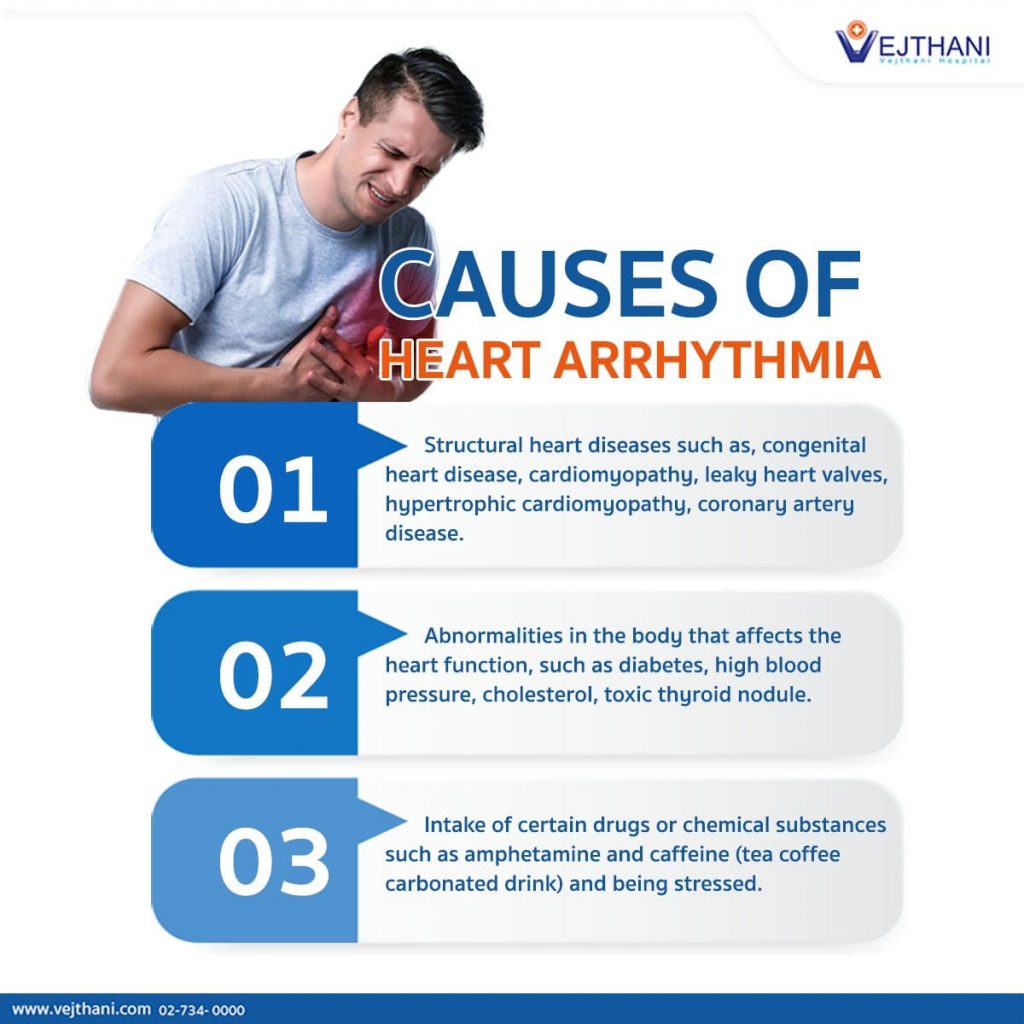
Arrhythmia risk factors include a mix of non-modifiable traits like age and genetics, and manageable conditions such as hypertension, diabetes, and sleep apnea. Lifestyle choices—including tobacco use, excessive alcohol consumption, and chronic stress—also significantly increase the likelihood of developing irregular heart rhythms by putting undue strain on the heart’s electrical system.
An arrhythmia is any deviation from the normal sequence of electrical impulses in the heart. These electrical signals control the heart's rate and rhythm; when they malfunction, the heart may beat too fast (tachycardia), too slow (bradycardia), or irregularly. As of 2026, clinical understanding has evolved to view arrhythmias not just as isolated electrical glitches, but as complex outcomes of cumulative physiological stressors. Identifying these risk factors early is the primary defense against complications such as stroke, heart failure, and sudden cardiac arrest.
Modifiable vs. Non-Modifiable Risk Factors
To effectively manage heart health, it is essential to distinguish between the factors we can control and those we cannot. This distinction allows patients and healthcare providers to focus interventions where they will have the most significant impact.
Non-Modifiable Factors: The Biological Foundation
Biological factors set the baseline for an individual’s cardiac vulnerability. While these cannot be changed, being aware of them allows for more aggressive monitoring of modifiable risks.
- Age: The most significant non-modifiable factor is aging. Over time, the heart’s internal conduction system undergoes natural "wear and tear." Fibrosis—the development of excess fibrous connective tissue—can occur in the heart muscle, disrupting the smooth flow of electrical impulses. By 2026, geriatric cardiology has increasingly focused on preventing this age-related electrical remodeling.
- Genetics and Family History: Certain arrhythmias, such as Long QT syndrome, Brugada syndrome, and Wolff-Parkinson-White syndrome, are often inherited. If a first-degree relative has experienced an unexplained sudden cardiac death or a diagnosed arrhythmia, the genetic predisposition for similar issues increases significantly.
- Congenital Heart Defects: Individuals born with structural abnormalities in the heart are at a higher risk throughout their lives. Even after surgical correction, the presence of scar tissue from previous procedures can become a focal point for irregular electrical activity.
Modifiable Factors: The Power of Intervention
Modifiable factors are those related to lifestyle and the management of secondary health conditions. These represent the "actionable" side of cardiac health.
- High Blood Pressure (Hypertension): Persistent high pressure forces the heart to work harder to pump blood. This causes the left ventricle to thicken and enlarge (left ventricular hypertrophy), which alters the heart’s electrical pathways.
- Body Mass Index (BMI) and Obesity: Excess weight is a primary driver of Atrial Fibrillation (AFib). Obesity causes structural changes in the atria and increases systemic inflammation, both of which trigger electrical instability.
- Substance Use: Tobacco, excessive alcohol, and certain illicit drugs (like stimulants) act as direct irritants to the heart muscle.
Underlying Cardiovascular Diseases and Their Impact
Arrhythmias rarely occur in a vacuum; they are frequently a symptom or a complication of an existing cardiovascular condition. The interplay between structural heart disease and electrical function is a core focus of modern electrophysiology.
Coronary Artery Disease (CAD)
CAD remains a leading cause of arrhythmias. When the arteries supplying the heart with blood become narrowed or blocked, the heart muscle does not receive enough oxygen (ischemia). Ischemic tissue is electrically unstable. If a heart attack occurs, the resulting scar tissue does not conduct electricity. Electrical impulses must "detour" around this scar tissue, which can create a "re-entry" circuit, leading to life-threatening ventricular arrhythmias.
Heart Failure
In heart failure, the heart's pumping ability is compromised. This often leads to the chambers of the heart becoming dilated or stretched. Stretching the heart muscle fibers changes their electrical properties, making them more prone to firing prematurely or irregularly. Patients with a low ejection fraction (a measure of how much blood the heart pumps out with each beat) are at particularly high risk for both atrial and ventricular arrhythmias.
Valvular Heart Disease
Leaky or narrowed heart valves (such as mitral valve prolapse or aortic stenosis) cause blood to back up or flow inefficiently. This creates pressure imbalances within the heart chambers. When the atria or ventricles are subjected to chronic pressure, they undergo structural remodeling, which is a precursor to chronic arrhythmia.
Chronic Metabolic and Respiratory Conditions
Beyond the heart itself, several systemic conditions significantly elevate the risk of developing a rhythm disorder. These conditions often create an environment of chronic stress or chemical imbalance that the heart's electrical system cannot withstand.
Obstructive Sleep Apnea (OSA)
As of 2026, the link between OSA and Atrial Fibrillation is one of the most emphasized areas in preventative cardiology. Sleep apnea causes repeated drops in blood oxygen levels (hypoxia) and significant swings in intrathoracic pressure. These events trigger the autonomic nervous system and cause "atrial stretching," which are direct precursors to AFib episodes. Managing OSA with CPAP therapy is now considered a fundamental part of arrhythmia management.
Diabetes Mellitus
Diabetes affects the heart in multiple ways. Beyond its role in accelerating coronary artery disease, chronic high blood sugar can lead to diabetic cardiomyopathy and autonomic neuropathy. When the nerves that regulate the heart rate are damaged, the heart may lose its ability to respond appropriately to physical stress or rest, leading to inappropriate sinus tachycardia or other rhythm disturbances.
Thyroid Dysfunction
The thyroid gland regulates the body’s metabolism through hormones. An overactive thyroid (hyperthyroidism) can "overdrive" the heart, leading to palpitations and AFib. Conversely, an underactive thyroid (hypothyroidism) can cause the heart rate to slow down excessively (bradycardia).
| Arrhythmia Type | Primary Risk Factors | Clinical Significance |
|---|---|---|
| Atrial Fibrillation (AFib) | Hypertension, Obesity, Sleep Apnea, Age | High risk of stroke and heart failure. |
| Bradycardia | Aging, Hypothyroidism, Medications (Beta-blockers) | Can cause fainting (syncope) and fatigue. |
| Ventricular Tachycardia (VT) | Heart Attack History, CAD, Electrolyte Imbalance | Life-threatening; requires immediate intervention. |
| Supraventricular Tachycardia (SVT) | Stress, Caffeine, Congenital pathways | Common in younger populations; often benign but distressing. |
| Premature Ventricular Contractions (PVCs) | Anxiety, Stimulants, Low Magnesium/Potassium | Usually harmless but can indicate underlying heart disease if frequent. |
Lifestyle, Environment, and Temporary Triggers
Sometimes, arrhythmias are triggered by acute exposure to specific substances or emotional states. While these may be temporary, frequent exposure can lead to permanent changes in the heart's rhythm.
The Role of Stress and Anxiety
Chronic stress maintains the body in a state of "fight or flight," flooding the system with adrenaline and cortisol. These hormones increase the heart rate and blood pressure, making the heart more sensitive to electrical misfires. Mental health management is now integrated into cardiac recovery programs in 2026 to mitigate this specific risk.
Dietary Stimulants and Alcohol
Caffeine is a well-known stimulant that can trigger palpitations in sensitive individuals. However, alcohol is often a more potent trigger. "Holiday Heart Syndrome" refers to arrhythmias (usually AFib) brought on by excessive alcohol consumption in individuals with otherwise healthy hearts. Alcohol's toxic metabolites can directly interfere with the heart's electrical signaling.
Electrolyte Imbalance
The heart's electrical signals are generated by the movement of ions—primarily sodium, potassium, calcium, and magnesium—across the cell membranes of heart muscle cells. If these electrolytes are too high or too low, the heart’s electrical system cannot function. This is often seen in cases of severe dehydration, kidney disease, or as a side effect of diuretic medications.
Medications and Supplements as Risk Factors
Both prescription and over-the-counter (OTC) substances can inadvertently trigger arrhythmias. It is vital for patients to disclose all supplements to their healthcare providers.
- Stimulant Medications: Drugs used to treat ADHD or certain decongestants (containing pseudoephedrine) can significantly increase the heart rate.
- Anti-arrhythmic Drugs: Paradoxically, some drugs used to treat one type of arrhythmia can trigger another. This is known as "proarrhythmia" and requires close medical supervision.
- Herbal Supplements: Certain "natural" supplements, such as ephedra (though restricted in many regions) or high doses of bitter orange, can act as potent stimulants.
- Antibiotics and Antifungals: Specific classes of antibiotics (like macrolides) are known to prolong the QT interval, which can lead to a dangerous rhythm called Torsades de Pointes.
Screening and Monitoring in 2026
The landscape of identifying arrhythmia risk factors has changed with the proliferation of wearable technology. In 2026, smartwatches and wearable patches provide continuous ECG monitoring, allowing for the detection of "subclinical" arrhythmias—irregular rhythms that are present but haven't yet caused noticeable symptoms.
Clinical guidelines now suggest that individuals with multiple risk factors (such as a BMI over 30 and hypertension) should use these tools for proactive screening. Early detection of AFib, for example, allows for the initiation of anticoagulation therapy to prevent strokes before they ever occur.
Frequently Asked Questions
Can stress alone cause a permanent arrhythmia?
While acute stress typically causes temporary palpitations or tachycardia, chronic stress can lead to long-term hypertension and structural changes in the heart. These physical changes can eventually result in a permanent or persistent arrhythmia. Managing stress is a recognized component of maintaining a healthy heart rhythm.
How does alcohol increase the risk of AFib?
Alcohol acts as a direct toxin to the heart cells and can trigger autonomic nervous system changes. It also contributes to other risk factors like obesity and high blood pressure. Even moderate drinking has been shown in clinical studies to increase the risk of Atrial Fibrillation in some individuals.
Are all heart palpitations a sign of an arrhythmia?
Not necessarily. Palpitations are the sensation of a heart beating irregularly. They can be caused by anxiety, caffeine, or even a strong emotional response. However, if palpitations are frequent, accompanied by dizziness, or occur in someone with known heart disease, they should be evaluated by a professional to rule out a clinical arrhythmia.
Is an arrhythmia always dangerous?
No. Many arrhythmias, such as occasional premature contractions (PVCs or PACs), are common and generally harmless in people without underlying heart disease. However, others, like ventricular fibrillation, are medical emergencies. The danger level depends on the type of arrhythmia and the health of the rest of the heart.
Can magnesium supplements help prevent arrhythmias?
Magnesium plays a critical role in stabilizing the heart's electrical activity. While supplements can help individuals with a verified deficiency, they should not be taken without medical advice. Excessive magnesium can also cause health issues, and it is usually best to obtain minerals through a balanced diet.
How often should I be screened if I have a family history?
If you have a strong family history of heart rhythm disorders, especially sudden cardiac death at a young age, you should consult a cardiologist for a baseline evaluation. This may include an ECG, an echocardiogram, or genetic testing. The frequency of follow-ups will depend on your specific clinical profile.
Next Actions for Heart Health
To minimize your risk of developing an arrhythmia, focus on the "Big Three" modifiable factors: Blood Pressure, Weight, and Sleep Quality.
- Monitor Your Pressure: Aim for a consistent blood pressure reading below 120/80 mmHg. Use home monitoring if you have a history of hypertension.
- Evaluate Your Sleep: If you snore loudly or feel exhausted despite a full night's sleep, request a sleep study to check for obstructive sleep apnea.
- Audit Your Stimulants: Take note of how your heart reacts to caffeine, alcohol, and OTC cold medications. Reducing or eliminating these triggers can often resolve minor palpitations.
If you experience unexplained fainting, severe shortness of breath, or a racing heart that does not slow down with rest, seek medical attention immediately. Early intervention remains the most effective way to manage arrhythmia risk factors and ensure long-term cardiovascular health.