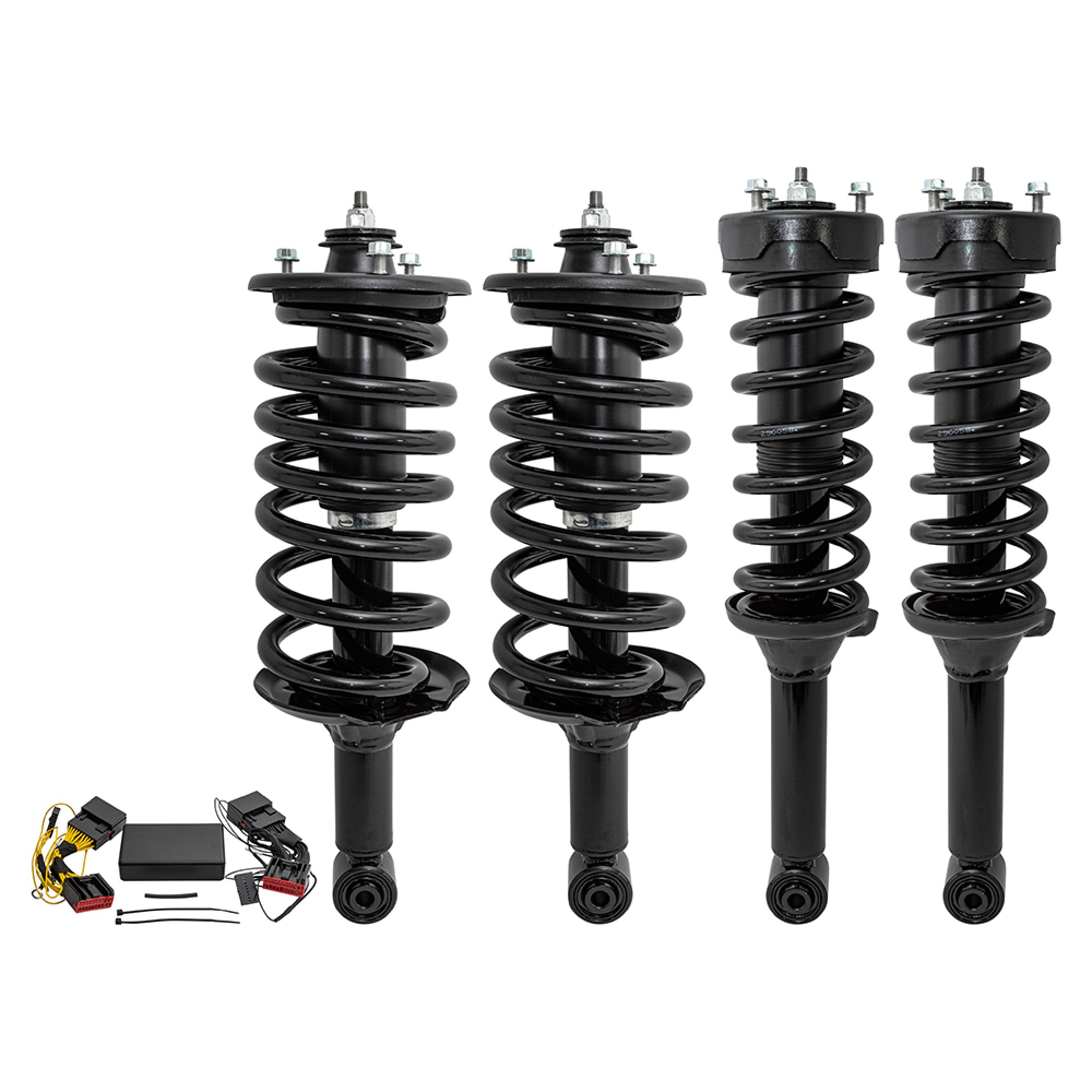
The Range Rover Sport air suspension system uses electronically controlled air springs and variable dampers to automatically adjust ride height, maximize wheel articulation off-road, and maintain a level, stable posture during high-speed highway driving. This setup balances dynamic on-road handling with heavy-duty off-road capability.
Introduction to Range Rover Sport Air Suspension
The Range Rover Sport has long been defined by its dual personality: it must transition effortlessly from a high-performance luxury cruiser on asphalt to a capable all-terrain vehicle capable of traversing deep mud, sand, and rock. Central to this capability is the electronic air suspension system. Unlike traditional steel coil springs, which offer a fixed spring rate and a static ride height, the air suspension relies on compressed air contained within rubber bladders (air springs) at each wheel.
Managing this fluid network is a sophisticated array of height sensors, accelerometers, a dedicated air compressor, a valve block, an electronic control unit (ECU), and an accumulator tank. Together, these components constantly monitor vehicle speed, steering angle, terrain mode, and wheel travel to adjust damping forces and ride height in milliseconds. Whether you are lowering the vehicle for effortless entry and exit or raising it to clear a jagged obstacle on a trail, the system provides a level of versatility that mechanical suspension cannot match.
Understanding how this system operates, recognizing its various height modes, performing routine maintenance, and identifying early signs of component failure are essential for every owner. When properly maintained, the air suspension delivers an unmatched ride quality; however, ignoring early warning signs can lead to costly compressor burnouts and complex electrical faults.
Core Components of the Air Suspension System
To understand how the Range Rover Sport manages its ride, you must examine the individual hardware and software elements that make up the system architecture. Each part plays a specific role in regulating air pressure, damping, and vehicle geometry.
Air Springs (Air Struts)
The traditional steel spring is replaced by a heavy-duty, multi-layer rubber bellows filled with compressed air. These air springs provide a progressive spring rate—meaning the resistance to compression increases as the spring is compressed—which prevents harsh bottoming out while maintaining a plush ride over small road imperfections.
Compressor and Valve Block
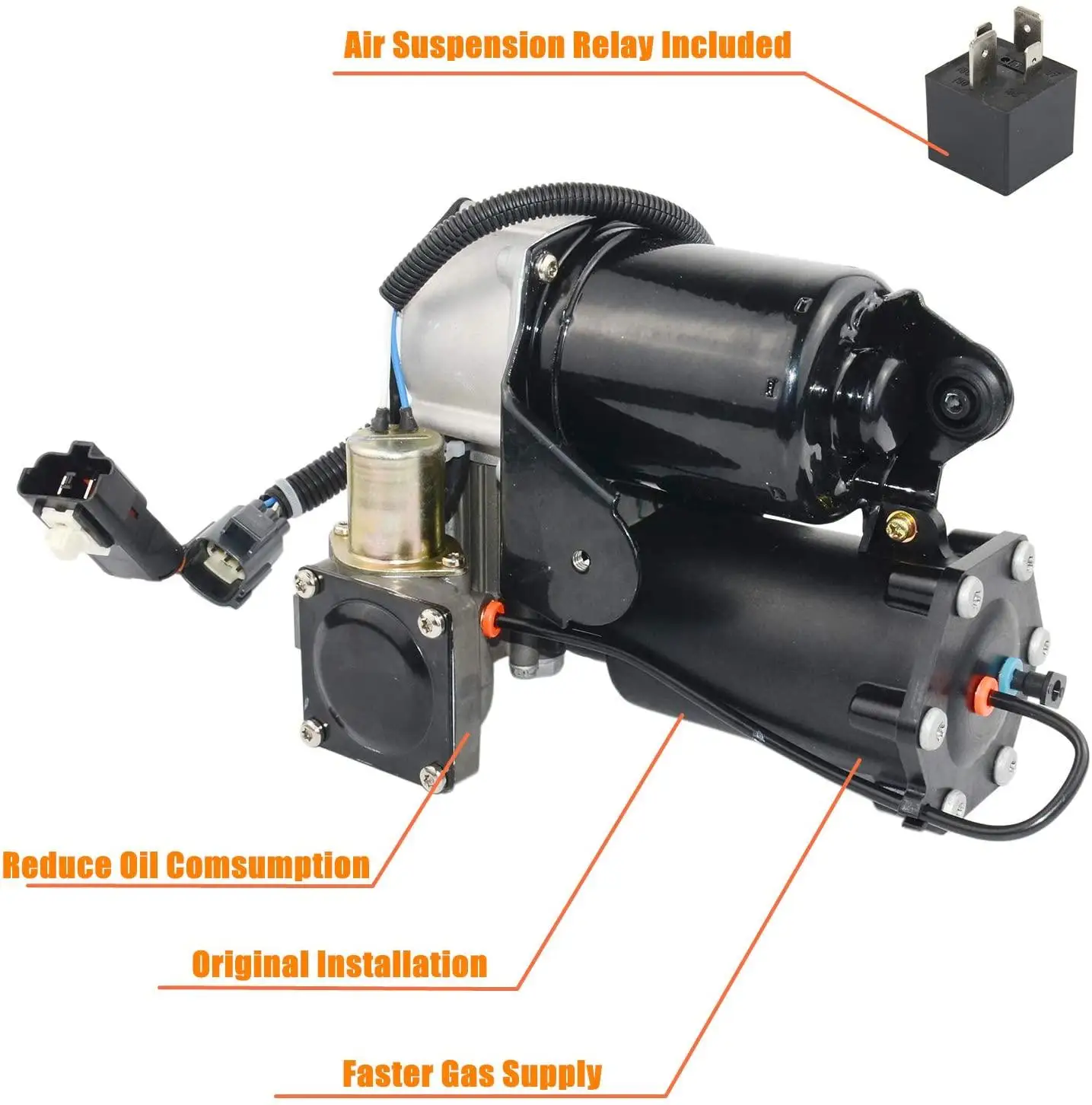
The air compressor, typically housed within a protective enclosure beneath the vehicle chassis, generates the high-pressure air needed to lift the vehicle. The valve block acts as a distribution hub, containing a series of electronically controlled solenoids that direct air to or from individual air springs based on commands from the suspension control module.
Height Sensors and Accelerometers
Position sensors are mounted at each corner of the vehicle to measure the distance between the chassis and the control arms. These work in tandem with body and wheel accelerometers that track vertical wheel movement and vehicle body roll. The suspension ECU reads these inputs hundreds of times per second to dynamically alter damper stiffness via Continuous Variable Damping (CVD) valves.
Reservoir Tank and Electronic Control Unit (ECU)
To allow for rapid adjustments without constantly running the compressor, a central air reservoir tank stores high-pressure air. The suspension ECU serves as the brain of the operation, processing data from the vehicle's CAN bus network (including steering angle, vehicle speed, and Terrain Response settings) to execute height changes and dampening adjustments seamlessly.
Ride Height Modes and Operational States
The Range Rover Sport air suspension is not limited to a single ride height. Depending on driving conditions, speed, and driver input via the center console controls or Terrain Response system, the vehicle automatically shifts through several distinct geometric states.
| Ride Height Mode | Operating Parameters & Typical Use Case |
|---|---|
| Access Height | Lowers vehicle by ~40-50mm for easy entry/exit and loading. |
| Standard (Normal) | Default height for everyday driving and highway cruising. |
| Off-Road Height 1 | Raises vehicle by ~40mm for moderate off-road obstacles. |
| Off-Road Height 2 | Maximum lift (~75-85mm) for extreme articulation and wading. |
| Extended Height | Automatic emergency lift if the vehicle grounds out. |
Access Height
Designed for passenger convenience, Access Height lowers the vehicle significantly. This makes stepping into the cabin effortless and simplifies loading cargo into the trunk. The vehicle automatically returns to Standard height once forward or reverse motion exceeds a low threshold (typically around 5 mph / 8 km/h), or when manually overridden by the driver.
Standard Height
This is the default baseline for all normal driving conditions. It optimizes aerodynamics, handling stability, and rollover resistance. At sustained highway speeds (usually above 100 mph or 160 km/h depending on the model generation), the vehicle may automatically drop into a low-profile aerodynamic mode to reduce drag and improve fuel efficiency.
Off-Road Heights (Level 1 and Level 2)
When selecting specific Terrain Response programs or manually pressing the lift switch, the system pumps air into the springs to increase ground clearance. Off-Road Height 1 is used for rutted tracks and deep snow. Off-Road Height 2 provides maximum clearance for severe terrain, deep water wading, and rocky obstacles. If the vehicle's belly touches the ground, an automated "Extended Height" routine can provide an extra burst of lift to clear the obstruction.
Dynamic Response and Ride Comfort Integration
The air suspension does not operate in isolation; it works hand-in-hand with active stabilization systems to eliminate body roll and deliver precise cornering dynamics.
Continuous Variable Damping (CVD)
The dampers inside each air strut feature electronic valves that modulate hydraulic fluid flow. By tightening the damping rates during aggressive cornering, hard braking, or rapid acceleration, the system limits body pitch and dive. Conversely, when cruising over rough pavement, the dampers open up to absorb impacts and isolate the cabin from road harshness.
Active Roll Control (Dynamic Response)
Higher-trim variants of the Range Rover Sport utilize electro-mechanical or hydraulic active roll bars. These systems counteract centrifugal forces when cornering by applying opposing torque to the front and rear axles. Combined with the air suspension, this technology keeps the heavy SUV remarkably flat through tight bends, masking its physical weight and high center of gravity.
Common Issues, Symptoms, and Diagnostics
While robustly engineered, the air suspension system on a Range Rover Sport is subject to wear and tear over time. Rubber air bladders degrade, moisture can contaminate the pneumatic lines, and hard-working compressors can eventually fail.
Micro-Leaks and Sagging Corners
The most common issue is a slow air leak within one of the rubber air struts or valve block O-rings. If you notice that the front or rear corner of your vehicle sags overnight or after several days of parking, it points directly to a compromised air spring or leaking fitting. Ignoring a small leak forces the air compressor to run continuously to maintain ride height, leading to premature compressor burnout.
Compressor Failure
When a compressor overheats due to working overtime against system leaks, thermal overload switches trip, or internal piston rings wear down. Symptoms include a "Suspension Fault" warning on the instrument cluster, a sluggish response when attempting to raise the vehicle, or complete failure of the system to adjust height.
Electrical and Sensor Faults
Corrosion in wiring harnesses, damaged ride height sensor arms (often bent or broken during off-road use), or a failing valve block solenoid can trigger dashboard error codes. Modern diagnostic scanners capable of reading proprietary Land Rover chassis codes are usually required to pinpoint exact electrical faults.
Maintenance and Troubleshooting Best Practices
Proper preventative maintenance can significantly extend the lifespan of your Range Rover Sport air suspension system and prevent unexpected roadside failures.
- Keep the Undercarriage Clean: After off-roading, thoroughly wash mud, clay, and debris away from the height sensors, air struts, and compressor housing. Accumulated grit can jam sensor linkages or damage rubber bellows.
- Inspect Air Lines and Fittings: Periodically check pneumatic lines for chaffing, cracking, or moisture accumulation. Using a soapy water solution to check for bubbles around strut fittings can help identify micro-leaks early.
- Drain the Air Dryer: The system incorporates a desiccant dryer to remove moisture from compressed air. Over time, this desiccant becomes saturated. Replacing the dryer element during major service intervals prevents internal valve block corrosion and freezing in cold climates.
- Address Leaks Immediately: Never drive long-term with a sagging corner. Replacing a single leaking air spring is exponentially less expensive than replacing both the spring and a burnt-out air compressor.
- Use Professional Diagnostics: When suspension warnings appear, avoid guessing. Invest in or visit a specialist with diagnostic tools that can read live sensor data, test individual valve block solenoids, and calibrate ride height sensors after component replacement.
Frequently Asked Questions
Can I convert my Range Rover Sport air suspension to coil springs?
Yes, aftermarket conversion kits replacing air struts with traditional steel coil springs and shock absorbers exist. However, this is generally discouraged. A coil conversion permanently alters vehicle dynamics, deactivates factory terrain response capabilities, ruins towing stability, and triggers permanent dashboard fault codes unless properly coded out or bypassed with electronic dummy modules. It also severely impacts resale value.
How long do Range Rover Sport air suspension components last?
Original air springs typically last between 8 to 12 years or 100,000 to 150,000 miles, depending heavily on climate, road conditions, and off-road usage. Air compressors usually last a similar lifespan if they do not have to overwork due to undetected air leaks. Regular inspections help catch localized failures before they cascade through the system.
Can I drive my vehicle if the air suspension fails completely?
If the vehicle drops entirely onto its bump stops (often referred to as "bump-stop mode"), driving should be avoided or strictly limited to very low speeds over smooth surfaces. Driving at normal highway speeds with zero suspension compliance can damage body panels, shatter wheel liners, destroy the remaining suspension mounts, and make the vehicle dangerously unpredictable to steer.
Why does my air suspension drop overnight when parked?
A vehicle that drops overnight is suffering from pressure loss, typically caused by a microscopic tear in one of the rubber air bladders, a failing valve block, or a loose pneumatic fitting. When the engine is off, the system cannot pump more air in, causing the affected corner or axle to slowly deflate until it rests on its mechanical stops.
Does cold weather affect the air suspension?
Yes, low temperatures can affect the system in two ways. First, brittle rubber struts with minor micro-cracks may leak more rapidly in freezing weather. Second, if moisture has accumulated inside the air lines due to an exhausted desiccant dryer, that moisture can freeze inside the valve block or lines, blocking airflow and causing temporary system failure.
Conclusion and Recommendations
The air suspension system is the engineering backbone of the Range Rover Sport, responsible for blending sports car-like road handling with legendary off-road articulation. While complex, its components are serviceable, and understanding its operational modes allows owners to utilize its capabilities fully. Prioritize proactive cleaning, address minor leaks before they strain the compressor, and rely on specialized diagnostic tools when faults occur to ensure your vehicle maintains its signature ride quality for years to come.