Accessing your credit reports from Equifax, Experian, and TransUnion is a fundamental step in managing your financial health, protecting against identity theft, and preparing for major loan applications. Federal law guarantees you access to these documents, and multiple authorized pathways exist to request them without harming your credit scores.
Understanding the Three Major Credit Bureaus
Before requesting your credit reports, it helps to understand the institutions that compile them. Equifax, Experian, and TransUnion are independent, nationwide consumer reporting agencies. They collect data from lenders, creditors, public records, and collection agencies to build individual credit histories.
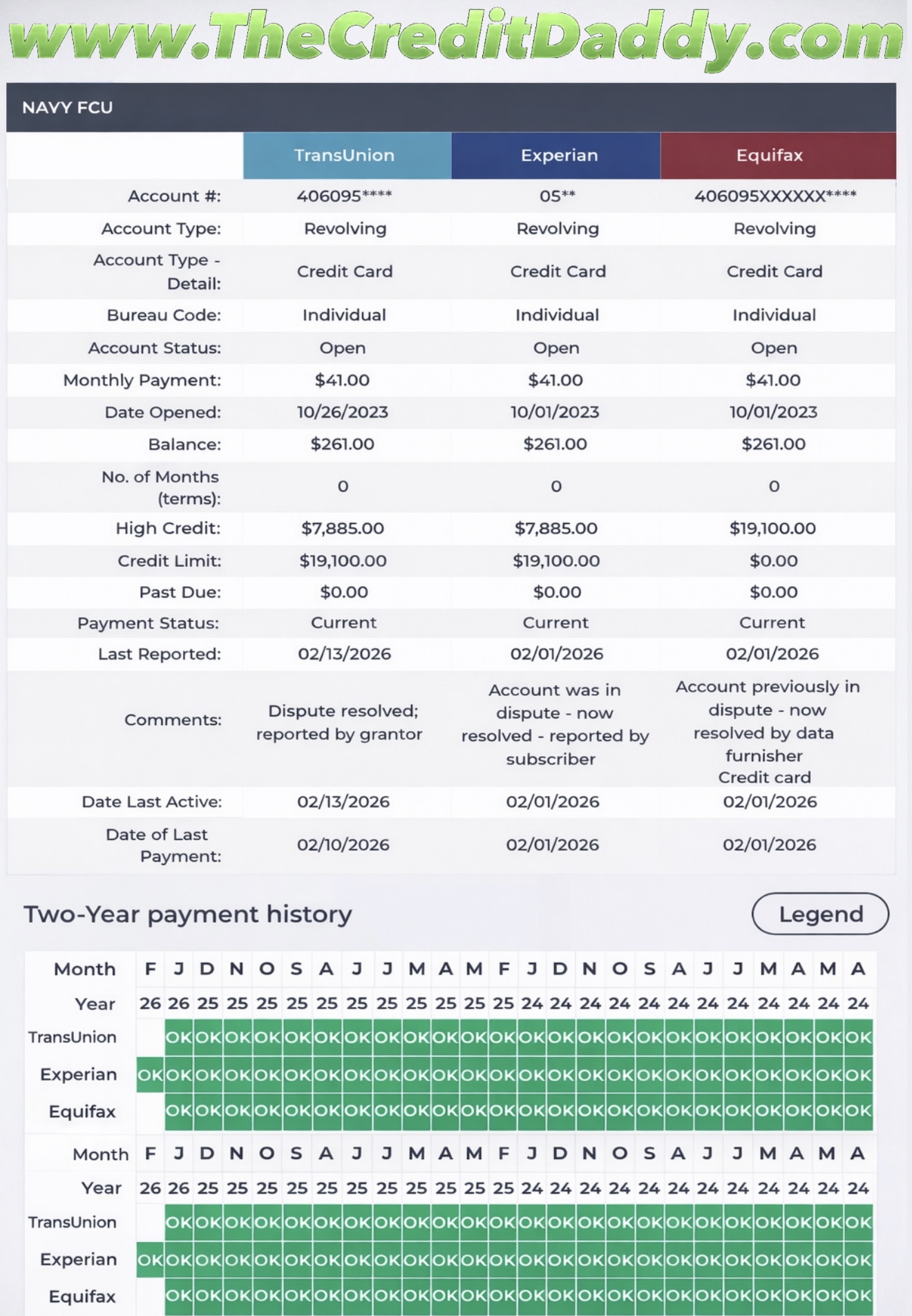
Because lenders do not always report to all three agencies, the information contained in your Equifax file may differ slightly from your Experian or TransUnion files. Monitoring all three ensures you catch discrepancies, outdated negative marks, or fraudulent accounts that might appear on only one report. Federal regulations and industry standards provide distinct mechanisms to obtain these documents safely and legally.
Method 1: The Official Centralized Request Website (AnnualCreditReport.com)
The most popular, comprehensive, and widely recommended method for obtaining your credit files is through the federally authorized website, AnnualCreditReport.com.
Legal Background and Entitlements
Under the Fair Credit Reporting Act (FCRA), consumers are legally entitled to a free copy of their credit report every 12 months from each of the three major nationwide credit reporting agencies. Following permanent regulatory updates by the Consumer Financial Protection Bureau (CFPB) and subsequent agreements with the bureaus, consumers maintain online access to free weekly credit reports from Equifax, Experian, and TransUnion.
Step-by-Step Request Procedure
To request your reports online, follow these structured steps:
- Navigate to the official website: AnnualCreditReport.com. Avoid lookalike domains offering similar wording.
- Click the prominent button to request your free reports.
- Complete the secure online request form by providing your full legal name, date of birth, Social Security number, current address, and previous addresses if you have moved within the past two years.
- Answer identity verification security questions. These typically involve historical financial data, such as the monthly payment on a past auto loan, the name of a mortgage lender, or a former street name.
- Select the specific credit reports you wish to view—Equifax, Experian, TransUnion, or all three simultaneously.
- Review, save, or print your reports securely.
Alternative Ways to Submit Requests via the Centralized Source
If you prefer not to use the online portal, you can request your reports through alternative channels managed by the centralized source:
- By Telephone: Call the toll-free number (1-877-322-8228) to complete an automated identity verification and request process.
- By Mail: Download and print the standardized Annual Credit Report Request Form. Mail the completed form to the designated processing address:
Annual Credit Report Request ServiceP.O. Box 105281Atlanta, GA 30348-5281
Method 2: Requesting Reports Directly from Each Bureau
In addition to the centralized service, you can contact Equifax, Experian, and TransUnion directly. This route is particularly useful if you encounter identity verification issues online or need to manage specific security freezes and fraud alerts.
Contact Information for Equifax
- Website: Equifax.com
- Phone: 1-800-685-1111
- Mail: Equifax Disclosure Department, P.O. Box 740241, Atlanta, GA 30374
Contact Information for Experian
- Website: Experian.com
- Phone: 1-888-397-3742
- Mail: Experian National Consumer Assistance Center, P.O. Box 4500, Allen, TX 75013
Contact Information for TransUnion
- Website: TransUnion.com
- Phone: 1-800-916-8800
- Mail: TransUnion LLC, Consumer Disclosure Center, P.O. Box 1000, Chester, PA 19016
When contacting bureaus directly, be prepared to provide government-issued identification, proof of address (such as a utility bill or bank statement), and your Social Security number to satisfy strict security protocols.
Method 3: Utilizing Legally Qualified Circumstances and Free Annual Alternatives
Beyond standard annual or weekly free access, federal and state laws grant consumers the right to free credit reports under specific adverse circumstances. If you meet certain criteria, each bureau must provide an additional complimentary copy of your report upon request.
Qualifying Conditions for Additional Free Reports
You are legally entitled to an additional free credit report from a bureau if:
- Adverse Action: A lender or creditor denies your application for credit, insurance, or employment based wholly or partly on information contained in a credit report. You must request the report within 60 days of receiving the adverse action notice.
- Public Assistance or Unemployment: You are unemployed and intend to apply for employment within 60 days.
- Public Benefits: You are receiving public welfare assistance.
- Identity Theft and Fraud: Your credit report is inaccurate due to fraud, including identity theft.
- Security Freeze Placement: You request a security freeze on your credit file (though many states now prohibit bureaus from charging fees for freezes and related disclosures anyway).
Comparison of Credit Report Access Methods
| Access Method | Cost | Frequency Allowed | Delivery Speed | Best Used For |
|---|---|---|---|---|
| AnnualCreditReport.com | Free | Weekly (online) / Annually (by mail) | Instant online / 15 days by mail | General annual review, budgeting, and routine monitoring |
| Direct Bureau Contact | Free or Fee-based | Varies by qualification | Instant to 15 business days | Resolving bureau-specific errors or managing security freezes |
| Adverse Action Request | Free | Within 60 days of notice | Instant to 15 business days | Investigating a denied loan, credit card, or apartment application |
What to Look for Once You Receive Your Reports
Obtaining your credit reports is only the first step. Once you have downloaded or received documents from all three bureaus, conduct a meticulous review to ensure data integrity and safeguard your financial standing.
Key Sections to Examine
- Personal Identification Information: Verify that your legal name, current and past addresses, Social Security number, and employment history are accurate. Unfamiliar addresses or name variations can indicate identity theft or mixed files.
- Account History (Trade Lines): Review every open and closed account. Check payment histories, credit limits, loan amounts, and account statuses. Ensure accounts you closed voluntarily are marked as "Closed by consumer."
- Inquiries: Look at hard inquiries, which occur when lenders pull your report after you apply for credit. Ensure you recognize every hard inquiry. Soft inquiries, such as checking your own score or promotional pre-approvals, do not affect your credit standing and only appear on your personal copy.
- Public Records and Collections: Check for bankruptcies, tax liens, civil judgments, or collection accounts. Verify that settled or paid collections reflect accurate updated statuses.
Steps to Dispute Inaccuracies
If you discover errors, fraudulent accounts, or outdated negative information, federal law gives you the right to dispute them. Contact the specific bureau reporting the error online, by phone, or by mail. Provide supporting documentation, such as bank statements, payment receipts, or identity theft affidavits. The credit bureau generally has 30 to 45 days to investigate and resolve your dispute.
Frequently Asked Questions
Does checking my own credit report lower my credit score?
No. Requesting your own credit reports through AnnualCreditReport.com or contacting the bureaus directly constitutes a soft inquiry. Soft inquiries never impact your credit scores, regardless of how frequently you review your files. Only hard inquiries, initiated when you apply for new credit lines, can temporarily influence your score.
Why do my Equifax, Experian, and TransUnion reports look different?
Lenders are not legally required to report consumer account data to all three major credit bureaus. Many financial institutions choose to report to only one or two agencies, while others report to all three. Consequently, your account balances, payment histories, and overall file contents may vary across the three institutions, making it essential to review all three reports.
What should I do if I fail the online identity verification questions?
Online verification systems use third-party public records databases to generate security questions about your financial history. If you freeze your credit, have a thin credit file, or encounter a technical error, you may fail these questions. In this scenario, the system will prompt you to submit your request via mail along with copies of government-issued identification and proof of address.
Are paid credit monitoring services necessary to get my reports?
No. While paid commercial services offer ongoing real-time alerts, credit monitoring, and educational credit scores, you are legally entitled to your underlying credit reports for free without purchasing any supplemental products or subscription packages.
How long do negative marks stay on my credit reports?
Most negative items, such as late payments, foreclosures, and accounts sent to collection, remain on your credit reports for up to seven years. Chapter 7 bankruptcy filings can remain on your reports for up to 10 years, while Chapter 13 bankruptcies typically age off after seven years from the filing date.
Next Actions for Managing Your Credit
Start by visiting AnnualCreditReport.com to request your files from Equifax, Experian, and TransUnion. Download and save clean digital copies or print them out in a secure location. Set a recurring calendar reminder to review your reports periodically, address discrepancies promptly, and maintain healthy credit habits to ensure long-term financial security.