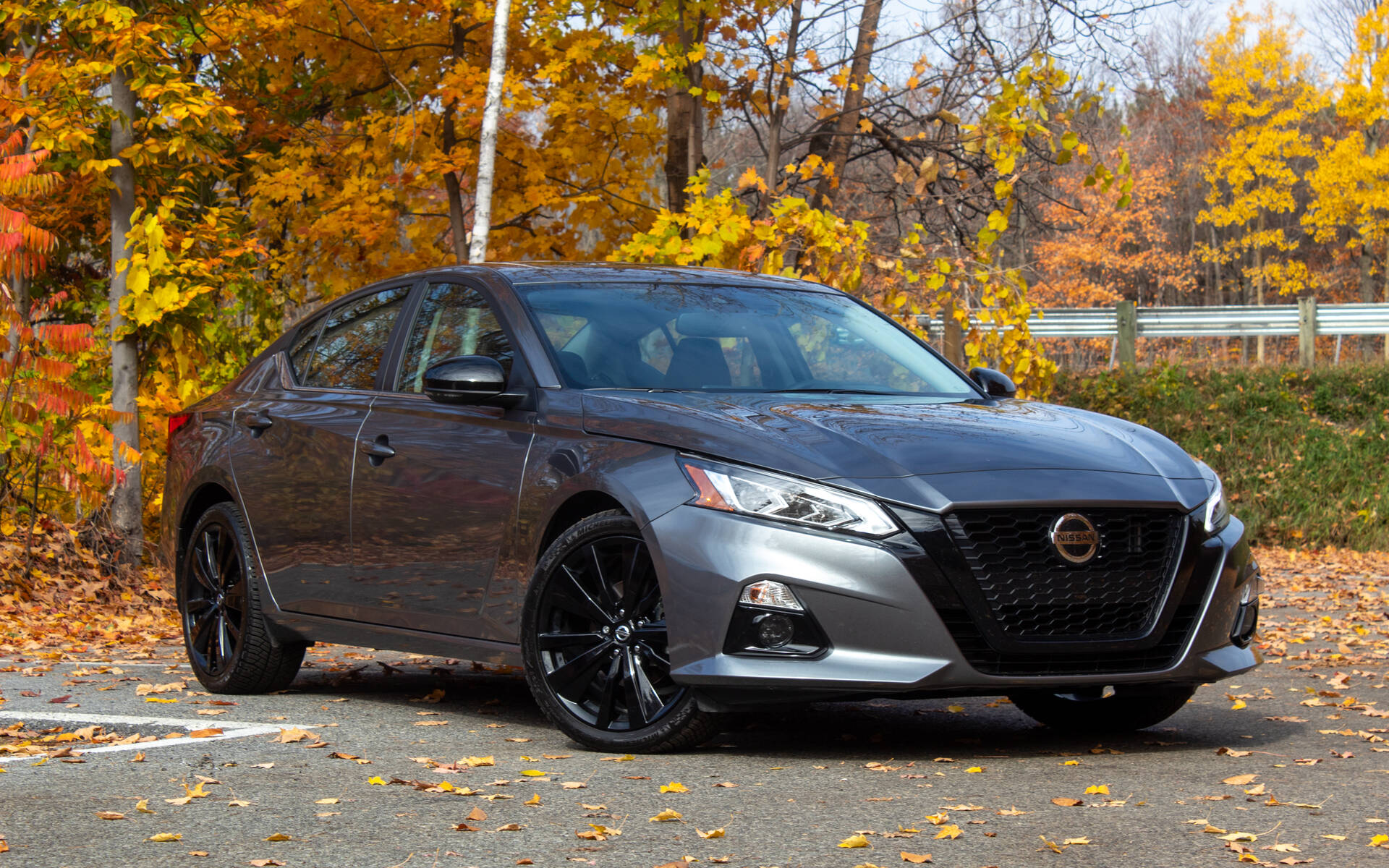
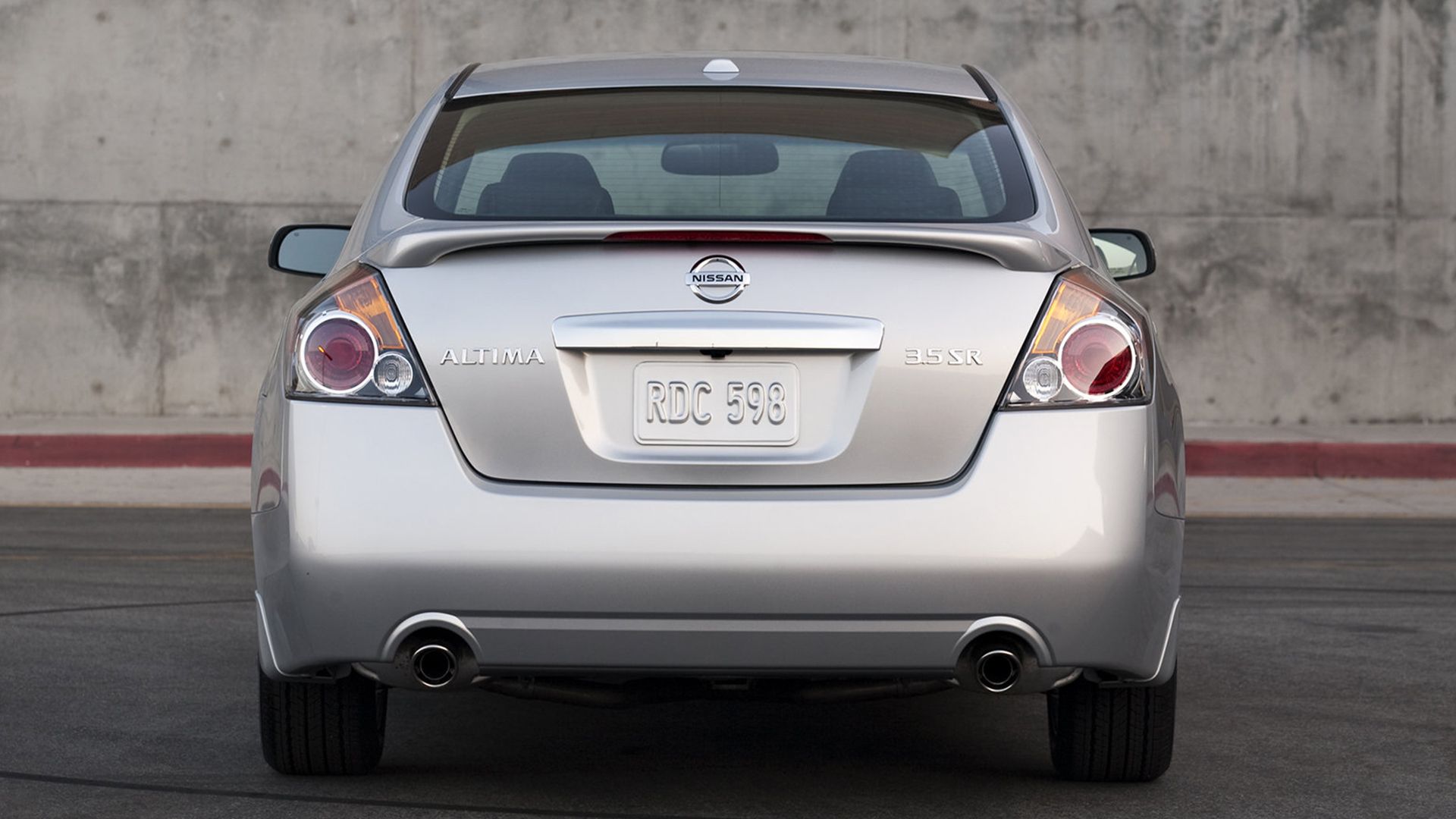
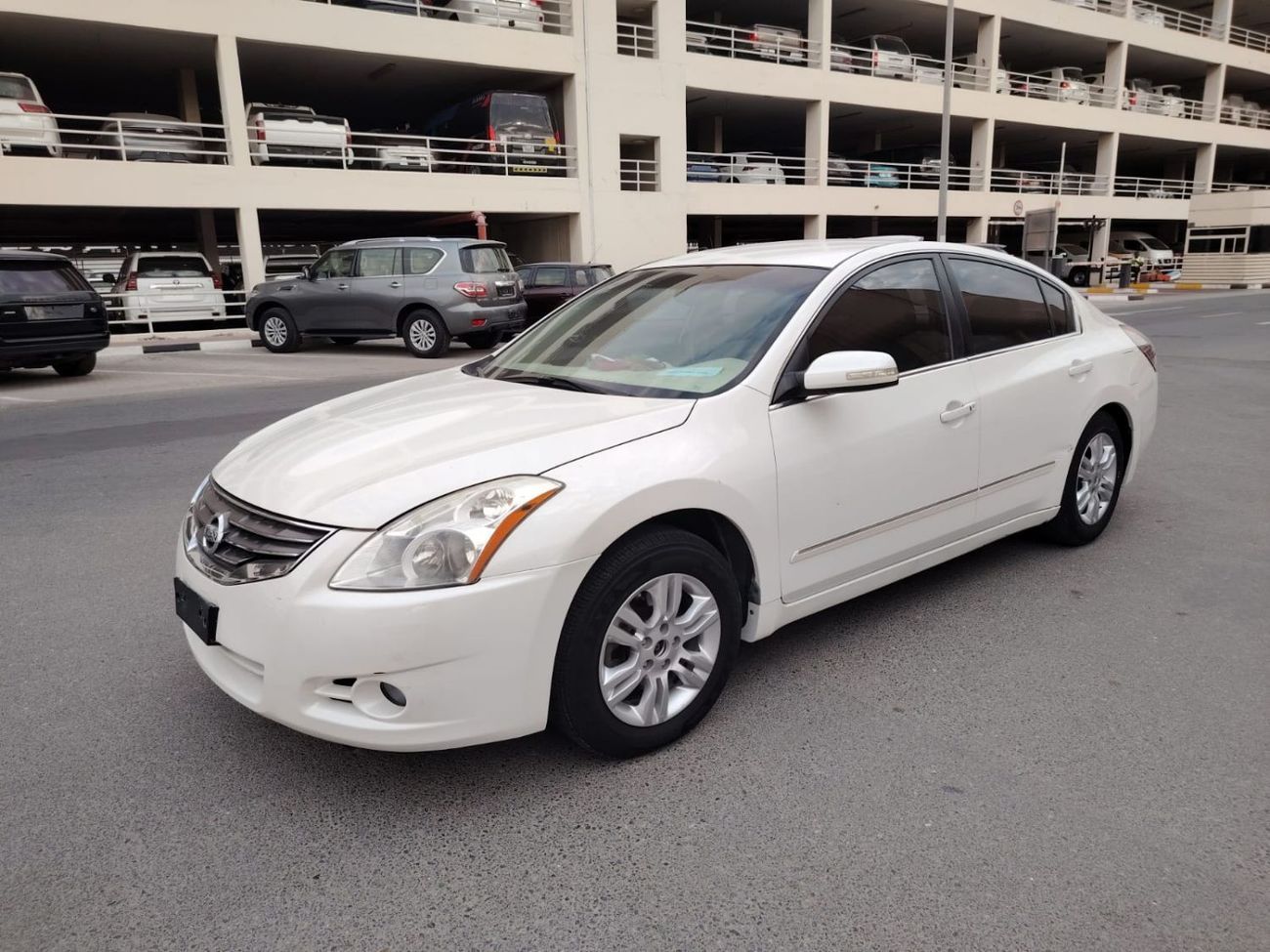
The 2012 Nissan Altima is a midsize vehicle available in sedan and coupe body styles, featuring either a 175-hp 2.5-liter inline-4 or a 270-hp 3.5-liter V6 engine. Known for its sporty handling and standard push-button start, it utilizes a Continuously Variable Transmission (CVT) and offers a blend of efficiency and performance.
The 2012 model year marked the final iteration of the fourth-generation Altima (internal code L32). As a "carryover" year, it benefited from the refinement of several years of production, making it one of the most polished versions of this specific chassis. Whether you are evaluating this vehicle for a secondary commuter car in 2026 or researching technical specifications for maintenance, understanding the mechanical nuances of the 2012 Nissan Altima is essential for assessing its long-term value and operational integrity.
Engine Specifications and Performance Profiles
The 2012 Nissan Altima offered two distinct powerplants, each catering to different driving priorities. Both engines are part of respected Nissan engine families, though they require different maintenance schedules and offer vastly different driving dynamics.
The 2.5-Liter QR25DE Inline-4
The high-volume engine for the 2012 Altima was the 2.5-liter DOHC 16-valve 4-cylinder. This engine was designed with a focus on fuel efficiency and low-end torque for city driving.
- Horsepower: 175 hp @ 5,600 rpm (170 hp in PZEV states like California).
- Torque: 180 lb-ft @ 3,900 rpm.
- Construction: Aluminum alloy block and head with cast-iron cylinder liners.
- Valve Train: Chain-driven DOHC with Twin CVTC (Continuously Variable Valve Timing Control) on intake and exhaust valves.
This engine utilizes a silent chain drive for the camshafts, which reduces maintenance compared to vehicles using timing belts. However, in 2026, high-mileage units often require inspection of the chain tensioners. The 2.5-liter models are generally considered "adequate" for highway merging but are not intended for high-performance applications.
The 3.5-Liter VQ35DE V6
For those seeking a "four-door sports car" experience, the 3.5-liter V6 was the premier choice. The VQ-series engine is a multi-award-winning design known for its smoothness and high-revving power.
- Horsepower: 270 hp @ 6,000 rpm.
- Torque: 258 lb-ft @ 4,400 rpm.
- 0-60 MPH: Approximately 6.2 seconds (Sedan).
- Features: Microfinished crankshaft and cam lobes, molybdenum-coated pistons, and a high-flow intake manifold.
The V6 variant transforms the Altima from a standard commuter into a genuine performance threat in the midsize segment. It provides immediate throttle response, though it does place more stress on the front-wheel-drive system, sometimes resulting in noticeable torque steer under heavy acceleration.
Transmission and Drivetrain Engineering
The 2012 Nissan Altima was a primary ambassador for Nissan’s commitment to the Xtronic CVT (Continuously Variable Transmission). Unlike a traditional planetary gear automatic, the CVT uses a system of belts and pulleys to provide an infinite range of gear ratios.
Xtronic CVT Characteristics
The goal of the CVT in the 2012 Altima was to keep the engine in its most efficient power band at all times. This eliminates "shift shock" and hunting for gears on inclines.
- Adaptive Shift Control: This software-driven feature adjusts the "shift" logic based on driving style and environmental conditions (such as uphill or downhill grades).
- Performance: While efficient, some drivers in the era critiqued the "rubber band" feel, where engine RPMs rise quickly and stay high while the car catches up in speed.
Manual Transmission Availability
While the sedan was exclusively CVT, the 2012 Nissan Altima Coupe offered a 6-speed manual transmission on certain trims. This is a rare find in 2026 but remains highly sought after by enthusiasts because it bypasses the reliability concerns associated with early-generation CVTs.
Exterior Dimensions and Chassis Design
The L32 platform utilized a mix of high-strength steel to reduce weight while maintaining structural rigidity. The 2012 Altima was noted for its relatively short wheelbase compared to its total length, which contributed to its nimble steering response.
| Specification | Sedan Models | Coupe Models |
|---|---|---|
| Wheelbase | 109.3 inches | 105.3 inches |
| Overall Length | 190.7 inches | 180.9 inches |
| Overall Width | 70.7 inches | 70.7 inches |
| Overall Height | 58.0 inches | 55.3 inches |
| Curb Weight (Base) | 3,180 lbs | 3,111 lbs |
| Track Width (F/R) | 61.0 / 61.0 inches | 60.8 / 60.8 inches |
Suspension and Braking
- Front Suspension: Independent strut with coil springs and a stabilizer bar.
- Rear Suspension: Multi-link independent rear suspension. This was a sophisticated setup for a midsize car at the time, providing better handling than the torsion beam setups found in some competitors.
- Braking System: 4-wheel disc brakes were standard across all trims. The front rotors are vented for heat dissipation, while the rear discs are solid.
- Steering: Rack-and-pinion with twin-orifice vehicle-speed-sensitive power assistance.
Interior Features, Tech, and Capacities
The interior of the 2012 Nissan Altima focused on ergonomics and a "cockpit" feel. While it lacks the massive screens of 2026 vehicles, the layout remains functional and intuitive.
Cabin Dimensions
- Seating Capacity: 5 (Sedan), 5 (Coupe—though rear seating is tight).
- Front Legroom: 44.1 inches.
- Rear Legroom: 35.8 inches (Sedan).
- Trunk Space: 15.3 cubic feet (Sedan). The Coupe offers a much smaller 8.2 cubic feet.
Technology and Convenience
Standard on almost all trims was the Nissan Intelligent Key with push-button start, a feature that was still considered premium in 2012.
- Audio Options: Base models featured a simple AM/FM/CD system, while higher trims (3.5 SR) or those with the Premium Package included a 9-speaker Bose premium audio system.
- Bluetooth: In 2012, Bluetooth Hands-free Phone was standard on the 3.5 SR and available on the 2.5 S via packages. Note that Bluetooth audio streaming was not standard on lower trims.
- Navigation: An optional 6.5-inch touch-screen navigation system with XM NavTraffic was available, though by 2026 standards, the maps and interface are significantly outdated.
Fuel Economy and Efficiency
The 2012 Altima was competitive in its class regarding fuel consumption. Because it features a large 20-gallon fuel tank, its highway cruising range is exceptional, often exceeding 600 miles on a single fill-up with the 4-cylinder engine.
- 2.5L I4 (CVT): 23 City / 32 Highway / 27 Combined MPG.
- 3.5L V6 (CVT): 20 City / 27 Highway / 23 Combined MPG.
- 3.5L V6 (Manual - Coupe): 18 City / 27 Highway / 21 Combined MPG.
These figures are based on EPA testing standards. In real-world 2026 conditions, owners should expect a slight decrease in these numbers due to mechanical wear and the degradation of oxygen sensors or catalytic converters over time.
Safety Ratings and Equipment
For the 2012 model year, Nissan included a comprehensive suite of safety technologies known as the Nissan Advanced Air Bag System (AABS).
- Airbags: Dual-stage supplemental front airbags with seat belt and occupant classification sensors. Front seat-mounted side-impact airbags and roof-mounted curtain side-impact airbags.
- Stability Control: Vehicle Dynamic Control (VDC) with Traction Control System (TCS) was standard on all models.
- Tire Pressure Monitoring: Standard TPMS provided individual tire alerts.
- Crash Tests: The 2012 Altima Sedan received a 4-star overall rating from the NHTSA, with a 5-star rating in side-impact protection. The Insurance Institute for Highway Safety (IIHS) gave it "Good" scores in moderate overlap front and side crash tests.
2012 Nissan Altima Trim Level Comparison
Understanding the differences between trims is vital for identifying the specific mechanical features of a used unit.
| Feature | 2.5 (Base) | 2.5 S | 3.5 SR |
|---|---|---|---|
| Engine | 2.5L I4 | 2.5L I4 | 3.5L V6 |
| Wheels | 16-inch Steel | 16-inch Steel/Alloy | 17-inch Aluminum-Alloy |
| Headlights | Halogen | Halogen | Auto-on/off (HID optional) |
| Exhaust | Single | Dual | Dual w/ Chrome Finishers |
| Side Mirrors | Manual | Power | Power w/ Turn Signals |
| Seat Adjust | 4-way Manual | 6-way Manual | 8-way Power (Driver) |
Reliability and Common Issues in 2026
As the 2012 Altima reaches its 14th year of service, certain patterns in reliability have emerged that potential owners or mechanics should prioritize.
The CVT Lifespan
The most significant concern for the 2012 Altima is the longevity of the Xtronic CVT. Many units experienced premature failure or "limp mode" (reduced power) during high-heat operation. Regular fluid changes using Nissan NS-2 CVT Fluid are mandatory. If a vehicle has no record of CVT service by 100,000 miles, the transmission is considered a high-risk component.
Dashboard Delamination
A common cosmetic but frustrating issue for the 2012 model is "melting" or sticky dashboards. Under high UV exposure, the material breaks down, becoming tacky and reflective. While Nissan offered a replacement program in the past, most 2026 owners will have to rely on dashboard covers or specialized cleaning agents.
Steering Lock Failure
The Electronic Steering Column Lock (ESCL) was prone to failure, preventing the car from starting even with a working key fob. Many owners have bypassed this or replaced the unit with a revised "brown-top" or "black-top" version that resolved the internal motor seizing.
Suspension Bushings
The multi-link rear suspension provides great handling, but the bushings and control arms are prone to wear. Clunking noises over bumps usually indicate that the rear subframe bushings or sway bar links require replacement.
Frequently Asked Questions
Does the 2012 Nissan Altima have a timing belt or timing chain?
Both the 2.5-liter and 3.5-liter engines in the 2012 Altima use a timing chain. Unlike timing belts, which require replacement every 60,000 to 100,000 miles, the timing chain is designed to last the life of the engine. However, the plastic guides and the hydraulic tensioner can wear out, so if you hear a "rattling" sound upon startup, have it inspected immediately.
What is the towing capacity of the 2012 Altima?
The 2012 Nissan Altima is not recommended for significant towing. The official rating for both the sedan and coupe is 1,000 lbs, provided the trailer has its own braking system. However, given the sensitivities of the CVT, most experts recommend against towing anything to preserve the transmission’s lifespan.
Is the 2012 Altima compatible with Apple CarPlay or Android Auto?
No, the 2012 Altima was manufactured before these technologies became industry standards. To get CarPlay or Android Auto, you must install an aftermarket double-DIN head unit. The dash design of the 2012 Altima makes this a relatively straightforward DIY project, as dash kits are widely available.
What kind of gas does the 2012 Nissan Altima take?
The 2.5-liter engine is designed to run on 87-octane regular unleaded gasoline. The 3.5-liter V6 also runs on regular unleaded, though Nissan originally noted that premium fuel (91 octane or higher) could be used to optimize performance and timing under heavy loads.
How many miles can a 2012 Nissan Altima last?
With meticulous maintenance—specifically regarding the CVT fluid—many 2012 Altimas have been known to reach 200,000 to 250,000 miles. The engines themselves are very robust; the vehicle's ultimate lifespan is usually determined by the health of the transmission and the presence of subframe rust in "salt belt" states.
Summary and Next Steps
The 2012 Nissan Altima remains a compelling used vehicle choice due to its sophisticated suspension, comfortable interior, and standard push-button start. However, the "specs overview" reveals a vehicle that is highly dependent on its transmission health. If you are considering purchasing one, verify the CVT service history and test drive the vehicle long enough to ensure the transmission reaches operating temperature without stuttering.
For current owners, prioritizing the cooling system and transmission fluid changes every 30,000 to 50,000 miles is the most effective way to keep this fourth-generation Altima on the road. For more detailed technical data or safety recall information, visit the official Nissan Owner Portal.