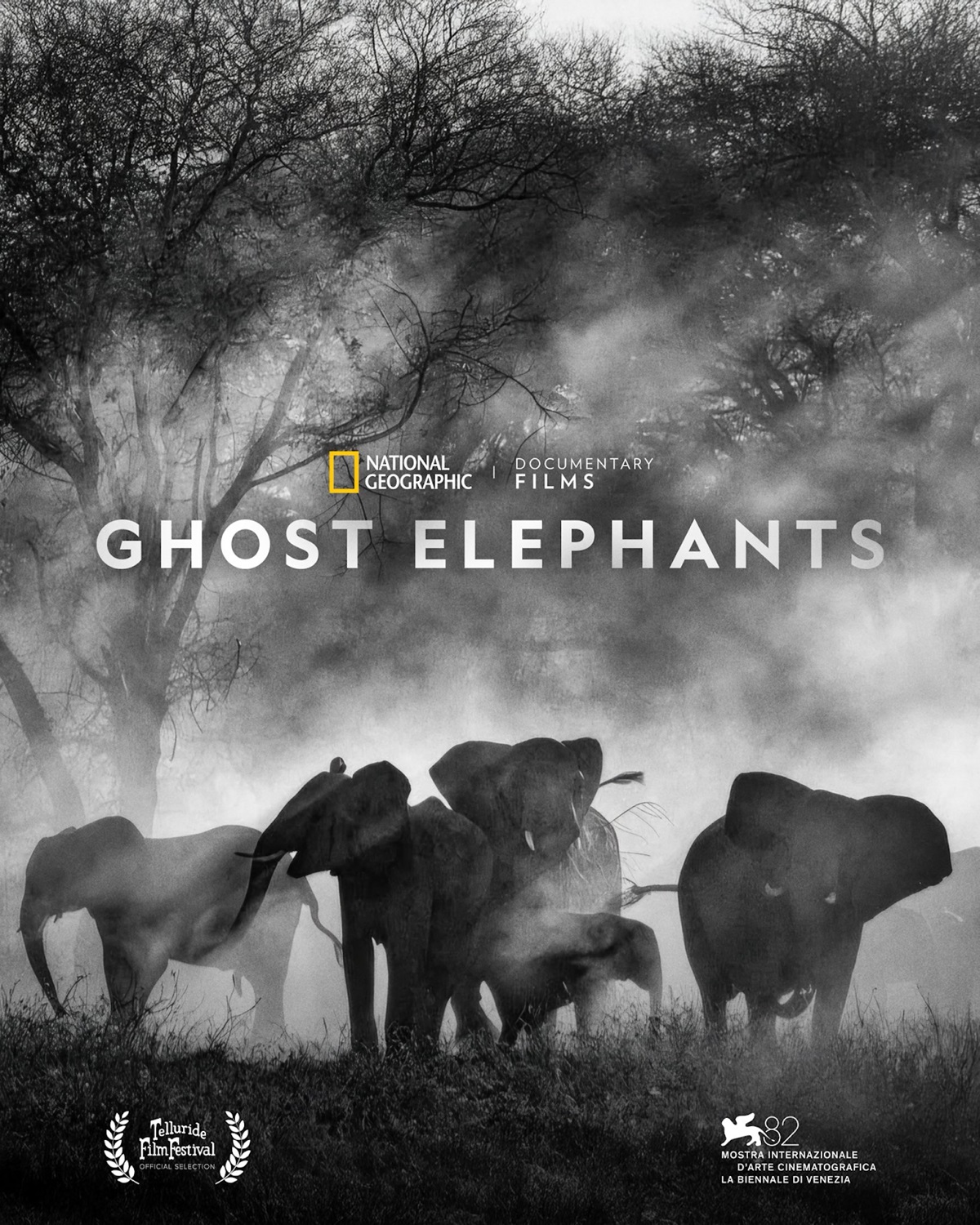
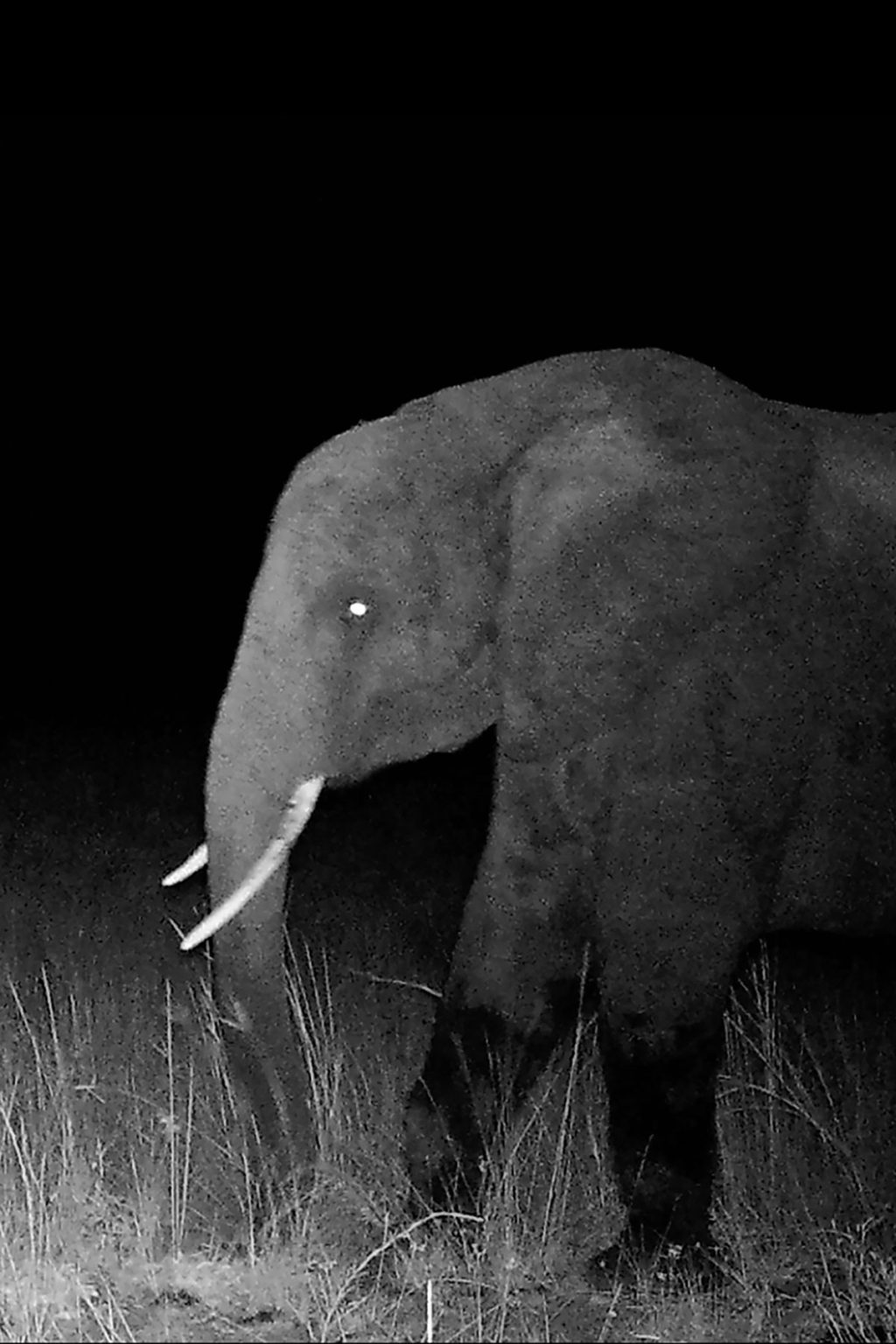
Ghost elephants are real, but they are not supernatural spirits or paranormal entities. The term primarily refers to the "white elephants" of Etosha National Park in Namibia, whose skin appears pale and spectral due to dust-bathing in calcrete-rich clay. It also describes elusive, critically endangered populations like the Knysna forest elephants, which are so rarely seen they are dubbed "ghosts of the forest."
The Biological Reality: The White Giants of Etosha
In the vast, arid expanse of Namibia’s Etosha National Park, travelers and researchers often encounter what look like monolithic, moving statues. These are the famous "ghost elephants." To understand why these creatures appear white, one must look at the unique geology of the Etosha Pan and the specific hygiene behaviors of African elephants (Loxodonta africana).
The Role of Calcrete and Carbonate Dust
The Etosha Pan is a massive endorheic salt pan, covering more than 4,800 square kilometers. The surface of this pan is a mineral-rich environment dominated by calcrete—a hardened natural cement of calcium carbonate. During the dry seasons, which remain a defining characteristic of the Namibian climate in 2026, the pan becomes a source of fine, pale dust.
Elephants do not have sweat glands. To regulate their body temperature and protect their skin from the harsh sub-Saharan sun and biting parasites, they engage in regular dust-bathing and mud-wallowing. In Etosha, the mud they use is heavily saturated with white calcrete and lime-rich clay. As this mud dries on their thick, wrinkled skin, it creates a bright, chalky coating. This transformational process turns a naturally grey elephant into a stark, white "ghost" that blends into the shimmering heat haze of the salt pan.
Thermoregulation and Skin Health
The "ghost" appearance is a byproduct of a vital survival strategy. The white coating serves several technical functions:
- Reflective Cooling: The pale color reflects a higher percentage of solar radiation compared to dark grey skin, helping the elephant maintain a lower core temperature.
- UV Protection: The thick layer of dried clay acts as a physical barrier against ultraviolet rays, which can be damaging even to elephant hide.
- Parasite Management: As the clay dries and eventually flakes off, it takes with it ticks, lice, and other skin-borne parasites that could cause infection or discomfort.
The Ghosts of the Knysna Forest: An Elusive Reality
While the Etosha elephants are "ghosts" because of their color, the elephants of the Knysna forest in South Africa are "ghosts" because of their invisibility. These are perhaps the most mysterious mammals in Southern Africa. Historically, thousands of elephants roamed the Cape Floristic Region, but by the early 20th century, hunting and habitat loss had driven them to the brink of extinction.
The Mystery of the Last Survivors
For decades, the existence of the Knysna elephants was debated. By the 1990s and early 2000s, many believed only one remained—a legendary female known as "Oupoot." However, the term "ghost elephant" became a scientific reality as researchers struggled to find them. In a dense, temperate forest environment, an animal as large as an elephant can remain hidden for years.
As of 2026, camera trap technology and environmental DNA (eDNA) analysis have provided a clearer, yet still haunting, picture. Research conducted by South African National Parks (SANParks) suggests that while sightings are nearly non-existent, biological traces continue to appear. The "ghostly" nature of this population lies in their transition from a social, savanna-dwelling species to a solitary, secretive forest-dwelling existence—a behavior adaptation triggered by extreme environmental and anthropogenic pressure.
Identifying the Knysna Population
Unlike the Etosha giants, the Knysna elephants are not white. They are dark, often covered in forest mulch and damp earth. Their "ghost" status is a measure of their density. To be a ghost elephant in the Cape is to be a relic of a lost era. The technical challenge for 2026 conservationists is determining whether a population of one or two individuals is "functionally extinct" or if there is enough genetic diversity left to warrant a reintroduction program.
Ecological Ghosts: The Concept of Extinction Debt
In conservation biology, "ghost elephants" can also refer to a phenomenon known as an ecological ghost or extinction debt. This occurs when elephants are removed from a landscape, but their impact on the environment persists for decades, like a lingering spirit.
The Architectural Legacy
Elephants are "ecosystem engineers." They knock over trees to create grasslands, dig waterholes that other species use, and create vast migratory "highways" through dense bush. When a population is poached or relocated, the forest does not immediately change. The "ghosts" of the elephants remain in the form of:
- Orphaned Trees: Certain large-seeded tree species rely almost exclusively on elephants for dispersal. In areas where elephants have been gone for 20 years, these trees still stand, but they no longer reproduce effectively. They are "living ghosts" waiting for a disperser that no longer exists.
- Permanent Pathways: Elephant trails are so well-trodden that they can be seen from satellite imagery long after the animals are gone. These paths often dictate the movement of other herbivores, effectively guiding the ecosystem's traffic via a phantom presence.
Technical Comparison of Ghost Elephant Phenomena
| Category | Primary Location | Cause of "Ghost" Appearance | Status in 2026 |
|---|---|---|---|
| Spectral (Visual) | Etosha National Park, Namibia | Calcrete and lime-rich dust bathing. | Thriving; highly visible during dry seasons. |
| Cryptic (Elusive) | Knysna Forest, South Africa | Extreme shyness and dense habitat. | Critically endangered; monitored via eDNA. |
| Ecological (Metaphoric) | Former habitats (e.g., parts of Asia) | Impact on flora persists after extirpation. | Increasing as habitat fragmentation rises. |
| Cultural (Mythic) | Southeast Asia (Thailand/Myanmar) | Albinism or leucism (White Elephants). | Revered; protected by royal decrees. |
The "White Elephants" of Asia: Sacred vs. Ghostly
It is important to distinguish the "ghost elephants" of Africa from the "white elephants" of Asian cultures. In countries like Thailand and Myanmar, white elephants (actually reddish-brown or pinkish in hue) are not considered ghosts but sacred beings.
Technically, these animals often suffer from leucism or albinism, genetic conditions that result in a lack of skin pigment. While they share a pale appearance with the Etosha ghost elephants, the cause is internal (genetics) rather than external (geological dust). In 2026, these animals remain symbols of royal power and prosperity, housed in specialized facilities rather than roaming the wild as "ghosts."
Tracking Ghosts: Modern Technology in 2026
The search for ghost elephants has moved from binoculars to high-tech surveillance. Because these animals are either physically white and blend into bright backgrounds or are biologically rare and blend into dark forests, traditional spotting is often ineffective.
Thermal Imaging and Satellite Monitoring
In Etosha, the heat haze can make a white elephant invisible to the naked eye at a distance. Modern researchers now utilize thermal infrared sensors mounted on drones. Since the elephant’s body, even when covered in cool clay, maintains a different thermal signature than the surrounding salt pan, they "glow" on infrared monitors.
In the Knysna forest, the approach is even more high-tech. Acoustic monitoring stations capture the infrasonic rumbles of elephants—sounds that are below the threshold of human hearing but can travel for miles through dense vegetation. These "ghostly whispers" are often the only proof that the animals are still moving through the deep valleys of the Garden Route.
Cultural and Folklore Perspectives
While science provides the most grounded answers, the concept of ghost elephants has a firm place in local folklore. In various African cultures, elephants are seen as the vessels for the spirits of ancestors.
A "ghost elephant" in this context is a spectral protector of the bush. Reports of "shimmering giants" that vanish into thin air are common among those who spend significant time in the wilderness. While skeptics point to the Fata Morgana (a complex form of mirage common in desert environments like Etosha), the cultural significance of the elephant as a supernatural entity remains a powerful force in conservation efforts, providing a layer of respect and taboo that often protects the animals from local hunting.
FAQs About Ghost Elephants
Are ghost elephants a different species?
No. Ghost elephants are members of the existing elephant species, most commonly the African Savanna Elephant (Loxodonta africana) or the African Forest Elephant (Loxodonta cyclotis). The "ghost" designation is descriptive of their appearance or their rarity, not a taxonomic classification.
Can you see ghost elephants today?
Yes, you can see the "white" ghost elephants in Etosha National Park, Namibia, especially during the dry winter months (May to September). However, seeing the "ghostly" Knysna elephants is nearly impossible due to their small numbers and secretive nature.
Why do Etosha elephants turn white?
They turn white because of the high concentration of calcium carbonate and brucite in the mud and dust of the Etosha Pan. When they spray this mud on themselves, it dries into a white, powdery crust.
Is the term "ghost elephant" used in cryptozoology?
Occasionally, cryptozoologists (those who study hidden animals) use the term to describe sightings of elephants in areas where they are thought to be extinct. However, in most professional wildlife circles, it refers to the Etosha or Knysna phenomena.
Do ghost elephants have health problems because of the white dust?
On the contrary, the white calcrete dust is beneficial. It acts as a natural sunblock and a desiccant that kills skin parasites. It does not appear to have any negative respiratory effects on the animals.
Are white elephants and ghost elephants the same thing?
Generally, no. "White elephants" usually refers to leucistic individuals in Asia that have a genetic pigment mutation. "Ghost elephants" usually refers to African elephants that are white due to external dust or are rare forest dwellers.
Practical Recommendations for Seeing Ghost Elephants
If you are interested in witnessing the phenomenon of ghost elephants, follow these steps for an ethical and successful experience:
- Visit Etosha National Park in the Dry Season: The best time to see the white giants is between July and October. During this time, the elephants are forced to frequent permanent waterholes, making them easier to locate against the stark white backdrop of the pan.
- Hire a Local Guide: Experienced guides understand the movement patterns of the Etosha herds and can distinguish between a distant "ghost elephant" and a shimmering rock formation or a salt pillar.
- Use Polarized Optics: The glare off the Etosha Pan can be blinding. Polarized sunglasses and high-quality binoculars are essential for cutting through the heat haze to see the texture of the elephants' "white" skin.
- Support Knysna Conservation: Since the Knysna elephants are nearly impossible to see, the best way to engage with them is by supporting the SANParks "Knysna Elephant" research initiatives. This helps fund the camera traps and DNA testing required to protect the remaining individuals.
- Practice Ethical Wildlife Viewing: Never approach an elephant too closely, especially in Namibia's arid environment where they are often stressed by heat. Maintain a respectful distance and stay within your vehicle at all times.