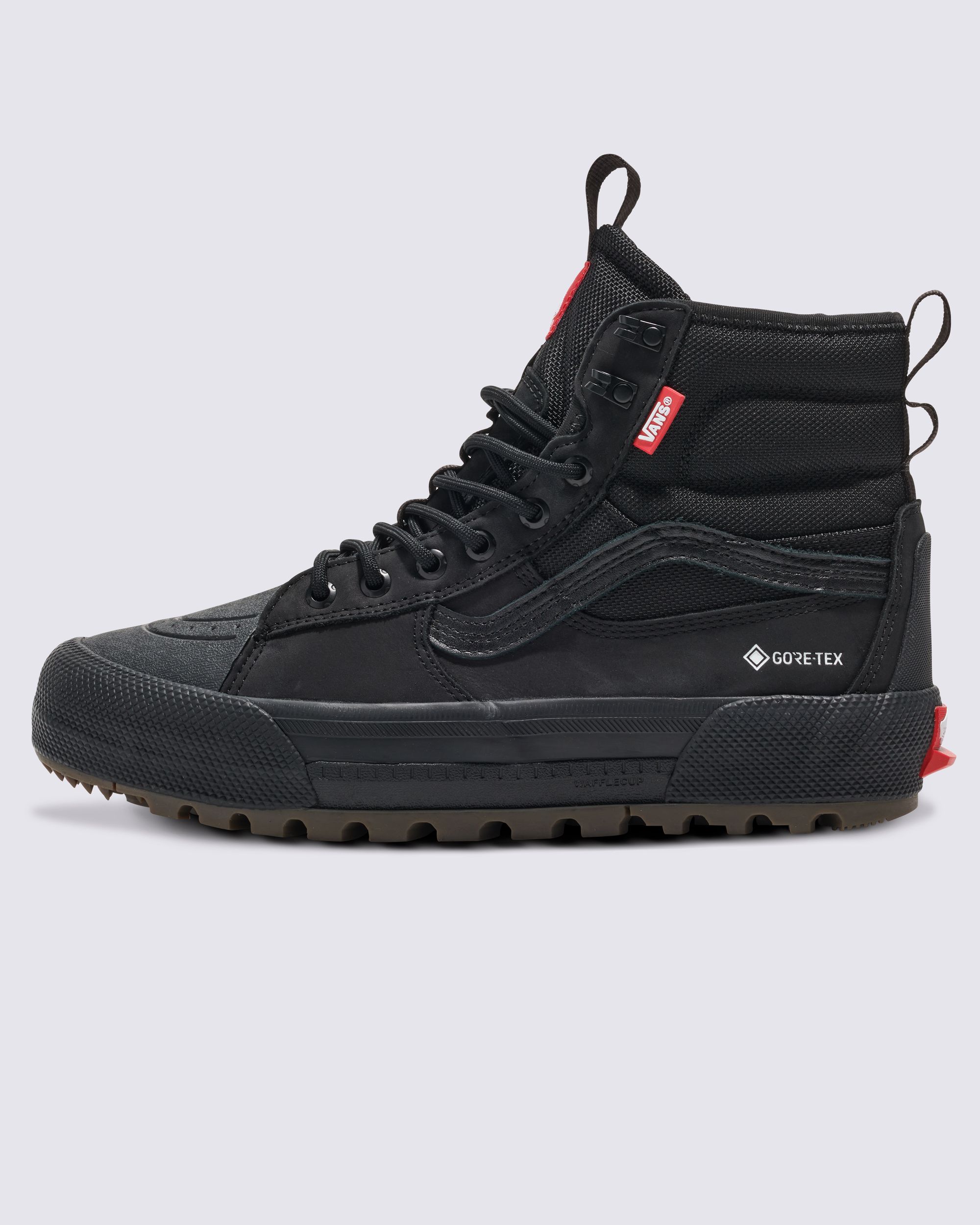
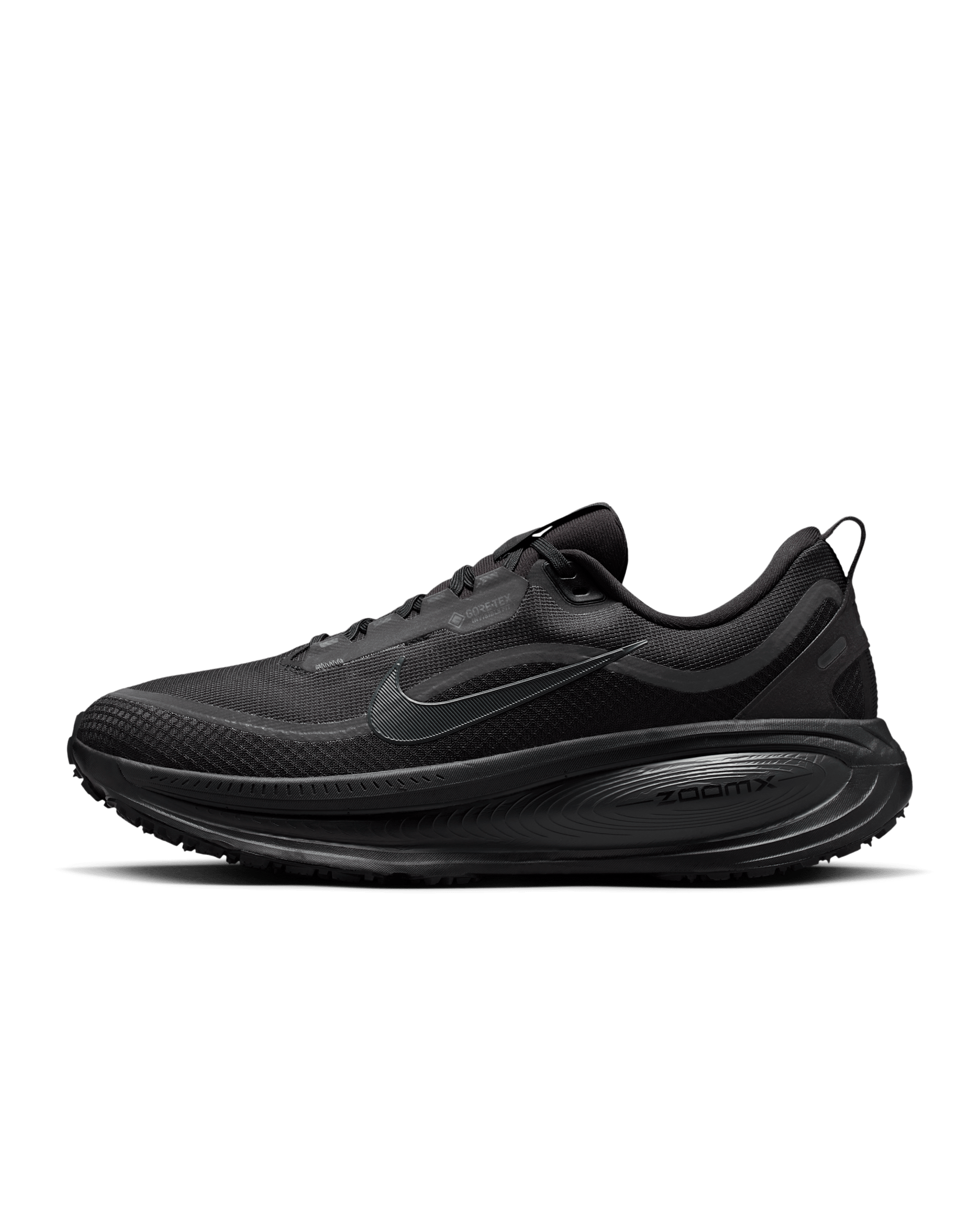
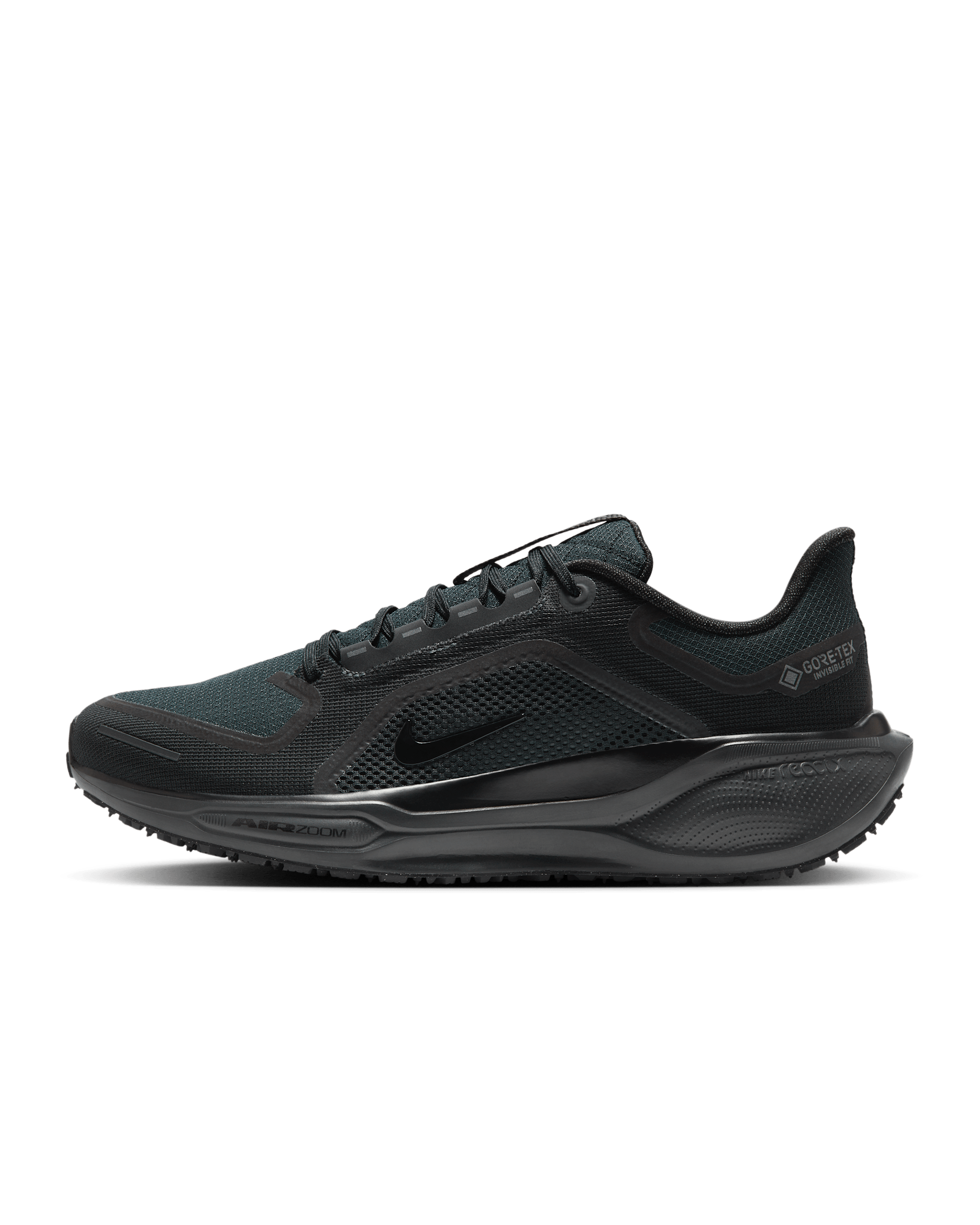
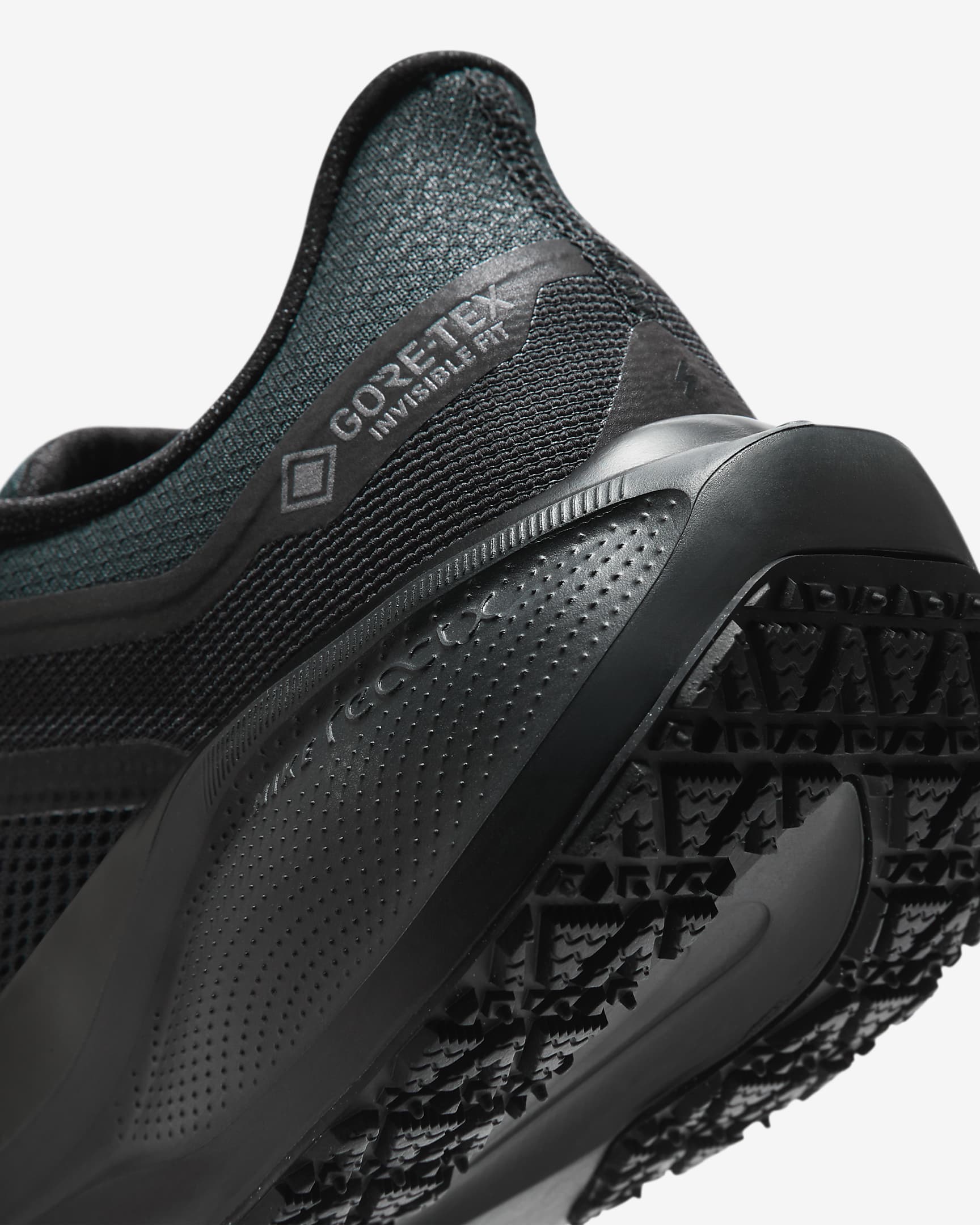
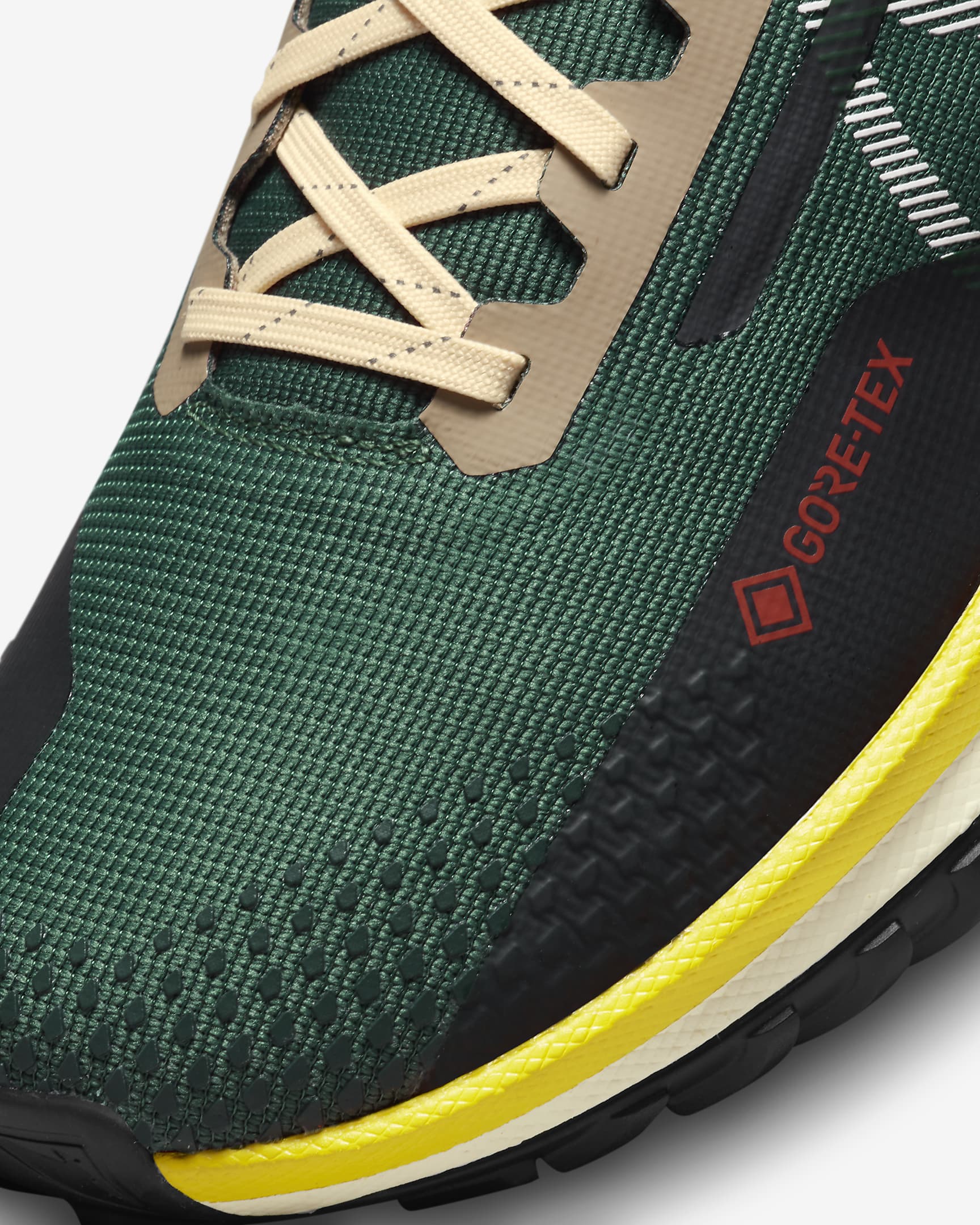
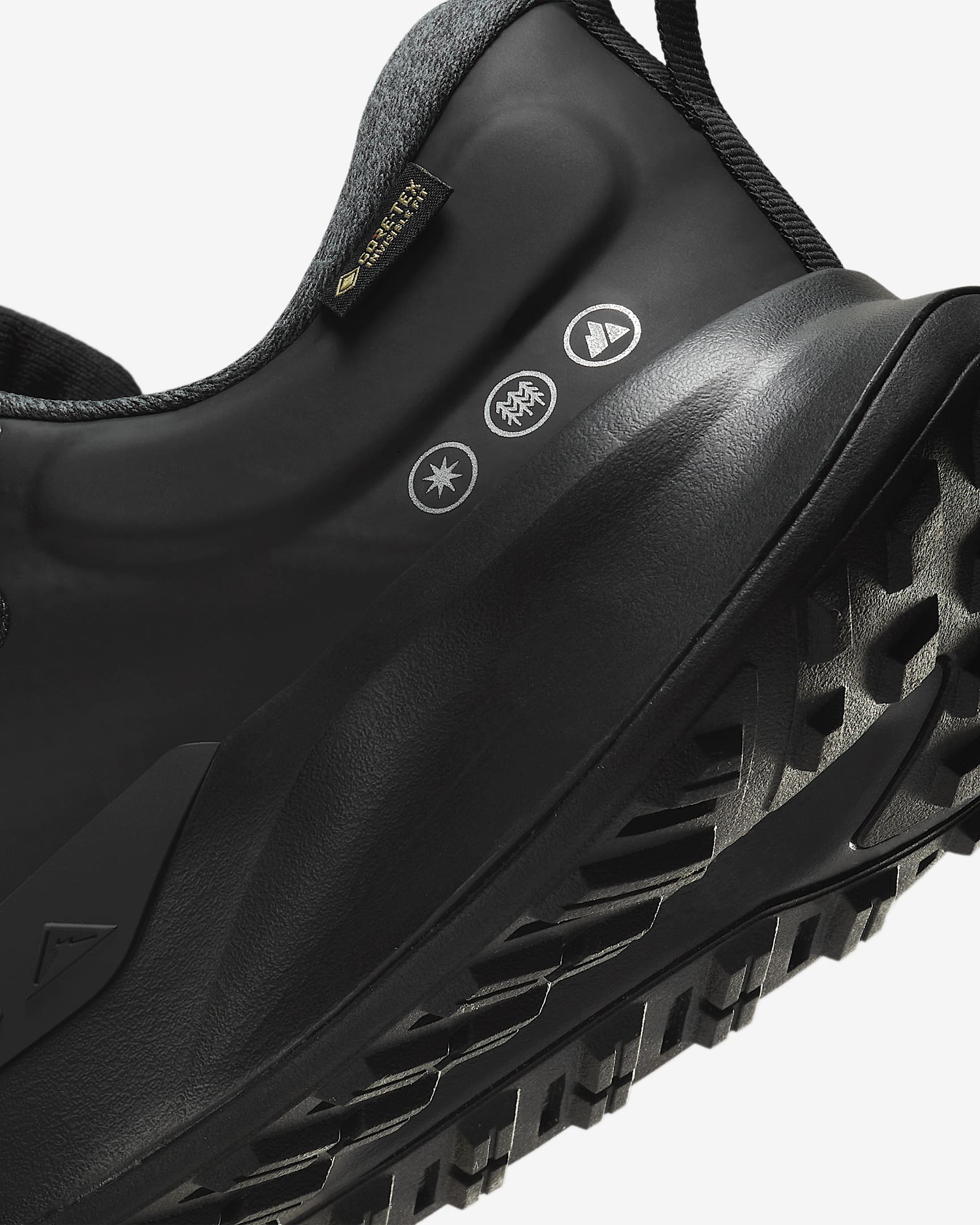
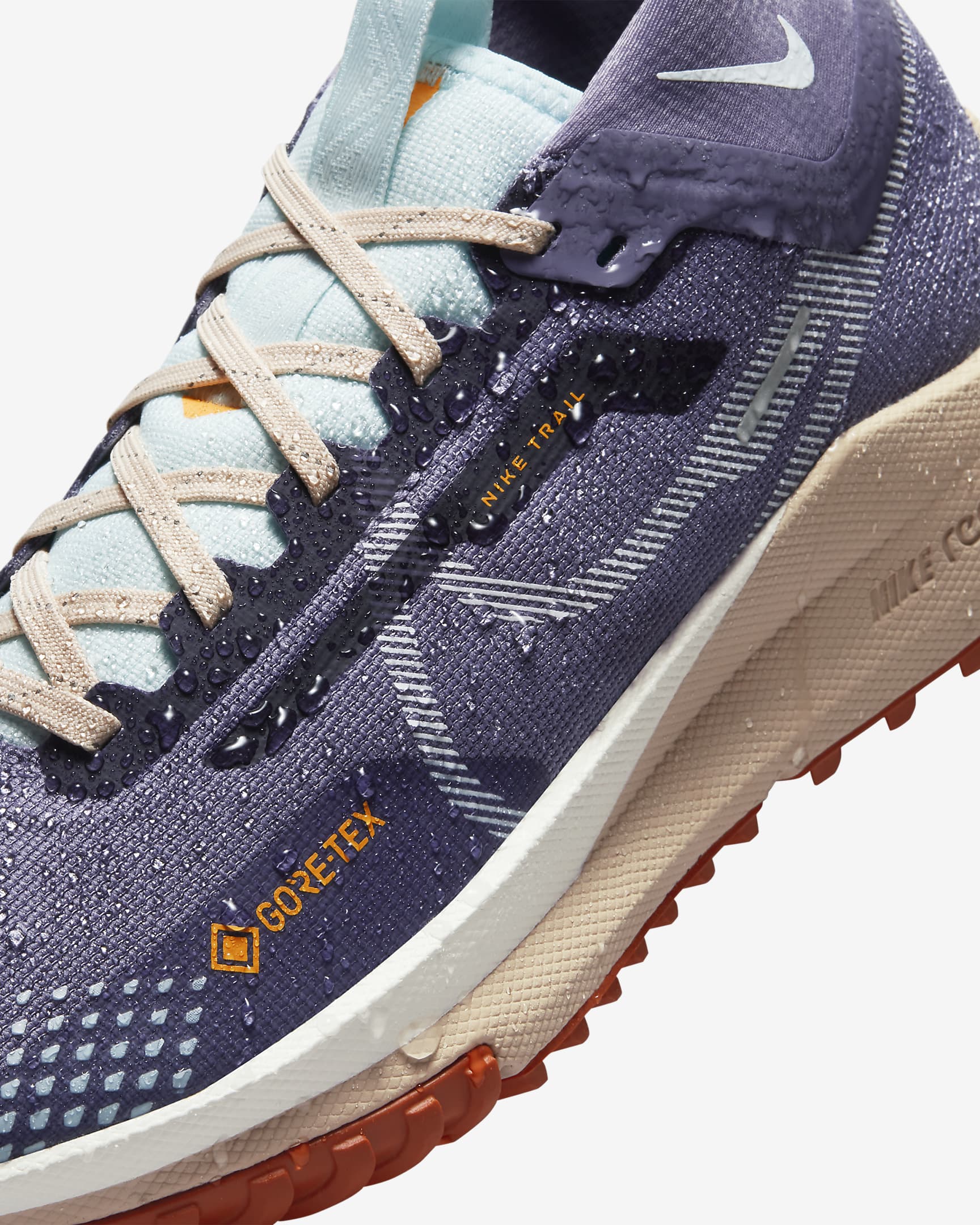
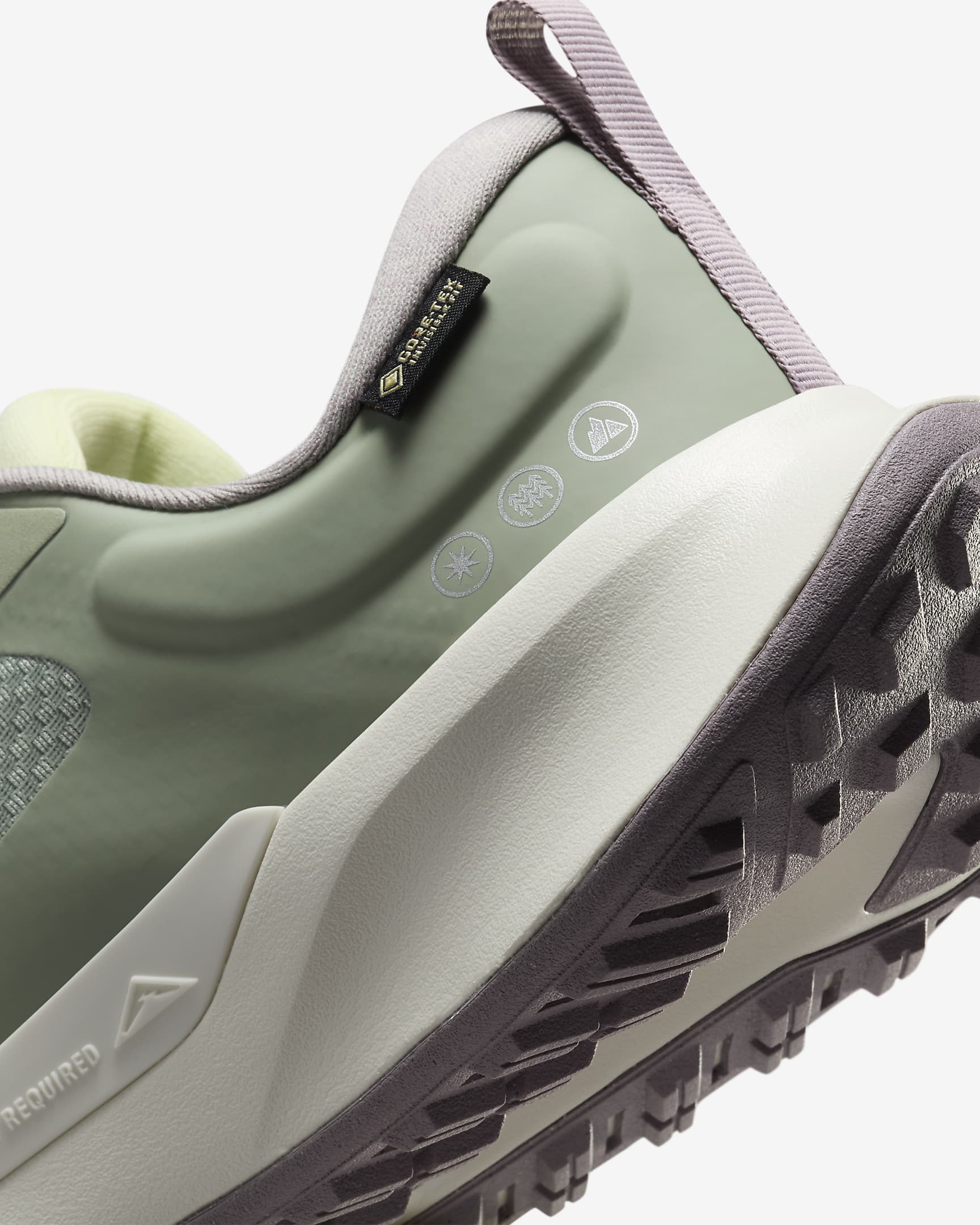
Yes, Gore-Tex shoes are waterproof. They utilize a microporous membrane—typically made of expanded Polytetrafluoroethylene (ePTFE) or the newer expanded Polyethylene (ePE)—that blocks liquid water from entering while allowing internal moisture vapor to escape. However, their real-world performance depends on the shoe's construction, height, and the maintenance of its external water-repellent coating.
The question of whether a shoe is "waterproof" often leads to frustration when a hiker or runner ends up with damp socks. To understand why Gore-Tex is considered the gold standard in the outdoor industry, one must look beyond the marketing slogans and examine the physics of the membrane, the manufacturing requirements, and the specific environmental conditions that can challenge even the best waterproof-breathable (WPB) technologies. In 2026, as the industry completes its transition to more sustainable, PFAS-free membranes, understanding these nuances is more critical than ever for consumers seeking reliable footwear.
The Science Behind the Gore-Tex Membrane
At the heart of every Gore-Tex shoe is a thin, functional layer known as the Gore-Tex membrane. This material is not a coating or a spray; it is a dedicated layer laminated between the outer textile and the inner lining. The technical efficacy of this membrane relies on a specific structural property: it contains over 9 billion pores per square inch.
These pores are the key to the "waterproof yet breathable" paradox. A single pore is approximately 20,000 times smaller than a drop of water. Because of surface tension, water droplets cannot squeeze through these microscopic openings, even under significant pressure (such as the force of a footstep in a deep puddle). Conversely, these same pores are roughly 700 times larger than a molecule of water vapor (sweat). This allows the moisture generated by your feet to move from the high-humidity environment inside the shoe to the lower-humidity environment outside.
By 2026, Gore-Tex has largely transitioned its product lines to include the expanded Polyethylene (ePE) membrane. This shift was driven by environmental regulations and a commitment to eliminate perfluorinated chemicals (PFAS). The ePE membrane is thinner, lighter, and has a lower carbon footprint than the classic ePTFE version, yet it maintains the same rigorous waterproof standards. Both materials operate on the same principle of microporosity to ensure that external liquid remains outside while internal vapor can exit.
Waterproof vs. Water-Resistant: The Industry Standards
It is common for consumers to confuse "water-resistant" with "waterproof." In the footwear industry, water-resistance usually refers to a fabric's ability to repel light moisture or a brief drizzle, often achieved through a surface treatment. However, water-resistant shoes will eventually saturate and leak under sustained pressure or heavy rain.
Gore-Tex footwear is classified as waterproof because it must pass a battery of standardized tests that simulate extreme conditions. These tests are not just for the fabric, but for the entire shoe assembly.
- The Walking Test: Finished shoes are placed on mechanical "feet" and subjected to thousands of steps in a water bath. Sensors inside the shoe detect the slightest hint of moisture. If a prototype leaks, it is sent back for redesign.
- The Centrifuge Test: Shoes are filled with water and spun at high speeds. The resulting pressure forces water against the membrane and seams; any leakage indicates a failure in the construction.
- Hydrostatic Head Rating: While apparel often focuses on this metric (the height of a water column the fabric can withstand), Gore-Tex membranes typically exceed 20,000mm, which is far beyond the pressure generated by natural rainfall or walking through wet grass.
The Role of the DWR (Durable Water Repellent)
A critical component of a waterproof shoe that is often misunderstood is the Durable Water Repellent (DWR) coating applied to the outermost fabric. While the Gore-Tex membrane is the primary barrier, the DWR is the first line of defense.
When a shoe is new, you will notice water "beading" up and rolling off the surface. This is the DWR at work. If the DWR wears off—due to abrasion, dirt, or oils—the outer fabric will undergo a process called "wetting out." When a shoe wets out, the outer textile becomes saturated with water.
Crucially, a "wetted out" shoe is usually still waterproof because the internal membrane remains intact. However, the layer of liquid water on the outside of the shoe creates a barrier that prevents water vapor from escaping. This leads to a buildup of sweat inside the shoe, making your feet feel wet and cold. Many users incorrectly assume their Gore-Tex membrane has failed when, in reality, the shoe has simply lost its breathability due to DWR failure.
Understanding Footwear Construction: Booties and Seams
A Gore-Tex membrane is only as effective as the shoe it is built into. Gore does not just sell rolls of fabric; they partner with brands to ensure the entire shoe construction meets their "Guaranteed to Keep You Dry" promise.
In most footwear, the membrane is constructed as a "bootie"—a sock-like insert that surrounds the foot. The seams of this bootie must be sealed with specialized Gore-Seam tape to ensure that no water can enter through the needle holes made during the sewing process.
There are three primary types of Gore-Tex footwear constructions used in 2026:
- Extended Comfort: Designed for high-output activities like trail running. These prioritize breathability and are often found in non-insulated, low-cut shoes.
- Performance Comfort: The standard for hiking boots, offering a balance of protection and breathability for changing weather conditions.
- Insulated Comfort: Found in winter boots or mountaineering footwear, these include an additional layer of insulation to keep feet warm in sub-zero temperatures.
Comparison of Waterproof Technologies in 2026
While Gore-Tex remains the market leader, several other technologies compete in the waterproof footwear space. The following table compares Gore-Tex with other prominent WPB (Waterproof-Breathable) systems available in 2026.
| Technology | Primary Material | Breathability Rating | Best Use Case | Key Characteristic |
|---|---|---|---|---|
| Gore-Tex (ePE) | Expanded Polyethylene | Very High | Hiking, Running | Industry-standard durability and "Guaranteed to Keep You Dry" promise. |
| eVent | ePTFE (Direct Venting) | High | Cycling, Fast Hiking | Uses a "dry" system that doesn't require a PU coating, increasing air permeability. |
| North Face Futurelight | Nanospun Polyurethane | Excellent | Trail Running | Extremely soft and flexible; focuses on airflow over pure hydrostatic head. |
| Columbia OutDry | Laminated Membrane | Moderate | Wet/Muddy Trails | Membrane is bonded to the outer shell, eliminating the "wet out" issue. |
| Proprietary (e.g., Keen.Dry) | Various | Moderate | Casual Hiking | Often more affordable, though sometimes less durable than premium membranes. |
Why Your Gore-Tex Shoes Might Feel Like They Are Leaking
It is a common complaint: "I bought Gore-Tex boots, but my feet are wet." Before assuming the membrane is defective, consider these three common scenarios:
1. Water Entry Over the Collar
The most frequent cause of wet feet in waterproof shoes is water entering from the top. If you are wearing low-cut trail runners or even mid-cut boots, heavy rain can run down your legs, or splashes from deep puddles can enter through the ankle collar. Once water is inside a Gore-Tex shoe, the membrane works against you—it is just as good at keeping water in as it is at keeping it out. Using gaiters can mitigate this issue.
2. Condensation (The "Sweat" Factor)
If you are performing high-intensity exercise in humid or warm conditions, your feet can produce up to a cup of sweat during a long hike. If the external environment is saturated (rainy and 100% humidity), the moisture gradient required for breathability disappears. The sweat stays trapped inside the shoe, creating the illusion of a leak.
3. Punctures and Abrasion
While the membrane is protected by outer fabrics, it is not invincible. A sharp thorn, a jagged rock, or even a long, sharp toenail can puncture the membrane. Over years of use, the constant flexing at the toe box can cause the membrane to crack or delaminate, leading to localized leaks.
Durability and Lifespan of the Waterproof Barrier
In 2026, the lifespan of a Gore-Tex shoe is generally determined by the mechanical wear of the outsole and the midsole rather than the failure of the membrane. Under normal hiking conditions, a Gore-Tex membrane should remain waterproof for the entire functional life of the shoe—typically 500 to 1,000 miles for boots and 300 to 500 miles for trail runners.
However, the "waterproofness" is not permanent if the shoe is neglected. Salt from sweat and grit from trail dust can work their way into the lining and act as an abrasive against the membrane. Regular cleaning is essential to preserve the integrity of the waterproof barrier.
Maintenance: How to Keep Gore-Tex Shoes Waterproof
To ensure your footwear continues to perform as expected, follow these maintenance steps:
- Clean After Use: Use a cloth or brush with lukewarm water to remove mud and grit. Do not use harsh detergents; if necessary, use a dedicated footwear cleaner.
- Dry Naturally: Never place Gore-Tex shoes near a direct heat source like a radiator or fire. High heat can damage the adhesives, the membrane, and the outer leather or synthetic materials. Stuff them with newspaper and let them air dry.
- Reapply DWR: When water stops beading on the surface of the shoe, it is time to re-waterproof the exterior. Use a spray-on DWR treatment specifically designed for footwear (such as those from Nikwax or Grangers). This does not "fix" the membrane, but it prevents the outer fabric from wetting out, thereby maintaining breathability.
- Remove Debris: Occasionally remove the insole and shake out any sand or small pebbles that have made their way into the shoe. These particles can eventually rub through the Gore-Tex bootie.
Frequently Asked Questions
Do Gore-Tex shoes lose their waterproofness over time?
The Gore-Tex membrane itself does not "wear out" in the sense of losing its chemical ability to block water. However, it can fail due to mechanical stress. Continuous flexing, punctures from debris, or the buildup of abrasive dirt inside the shoe can eventually cause small tears in the membrane, leading to leaks.
Are Gore-Tex shoes too hot for summer?
Because the membrane adds an extra layer and restricts airflow compared to an open-mesh shoe, Gore-Tex footwear is inherently warmer. In 2026, "Extended Comfort" versions have improved significantly, but for desert hiking or mid-summer temperatures exceeding 85°F (30°C), many users find waterproof shoes to be uncomfortably warm and prefer non-waterproof, highly breathable mesh.
Can I use wax on Gore-Tex leather boots?
You should be cautious when applying traditional heavy waxes or greases to Gore-Tex leather boots. These products can clog the pores of the leather, which in turn prevents the Gore-Tex membrane from "breathing." Always use water-based creams or sprays specifically labeled as "Gore-Tex compatible" to maintain the leather while preserving the shoe's breathability.
Is Gore-Tex safe for the environment?
By 2026, Gore-Tex has largely moved toward the ePE membrane, which is PFC-free (perfluorinated chemicals). This was a major industry shift to address concerns regarding the environmental persistence of PFAS. The newer membranes offer a more sustainable profile while maintaining the high waterproof standards the brand is known for.
Why are my socks damp even though my Gore-Tex boots aren't leaking?
This is almost always due to perspiration. If you are wearing cotton socks, they will absorb and hold onto moisture. For Gore-Tex shoes to work effectively, you must wear synthetic or merino wool socks, which help "wick" moisture away from the skin and toward the membrane where it can evaporate.
Practical Recommendation
When deciding if Gore-Tex shoes are right for you, consider your primary environment. If you frequently hike in boggy terrain, walk through wet grass, or live in a climate with consistent rainfall, the waterproof protection of Gore-Tex is indispensable. The technology is genuinely waterproof and backed by rigorous testing.
However, if you primarily hike in hot, dry climates, you may benefit more from a non-waterproof shoe that allows for maximum airflow and dries quickly if it does get wet. For those who choose Gore-Tex, the key to satisfaction is maintaining the external DWR and wearing the correct moisture-wicking socks to ensure the "breathable" side of the technology can function as intended.