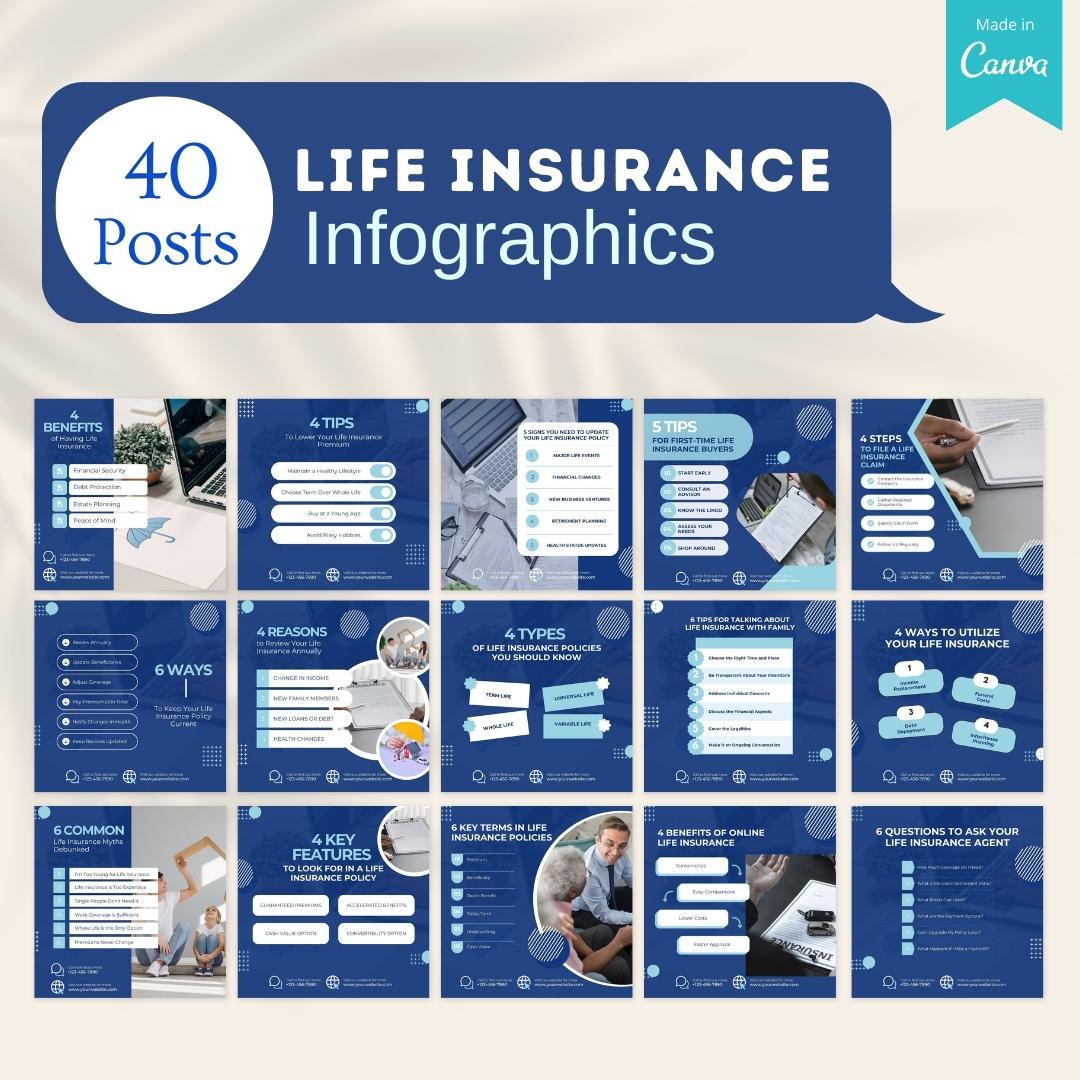
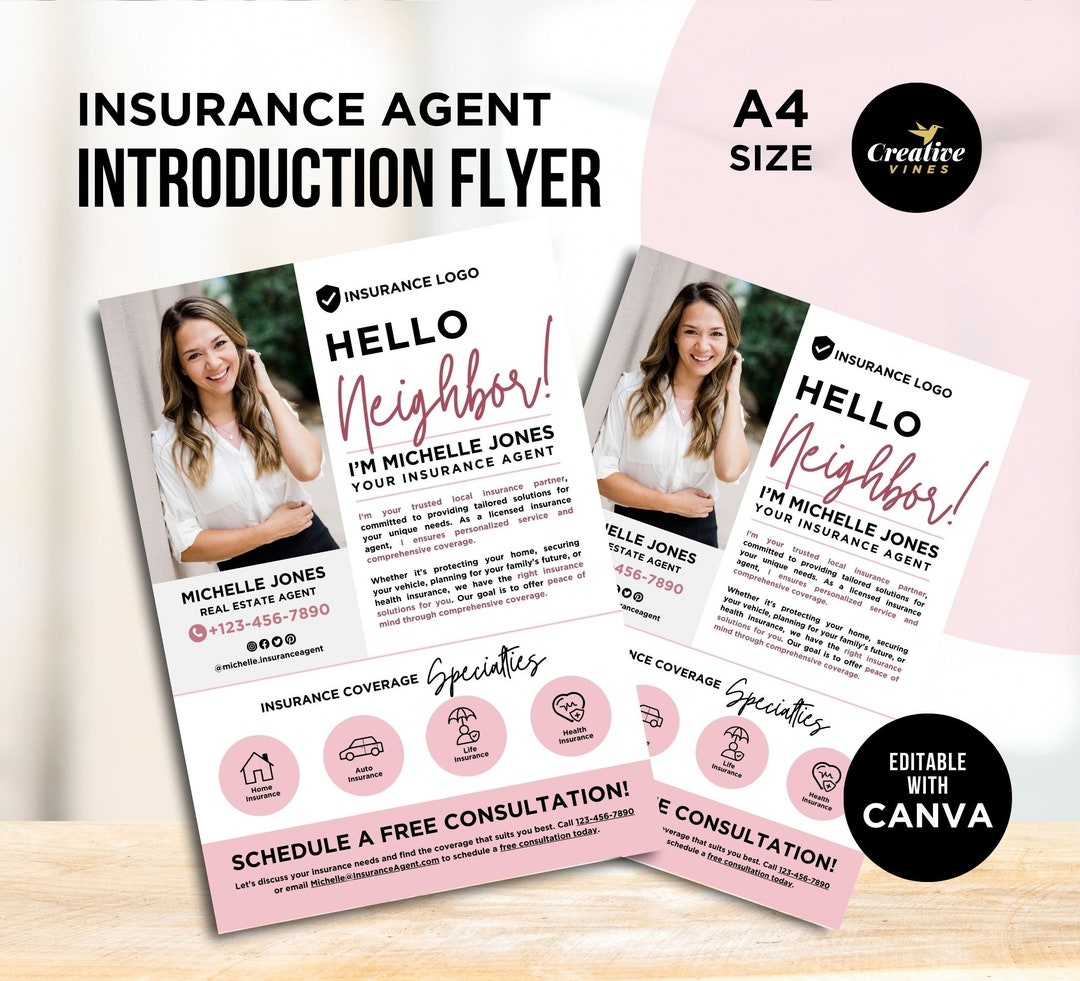
Free life insurance flyer templates are worth it for new agents or those testing a specific local market on a limited budget, as they provide a fast, cost-effective entry point. However, for established professionals in 2026, these templates often fall short regarding regulatory compliance, brand differentiation, and high-conversion design standards, potentially leading to legal risks or diminished consumer trust.
The life insurance industry is built entirely on the foundation of trust and long-term reliability. As an agent or agency owner, every piece of marketing material you distribute serves as a silent ambassador for your professionalism. In 2026, the landscape of insurance marketing has become increasingly saturated with digital and physical noise, making the "worth" of a free template a complex calculation of time, risk, and potential return on investment. While the immediate cost of $0 is enticing, the long-term implications for your brand equity and legal standing require a nuanced evaluation.
The Immediate Appeal of Free Templates in 2026
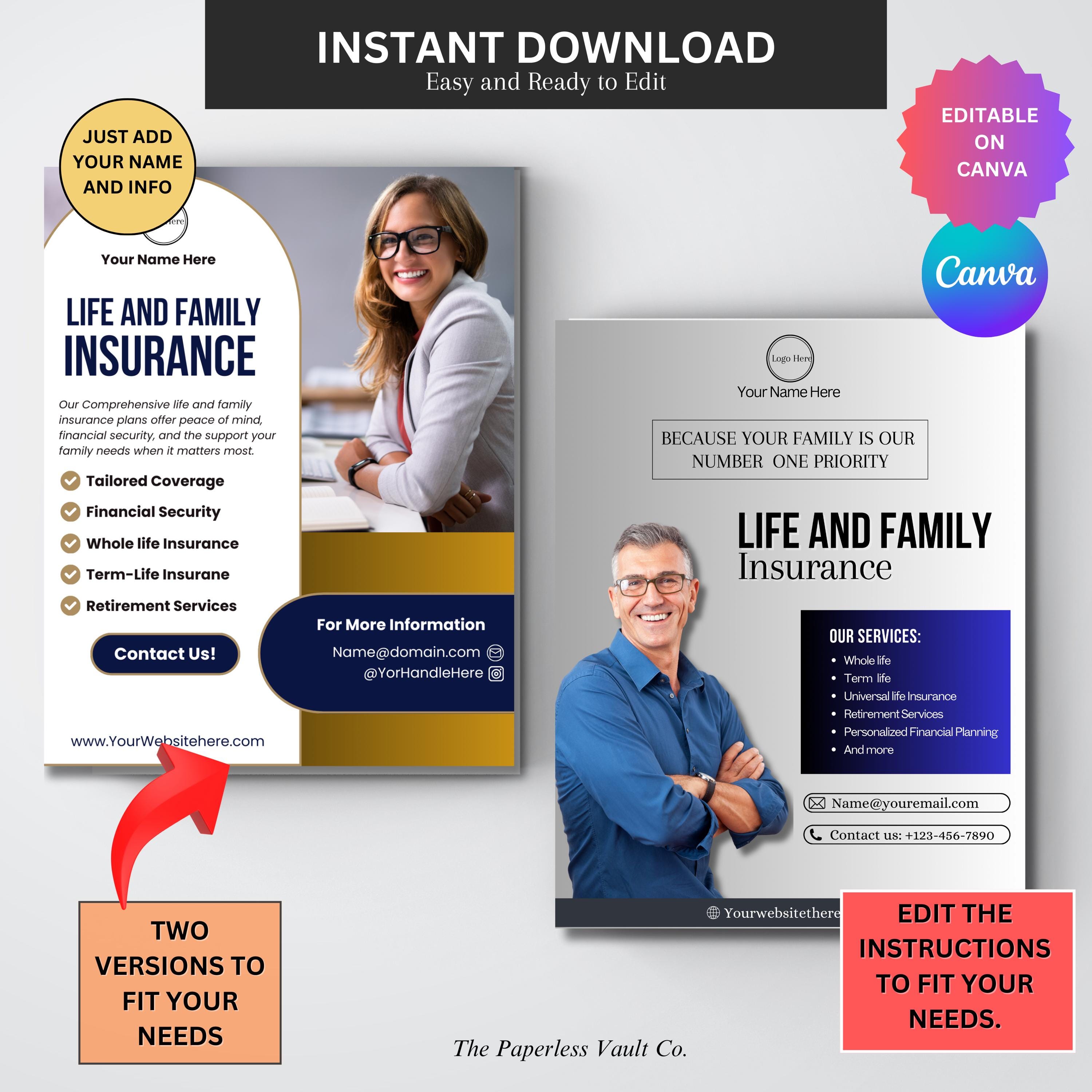
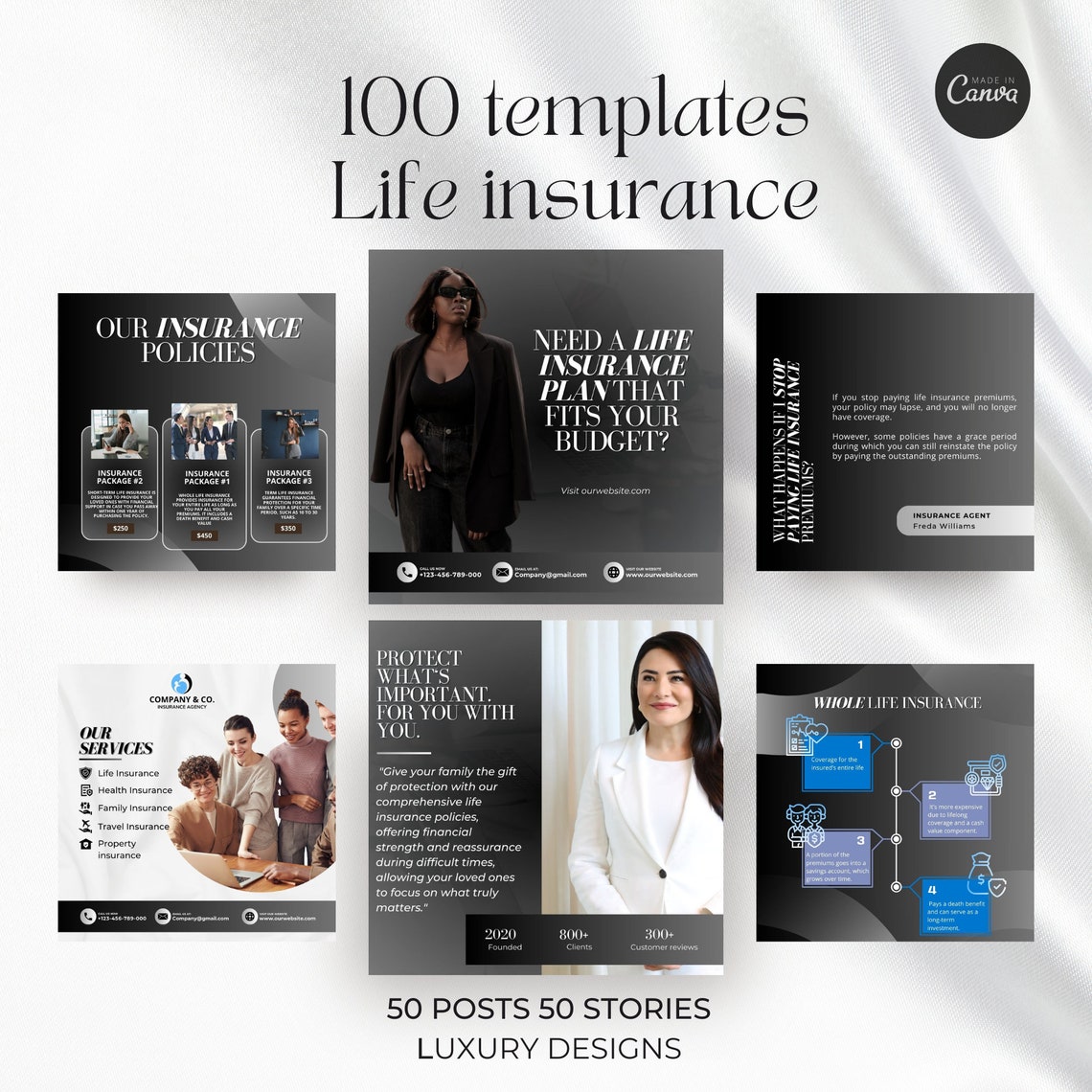
The primary driver behind the popularity of free life insurance flyer templates is accessibility. Platforms like Canva, Adobe Express, and various industry-specific hubs offer thousands of "drag-and-drop" designs that allow an agent to create a flyer in under ten minutes. For a professional just starting their career or an independent agent operating with minimal overhead, these tools bridge the gap between having no marketing presence and having something tangible to hand to a prospect.
Speed is the second major factor. In a fast-moving market, the ability to capitalize on a local event or a sudden shift in interest rates by quickly printing a batch of flyers can be the difference between capturing a lead and missing an opportunity. Free templates eliminate the "blank page" syndrome, providing a layout that already includes placeholders for headlines, body copy, and contact information. This structural guidance is invaluable for those who do not have a background in graphic design or visual hierarchy.
However, the "free" nature of these templates is often a loss leader for the platforms providing them. While the template itself costs nothing, the user often pays in other ways: through limited export options, watermarked images that require a premium subscription to remove, or the use of generic stock photography that prospects have seen a dozen times before on competing flyers.
The Regulatory Compliance Minefield
In the life insurance sector, a flyer is more than just a piece of paper; it is a "advertisement" as defined by state insurance departments and the National Association of Insurance Commissioners (NAIC). As of 2026, regulatory scrutiny on insurance marketing has intensified, particularly regarding "guaranteed" language, the clarity of disclosures, and the accuracy of product descriptions (such as the distinction between term life and permanent life insurance).
Free templates are generally designed for the widest possible audience across multiple jurisdictions. This "one-size-fits-all" approach is fundamentally at odds with the highly specific disclosure requirements of individual states. For example, a template might lack the necessary space for a 10-point font disclosure or the specific wording required for "no-medical-exam" policies. Using a template that omits these details can lead to significant fines or even the suspension of a license.
Furthermore, most free template providers include a disclaimer stating that they are not responsible for the legal accuracy of the content. This places the entire burden of proof on the agent. When you use a free template, you are responsible for ensuring that every word, icon, and implication meets the standards of your specific carrier’s compliance department and state law. If a template uses an icon that implies a "savings account" feature in a way that could be interpreted as a bank-grade guarantee for a whole life policy, you could be flagged for misleading advertising.
Design Psychology and the "Trust Gap"
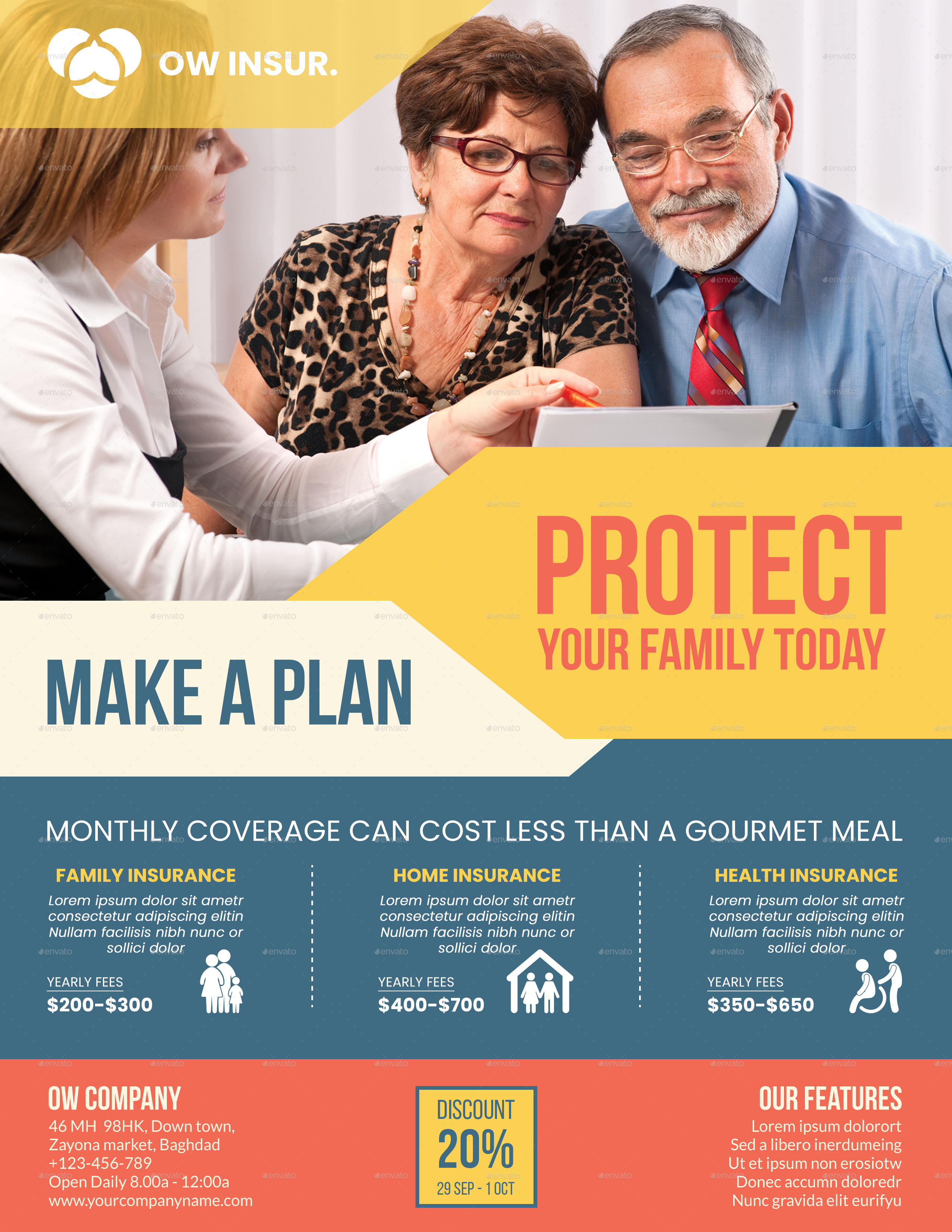
Life insurance is a "grudge purchase"—something people know they need but rarely want to shop for. To overcome this resistance, marketing materials must evoke a sense of security and bespoke care. Generic free templates often rely on clichéd imagery: a family laughing in a sunlit field, a pair of hands holding a small house, or a generic shield icon. By 2026, consumers have become highly adept at filtering out these visual tropes.
When a prospect receives a flyer that looks identical to a local lawn care service’s advertisement or a generic "for sale" sign, the perceived value of the advice behind that flyer drops. This is known as the "trust gap." If an agent appears to have cut corners on their own marketing materials, a prospect may subconsciously wonder if the agent will also cut corners when it comes to finding the best policy or assisting with a complex claim.
Customization is the antidote to the trust gap. While some free templates allow for color changes and logo uploads, they often restrict the user to a rigid grid. This prevents the agent from creating a visual flow that highlights their unique selling proposition (USP), such as a specialty in final expense insurance for seniors or indexed universal life (IUL) for high-net-worth individuals. A flyer that fails to speak specifically to a niche demographic is a flyer that ends up in the recycling bin.
Technical Limitations and Print Quality
A flyer that looks sharp on a 2026 OLED smartphone screen may look pixelated and unprofessional once printed on physical cardstock. Free templates often limit the export resolution to 72 DPI (dots per inch) or 96 DPI, which is suitable for web use but woefully inadequate for professional printing, which requires at least 300 DPI.
Moreover, free templates often ignore essential print specifications like "bleed" and "slug" areas. Bleed is the extra space around the edges of a design that allows the printer to cut the paper without leaving a white border. If a template does not account for bleed, your finished flyers may look amateurish, with inconsistent margins or cropped-off text.
Another technical hurdle is the color profile. Digital screens use RGB (Red, Green, Blue) light, while professional presses use CMYK (Cyan, Magenta, Yellow, Black) ink. Many free design tools operate exclusively in RGB. When these files are sent to a commercial printer, the colors often shift—vibrant blues may turn muddy, and bright reds may look dull. For an insurance agent, whose brand colors are a key part of their identity, these inconsistencies can be frustrating and counterproductive.
Comparing Your Options: Free vs. Paid vs. Custom
To determine if a free template is truly "worth it," it is helpful to compare it against other common marketing avenues available to agents in 2026.
| Feature | Free Template | Premium/Paid Template | Custom Graphic Design | Agency-Provided Material |
|---|---|---|---|---|
| Upfront Cost | $0 | $15 – $50 | $200 – $1,000+ | Usually $0 (Internal) |
| Compliance Focus | Minimal/Generic | Moderate | High (if briefed) | Very High |
| Uniqueness | Low (Commonly used) | Medium | High (Unique to you) | Medium (Agency-wide) |
| Design Flexibility | Limited | Moderate | Unlimited | Very Limited |
| Print Readiness | Variable (often low) | High (usually 300 DPI) | Professional Grade | High |
| Time Investment | Low | Low | High (Back-and-forth) | Low |
How to Effectively Use a Free Template (If You Must)
If you decide that a free template is the right choice for your current business stage, you must take specific steps to mitigate the risks mentioned above. Do not simply swap the logo and hit print.
- Prioritize High-Resolution Assets: Even if the template is free, ensure your logo and any additional photos are high-resolution (300 DPI). Avoid "stealing" images from a search engine; use legitimate stock sites or take your own professional photos to ensure you have the rights to use them.
- Verify the Disclosures: Reach out to your carrier’s compliance department or a legal consultant. Ask for the "Standard Disclosure Block" for the specific type of insurance you are promoting. Place this text clearly at the bottom of the flyer, even if the template didn't leave room for it.
- Optimize for a Single Action: Many free templates try to cram too much information onto a single page. Instead, focus your flyer on one goal: getting the prospect to scan a QR code, call a specific number, or visit a landing page.
- Test the Print Quality: Before ordering 5,000 copies, print a single copy on your home or office printer. Check for text legibility, color accuracy, and margin alignment.
- Utilize AI Enhancements: In 2026, many free tools include AI "upscalers" or "brand kits." Use these to ensure the colors in the template match your existing website and business cards, creating a cohesive brand experience.
The Evolution of Marketing: Beyond the Basic Flyer
In 2026, the concept of a "flyer" has expanded. A piece of paper is often just the entry point into a digital ecosystem. A truly valuable template—free or otherwise—should facilitate this transition. This means the template should have a dedicated, aesthetically pleasing spot for a Dynamic QR Code.
Unlike static QR codes, dynamic codes allow you to track how many people scanned the flyer and where they were located. You can also change the destination URL without reprinting the flyers. For example, a flyer distributed at a local health fair could lead to a specific "Health Fair Special" landing page, while the same flyer used for door-knocking could lead to a general "Get a Quote" page. Free templates that do not account for these modern marketing integrations are effectively obsolete, regardless of their price.
Common Pitfalls to Avoid
Even with the best template, certain mistakes can render your marketing efforts useless. One of the most frequent errors is using industry jargon that the average consumer doesn't understand. Terms like "non-correlated assets," "cash value accumulation," or "mortality charges" should be replaced with benefits-focused language like "financial safety net," "accessible emergency funds," and "affordable protection."
Another pitfall is the "over-promise." In an attempt to make a flyer stand out, agents sometimes use headlines like "The Lowest Rates in the State" or "Instant Approval for Everyone." These are not only compliance nightmares but also set unrealistic expectations that can lead to high churn rates and dissatisfied clients when the actual underwriting process begins.
Frequently Asked Questions
Can I use a free template for social media instead of printing?
Yes, but you must ensure the aspect ratio is correct for the platform (e.g., 1080x1080 for Instagram). However, the same compliance rules apply to digital "flyers" as they do to physical ones. In many jurisdictions, digital advertisements must be archived for a certain number of years for regulatory review.
Are there copyright issues with free life insurance flyer templates?
Most free templates on reputable platforms like Canva or Adobe Express come with a license that allows for commercial use. However, this license often does not extend to the specific stock photos used within the template if you don't have a pro account. Always check the "Image Info" or "License" tab before distributing.
Should I include my face on the flyer?
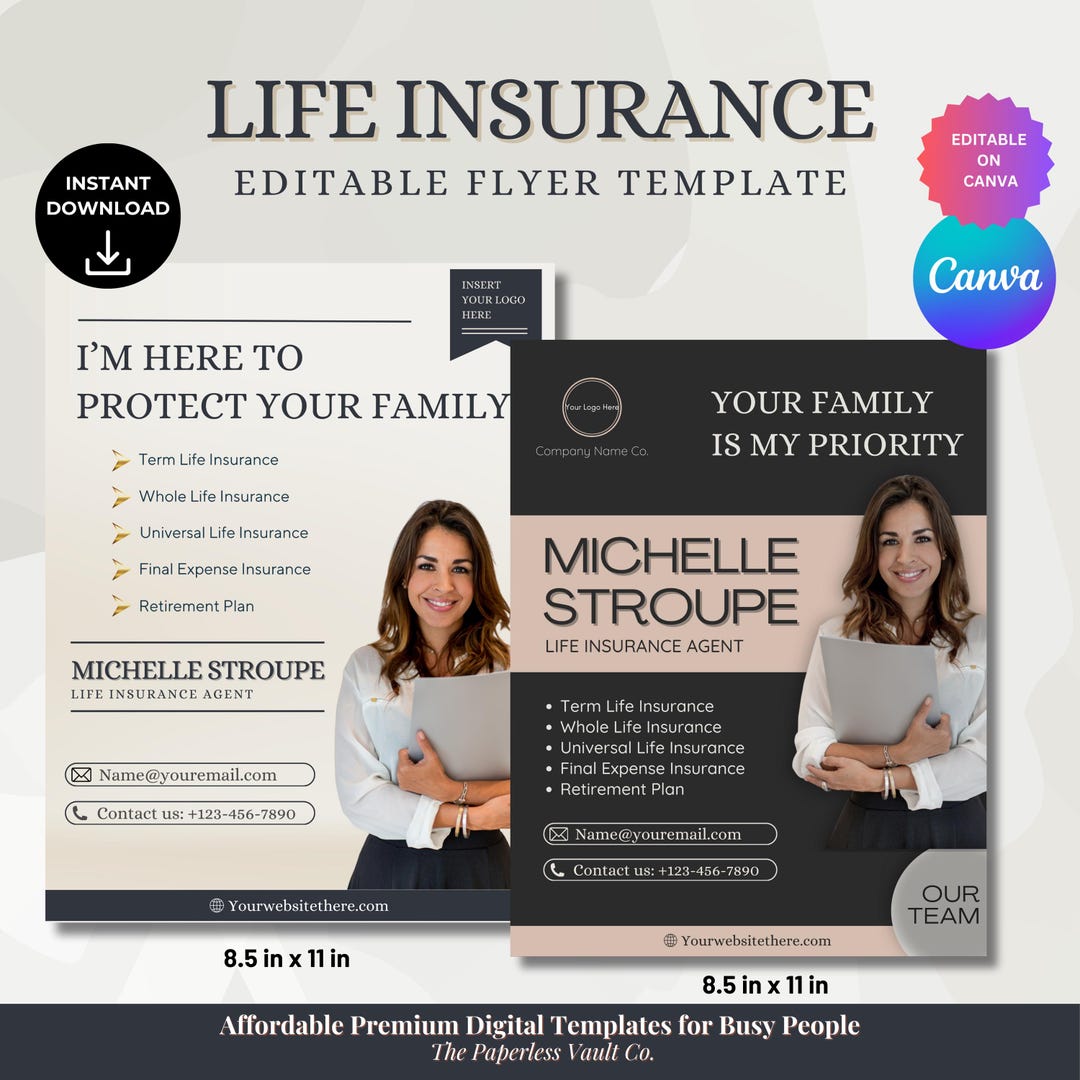
In the insurance world, people buy from people they trust. Including a professional, high-quality headshot on your flyer can significantly increase conversion rates compared to a generic flyer with no human element. If your free template doesn't have a photo placeholder, you should choose a different one that does.
How do I know if a template is "compliance-safe"?
No template is inherently "safe" because regulations change by state and product type. The only way to be sure is to submit a draft of your finished flyer to your insurance carrier’s marketing review department or your Broker-General Agent (BGA) for formal approval.
Is it better to use a template from my insurance carrier?
Usually, yes. Carriers provide "co-op" marketing materials that have already been vetted by their legal teams. While these may be less "creative" than a free template you find online, they offer the highest level of protection for your license.
Final Recommendation: Balancing Cost and Quality
Are free life insurance flyer templates worth it? The answer depends on your goal. If you are a brand-new agent looking to generate your first five leads with a $0 marketing budget, a free template is a viable, high-speed solution. It gets you into the market and forces you to start the conversation.
However, if you are looking to build a sustainable, professional agency in 2026, you should view free templates as a temporary bridge rather than a permanent solution. The risks of generic branding, technical print errors, and—most importantly—regulatory non-compliance far outweigh the $30 to $100 you might save by not purchasing a premium template or hiring a specialist. Invest in your brand's visual identity with the same seriousness you invest in your clients' financial futures. A professional, compliant, and well-designed flyer isn't just an expense; it is a vital tool for building the trust necessary to close life-changing policies.