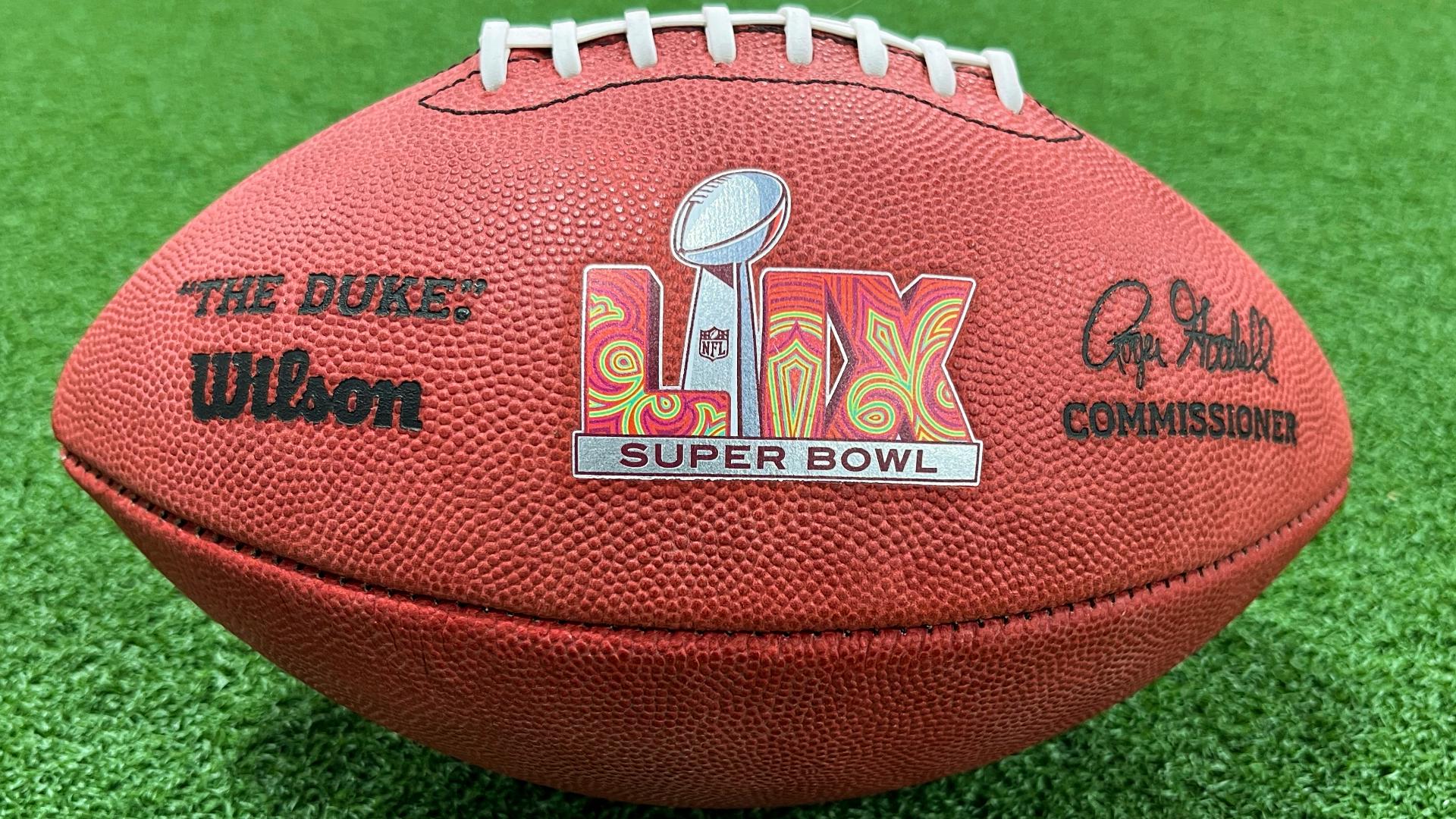
Modern American footballs are not made of pigskin and haven't been for over a century. Today, professional and collegiate footballs are manufactured from high-quality cowhide leather, while youth and recreational balls often use synthetic composite materials or rubber. The "pigskin" moniker persists as a historical nickname derived from the early use of inflated swine bladders.
For generations, the term "pigskin" has been synonymous with the game of football. Whether you are watching a high-stakes NFL matchup on a Sunday afternoon in 2026 or a local high school rivalry under Friday night lights, the terminology remains the same. However, the physical reality of the ball is far removed from its porcine namesake. The evolution of the football from a crude, roundish object into the aerodynamically optimized prolate spheroid used today is a story of material science, manufacturing consistency, and the demands of high-performance athletics.
The Historical Origins of the "Pigskin" Nickname
The association between footballs and pigs is not entirely fictional; it is rooted in the early history of inflatable sports equipment. Before the advent of vulcanized rubber and advanced polymers, athletes and enthusiasts had to rely on organic materials that could hold air pressure.
In the mid-19th century, particularly in the early iterations of rugby and soccer (from which American football evolved), the most accessible and durable airtight vessel was a pig’s bladder. These bladders were cleaned, inflated, and often encased in a rough leather cover—usually made of cowhide even then—to protect the fragile internal membrane. Because the bladder provided the ball's shape and buoyancy, the entire object became colloquially known as a "pigskin."
These early balls were notoriously difficult to work with. Since a pig's bladder is naturally somewhat irregular in shape, no two footballs were identical. They tended to be more plum-shaped or round rather than the pointed oval we recognize today. This unpredictability made passing nearly impossible, which is why the early game was dominated by kicking and rushing.
Why Modern Footballs Use Cowhide Leather
While the nickname stuck, the materials evolved. Today, every ball used in the NFL and by major NCAA programs is made from premium steer hide. Cowhide is the industry standard for professional play for several specific reasons involving durability, texture, and performance.
Superior Grip and Tanning
The Horween Leather Company, based in Chicago, has been the exclusive supplier of leather for NFL footballs for decades. The leather used is a specific grade of steer hide that undergoes a proprietary tanning process. Unlike the leather used for shoes or upholstery, football leather is treated with "tacky" resins and waxes. As the player handles the ball, the heat from their hands reacts with these treatments to enhance the grip.
The "pebble" texture that characterizes a football is not natural to the cow; it is embossed into the leather during the tanning process. This grain provides additional surface area for a quarterback’s fingers to catch, which is essential for generating the high-velocity spirals required in the modern passing game.
Structural Integrity
A professional football must withstand immense forces. When an NFL kicker strikes the ball, it experiences a momentary deformation and a massive spike in internal pressure. Cowhide provides the necessary tensile strength to maintain its shape over hundreds of impacts. Pigskin, by comparison, is thinner and more prone to stretching or tearing under the high-tension requirements of a regulation football, which is typically inflated to between 12.5 and 13.5 psi.
The Anatomy of a Professional Football
To understand why pigskin is no longer viable, one must look at the complex layering of a modern ball. A regulation football is far more than just a leather shell; it is a multi-component piece of athletic equipment engineered for precision.
- The Bladder: The internal component that actually holds the air is now made of synthetic rubber, usually butyl or a latex-based compound. Butyl bladders are preferred for their excellent air retention, while some specialists prefer latex for its responsiveness and "feel," even though it requires more frequent inflation.
- The Lining: Between the bladder and the leather shell are several layers of fabric lining, usually a polyester and cotton blend. These layers are glued to the leather to help the ball maintain its prolate spheroid shape and prevent the leather from stretching out over time.
- The Cover: This consists of four individual panels of cowhide. In the NFL, these panels must be uniform in thickness and color.
- The Laces: Modern laces are typically made of extruded synthetic materials or high-strength polyvinyl. They are purely functional, providing the quarterback with a leverage point to flick the ball and create spin.
Leather vs. Composite: Choosing the Right Material
While the pros use leather, a significant portion of the footballs sold globally in 2026 are made of composite materials. The choice between leather and synthetic often depends on the level of play and the environment.
| Feature | Genuine Leather (Cowhide) | Composite (Synthetic) |
|---|---|---|
| Primary Use | NFL, NCAA, High-Level Competition | High School, Youth, Practice, Recreational |
| Grip Quality | Becomes tackier with use/prep | Consistently grippy out of the box |
| Durability | High, but requires "break-in" | High, weather-resistant |
| Water Resistance | Absorbs water (becomes heavy) | Repels water |
| Cost | Expensive ($100 - $160+) | Affordable ($20 - $50) |
| Maintenance | Requires brushing and conditioning | Minimal; wipe clean with a cloth |
The "Break-In" Process for Leather
One of the most significant differences between leather and synthetic balls is the preparation. You cannot take a brand-new NFL leather football out of the box and play with it immediately. New leather is often covered in a slick, reddish-brown preservative film.
Equipment managers use a rigorous "mudding" process, applying specific types of synthetic mud (often Lena Blackburne Baseball Rubbing Mud) to the leather, brushing it with high-speed drills, and conditioning it to remove the film and raise the "tack." This process transforms the ball from a slippery, hard surface into a soft, dark, and highly grippy tool. Composite balls do not require this; they are manufactured to have a specific level of grip from the moment they leave the factory.
Why High School and Youth Leagues Often Use Composites
For younger players, cowhide leather can be problematic. Genuine leather footballs are expensive to replace and can become waterlogged and heavy during rainy games. Composite footballs use a mix of plastic and rubber polymers that simulate the feel of leather but offer superior water resistance.
Furthermore, high school and collegiate footballs often feature white stripes painted on the two panels near the laces. These stripes were originally intended to help players see the ball more easily during night games before modern stadium lighting was perfected. While the NFL removed these stripes to maximize the "tacky" leather surface area for quarterbacks, they remain a staple of lower-level footballs.
The Manufacturing Process: From Steer to Stadium
The journey of a football begins in a tannery and ends in a highly specialized factory. For the NFL, this process has been centralized at the Wilson Sporting Goods factory in Ada, Ohio, since 1955.
- Cutting the Panels: Large hides of cowhide are inspected for imperfections. Any hide with significant scarring or thin spots is rejected. Machines then die-cut the hides into the four signature panels.
- Stamping: The panels are stamped with the league logo, the "Duke" (the NFL's nickname for the ball), and the brand.
- Sewing: The four panels are sewn together inside out using heavy-duty industrial sewing machines. This ensures that the seams are internal and protected.
- Turning: This is the most labor-intensive part of the process. The ball is steamed to soften the leather, and a specialist worker manually turns the ball right-side out through the small lace opening.
- Insertion and Lacing: The bladder is inserted, and the ball is laced by hand. A final "molding" process ensures the ball meets the specific dimensions required by the league.
The Future of Football Materials
As we move through 2026, there is ongoing research into more sustainable materials. While cowhide remains the gold standard for performance, some manufacturers are experimenting with bio-engineered "leather" and recycled polymers that aim to match the tactile feedback of steer hide without the environmental footprint of traditional leather production. However, for the NFL and major collegiate programs, the tradition and performance of genuine cowhide are unlikely to be replaced in the near future.
Frequently Asked Questions
Why is the NFL ball called "The Duke"?
The NFL's official game ball is nicknamed "The Duke" in honor of Wellington Mara, the late owner of the New York Giants. Mara was nicknamed "Duke" by his father after the Duke of Wellington. The name was used on game balls from 1941 to 1969 and was reinstated in 2006 following Mara's death.
Do footballs get heavier when it rains?
Yes, genuine leather footballs are porous and can absorb moisture. This increases the weight of the ball and can make it harder to throw and kick. This is why equipment managers are constantly swapping in "dry" balls during inclement weather. Composite balls are much less susceptible to this weight gain.
Are "pigskin" footballs still available to buy?
You may find novelty balls or very cheap, low-quality balls marketed with the term "pigskin," but even these are almost universally made of rubber or low-grade synthetic materials. There is no performance benefit to using actual pig leather in modern sports.
How long does a game-ready football last?
In the NFL, balls are used for a very limited time. There are "K-balls" used specifically for kicking (which are harder and strictly controlled) and offensive balls. A ball might only see a few quarters of action before being retired or used as a practice ball. For a recreational user, a well-maintained cowhide leather football can last for several years of regular play.
Are the laces on a football real?
Yes, the laces are real in the sense that they are a separate component threaded through the leather panels. However, they are no longer used to "close" the ball as they were in the early 20th century. Today, the laces are primarily there to provide grip for the passer's fingers.
Conclusion and Recommendations
While the term "pigskin" is a charming piece of sports history, modern footballs have moved far beyond their humble organic beginnings. If you are looking for the most authentic experience, purchasing a genuine cowhide leather football—such as the Wilson NFL official game ball—is the only way to play with the same equipment used by professionals.
For those who play primarily in wet weather or want a ball that requires less maintenance, a high-quality composite football is the more practical choice. Regardless of the material, the "pigskin" nickname will likely remain an eternal part of the game's lexicon, serving as a reminder of the sport's rugged, improvisational roots.