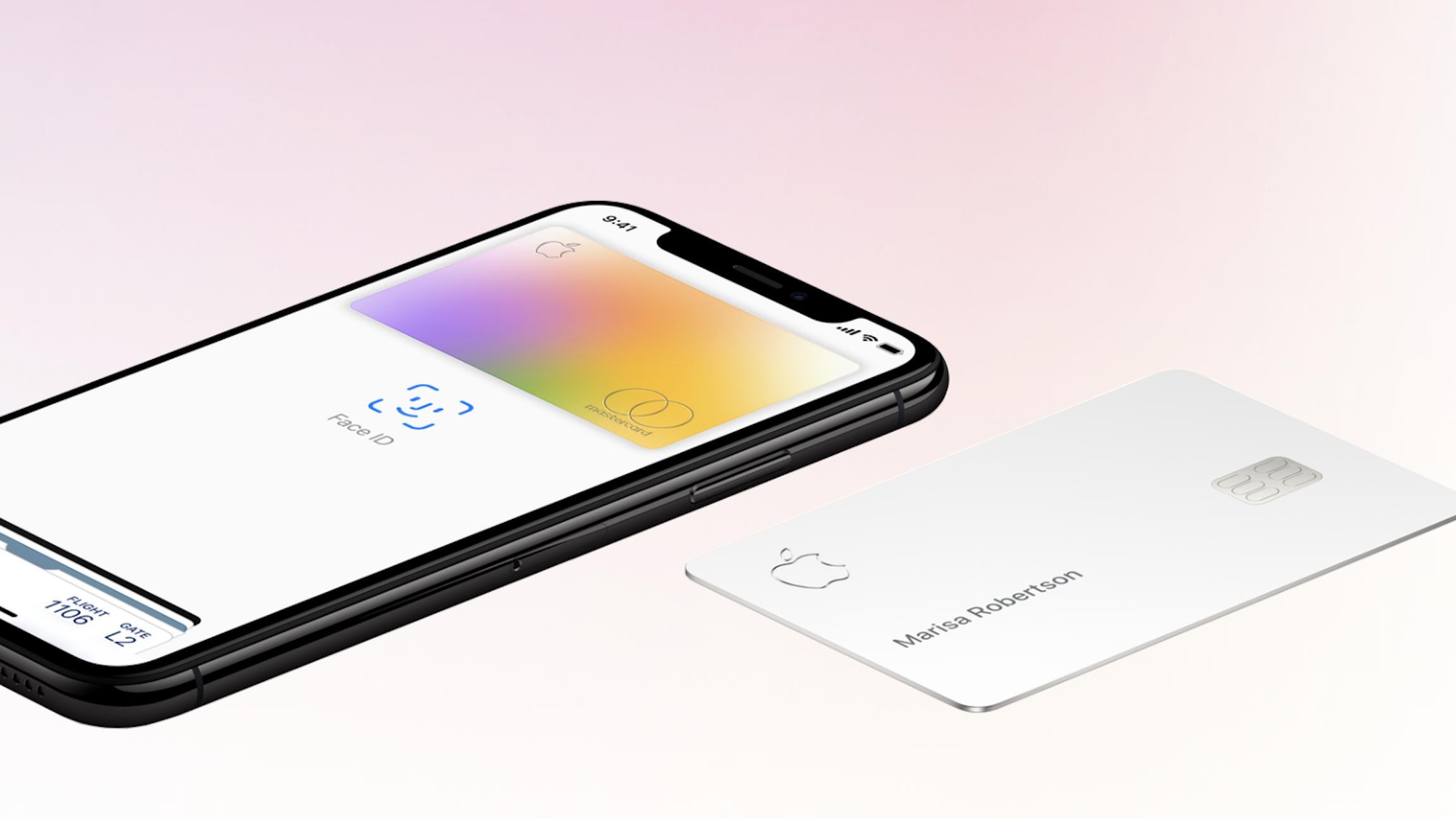
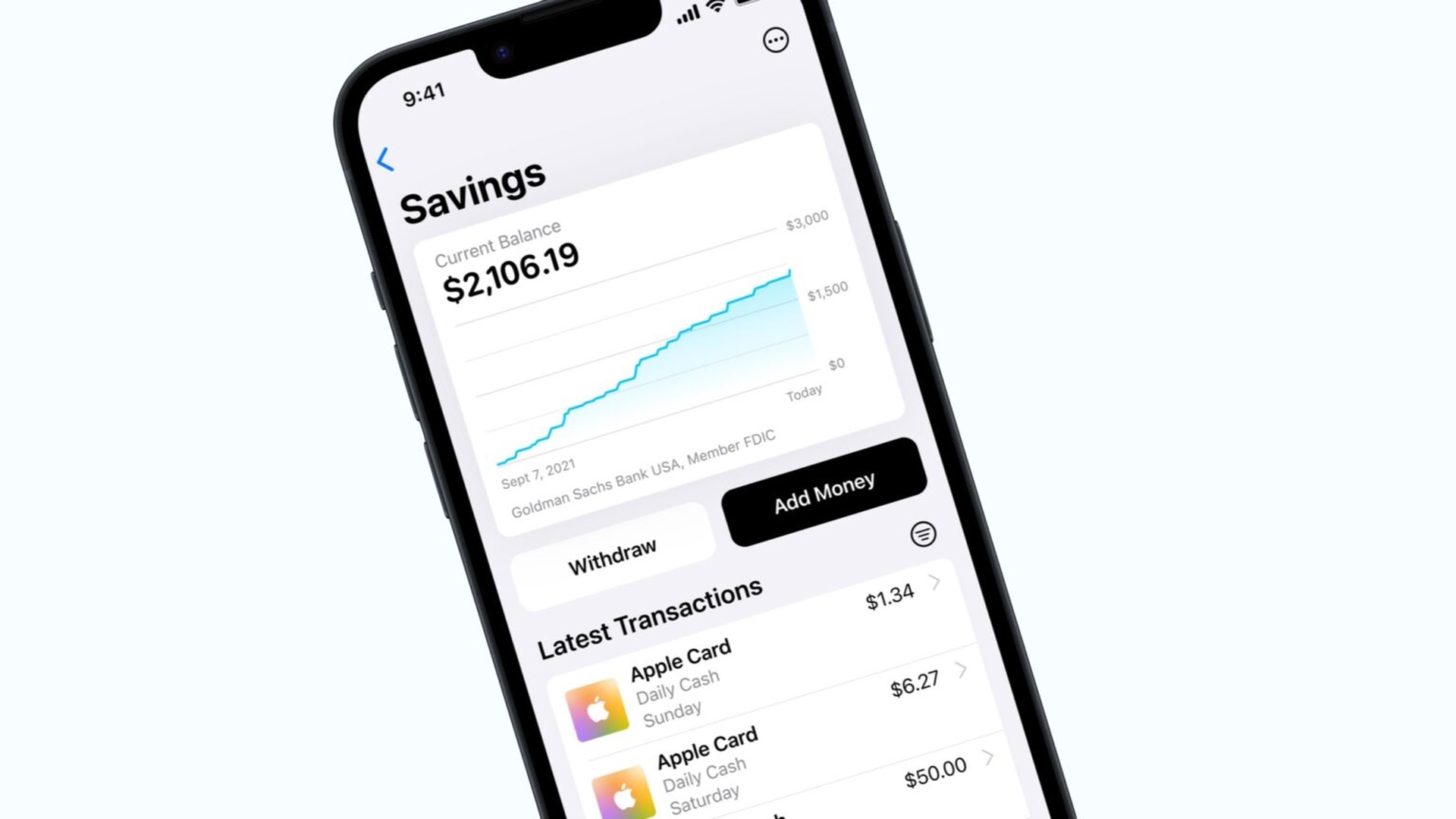
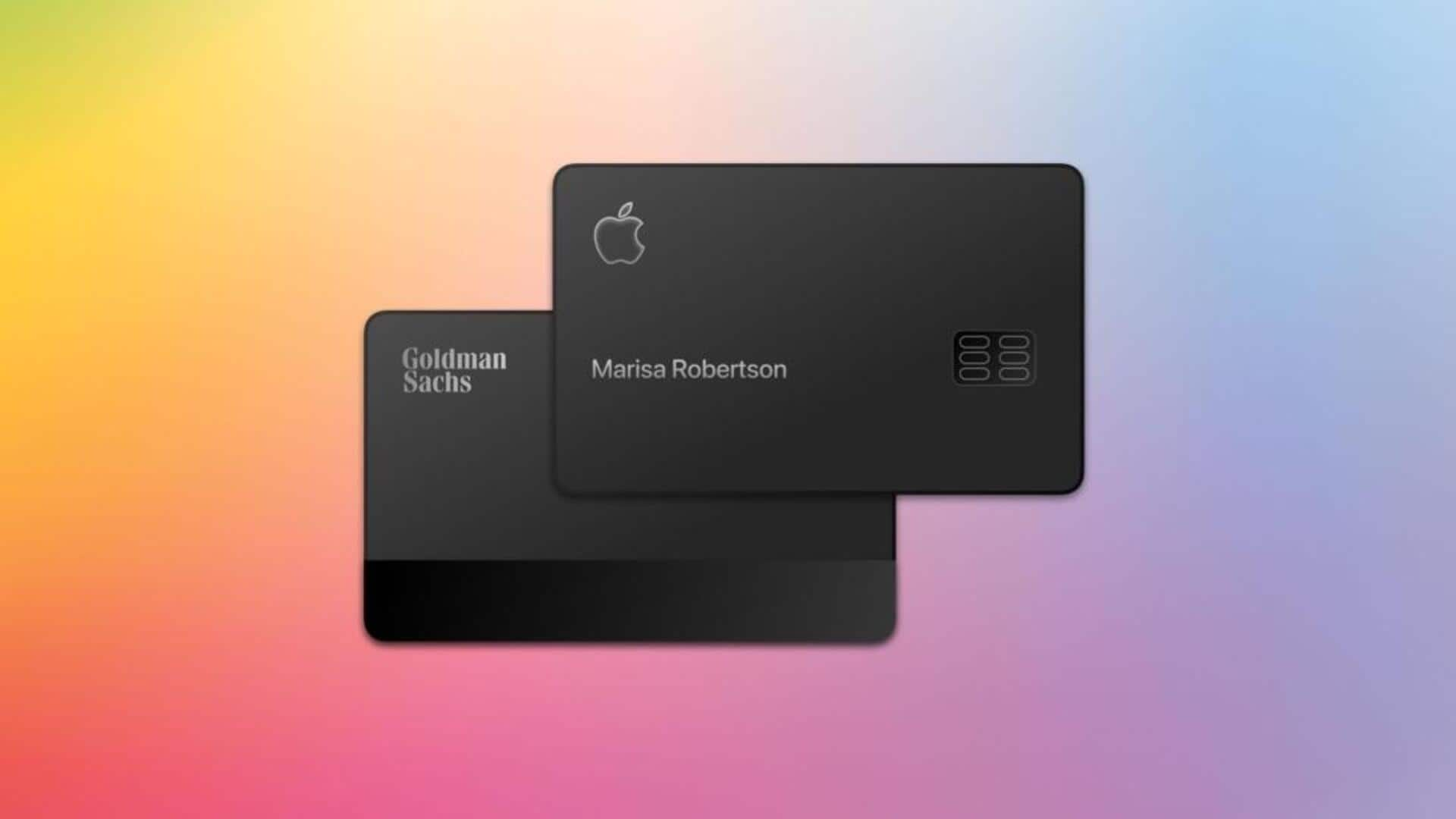
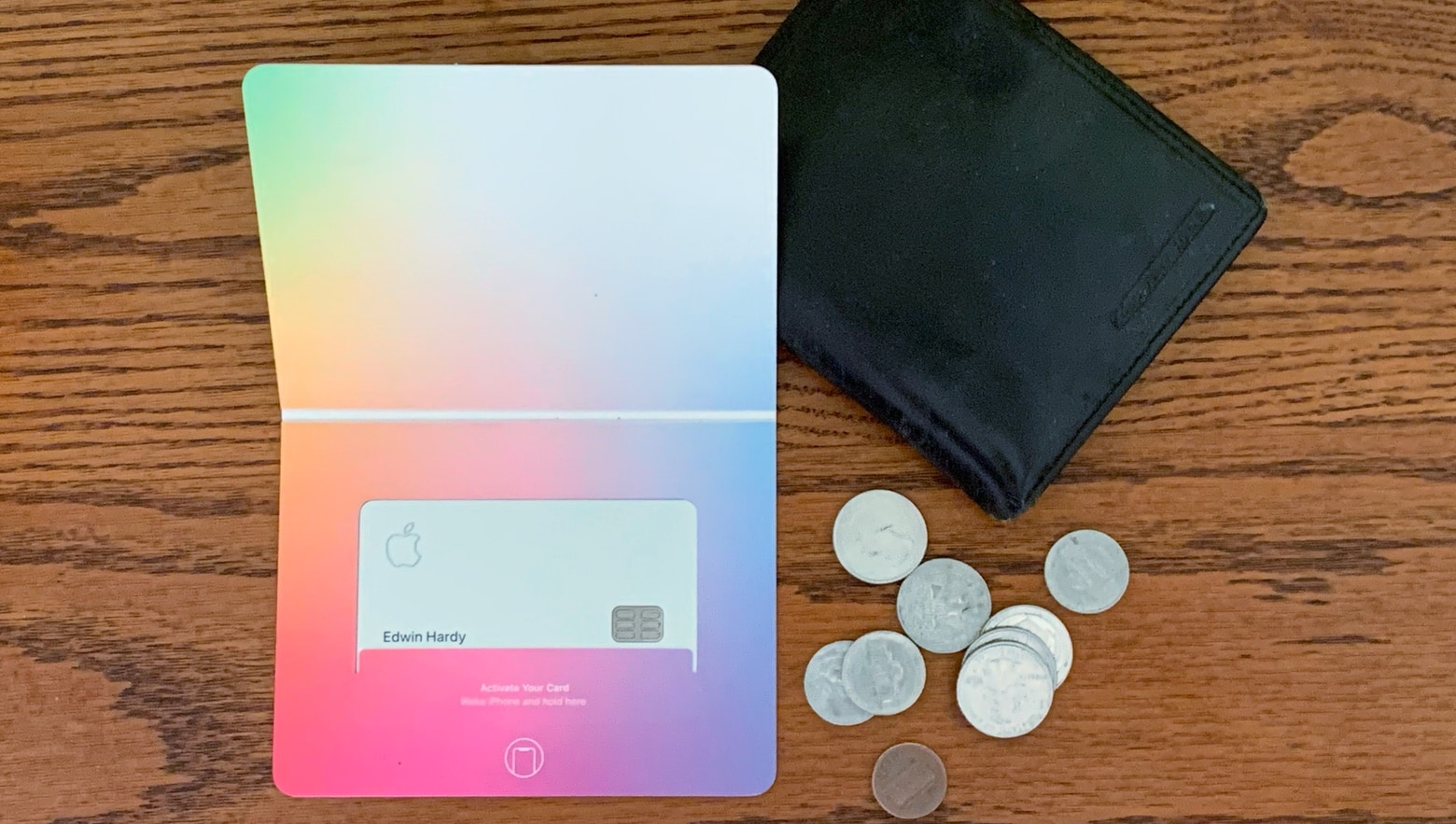
The Apple Card operates on a strict zero-fee structure, charging no annual fees, late fees, foreign transaction fees, or over-the-limit fees. However, carrying a balance beyond the grace period incurs interest charges based on a variable Annual Percentage Rate (APR). Missing payments will not trigger fee penalties, but accumulated interest will continue to build, and severe delinquencies can harm your credit score.
The "No Fees" Philosophy of Apple Card
When Apple launched its co-branded credit card issued by Goldman Sachs, it centered its value proposition on eliminating standard consumer credit card fees. Traditional credit card issuers frequently generate revenue through a combination of swipe fees (interchange rates), interest charges, and a variety of administrative or penalty fees. Apple Card fundamentally deviates from this traditional model by removing fee-based penalty structures entirely.
For consumers accustomed to standard credit card terms, the complete absence of fees can seem like a marketing catch. However, the card truly does not charge fee penalties. There are no annual membership costs, no maintenance charges, no penalty APR adjustments for late payments, no fees for international spending, and no returned payment charges if an automated payment fails due to insufficient funds.
Understanding how Apple Card manages costs requires distinguishing between fees and interest. While Apple Card charges zero direct fees, it is not a zero-cost financial product unless the cardholder pays their balance in full every month. Interest charges remain the primary cost associated with carrying an unpaid balance on the card.
Detailed Breakdown of Standard Credit Card Fees vs. Apple Card
To understand the practical impact of Apple Card's policy, it is helpful to compare its terms against standard fees common across the credit card industry. Most major card issuers utilize fee schedules to offset risk and generate revenue. Apple Card explicitly waives every category on this schedule.
| Fee Type | Standard Credit Card Average | Apple Card Fee | Practical Impact on Cardholders |
|---|---|---|---|
| Annual Fee | $0 to $695+ | $0 | No recurring yearly cost simply for holding the account open. |
| Late Payment Fee | Up to $41 per occurrence | $0 | No instant financial penalty if a payment date is missed. |
| Foreign Transaction Fee | 1% to 3% per transaction | $0 | Purchases made outside your home country incur no currency conversion surcharges. |
| Over-the-Limit Fee | Up to $35 | $0 | Transactions exceeding your limit are declined or approved without penalty fees. |
| Returned Payment Fee | Up to $40 | $0 | If a payment bounces, no administrative penalty is charged by Apple Card. |
| Cash Advance Fee | 3% to 5% (Min. $10) | N/A | Feature unavailable; Apple Card does not support cash advances. |
| Balance Transfer Fee | 3% to 5% of transfer | N/A | Feature unavailable; Apple Card does not support incoming balance transfers. |
Annual Fee Waiver
Many reward-earning credit cards require an annual fee ranging from modest amounts ($95) to premium costs ($550 or higher). Apple Card charges $0 annually. Cardholders maintain access to 1%, 2%, or 3% Daily Cash back rewards without needing to calculate a break-even point against an annual membership fee.
Zero Late Fees
On a standard credit card, missing a monthly payment deadline usually results in an immediate late fee—typically around $30 for a first offense and up to $41 for subsequent late payments within six billing cycles. Apple Card charges $0 for late or missed payments. If you miss your due date, you are not assessed an administrative fee on top of your existing balance.
Zero Foreign Transaction Fees
When traveling abroad or purchasing online from international merchants, standard cards often assess a foreign transaction fee of 3% on the total purchase amount. For a $2,000 international vacation spent on a card, that fee adds $60 in pure overhead. Apple Card waives all foreign transaction fees. Currency conversions are handled directly by the Mastercard network using standard wholesale exchange rates without an added issuer markup.
No Over-the-Limit Penalties
Credit card issuers historically charged over-the-limit fees if a transaction pushed a cardholder’s balance past their assigned credit line. Apple Card does not charge over-the-limit fees. If a transaction exceeds your available credit line, it is typically declined. In rare cases where a transaction goes through (such as a pending tip adjustment), no penalty fee is added to the account.
Understanding Apple Card Interest (APR) and How It Accrues
The absence of fees does not mean using the Apple Card is entirely free of financial risk. Interest charges represent the primary expense cardholders encounter if they do not pay off their monthly statement balance in full.
How Variable APR Works
Apple Card assigns cardholders a Variable Annual Percentage Rate (APR) based on their creditworthiness when approved. The APR is tied to the U.S. Prime Rate, meaning your interest rate can fluctuate over time as market interest rates change.
Because Apple Card uses a daily periodic rate to calculate interest, carrying a balance means interest accumulates on a daily basis. The daily periodic rate is determined by dividing the annual APR by 365 days. That rate is then applied daily to your average daily balance, including previously accrued interest (daily compounding).
The Payment Wheel and Interest Transparency
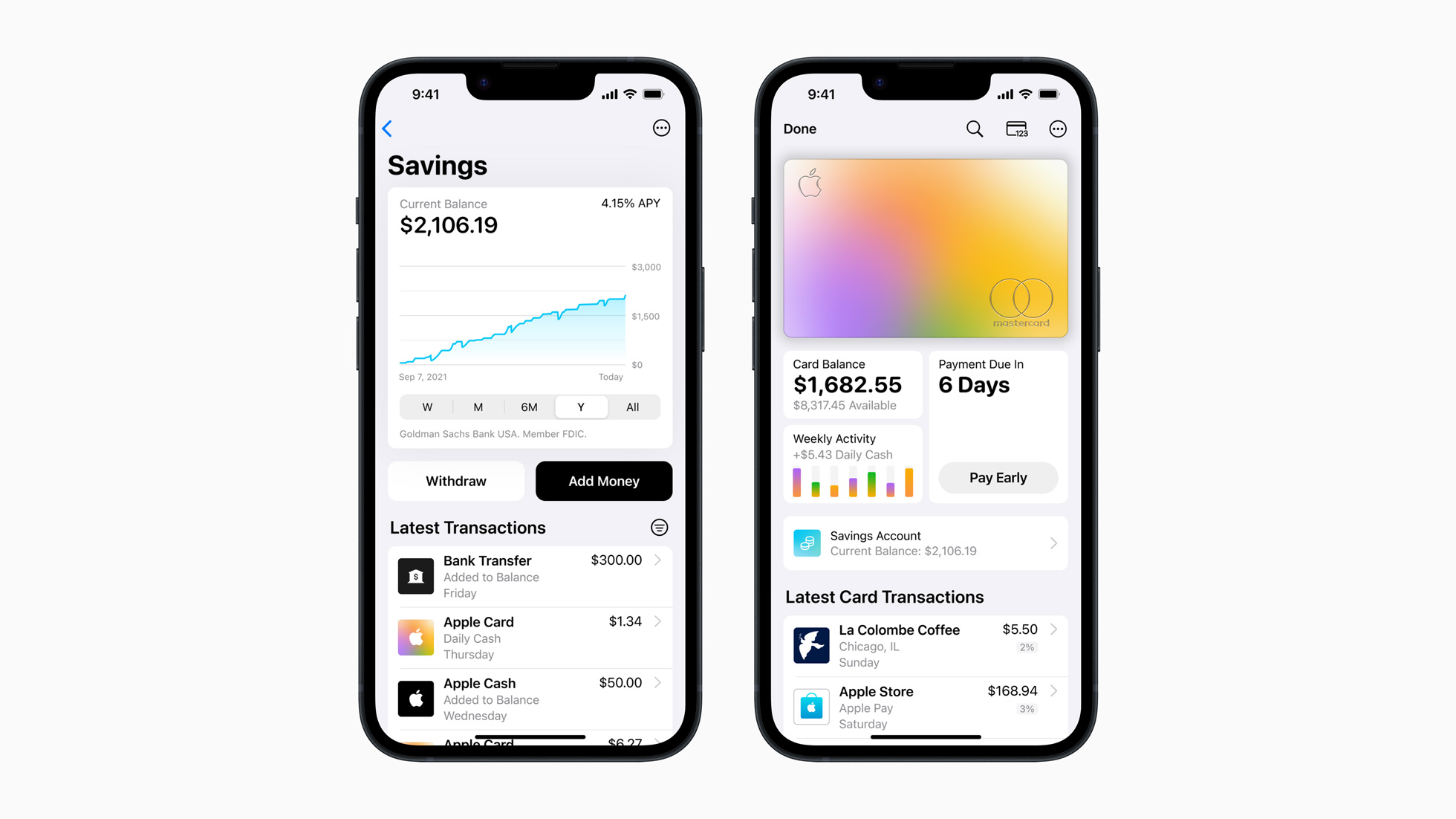
Apple designed the interface in the Apple Wallet application to clearly show how payment amounts directly affect interest costs. The integrated "Payment Wheel" provides real-time estimates of the exact dollar amount of interest you will owe based on where you set your monthly payment slider.
- Paying in Full (Green): Setting the wheel to pay the full statement balance highlights green, indicating that $0 in interest will be charged.
- Partial Payment (Yellow/Orange): Selecting an amount less than the full balance shows a real-time dollar estimate of the interest charge that will carry over to the next billing statement.
- Minimum Payment (Red): Setting the slider to the minimum required payment shows the maximum interest projection, emphasizing the long-term cost of making only minimum payments.
Grace Periods and Avoiding Interest
Apple Card features a standard grace period on purchases. If you pay your total statement balance in full by the due date every month, you receive a grace period on new purchases, meaning no interest accrues on those transactions.
The payment due date for Apple Card is standardized: it always falls on the last day of the calendar month at 11:59 PM local time. This consistent date makes tracking deadlines straightforward compared to traditional cards, which often vary payment due dates based on fluctuating 28-to-31-day billing cycles.
What Happens If You Make a Late Payment?
While Apple Card does not charge a monetary late payment fee, making a late payment carries real financial and credit consequences. It is a common misconception that "no late fees" means late payments carry zero impact.
LATE PAYMENT CONSEQUENCES
- No Direct Late Fee Charged ($0 Penalty Fee)
- Additional Daily Interest Accumulates on Unpaid Balance
- Potential Loss of 0% APR Promotional Financing Terms
- Negative Credit Bureau Reporting (If Payment is 30+ Days Late)
1. Continued Interest Accrual
When you miss a payment deadline, the grace period on your account is revoked. Interest immediately begins accruing on your unpaid balance and any subsequent new purchases from the transaction date. Because daily interest accrual continues uninterrupted, delaying a payment increases your overall balance through compounding interest.
2. Credit Score Damage (30+ Days Late)
If a payment becomes more than 30 days past due, the issuer is legally permitted and obligated to report the delinquency to major credit reporting agencies (Equifax, Experian, and TransUnion). A reported 30-day or 60-day late payment can cause a significant decrease in your credit score, remaining on your credit report for up to seven years.
3. Risk to Promotional Installments
If you are using Apple Card Monthly Installments to finance Apple hardware at 0% APR, missing payments can complicate your installment agreement. While Apple Card does not instantly convert your entire 0% APR balance to a high penalty interest rate, failing to keep your account in good standing can lead to account restrictions, acceleration of the debt, or removal of interest-free privileges on future installment balances.
Apple Card Monthly Installments: 0% APR Hardware Financing
One of the most widely used features of the Apple Card is Apple Card Monthly Installments (ACMI). ACMI allows cardholders to purchase eligible Apple products—such as iPhones, Macs, iPads, and Apple Watches—using interest-free financing spread over 6, 12, or 24 months, depending on the product category.
Features of ACMI:
- 0% APR: You pay no interest on the promotional purchase throughout the installment plan.
- No Financing Fees: Unlike traditional retail financing or personal loans, there are no administrative setup fees, application fees, or hidden handling costs.
- Upfront Daily Cash: Cardholders receive the full Daily Cash cash-back percentage (typically 3%) on the total purchase price of the device upfront on day one, rather than earning it incrementally as payments are made over time.
How ACMI Payments Work
The total purchase price of the device is deducted from your available credit limit when you buy the item. As you pay off your monthly installment, your available credit restores incrementally.
The required monthly installment payment is automatically calculated and added to your regular Apple Card minimum monthly payment amount. To maintain the 0% APR benefit, you must pay at least your total monthly balance (which includes the monthly installment payment) by the final day of each month.
Unsupported Features: Why Certain Standard Fees Do Not Exist
Some common credit card fees do not exist on Apple Card simply because the card does not offer the underlying features that trigger those fees.
Cash Advances
Traditional credit cards permit cardholders to withdraw cash from an ATM or bank teller using their credit line. This service usually incurs a cash advance fee (3%–5%) alongside an elevated Cash Advance APR that begins accruing interest immediately without a grace period.
Apple Card does not support cash advances. You cannot use your Apple Card at an ATM to withdraw cash, nor can you use it to purchase cash equivalents like money orders or cryptocurrency. Because the feature is not supported, there are no cash advance fees or cash advance interest rates.
Balance Transfers
Many consumers use new credit cards to transfer existing balances from high-interest cards, paying a 3% to 5% balance transfer fee for the service.
Apple Card does not accept incoming balance transfers. You cannot move an existing credit card balance from another issuer (such as Chase, Citi, or Bank of America) onto an Apple Card. Consequently, there is no balance transfer fee schedule.
How Apple Card Compares to Other No-Annual-Fee Cards
To evaluate whether Apple Card's fee structure provides superior value, it helps to analyze it alongside other prominent no-annual-fee rewards cards.
NO-ANNUAL-FEE CARD COMPARISON
| Feature | Apple Card | Citi Double Cash® | Capital One Quicksilver |
|---|---|---|---|
| Annual Fee | $0 | $0 | $0 |
| Late Payment Fee | $0 | Up to $41 | Up to $40 |
| Foreign Tx Fee | 0% | 3% | 0% |
| Cash Advance Fee | N/A (No Feature) | 5% (Min $10) | 5% (Min $5) |
| Balance Transfers | N/A (No Feature) | 3% to 5% | 3% |
| Hardware Financing | 0% APR (Apple) | Varies / None | Varies / None |
While cards like the Citi Double Cash® offer strong flat-rate cash back (up to 2%), they retain traditional penalty fee structures such as late fees and 3% foreign transaction fees. Conversely, cards like the Capital One Quicksilver waive foreign transaction fees but still enforce standard late payment penalties. Apple Card remains unique in completely eliminating administrative and penalty fees across all standard operational categories.
Frequently Asked Questions
Does Apple Card charge an annual fee?
No. Apple Card charges zero annual fees. There are no recurring subscription fees, membership costs, or annual maintenance charges required to maintain an active account.
What happens if I miss an Apple Card payment deadline?
If you miss a payment deadline, Apple Card will not charge a late fee or a penalty APR. However, interest will continue to accrue daily on your unpaid balance at your standard assigned APR. Additionally, payments that are 30 days or more late will be reported to the major credit bureaus, which can negatively impact your credit score.
Does Apple Card charge foreign transaction fees?
No. Apple Card does not charge foreign transaction fees on international purchases made abroad or with overseas online merchants. Purchases made in non-USD currencies are converted at standard wholesale exchange rates by Mastercard without added processing surcharges.
Can I transfer a balance from another card to Apple Card?
No. Apple Card does not support balance transfers from other credit card issuers. Because the transaction type is unavailable, there are no balance transfer fee structures.
How do I avoid paying interest on my Apple Card?
To avoid paying interest entirely, set your monthly Apple Card payment in the Wallet app to pay the full "Statement Balance" by the last day of each calendar month. Paying your statement balance in full maintains your grace period and ensures $0 in total interest charges.
Practical Steps to Maximize Value and Avoid All Costs
To ensure your Apple Card experience remains entirely free of costs, follow these operational best practices:
- Enable Automated Payments: Navigate to the Apple Card menu in your iPhone Wallet app, select Pay Monthly Balance, and configure scheduled auto-payments for the last day of the month. This ensures you never miss a statement balance deadline.
- Utilize 0% Hardware Installments for Apple Gear: When purchasing new Apple devices, opt for Apple Card Monthly Installments at checkout to spread costs across 6 to 24 months at 0% APR, while collecting full Daily Cash up front.
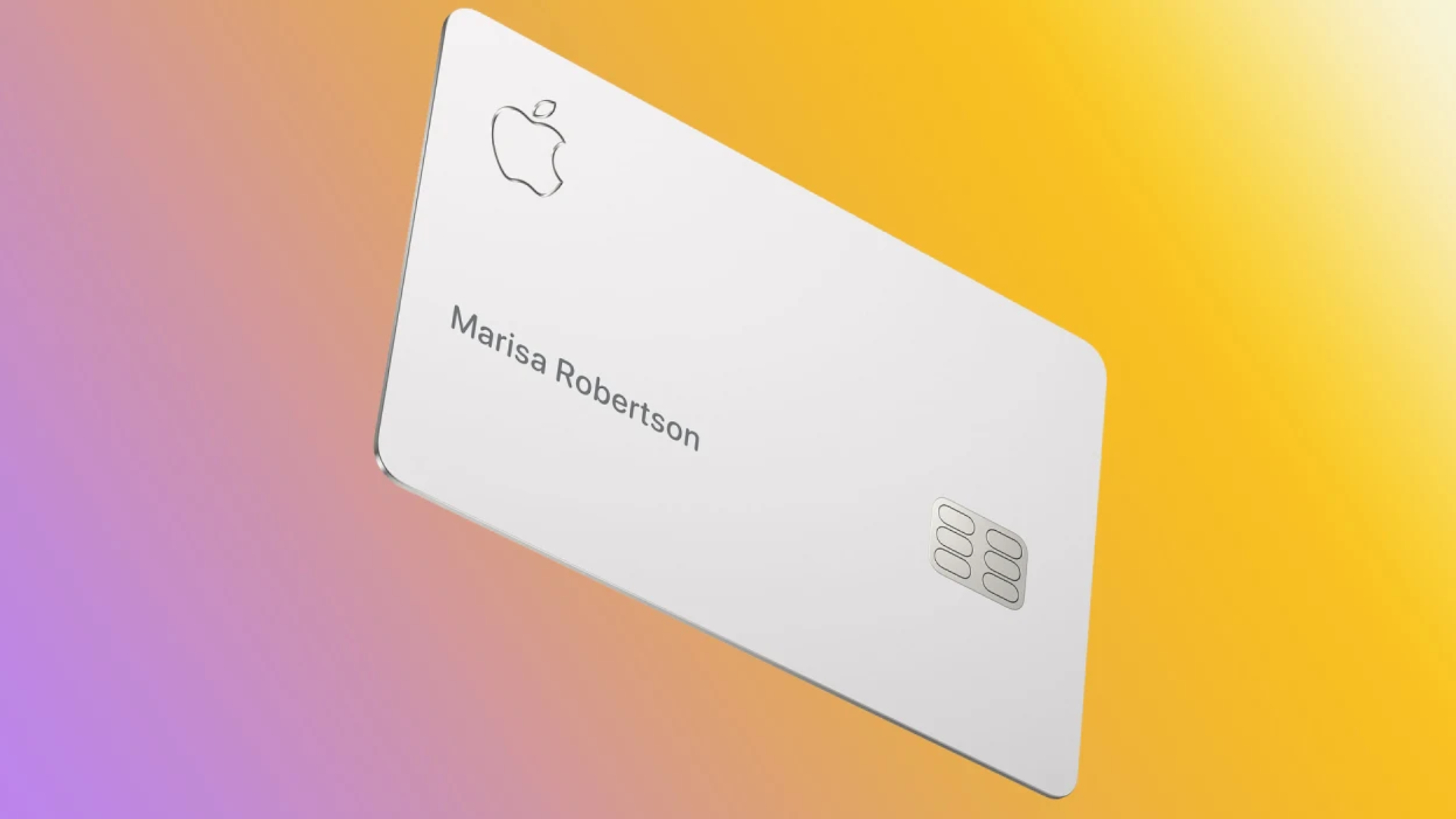
- Use Apple Pay Whenever Possible: To maximize cash-back earnings against your zero-fee structure, prioritize paying via Apple Pay (contactless or online), which earns 2% Daily Cash, compared to using the physical titanium card, which earns 1% Daily Cash.
- Monitor the Payment Wheel: If you cannot pay your full statement balance in a given month, use the interactive Payment Wheel in Apple Wallet to adjust your payment upward and minimize projected daily interest charges.
Disclaimer: This article is for informational and educational purposes only and does not constitute formal financial or legal advice. Credit card terms, variable APRs, and product features are subject to change by the issuing bank (Goldman Sachs Bank USA) and Apple Inc. Check your official cardholder agreement for specific rates and terms applicable to your account.