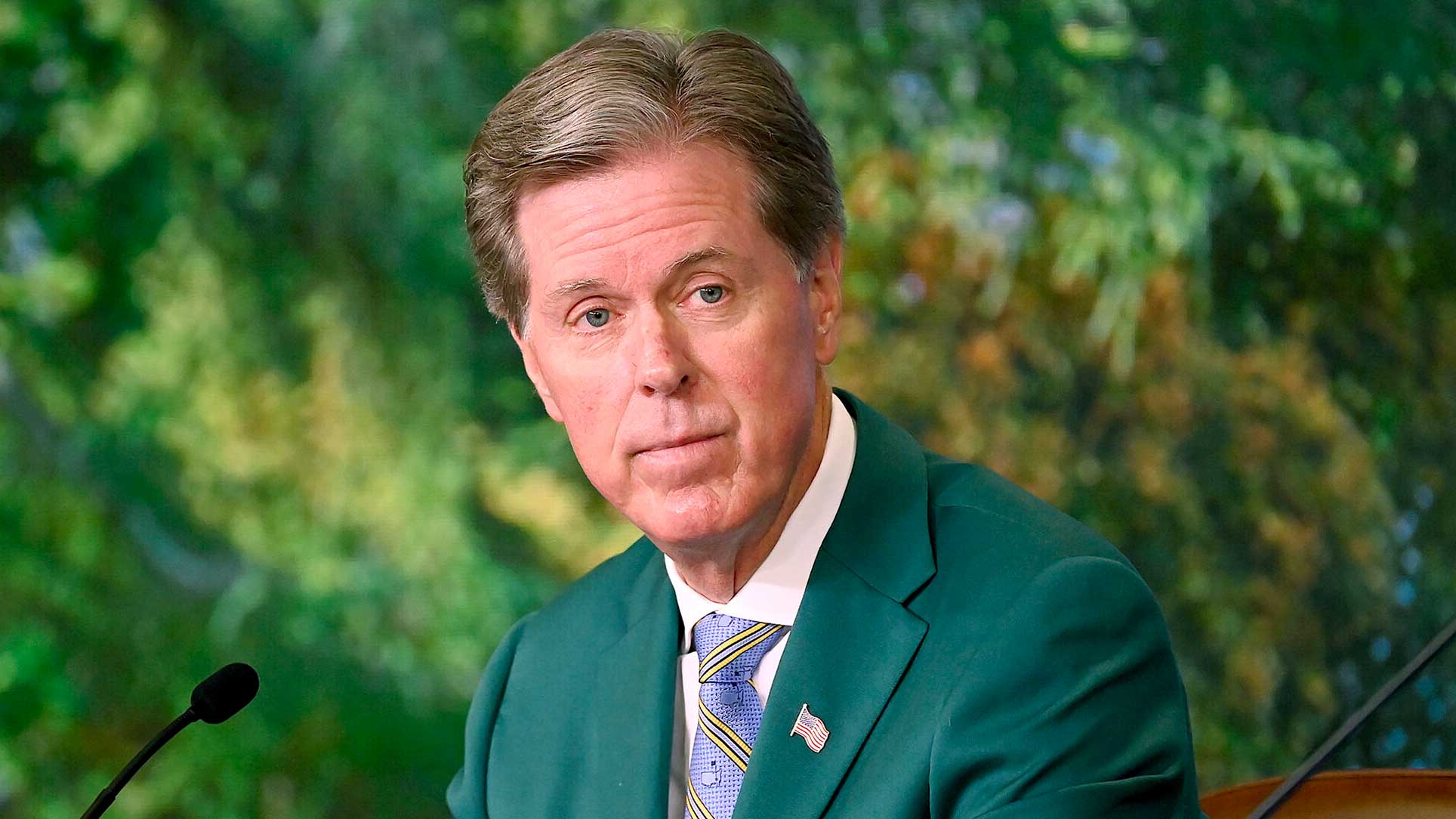
As of 2026, Arthur D. Levinson, the non-executive Chairman of the Board of Apple Inc., holds an estimated net worth between $900 million and $1.4 billion. His wealth stems primarily from decades of accumulated Apple Inc. (NASDAQ: AAPL) equity, his long tenure as CEO of Genentech, and executive leadership at Calico.
Executive Summary & Identity Clarification
When evaluating the net worth of Apple's top leadership, public queries frequently confuse the role of the Chairman of the Board with that of the Chief Executive Officer (CEO).
- Chairman of the Board: Dr. Arthur D. Levinson (Art Levinson) has served as Apple’s non-executive Chairman since November 2011, succeeding Steve Jobs. Levinson has been an independent director on Apple's board since 2000.
- Chief Executive Officer: Tim Cook has served as Apple's CEO since August 2011. Cook's net worth is estimated at approximately $2.0 billion to $2.3 billion, largely tied to operational restricted stock units (RSUs) awarded during his CEO tenure.
While Tim Cook manages daily global operations, Art Levinson oversees corporate governance, board strategy, and executive accountability. Levinson's personal net worth reflects a rare combination of top-tier biotechnology executive compensation and long-term equity compounding in one of the world's most valuable technology companies.
Who Is Arthur D. Levinson? Background and Leadership Profile
Arthur D. Levinson is an American scientist, business executive, and long-standing titan in both biotechnology and consumer technology governance. Born in 1950, Levinson earned a Bachelor of Science from the University of Washington and a Ph.D. in Biochemistry from Princeton University.
Arthur D. Levinson Career Timeline
- 1980: Joins Genentech as Senior Research Scientist
- 1995: Appointed Chief Executive Officer (CEO) of Genentech
- 2000: Appointed to Apple Inc. Board of Directors
- 2009: Oversees Genentech's $46.8B acquisition by Roche Group
- 2011: Named Non-Executive Chairman of the Board at Apple Inc.
- 2013: Named Chief Executive Officer of Calico (Alphabet subsidiary)
1. The Genentech Era (1980–2009)
Levinson joined Genentech in 1980 as a research scientist, contributing to groundbreaking molecular biology and oncology drugs. He rose through the executive ranks to become CEO in 1995 and Chairman in 1999. Under his leadership, Genentech developed revolutionary cancer therapies including Herceptin, Avastin, and Rituxan. When Swiss pharmaceutical giant Roche acquired the remaining stake of Genentech in 2009 for $46.8 billion, Levinson realized significant equity liquidity and stock option payouts.
2. Apple Board Tenure (2000–Present)
Steve Jobs recruited Levinson to Apple’s Board of Directors in 2000. Over twenty-six years of board service, Levinson served on the Audit and Finance Committee and assisted in guiding Apple through the launch of the iPod, iPhone, iPad, and Apple Watch. Following Steve Jobs’s death in late 2011, the board named Levinson Chairman of the Board.
3. Calico Leadership (2013–Present)
In 2013, Alphabet Inc. (Google) launched Calico (California Life Company), an R&D biotech company focused on combatting aging and age-related diseases. Levinson was appointed CEO and founding investor, acquiring equity stakes in Alphabet-backed health initiatives.
Detailed Net Worth Breakdown: Assets and Equity Holdings
Evaluating the net worth of a corporate board chairman requires analyzing publicly filed U.S. Securities and Exchange Commission (SEC) documents, including Form 4 filings, annual Proxy Statements (DEF 14A), and historical insider transaction logs.
Estimated Net Worth Distribution
- Apple Inc. Equity: ~70-75%
- Genentech Payouts & Roche Assets: ~15-20%
- Calico Equity & Other Investments: ~5-10%
- Real Estate & Liquid Holdings: ~5%
1. Apple Inc. Direct Stock and Stock Units (~$700M - $1.0B)
The single largest component of Art Levinson’s net worth consists of Apple common stock accumulated over more than two decades of board fees, annual equity retainers, and exercise of director stock options.
- Accumulated Share Holdings: Over his tenure, SEC Form 4 filings indicate Levinson has held between 4.0 million and 4.6 million shares of AAPL directly and through family trusts (adjusted for historical stock splits).
- Impact of Stock Splits: Levinson’s long board tenure allowed his early equity awards to multiply dramatically across two major corporate stock splits:
- 2014 Stock Split: 7-for-1 split.
- 2020 Stock Split: 4-for-1 split.
- Cumulative Effect: A single share awarded to Levinson in 2001 expanded into 28 shares after these two splits alone (and 112 shares when accounting for the 2000 and 2005 2-for-1 splits).
- Unvested Board Retainers: Apple provides its non-employee directors with an annual equity grant valued at approximately $250,000 to $375,000 per year, which vests over time into unrestricted shares.
2. Genentech Payouts and Legacy Capital (~$150M - $250M)
During his 14-year tenure as CEO of Genentech, Levinson earned substantial base compensation, performance bonuses, and massive executive stock options.
When Roche completed its full acquisition of Genentech in March 2009 at $95 per share, Levinson cashed out millions of shares and vested options. This single corporate transaction liquidated over $100 million in pre-tax capital, forming the liquid foundation of his private wealth portfolio prior to Apple’s explosive market growth in the 2010s and 2020s.
3. Calico Equity and Alphabet Holdings (~$50M - $100M)
As the founding CEO of Calico LLC, Levinson received founder-level equity and executive incentives backed by Alphabet Inc. Although Calico remains a privately held research subsidiary, internal valuations and executive compensation structures place Levinson’s equity stake at significant value.
4. Real Estate, Liquid Reserves, and Diversified Assets (~$40M - $70M)
Levinson maintains high-end real estate properties in Northern California, primarily in the San Francisco Bay Area and Silicon Valley technology corridors. Combined with liquid cash reserves, investment-grade fixed-income portfolios, and venture capital LP positions, these holdings provide stable wealth outside public equities.
Asset & Wealth Distribution Summary
The table below illustrates the structure of Arthur D. Levinson’s estimated wealth profile, based on verified SEC filings, institutional research, and corporate disclosures.
| Wealth Component | Primary Source / Entity | Valuation Basis & Mechanism | Estimated Value Range (USD) |
|---|---|---|---|
| Apple Equity | Apple Inc. (NASDAQ: AAPL) | Direct shares, trust holdings, and unvested director RSUs accumulated since 2000. | $700,000,000 – $1,050,000,000 |
| Biotech Capital | Genentech / Roche Acquisition | Historical proceeds from the 2009 $46.8B Roche buyout and accumulated cash reserves. | $150,000,000 – $250,000,000 |
| Biotech Ventures | Calico LLC (Alphabet Subsidiary) | Executive founder equity, performance compensation, and corporate distributions. | $50,000,000 – $100,000,000 |
| Real Estate & Cash | Private Holdings | Bay Area residential real estate, cash equivalents, and diversified market funds. | $40,000,000 – $70,000,000 |
| Total Estimated Net Worth | Combined Portfolio | Net worth adjusted for equity market price variations. | $940,000,000 – $1,470,000,000 |
Note: Public equity values fluctuate continuously based on market share prices. All figures represent estimates calculated from historical SEC disclosures, insider trading reports, and corporate enterprise valuations.
Comparing Apple’s Governance & Operational Leaders: Chairman vs. CEO
To understand how executive net worth accumulates at Apple Inc., it is useful to contrast the compensation structures of the Board Chairman (Art Levinson) and the Chief Executive Officer (Tim Cook).
| Feature | Chairman (Art Levinson) | CEO (Tim Cook) |
|---|---|---|
| Role | Governance & Board Chair | Operational Executive |
| Primary Compensation Type | Board Retainer & Equity | Base Salary, Bonus, RSUs |
| Estimated Net Worth | $900M - $1.4B | $2.0B - $2.3B |
| Primary Equity Origin | 25+ Years Board Holdings | Operational RSU Grants |
| Full-Time Employment | Independent (Calico CEO) | Full-Time Apple CEO |
Operational Equity vs. Governance Retainers
- Tim Cook's Net Worth Drivers: Tim Cook’s wealth is heavily driven by large, long-term performance-based restricted stock unit awards granted by Apple's board (often tied to Total Shareholder Return relative to S&P 500 companies). Cook has sold hundreds of millions of dollars in Apple stock over his tenure to manage tax obligations and fund philanthropic endeavors.
- Art Levinson's Net Worth Drivers: As non-executive Chairman, Levinson does not receive operational CEO performance grants from Apple. Instead, his wealth accumulated through decades of holding Apple equity while earning primary executive income as CEO of Genentech and Calico.
How Apple Board Compensation Functions
Understanding board compensation illuminates how non-executive directors accumulate multi-hundred-million-dollar fortunes over long periods.
1. Annual Board Retainers
Apple compensates non-employee directors using a standardized fee structure published in the company's annual proxy statements:
- Base Board Cash Retainer: Standard annual cash fee for serving on the board (typically around $100,000).
- Chairman Fee: Additional cash retainer for serving as non-executive Chairman (typically an additional $200,000).
- Committee Lead Fees: Extra stipends for chairing or serving on audit, compensation, or nominating committees.
2. Equity Grants & Long-Term Compounding
The primary engine of director wealth is the annual equity grant. Apple grants non-employee directors restricted stock units valued at approximately $250,000 to $375,000 annually.
Directors who retain their vested shares rather than selling them immediately benefit from capital appreciation and dividend reinvestment. Because Levinson joined Apple’s board in 2000—when Apple's split-adjusted stock price was below $1.00—his early equity retainers experienced compounding growth exceeding 30,000%.
Long-Term Compounding Effect on Early Board Equity (2000 - 2026)
- Initial Grant (2000)
- 2-for-1 Split (2000)
- 2-for-1 Split (2005)
- 7-for-1 Split (2014)
- 4-for-1 Split (2020)
- 112x Share Multiplier + Capital Appreciation
Strategic Impact of Art Levinson on Apple’s Financial Ecosystem
Levinson is not merely a passive stock beneficiary; his leadership has directly influenced Apple's governance, strategic stability, and business trajectory.
1. Governance Stability Post-Steve Jobs
When Steve Jobs stepped down in August 2011 and subsequently passed away in October 2011, market analysts expressed skepticism about Apple’s long-term corporate governance. Levinson’s appointment as Chairman in November 2011 signaled board continuity to institutional investors. His executive background at Genentech reassured Wall Street that Apple's board possessed rigorous scientific and operational oversight.
2. Expanding Apple into Health and Biotechnology
Levinson's expertise as a PhD biochemist and biotech CEO helped shape Apple’s strategic pivot into digital health services:
- Apple Watch Health Features: Guidance on biological sensors, ECG capabilities, blood oxygen monitoring, and FDA regulatory navigation.
- HealthKit & ResearchKit: Establishing privacy-first clinical trial infrastructure for medical researchers.
- Biometric Wearables Strategy: Positioning Apple hardware as preventative health devices rather than simple consumer electronics.
Related Financial Questions & Analysis
What is Art Levinson's primary source of annual income?
Levinson’s ongoing annual income derives from his position as Chief Executive Officer of Calico LLC, board fees paid by Apple Inc., quarterly cash dividends on his Apple shareholdings, and yields from private capital investments.
Does Art Levinson own more Apple stock than Tim Cook?
No. Tim Cook holds a larger total equity award history due to his full-time executive compensation packages as CEO. However, Art Levinson remains one of the largest individual non-employee insider shareholders of Apple stock.
Has Art Levinson sold significant Apple stock?
Yes. Like most corporate insiders, Levinson periodically executes Rule 10b5-1 pre-scheduled trading plans to sell portions of vested shares for diversification, tax liabilities, and charitable contributions. SEC filings document these planned sales, though he continues to hold millions of shares.
Frequently Asked Questions
Who is the current Chairman of Apple Inc.?
Dr. Arthur D. Levinson (Art Levinson) is the non-executive Chairman of Apple Inc. He has served as Chairman since November 2011 and has been a member of Apple's Board of Directors since 2000.
What is Apple Chairman Art Levinson's net worth?
Art Levinson’s net worth is estimated between $900 million and $1.4 billion. This valuation fluctuates based on prevailing market prices for Apple Inc. common stock (NASDAQ: AAPL) and his private investment equity holdings.
Is Apple's Chairman the same person as Apple's CEO?
No. Art Levinson is the non-executive Chairman of the Board, responsible for board governance and executive oversight. Tim Cook is the Chief Executive Officer (CEO), responsible for daily business operations, management, and strategic execution.
How did Art Levinson make his money?
Levinson accumulated his fortune through three principal channels:
- Long-term capital appreciation of Apple stock awarded during his 25+ years on Apple's Board of Directors.
- Executive compensation, stock options, and the 2009 $46.8 billion acquisition of Genentech by Roche while he was CEO.
- Executive compensation and equity as founder and CEO of Calico LLC.
How much stock in Apple does Art Levinson own?
Public SEC Form 4 filings indicate that Art Levinson holds millions of direct and indirect shares of Apple common stock, valued at hundreds of millions of dollars depending on current market share prices.
Strategic Summary for Investors & Governance Analysts
Analyzing the net worth of Apple’s Chairman offers valuable insight into corporate governance, insider ownership, and long-term value creation.
- Governance Alignment: Art Levinson’s massive equity stake aligns his financial interests directly with public shareholders, reinforcing long-term corporate decision-making over short-term market speculation.
- Biotech Intersection: Levinson’s dual role as Apple Chairman and Calico CEO highlights the convergence of consumer electronics and health technology, a core growth vector for Apple's ecosystem.
- Power of Long-Term Equity: Levinson’s net worth demonstrates how long-term equity retainers combined with corporate stock splits can compound initial board compensation into multi-hundred-million-dollar assets over several decades.
Disclaimer: Financial estimates presented in this detailed profile are derived from public SEC filings, institutional ownership reports, corporate proxy statements, and standard valuation methodologies. They are intended strictly for educational, informational, and research purposes and do not constitute personal financial, tax, or legal advice.