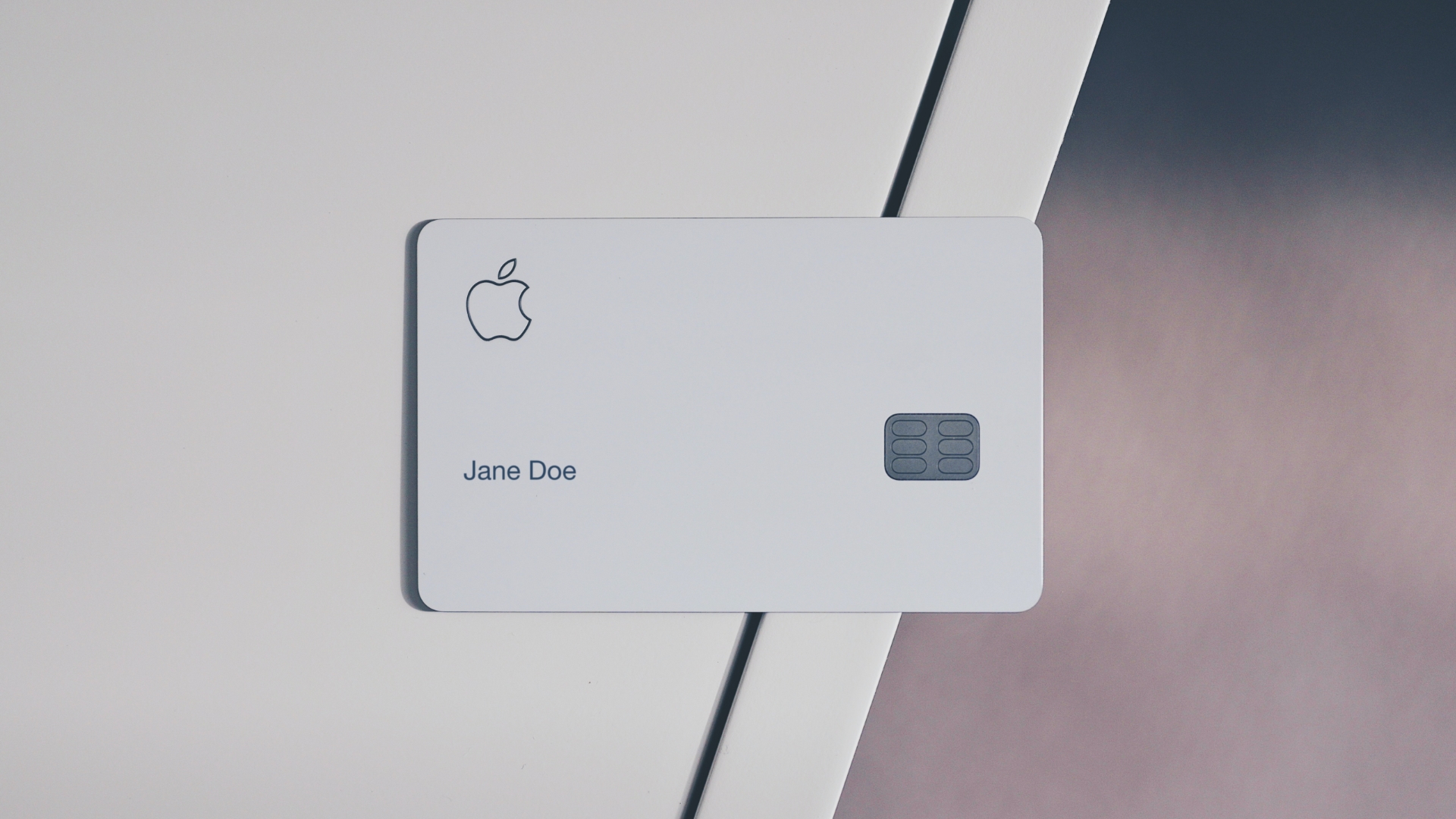
The Apple Card's cash back model wins over travel miles by offering instant Daily Cash liquidity, zero annual fees, and guaranteed 2% to 3% returns without point devaluations, complex transfer partners, or redemption blackout dates. For everyday consumers who do not frequently fly business class, direct cash back yields higher net returns after accounting for annual fees.
The Core Conflict: Cash Back Liquidity vs. Travel Point Gamification
For years, the personal finance industry has promoted travel rewards credit cards as the ultimate tool for maximizing consumer spending. Credit card issuers entice cardholders with promises of aspirational international vacations, airport lounge access, and initial sign-up bonuses worth hundreds of dollars. However, achieving those high-value redemptions requires navigating complex award charts, transfer partner rules, blackout dates, and inflated annual fees.
The landscape of consumer credit has shifted significantly toward simplicity, flexibility, and immediate monetary value. The Apple Card, centered on its Daily Cash model, highlights a growing preference among consumers for liquid cash over speculative travel points. While travel miles cards promise high potential value under ideal booking conditions, cash back delivers immediate, predictable value without operational overhead.
Understanding why cash back frequently beats travel miles requires examining how reward structures operate in practice. Points and miles are proprietary digital currencies controlled by credit card issuers and airline loyalty programs. Cash back, by contrast, is legal tender. When evaluated on liquidity, net return after fees, ease of use, and protection against inflation, a straightforward cash back system like the Apple Card routinely outperforms complex travel rewards programs for the majority of credit card holders.
Decoding the Apple Card Daily Cash Ecosystem
The Apple Card operates on a tier-based cash back model that integrates directly into the iOS digital wallet infrastructure. Unlike traditional credit cards that issue rewards monthly or quarterly, the Apple Card calculates and distributes rewards daily.
| Reward Tier | Eligible Purchases |
|---|---|
| 3% Daily Cash | Apple purchases (stores, app store, services) + Select partners (Uber, Walgreens, Nike, Panera, etc.) |
| 2% Daily Cash | All purchases made via Apple Pay (contactless/app) |
| 1% Daily Cash | Purchases made using physical titanium Apple Card |
The 3% Reward Tier
Cardholders earn 3% Daily Cash on all direct purchases from Apple, including Apple Store retail locations, apple.com, the App Store, and Apple subscription services such as iCloud+, Apple Music, and Apple TV+. Additionally, Apple has established merchant partnerships offering 3% Daily Cash on transactions completed using Apple Pay at select brands, including Uber, Uber Eats, Walgreens, Duane Reade, Nike, Panera Bread, Ace Hardware, Exxon, and Mobil.
The 2% Reward Tier
The core value driver for everyday spending is the 2% Daily Cash tier, which applies to any transaction completed using Apple Pay—whether in retail stores, within mobile apps, or on supported websites. Because contactless mobile payment acceptance has expanded across retail, grocery, dining, and transit sectors, users can route the vast majority of their monthly spending through Apple Pay to secure a consistent 2% cash return.
The 1% Reward Tier
When a merchant does not accept Apple Pay and the cardholder uses the physical titanium Apple Card (via magnetic stripe, EMV chip, or manually entered card number), the cash back rate drops to 1%. This tier represents the fallback rate and underscores the card's optimization for digital payment channels.
Automated Liquidity and Interest Compounding
A distinct structural advantage of Daily Cash is its settlement speed and integration with high-yield savings. Daily Cash is deposited into the user's Apple Cash balance inside the Wallet app within 24 to 48 hours of transaction settlement. From there, funds can be spent immediately via Apple Pay, sent to friends via Messages, transferred to a linked bank account, or routed into an high-yield Apple Savings account.
By routing cash back immediately into an interest-bearing account, earnings begin compounding right away. Travel points sitting dormant in an airline loyalty program generate zero interest while remaining vulnerable to sudden program devaluations.
The Hidden Costs and Realities of Travel Miles Cards
To evaluate why cash back wins for most consumers, it is essential to analyze the structural friction inherent in travel rewards credit cards. Premium travel cards—such as the Chase Sapphire Reserve, American Express Platinum, or Capital One Venture X—market high point multipliers, but those perks come with significant financial and logistical tradeoffs.
Traditional Miles Card Route:
- Spend Money
- Earn Points
- Pay Annual Fee
- Search Award Availability
- Risk Point Devaluation
Apple Card Cash Route:
- Spend via Apple Pay
- Earn 2-3% Cash Daily
- Deposit to High-Yield Savings
- Spend Cash Anywhere
High Annual Fees Cut Into Net Yield
Travel rewards cards typically charge annual fees ranging from $95 for mid-tier cards to $395, $550, or even $695 for premium products. Cardholders must generate hundreds of dollars in rewards each year just to break even on the annual fee before earning any true net profit.
Consider a card with a $550 annual fee that earns 2x points on general spending. If points are valued at 1 cent each, the cardholder must spend $55,000 annually just to earn $550 in rewards and offset the annual fee. On the non-fee Apple Card earning 2% via Apple Pay, that same $55,000 spend yields $1,100 in clean profit.
Point Devaluation and Award Chart Inflation
Travel miles do not maintain a fixed monetary value. Airlines and hotel chains frequently adjust their reward redemption charts without prior notice, increasing the number of miles required for a flight or hotel room.
This structural inflation means that 100,000 airline miles saved over two years may lose 20% to 40% of their purchasing power by the time the cardholder attempts to book a trip. Cash back earned on the Apple Card retains its exact monetary purchasing power and can be used to purchase any ticket on any airline at any time, completely bypassing award space restrictions.
Redemption Friction and Opportunity Cost
Maximizing the theoretical value of travel points (often cited by travel blogs at 1.5 to 2.0 cents per point) requires extensive effort. Cardholders must research award availability, transfer points to international partner airlines, manage complex routing rules, and pay out-of-pocket cash surcharges or taxes on "free" flights.
If a cardholder redeems travel points for cash back or statement credits directly through a travel card portal to avoid this complexity, the redemption rate often drops to 0.5 to 1.0 cent per point, effectively cutting the card's advertised return rate in half.
Financial Breakdown: Cash Back vs. Miles Comparison
To quantify how cash back performs against travel rewards cards, consider an average household spending budget of $30,000 annually across diverse categories.
Spending Scenario Assumptions
- Total Annual Household Credit Spend: $30,000
- Mobile Wallet / Apple Pay Adoption: 85% of transactions ($25,500)
- Physical Card / Non-Apple Pay Spend: 15% of transactions ($4,500)
- Apple/Partner Merchant Spend included in mobile spend: $3,000
Scenario A: Apple Card (Zero Annual Fee)
- 3% Category: $3,000 spend = $90 Daily Cash
- 2% Apple Pay Category: $22,500 spend = $450 Daily Cash
- 1% Physical Card Category: $4,500 spend = $45 Daily Cash
- Gross Earnings: $585
- Annual Fee: -$0
- Net Financial Return: $585 in liquid cash
If that $585 is transferred daily into a high-yield savings account earning a competitive yield over the course of the year, the total return increases due to monthly interest compounding.
Scenario B: Mid-Tier Travel Miles Card ($95 Annual Fee)
- Average Earning Rate: 1.5x points per dollar across all spending categories = 45,000 miles earned.
- Cash/Statement Credit Redemption (1 cent/point): $450 gross value - $95 fee = $355 Net Return (Substantially lower than Apple Card).
- Optimized Travel Redemption (1.4 cents/point average): $630 gross value - $95 fee = $535 Net Return.
Even under an optimized travel redemption scenario, the mid-tier card yields less net value than the Apple Card's effortless cash accumulation, without accounting for the time spent finding award flights.
Scenario C: Premium Travel Card ($550 Annual Fee)
- Average Earning Rate: 2.0x points per dollar across all spending categories = 60,000 miles earned.
- Optimized Travel Redemption (1.5 cents/point average): $900 gross value.
- Annual Fee: -$550 (assuming no credit utilization for non-travelers).
- Net Financial Return: $350 Net Return.
Unless the holder of a premium card actively utilizes specific ancillary statement credits (such as flight credits, ride-share discounts, or hotel statement credits), high annual fees severely dilute net reward earnings on everyday spending.
Direct Feature Comparison
The following table summarizes the key structural differences between the Apple Card's cash back program and traditional travel miles programs.
| Evaluation Metric | Apple Card (Daily Cash) | Mid-Tier Travel Miles Card | Premium Travel Miles Card |
|---|---|---|---|
| Annual Fee | $0 | $95 | $395 - $695 |
| Foreign Transaction Fee | $0 | Usually $0 | $0 |
| Reward Settlement Speed | Daily (24–48 hours) | Monthly billing cycle | Monthly billing cycle |
| Default Reward Value | Guaranteed 1:1 USD Cash | Variable (0.5 to 1.0¢ cash) | Variable (0.5 to 1.0¢ cash) |
| Max Redemption Value | Fixed (3% max rate) | High (1.5–2.5¢ via travel) | High (1.5–3.0¢ via travel) |
| Devaluation Risk | Zero (legal tender) | High (airline chart inflation) | High (airline chart inflation) |
| Redemption Effort | Zero (automated) | High (research required) | Very High (complex booking) |
| Earning Base (Mobile Wallet) | 2% on all Apple Pay transactions | 1.0x to 1.5x baseline | 1.0x to 2.0x baseline |
| Yield Compounding Potential | Immediate via high-yield savings | None (dormant points) | None (dormant points) |
When Travel Miles Still Hold an Advantage
While cash back wins on simplicity, liquidity, and net value for average consumers, travel miles cards remain superior under specific travel profiles.
Which Card Fits You?
- Frequent Traveler (Choose Miles):
- Flies 5+ times per year
- Books Business/First Class
- Uses lounge access & credits
- Everyday Spender (Choose Apple Card):
- Prefers simple cash in bank
- Uses Apple Pay for daily items
- Wants zero annual fees
- Frequent Long-Haul International Travelers: Consumers who regularly book international premium-cabin (Business or First Class) flights can achieve redemption valuations exceeding 2.5 to 4.0 cents per point by transferring points to foreign airline partner programs. In this specific scenario, a 60,000-point redemption can cover a $3,000 ticket, delivering a higher net value than cash back.
- Ancillary Travel Protections and Amenities: Premium travel cards include built-in travel perks such as complimentary airport lounge access (Centurion Lounges, Priority Pass), primary auto rental collision insurance, flight delay compensation, and application fee credits for Global Entry or TSA PreCheck.
- High-Category Spending Multipliers: Travelers who spend tens of thousands of dollars specifically on flights, hotels, or dining out may earn 3x to 5x points per dollar in those specific categories, allowing them to accumulate points rapidly enough to outpace annual fees.
For consumers who travel only once or twice a year domestically and prefer standard economy seats, these advantages rarely outweigh the guaranteed return and zero-fee structure of a cash back model.
Operational Strategy: Maximizing Apple Card Cash Back Returns
To extract the absolute highest yield from the Apple Card cash back structure, cardholders should implement a systematic payment approach:
1. Default to Apple Pay Across All Devices
Never use the physical titanium card if an option to pay via Apple Pay exists. Using Apple Pay instantly doubles the cash back yield from 1% to 2%. Set the Apple Card as the default card in Apple Wallet for single-tap transactions, and enable Apple Pay for recurring online checkouts.
2. Capitalize on 3% Merchant Partners
Identify everyday spending categories that qualify for 3% Daily Cash. Routing recurring expenses—such as monthly mobile bills at participating carriers, rideshare trips via Uber, daily coffee or food orders via Panera, or household supplies at Walgreens or Ace Hardware—adds consistent high-tier yield over time.
3. Automate Transfers to High-Yield Savings
Configure Daily Cash to automatically deposit into an Apple Savings account (or regularly sweep funds to a high-yield savings vehicle). This removes human intervention from the saving process and ensures every dollar earned instantly begins accumulating interest rather than sitting idle.
4. Maintain Zero Interest Accrual
Cash back rewards are financial earnings only if cardholders avoid credit card interest. Paying the statement balance in full every month eliminates interest charges, ensuring that 100% of the Daily Cash earned remains net profit. The Apple Wallet interface facilitates this by featuring a real-time interest calculator wheel that shows exactly how much interest will be charged based on the selected payment amount.
Common Misconceptions and Mistakes to Avoid
- Relying on the Physical Card: The physical titanium Apple Card is aesthetically distinctive, but it only earns 1% Daily Cash. Cardholders who routinely swipe or chip the physical card at stores accepting contactless payments sacrifice half of their earning potential.
- Treating Point Valuations as Guaranteed Cash: Travel enthusiast blogs often quote point values at 2.0 cents per point. That calculation is based on aspirational bookings, not cash equity. Comparing a 2% cash return to a theoretical 2% point return is an unequal comparison because points cannot pay mortgages, buy groceries, or earn bank interest.
- Carrying a Revolving Balance: The average credit card interest rate easily negates a 2% or 3% cash back earnings rate within a single billing cycle. Cards should be utilized as a transaction settlement tool rather than a financing channel for everyday items.
Frequently Asked Questions
Does the Apple Card earn points or cash back?
The Apple Card earns direct cash back, officially called Daily Cash. It does not use a point-based system or reward conversion scales. Daily Cash is calculated as a exact percentage of each purchase and settled in U.S. dollars.
Why do financial analysts consider cash back superior to travel miles for average spenders?
Cash back provides guaranteed 1:1 monetary value, immediate liquidity, zero redemption fees, and zero risk of devaluation. Travel miles cards often carry annual fees from $95 to $695 and subject earnings to blackout dates, dynamic award pricing, and complex transfer partner restrictions.
Can Apple Card Daily Cash be transferred to airline loyalty programs?
No. Daily Cash is deposited as legal tender into your Apple Cash account or bank account. However, because it is liquid cash, you can use those funds to buy a ticket directly on any airline, for any flight, without award seat availability limitations.
How does the Apple Card compare to standard 2% flat cash back cards?
Standard 2% flat cash back cards give 2% on all purchases regardless of payment method, whereas the Apple Card requires using Apple Pay to receive 2% (dropping to 1% for physical card swipes). However, the Apple Card offers 3% tiers on Apple and select merchants, charges zero annual or foreign transaction fees, and provides immediate daily payout settlement.
Is Apple Card Daily Cash considered taxable income?
In the United States, credit card cash back earned on purchases is generally treated by the IRS as a post-purchase discount or price reduction, not as taxable gross income. Consequently, cardholders do not receive a Form 1099 for standard cash back earned through credit card spending.
Strategic Recommendation
If your primary goal is maximizing financial returns with minimal friction, direct cash back wins over travel miles. The optimal credit card strategy for non-luxury travelers focuses on cash preservation, fee elimination, and yield compounding.
For everyday spending in an increasingly digital payment economy, pairing the non-fee Apple Card with contactless mobile payments generates a clean, automated 2% to 3% cash yield. By routing that daily payout directly into a high-yield savings vehicle, consumers convert everyday transaction flow into immediate, compounding wealth—freeing themselves from the annual fees, reward chart devaluations, and booking games of travel point programs.