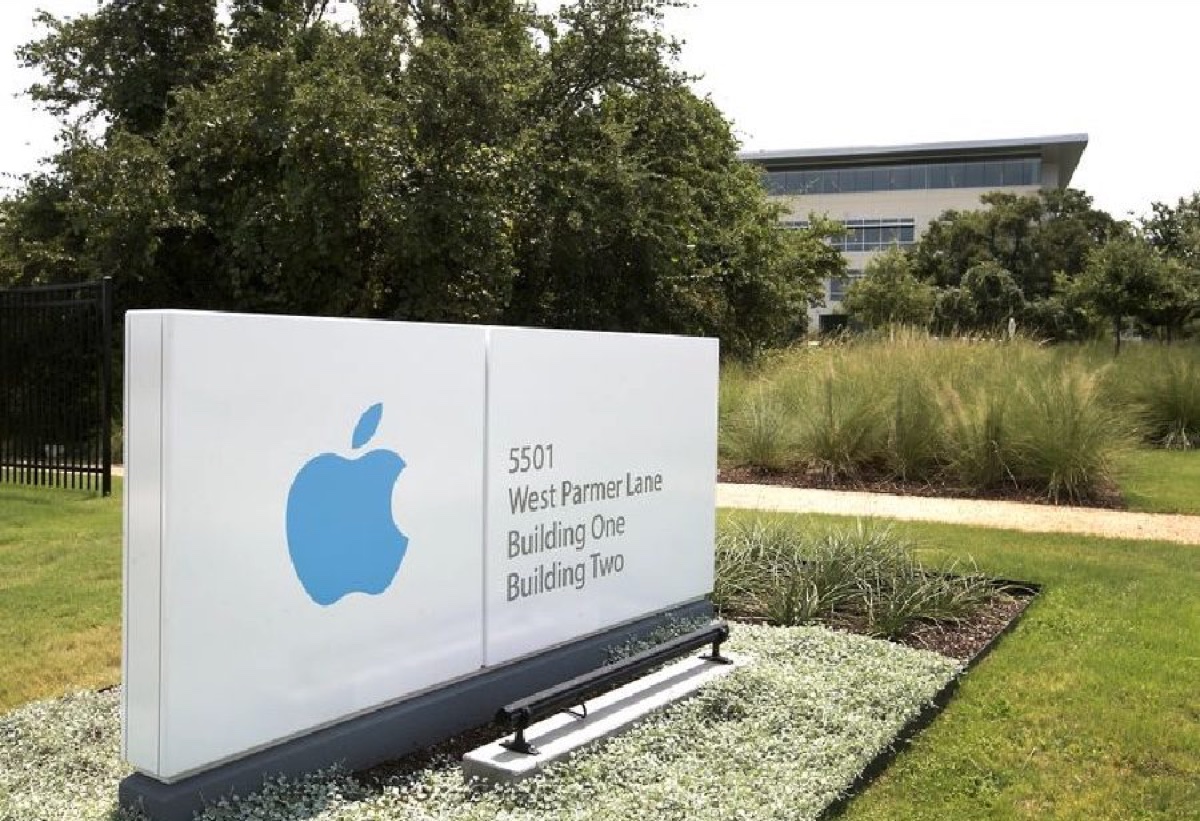
Apple’s Austin, Texas campus serves as the company’s largest operational and engineering hub outside of its Cupertino headquarters. Anchored by a massive $1 billion campus on West Parmer Lane alongside established facilities at Riata Park, the site houses critical teams in custom silicon design, hardware validation, software engineering, finance, and supply chain operations.
Overview of Apple’s Presence in Austin, Texas
Apple’s footprint in Central Texas has expanded from a modest regional support office into one of the company's most vital research, development, and operational centers worldwide. First establishing a presence in Austin in 1992 with approximately 100 customer support employees, Apple spent the subsequent three decades steadily expanding its local capabilities. Today, Austin serves as Apple’s official second home, accommodating thousands of engineering, corporate, and operational professionals.
- Apple Austin Operations
- West Parmer Lane
- 133-Acre Campus
- Custom Silicon/HW
- Software & AI
- R&D Laboratories
- Riata Trace Park
- Legacy Operations
- Customer Support
- Finance & Ops
- Logistics
- West Parmer Lane
History and Evolution of the Austin Footprint
The growth of Apple in Austin reflects the broader transformation of Central Texas into a premier technology corridor, often called the "Silicon Hills." Following its 1992 arrival, Apple expanded its operations in the 2000s, establishing major administrative hubs to support North American sales, business operations, and AppleCare customer support.
A major milestone occurred in 2012 when Apple invested $304 million to construct its Riata Trace complex in North Austin. This development cemented Austin's status as a core operational base. Building on that foundation, Apple announced a major expansion in December 2018: a new $1 billion, 133-acre campus situated on West Parmer Lane, just one mile from the Riata facilities. Groundbreaking took place in 2019, and initial facility occupancy began in phases starting in 2022.
Campus Footprint: West Parmer Lane vs. Riata Park
Apple’s operations in Austin are primarily divided across two major physical complexes located within the North Austin technology corridor:
- West Parmer Lane Campus: The flagship 133-acre campus represents Apple's latest architectural and technological investment in Texas. Designed to accommodate up to 15,000 employees across 3 million square feet of office space, this site focuses heavily on advanced engineering, silicon development, artificial intelligence, and hardware research.
- Riata Trace Complex: Located at 7300 Riata Trace Parkway, this multi-building corporate park served as Apple's primary regional headquarters prior to the opening of the Parmer Lane site. It continues to house key functional teams including global supply chain logistics, business operations, finance, and online services support.
Together, these facilities make Apple one of the largest private employers in the City of Austin and Travis/Williamson counties.
Key Engineering, Hardware, and Operational Teams
While early operations in Austin focused primarily on customer support and administration, the modern Austin campus plays a pivotal role in core product design, hardware architecture, and global business execution.
| Functional Group | Responsibilities |
|---|---|
| 1. Silicon & Hardware | Design, validation, power optimization |
| 2. Software & AI | Core OS, machine learning, security |
| 3. Global Operations | Logistics, procurement, supply chain |
| 4. Finance & Admin | Corporate accounting, compliance, HR |
| 5. AppleCare Support | Technical support, global services |
Apple Silicon and Hardware Engineering
Austin is home to one of Apple's primary microchip and custom silicon engineering teams outside of California. Engineers at the West Parmer Lane campus participate directly in the design, testing, and validation of Apple Silicon—the system-on-chip (SoC) architectures that power iPhone, iPad, Mac, and Apple Watch lineups.
Key engineering activities conducted within Austin's specialized R&D laboratories include:
- Silicon Design and Architecture: Developing microarchitecture components, logic design, and power-efficiency models for next-generation application processors.
- Hardware Validation and Testing: Running physical test benches and environmental stress tests to ensure microprocessors meet thermal, power, and performance criteria.
- Board-Level Systems Hardware: Designing printed circuit board (PCB) layouts and testing peripheral hardware integrations for future device iterations.
- Security and Machine Learning Accelerators: Writing low-level software and firmwares to support hardware-based machine learning engines (Neural Engine) and on-device security enclaves.
Operations, Finance, and Customer Support Hubs
Beyond hardware engineering, the Austin facilities house crucial back-office and operational machinery that keeps Apple’s global business running efficiently:
- Global Supply Chain and Logistics: Teams based in Austin manage vendor relationships, material procurement timelines, component delivery, and worldwide inventory distribution.
- Corporate Finance and Accounting: Austin serves as a primary hub for Apple’s North American financial operations, including tax compliance, financial reporting, corporate auditing, and vendor payments.
- AppleCare and Technical Support Operations: The campus coordinates technical support workflows, training programs, and service infrastructure for customer-facing support globally.
Architectural Design, Capacity, and Sustainability Features
In keeping with Apple's corporate design philosophy, the West Parmer Lane campus blends modern office architecture with environmental sustainability and native landscape design.
| Area | Details |
|---|---|
| Energy | 100% Renewable (On-site Solar + Local Grid) |
| Water | Recycled Water Systems & Native Landscaping |
| Ecosystem | Preserved Live Oak Groves & Wildlife Corridors |
| Building | LEED Gold/Platinum Certified Architectural Layout |
Building Footprint and Capacity
The West Parmer Lane site features low-rise, campus-style office structures connected by pedestrian walkways, central courtyards, and underground parking facilities. The architectural layout emphasizes natural daylighting, open collaborative spaces, and modular lab environments.
- Total Workspace: Approximately 3 million square feet upon full phase completion.
- Employee Capacity: Designed to support between 5,000 and 15,000 personnel.
- Parking Infrastructure: Multilevel parking garages equipped with electric vehicle (EV) charging stations, positioned around the perimeter to keep internal campus grounds pedestrian-only.
- On-Site Amenities: Features include employee dining halls, coffee bars, wellness centers, a full-service medical clinic, fitness facilities, and outdoor recreation areas.
Environmental Sustainability and Energy Initiatives
Consistent with Apple’s global commitment to carbon neutrality across its supply chain and operations, the Austin campus integrates advanced green building technologies:
- 100% Renewable Energy: All electricity used by the campus is supplied by 100% renewable energy sources, including custom on-site solar arrays combined with locally sourced green power contracts through Austin Energy and regional suppliers.
- Water Conservation: The facility utilizes a dedicated reclaimed water system for irrigation and cooling towers. Drought-tolerant native Texan plants and grasses dominate the landscape design, significantly reducing overall water demand.
- Land Preservation: Over 50 acres of the 133-acre campus site were designated as preserved open space. Existing native live oaks and native tree canopies were preserved or relocated during construction, creating protected ecological corridors for native wildlife.
- LEED Certification: The campus buildings are constructed to satisfy Leadership in Energy and Environmental Design (LEED) Gold and Platinum standards, utilizing low-emission building materials, smart HVAC systems, and automated lighting controls.
Location, Access, and Regional Impact
The positioning of Apple's campus in Northwest Austin has influenced local infrastructure, public transit planning, and commercial real estate development throughout Williamson and Travis counties.
- US-183 Highway Corridor
- W. Parmer Lane Campus
- Lakeline Rail Station
- MoPac Expressway
- North Austin / Round Rock
- W. Parmer Lane Campus
Navigating Access and Commuting Options
The West Parmer Lane campus sits near the intersection of West Parmer Lane (FM 734) and McNeil Drive, straddling the border of Austin and Round Rock.
- Road Networks: Access to the campus is primarily provided via West Parmer Lane, which connects directly to major arterial highways including US Highway 183, State Highway 45 (SH 45), and the MoPac Expressway (Loop 1).
- Public Transit: Capital Metro (CapMetro) serves the corridor with commuter bus routes along Parmer Lane. The site is located approximately three miles from the Lakeline Station on the CapMetro Rail Red Line, which provides rail connections between downtown Austin and Leander.
- Private Shuttles & Alternative Transit: Apple operates dedicated private employee shuttles connecting the campus to major residential areas across Austin. Additionally, on-site bicycle storage, repair stations, and dedicated bike paths support non-motorized commuting.
Economic Impact on North Austin and Williamson County
The establishment and expansion of Apple’s campus have generated significant economic ripple effects across the surrounding municipalities of Austin, Round Rock, Cedar Park, and Pflugerville:
- Job Creation: Beyond direct engineering and corporate hires, campus construction and ongoing site management have generated thousands of indirect positions in food services, security, facilities maintenance, and local logistics.
- Real Estate Growth: The area surrounding the Parmer Lane corridor has experienced substantial growth in multi-family housing, single-family residential neighborhoods, and retail centers catered to tech sector workers.
- Local Infrastructure Investments: To handle increased traffic volumes, public agencies invested in widening project segments along Parmer Lane, adding turn lanes, and improving signal coordination near the campus entrances.
Comprehensive Facilities Comparison Table
The following table summarizes the specifications and operational distinctions between Apple's primary Austin complexes.
| Feature / Metric | West Parmer Lane Campus | Riata Trace Complex |
|---|---|---|
| Primary Location | 6900 W. Parmer Ln, Austin, TX 78729 | 7300 Riata Trace Pkwy, Austin, TX 78727 |
| Site Area | 133 Acres | ~38 Acres |
| Building Area | ~3,000,000 sq ft (at full buildout) | ~1,000,000 sq ft across multiple buildings |
| Primary Focus | Silicon Design, Hardware R&D, AI/ML, Engineering | Operations, Logistics, Finance, AppleCare |
| Target Capacity | Up to 15,000 employees | ~6,000 employees |
| Energy Source | 100% Renewable (On-site Solar + Local Grid) | 100% Renewable Energy Contracts |
| Public Visitor Store | No (Strictly Private Corporate Facility) | No (Strictly Private Corporate Facility) |
| Sustainability Standard | Designed for LEED Gold/Platinum | LEED Certified Facilities |
Career Opportunities and Working at Apple Austin
As Apple's primary engineering hub outside of California, the Austin campus actively recruits professionals across technical disciplines, operations management, and corporate administration.
| Career Pathway | Roles / Focus |
|---|---|
| Hardware / Silicon | CPU/GPU Architect, ASIC Validation, PCB Design |
| Software & Cloud | Embedded Systems, macOS/iOS, Machine Learning |
| Operations & SCM | Global Supply Manager, Inventory Analyst |
| Corporate Services | Financial Analyst, Tax Specialist, HR Operations |
Hiring Focus and Technical Requirements
Engineering roles at the West Parmer Lane site typically emphasize custom silicon development, hardware verification, and platform software development. Candidates evaluating career opportunities at Apple Austin should expect rigorous technical evaluations in the following fields:
- Silicon Engineering: Computer architecture, SystemVerilog/VHDL, RTL design, static timing analysis, and low-power circuit optimization.
- System Software: C/C++, Rust, embedded firmware, kernel-level development, and device driver optimization for Apple silicon platforms.
- Machine Learning and AI: Developing model compression techniques, computer vision frameworks, and hardware acceleration libraries optimized for Apple's Neural Engine.
- Operations & Supply Chain: Data analytics, linear programming, global supply chain forecasting, vendor management, and logistics execution.
Official job opportunities for the Austin site are published directly on the Apple Careers Portal.
Workplace Culture and Campus Life
Working at Apple Austin reflects the company’s emphasis on cross-functional collaboration, technical precision, and security.
- Work Environment: The campus features modern, open-concept workspaces interspersed with secure laboratory environments. High privacy standards are maintained to protect unreleased hardware projects.
- Employee Resource Groups (ERGs): Apple supports a wide array of Diversity Network Associations (DNAs) in Austin, fostering employee community engagement, mentorship, and local volunteering initiatives.
- Health and Wellness: On-site services include comprehensive health centers, physical therapy services, fitness facilities, and outdoor walking trails woven through the native Texan landscape.
Visitor Policies and Public Access Limitations
Unlike Apple Park in Cupertino, California—which features a dedicated public Visitor Center with an Apple Store, roof terrace, and cafe—the Apple Campus in Austin is entirely private and closed to the general public.
| Category | Policy |
|---|---|
| Public Access | No public tours, observation decks, or stores |
| Visitors | Requires pre-arranged host employee escort |
| Security | Government ID check and NDA signing required |
| Retail Stores | Visit Apple Domain Northside or Barton Creek |
Security Protocols and Guest Guidelines
To protect intellectual property and maintain employee security, strict access controls are enforced at all campus perimeters:
- No Unescorted Entry: Visitors, job interviewees, vendors, and contractors are not permitted past security checkpoints without a pre-registered host employee.
- Badge Requirements: Guests must present government-issued photo identification at the main security check-in desk to receive a temporary visitor badge. Visitor badges must remain visible at all times.
- Nondisclosure Agreements (NDAs): All visitors are required to sign a standard Apple NDA before entering operational facilities or lab areas.
- Photography Restrictions: Photography, videography, and audio recording are strictly prohibited inside office spaces, labs, and non-public outdoor areas of the campus.
Where to Find Public Apple Retail Stores in Austin
Members of the public seeking to purchase products, receive Genius Bar support, or attend educational sessions should visit Apple’s official retail locations in the Austin area rather than traveling to the corporate campus:
- Apple Domain Northside: Located at 11410 Century Oaks Terrace in North Austin. This retail store is situated just a short drive south of the West Parmer Lane campus.
- Apple Barton Creek Square: Located at 2901 S Capital of Texas Hwy in South Austin, offering a full suite of retail services, trade-ins, and repairs.
Frequently Asked Questions
What is the primary focus of Apple’s Austin campus?
Apple’s Austin campus focuses primarily on hardware engineering, custom silicon architecture, software development, global supply chain operations, finance, and AppleCare technical support. It is Apple's largest engineering and operational facility outside of its Cupertino headquarters.
Can the public visit or tour the Apple campus in Austin?
No. The Apple campus on West Parmer Lane and the facilities at Riata Park are private corporate facilities. Unlike Apple Park in Cupertino, there is no public visitor center, public cafe, or public retail store on-site in Austin. Access is restricted to employees, contractors, and registered guests.
Where is the Apple Austin campus located?
Apple’s flagship Austin campus is located at 6900 West Parmer Lane, Austin, TX 78729, in North Austin near the Round Rock border. Apple also maintains facilities nearby at 7300 Riata Trace Parkway.
How does Apple’s Austin campus handle environmental sustainability?
The West Parmer Lane campus is powered by 100% renewable energy, using on-site solar installations alongside green energy sourced from local utilities. The site incorporates reclaimed water for irrigation, preserves native live oak tree canopies across 50+ acres of open space, and meets LEED Gold/Platinum building standards.
Which public Apple retail stores are closest to the Austin campus?
The closest retail location to the West Parmer Lane campus is Apple Domain Northside, located in the Domain shopping center in North Austin (approximately 5 miles south of the campus). Alternatively, customers can visit Apple Barton Creek Square in South Austin.
Practical Recommendations for Visitors and Job Seekers
If you are planning a visit, attending an interview, or applying for a position at Apple's Austin campus, keep the following practical guidelines in mind:
- Confirm the Specific Office Address: Apple operates multiple facilities in North Austin. Verify whether your meeting or interview is scheduled at the West Parmer Lane campus (6900 W Parmer Ln) or the Riata Trace complex (7300 Riata Trace Pkwy) before traveling.
- Allow Extra Time for Security Check-In: If visiting for an official business meeting or interview, arrive at least 15 to 20 minutes before your scheduled appointment. You will need to present photo identification, complete guest registration, and receive your visitor badge.
- Plan Your Commute: Parmer Lane and US-183 experience heavy commuter traffic during morning (7:00 AM – 9:00 AM) and evening (4:30 PM – 6:30 PM) peak hours. Utilize real-time navigation apps or consider public transit options via Capital Metro routes if traveling during peak hours.
- Explore Career Opportunities directly via Official Channels: Prospective employees should apply directly through the official Apple Careers Portal and filter by "Austin, Texas" to view active requisitions in silicon engineering, software development, operations, and corporate administration.
EDITORIAL CATEGORY METADATA: