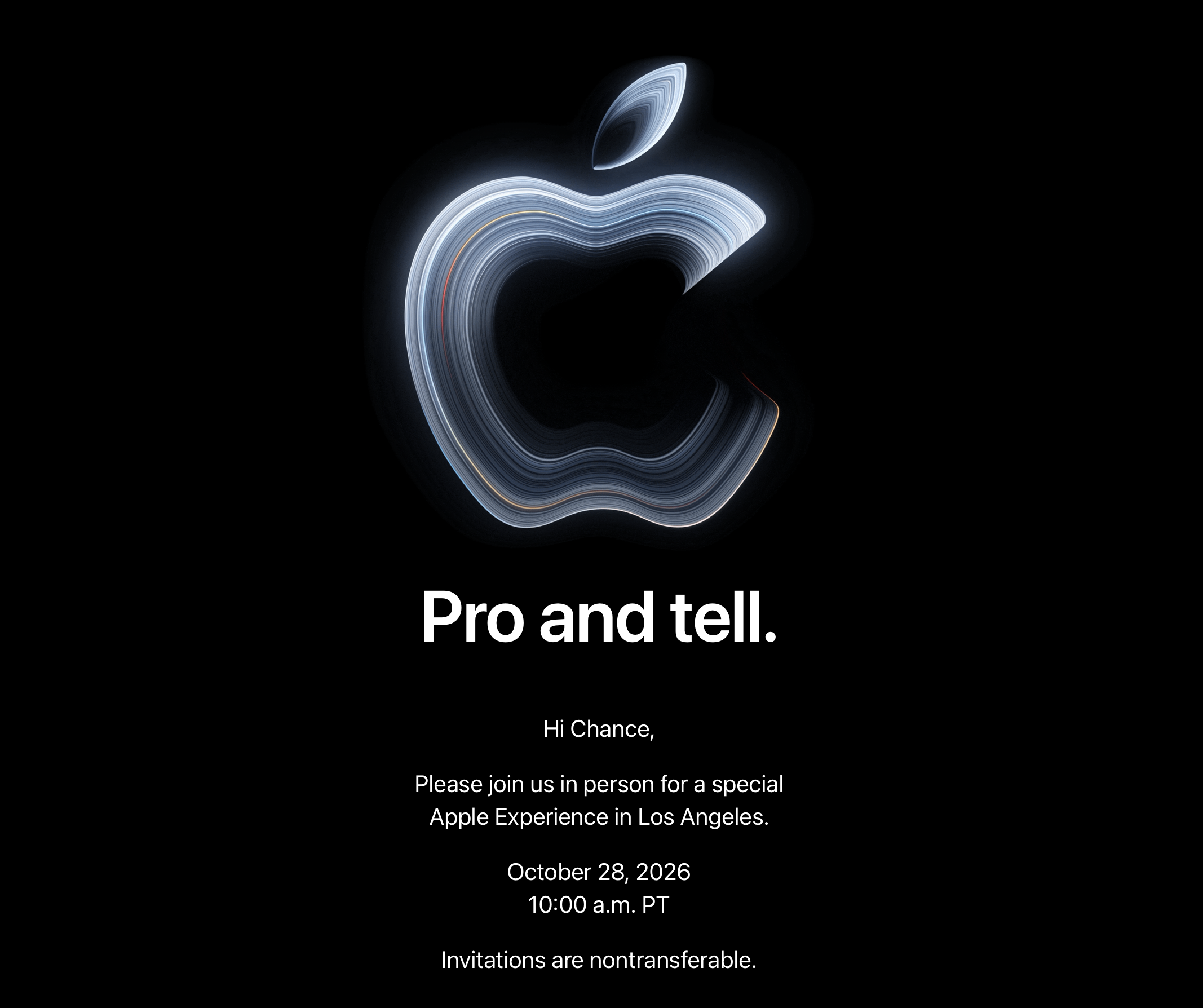
An Apple announcement represents the official unveiling of new hardware, software updates, or service expansions through live media keynotes or official Apple Newsroom press releases. Apple typically holds major events in March or April, June (WWDC), September, and October, detailing major product rollouts, pre-order dates, software release cycles, and device specifications.
Understanding Apple Announcement Formats: Keynotes vs. Newsroom Releases
Apple utilizes two primary channels to introduce products, software platforms, and corporate initiatives to the public and media: broadcast keynotes and direct press releases. Understanding the distinction between these delivery methods helps consumers and industry analysts anticipate product importance, availability, and detailed technical specifications.
Live Broadcast Keynotes (Special Events)
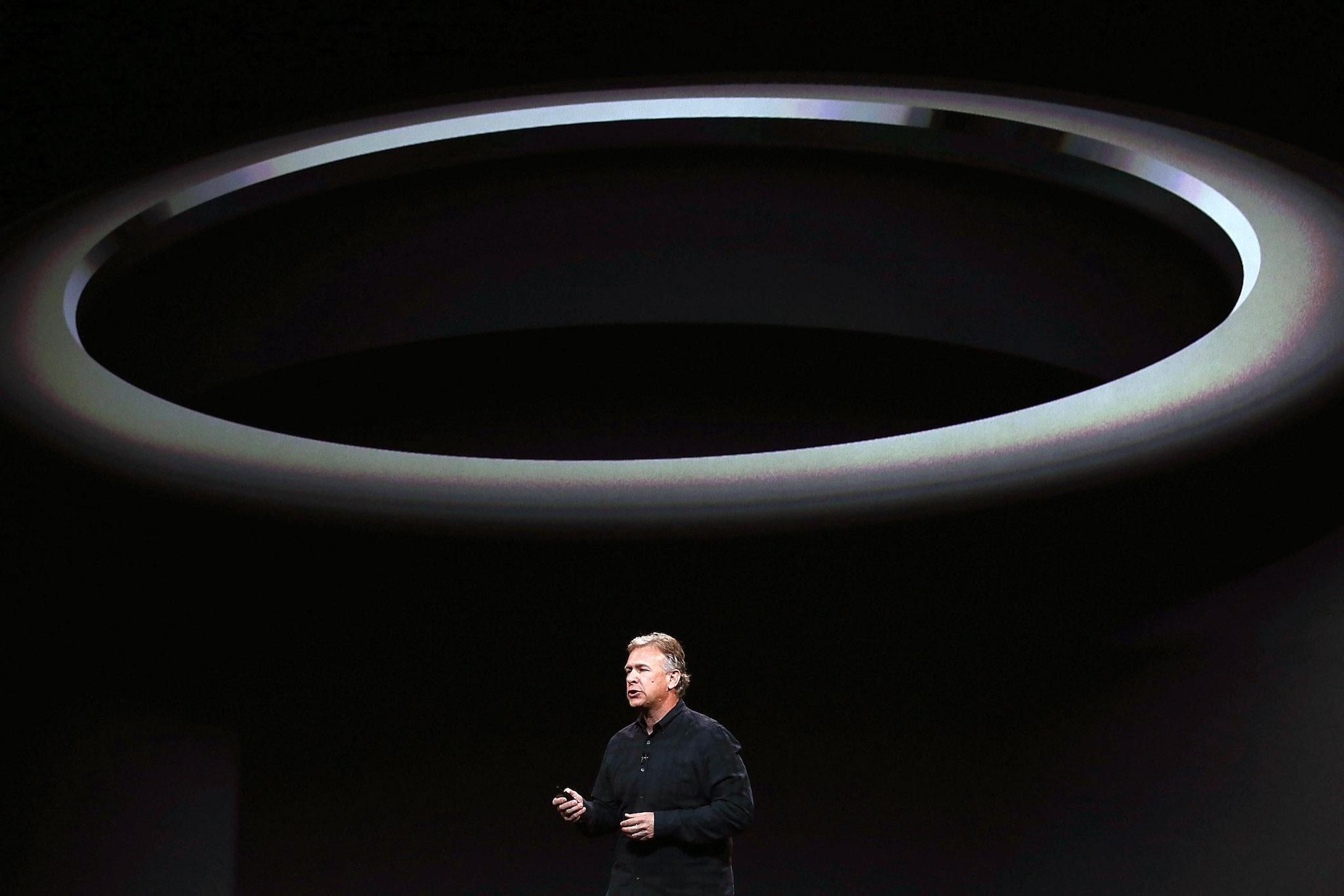
Major flagship products—such as new-generation iPhones, complete redesigns of the Apple Watch, premium Mac computers, and major operating system overhauls—receive dedicated broadcast presentations. Historically hosted live at the Steve Jobs Theater at Apple Park in Cupertino, California, modern Apple keynotes are engineered digital broadcasts produced by Apple's internal media teams.
These presentations typically run between 60 and 120 minutes. They feature executive leadership, senior engineers, and design heads detailing custom silicon architectures, camera technologies, display innovations, and software interactions. Keynotes serve a dual purpose: consumer marketing and developer motivation. When Apple schedules a keynote broadcast, it signals that the announced products represent strategic shifts, new product categories, or high-volume hardware launches.
Newsroom Press Releases ("Stealth Drops")
Not every product refresh warrants a multi-million-dollar keynote address. For iterative spec bumps, minor chip upgrades, new color options, or accessory refreshes, Apple relies on its press publishing portal, Apple Newsroom.
These announcements usually go live early in the morning—typically around 5:00 AM to 6:00 AM Pacific Time (8:00 AM to 9:00 AM Eastern Time)—on Tuesdays or Wednesdays. Products such as mid-cycle iPad revisions, updated Mac mini or MacBook Pro configurations, entry-level accessories, or minor updates to Apple services often premiere via press releases accompanied by immediate updates to the online store. Despite lacking the spectacle of a broadcast event, Newsroom announcements carry identical binding details regarding technical specifications, official pricing, pre-order start times, and retail ship dates.
The Annual Apple Event Cadence: What Gets Announced and When
While Apple occasionally alters its schedule based on supply chain logistics or technological readiness, the company operates on a highly predictable annual event calendar. Knowing what typically debuts during each quarter allows consumers to plan purchases and avoid buying devices right before a replacement arrives.
Annual Apple Event Timeline:
- Spring (Mar/Apr): iPad Updates, Mac Refreshes, New Colors
- Summer (June): WWDC: iOS, macOS, watchOS, Beta Builds
- Fall (September): Flagship iPhones, Apple Watch Lineup
- Late Fall (Oct/Nov): Pro Macs, iPad Pro, Silicon Chip Upgrades
1. The Spring Event (March / April)
The spring window serves as a mid-cycle update point for Apple's product portfolio. Announcements during this event often focus on standard consumer computing devices, educational initiatives, and creative accessories.
- Hardware: Entry-level iPads, iPad Air revisions, updated iPhone SE models, consumer Mac hardware (such as the MacBook Air or Mac mini), and new seasonal colors for iPhone cases and Apple Watch bands.
- Services & Software: Services updates (Apple TV+, Apple Fitness+, Apple Pay features) or previews of enterprise and educational software updates.
2. Worldwide Developers Conference / WWDC (June)
Hosted in early June, WWDC is Apple's most consequential software event of the year. While primarily tailored to third-party software developers, the opening keynote streams publicly and dictates the user experience for hundreds of millions of hardware devices for the upcoming year.
- Software Operating Systems: Unveiling of the next major versions of iOS, iPadOS, macOS, watchOS, tvOS, and visionOS.
- Developer Tools: Introduction of new APIs, Swift programming language updates, Xcode improvements, and graphics frameworks.
- Hardware: Select professional-grade hardware debuts at WWDC when developer integration is critical. Previous WWDC events have featured the Mac Pro, Mac Studio, Pro Display XDR, and major Apple Silicon announcements.
3. The September Flagship Event
The September keynote is Apple's most widely watched media event. Held during the first or second week of September, this event sets up Apple's hardware lineup ahead of the global holiday shopping season.
- Hardware: The primary flagship iPhone lineup (standard, Plus, Pro, and Pro Max tiers), the primary Apple Watch series, Apple Watch Ultra, Apple Watch SE, and refreshed AirPods.
- Software Confirmations: Official public release dates for the iOS and watchOS updates first previewed at WWDC in June.
4. The October / November Mac & iPad Event
When Apple has significant silicon updates or major hardware redesigns for its higher-end Mac and iPad lineups that cannot fit into the September event, it hosts a late-fall keynote.
- Hardware: High-performance M-series Mac hardware (MacBook Pro 14-inch and 16-inch, iMac updates), iPad Pro upgrades, and new monitor hardware.
- Software: Final public availability dates for the latest macOS release, which often ships slightly later in the autumn than iOS.
How to Watch and Track an Apple Announcement Live
Apple maintains multiple high-bandwidth delivery systems to ensure real-time access to keynotes worldwide. Tracking announcements live requires knowing where to stream and how to manage notifications.
Official Broadcast Streams
You can stream Apple keynotes live using official platforms across desktop, mobile, and smart TV ecosystems:
- Official Web Portal: The dedicated Apple Events web page streams every event directly in high definition using HTTP Live Streaming (HLS) technology. It is natively compatible with Safari, Google Chrome, Mozilla Firefox, and Microsoft Edge across macOS, iOS, iPadOS, Windows, and Android operating systems.
- Apple TV Application: Owners of an Apple TV set-top box, iPad, Mac, or compatible smart TV can watch through the built-in Apple TV app. A dedicated banner appears on the "Watch Now" tab on event day, delivering 4K resolution streams where bandwidth permits.
- YouTube Channel: Apple streams all live keynotes simultaneously on its official YouTube channel. This option works well for users on legacy devices, smart TVs without the Apple TV app, or restricted network environments where custom video protocols might be blocked by firewalls.
Real-Time Press and Feed Tracking
If you are unable to watch a video broadcast live, several channels provide immediate text and technical documentation:
- Apple Newsroom RSS and Site Updates: The Newsroom front page publishes structured press kits, high-resolution photo galleries, and bulleted spec sheets minutes after executive presenters introduce a product on stage.
- System Status & Web Store Down Times: Approximately six to eight hours prior to a major keynote or announced pre-order window, Apple takes its online retail storefront offline. A splash page reading "Be right back" signals that inventory databases and pricing configurations are being updated in real time for new product listings.
Software vs. Hardware Announcement Timelines
A common point of confusion for consumers is the delay between a product's announcement and its physical availability. Apple treats software operating systems and hardware devices under entirely distinct launch pipelines.
Software Pipeline (e.g., iOS previewed at WWDC):
- WWDC Keynote (June)
- Dev Beta 1
- Public Beta (July)
- Release Candidate
- Public Launch (Sept)
Hardware Pipeline (e.g., iPhone announced in Sept):
- Keynote Broadcast
- Pre-Orders Open (Friday)
- In-Store Retail / Delivery (Following Friday)
The Software Beta Release Pipeline
When Apple announces a major operating system update—such as a new version of iOS or macOS at WWDC in June—it does not ship to the general public immediately. Instead, it enters a structured testing phase:
- Developer Beta (Day 1): Immediately following the WWDC keynote, the initial beta build is released exclusively to registered developers via the Apple Developer Portal. This allows app creators to build against new APIs and test app stability.
- Public Beta Phase (3–4 Weeks Post-Keynote): Once initial critical bugs are fixed, Apple opens the software to non-developer enthusiasts enrolled in the Apple Beta Software Program.
- Release Candidate (RC): Issued immediately following the September iPhone keynote, the RC build represents the final, polished operating system intended for retail hardware.
- General Availability (GA): The finalized public release drops approximately 3 to 7 days before new flagship iPhones reach retail stores, allowing existing device owners to update their software first.
The Hardware Pre-Order and Ship Pipeline
Hardware products unveiled during a keynote follow a structured release timeline:
- Announcement Day (Tuesday): Product details, specs, and regional pricing are disclosed during the keynote or via press release.
- Pre-Orders Open (Friday): Pre-orders generally open on the Friday following the announcement at 5:00 AM Pacific Time (8:00 AM Eastern Time).
- Retail Availability (Following Friday): One week after pre-orders begin, initial online orders arrive at customers' doorstands, and physical inventory becomes available at Apple Store retail locations and authorized resellers worldwide.
Comparative Breakdown of Annual Apple Keynotes
The table below outlines the core attributes, typical schedules, primary product targets, and target audiences for Apple's standard announcement cycle.
| Event Name | Typical Month | Primary Hardware Focus | Primary Software / Service Focus | Target Audience |
|---|---|---|---|---|
| Spring Special Event | March / April | iPad Air, iPad base models, Mac mini, MacBook Air, mid-cycle color updates | Services updates (Apple TV+, Apple Card), minor OS point releases | General consumers, students, casual users |
| WWDC Keynote | June | Pro Mac hardware (Mac Studio, Mac Pro), architectural shifts, headsets | Major OS releases (iOS, iPadOS, macOS, watchOS, visionOS), APIs | Developers, software engineers, tech enthusiasts |
| September Keynote | September | Flagship iPhones, Apple Watch Series / Ultra / SE, AirPods lineup | iOS & watchOS final public build dates, Apple Fitness+ updates | Mass consumer market, global retail buyers |
| Fall Mac / iPad Event | October / November | High-performance M-series MacBook Pro, iMac, iPad Pro upgrades | macOS final public release date, professional app features (Final Cut, Logic) | Creative professionals, power users, enterprise customers |
Post-Announcement Strategy: Pre-Orders, Trade-Ins, and Updates
Once an Apple announcement concludes, consumers intending to buy new hardware or update existing devices should take deliberate steps to secure launch-day delivery and protect their data.
Optimizing the Pre-Order Process
High demand for newly announced flagship iPhones or redesigned Mac computers often pushes shipping delivery estimates back by several weeks within minutes of pre-orders going live.
- Set Up Pre-Order Preferences in Advance: For September iPhone launches, Apple allows users to select their preferred configuration, trade-in, financing option, and carrier authorization inside the Apple Store app prior to pre-order morning. When pre-orders officially open, completing the transaction requires only a single biometric confirmation using Apple Pay.
- Use the Apple Store App Over Web Browsers: During high-traffic launch windows, the native iOS Apple Store app frequently updates its store access faster than traditional desktop web browsers.
Managing Device Trade-Ins
When Apple announces a new device, secondary market values for current-generation devices drop.
- Lock in Estimated Values Early: Apple allows customers to lock in trade-in estimates through Apple Trade In during the checkout process. These quoted values remain valid for a specified window (typically 14 days from receiving your trade-in kit), protecting your quote against post-event market depreciation.
- Compare Carrier vs. Unlocked Offers: Carrier incentives often offer high total trade-in values structured as bill credits spread over 24 to 36 months. Buying directly from Apple unlocked provides greater flexibility if you plan to switch networks or upgrade annually.
Pre-Order Checklist:
- Save config in Apple Store App prior to Friday morning.
- Ensure Apple Pay payment cards and billing addresses are up to date.
- Lock in Trade-In estimate for current device.
- Perform local encrypted backup (Finder) or iCloud backup.
Software Update Preparation
Before installing newly announced operating systems on existing devices:
- Create Local Encrypted Backups: While iCloud backups are convenient, performing a local, encrypted backup via Finder on macOS or iTunes on Windows preserves sensitive app data, health metrics, and saved passwords. This allows you to roll back safely if an update causes unexpected issues.
- Storage Management: Major iOS updates typically require between 5 GB and 10 GB of temporary free storage to download, unpack, and install the installation package. Check system storage settings prior to installation day to prevent failed updates.
Frequently Asked Questions About Apple Announcements
How far in advance does Apple officially confirm an announcement event?
Apple typically issues official press invitations to journalists and posts public announcements on the Apple Events page between 7 to 14 days before a scheduled keynote broadcast. For press release announcements (Newsroom drops), Apple generally provides no advance notice to the general public.
Where can I rewatch an Apple keynote if I miss the live stream?
Full recordings of keynotes are available immediately after the live stream ends on the official Apple Events web page, the Apple TV application, and Apple's official YouTube channel. Apple also publishes an audio-only and video podcast feed of its keynotes on Apple Podcasts for offline viewing.
Do Apple announcements always mean immediate product availability?
No. While many products announced during September events open for pre-order the same week, Apple sometimes announces products months before their official ship date. This happens primarily when introducing brand-new product categories (such as original Mac Silicon transitions or new spatial computing devices) to give developers time to build compatible software suites.
Why does Apple announce major software at WWDC in June if it releases in September?
Announcing operating system updates in June gives software developers roughly three months to update existing applications, implement new API capabilities, and resolve compatibility bugs before the software reaches millions of consumers alongside new hardware in September.
What is the difference between an Apple Keynote and an Apple Newsroom drop?
Keynotes are streamed video presentations reserved for strategic hardware shifts, flagship phone rollouts, and major OS releases. Newsroom drops are written press releases used for iterative hardware spec upgrades, accessory refreshes, or minor product additions that do not require an extensive executive stage presentation.
Recommended Next Steps
If you are planning your next hardware purchase or software upgrade around the Apple announcement calendar, follow these practical guidelines:
- Check Current Product Lifecycles: Avoid buying flagship iPhones in August or core Mac models in late spring or early autumn. Wait for the upcoming event window to secure either the newest technology or discounted previous-generation inventory.
- Verify Device Compatibility: Before major operating system launches, review Apple's official compatibility lists to confirm whether your existing iPhone, iPad, or Mac hardware supports the incoming release.
- Prepare Accounts and Backups: Keep your Apple ID credentials, payment methods, and delivery addresses updated in the Apple Store app ahead of pre-order events, and run a complete backup of all personal devices prior to installing any new major software update.