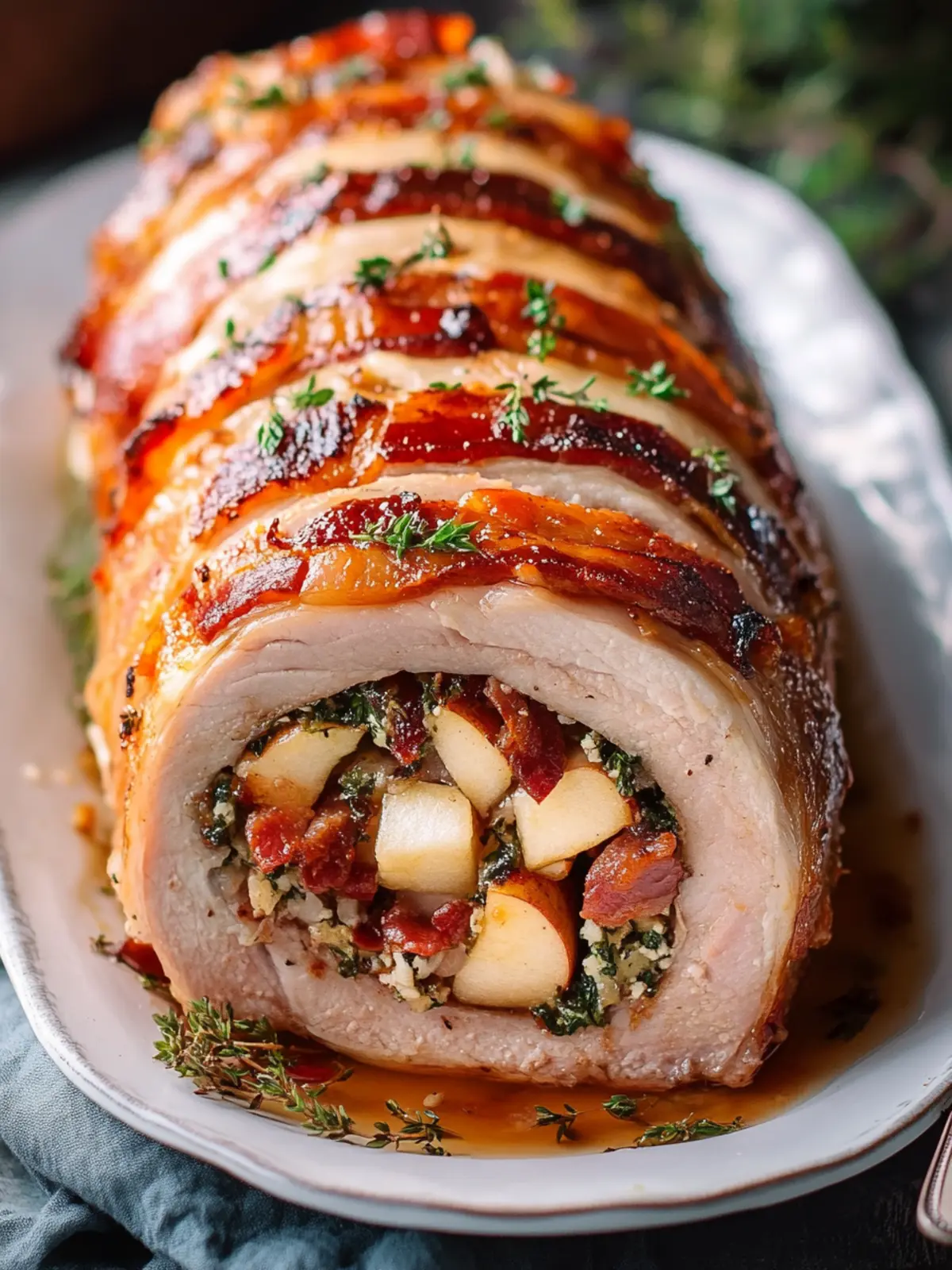
An apple bacon pie is a dessert that combines sliced apples, brown sugar, and warm spices with crispy rendered bacon and a rich, buttery crust. The bacon's smokiness and saltiness cut through the sweetness of fruit and sugar, creating a complex, balanced flavor profile that elevates traditional apple pie into a sweet and savory baked dish.
Understanding the Science Behind Sweet and Savory Flavor Pairing
Combining sweet fruit with salty pork might seem unconventional for traditional dessert bakers, but it relies on established culinary principles of flavor balance and contrast. Human taste receptors detect five primary tastes: sweet, salty, sour, bitter, and umami. A traditional double-crust apple pie relies heavily on sweetness, acidity from tart apples, and aromatic spices like cinnamon and nutmeg. Introducing bacon brings two additional key dimensions to the dessert: heavy umami (savoriness from cured pork amino acids) and dynamic saltiness.
The salt in bacon acts as a natural flavor enhancer. When combined with sucrose in brown sugar and fructose in apples, salt suppresses bitterness while amplifying the perception of sweetness without making the dish sickly sweet. Meanwhile, smoke compounds in hardwood-cured bacon—such as guaiacol and syringol—introduce earthy, aromatic notes that pair naturally with warm baking spices like clove, allspice, and cardamom.
- [ Sweet & Acidic ] Apples (Fructose/Malic Acid) + Brown Sugar
- Dynamic Flavor Balance (Suppresses Bitterness, Amplifies Aroma)
- [ Salty & Smoky Umami ] Rendered Bacon + Cured Pork Amino Acids
However, bringing bacon into a pie structure presents physical and chemical challenges during baking. Bacon contains a high percentage of rendered fat and moisture, which can break emulsions, liquefy pie fillings, and destroy the delicate starch matrix of a pastry crust. Understanding how to manage fruit moisture alongside pork fat is essential to executing an apple bacon pie with a crisp crust and cohesive filling.
Key Ingredients and Flavor Dynamics
Achieving the right balance between crisp apples, smoky bacon, and tender pastry requires careful ingredient selection. Not every apple variety or bacon cut will withstand high oven heat while maintaining structural integrity.
Selecting the Right Apple Varieties
The ideal apple filling requires structural resistance to baking heat, balanced acidity, and controlled moisture release. Soft dessert apples like Red Delicious or McIntosh break down into sauce when baked, creating a mushy interior that absorbs excess pork fat and turns greasy.
- Granny Smith: The primary anchor for any sweet-savory pie. Granny Smith apples feature high malic acid levels and firm cell walls (pectin structures) that retain bite even after an hour in the oven. The sharp tartness cuts through heavy bacon fat.
- Honeycrisp: Honeycrisp apples contribute natural floral sweetness and firm, juicy pockets. When combined with Granny Smith, they provide a multi-layered sweetness that balances the intense salt of cured bacon.
- Braeburn or Pink Lady: These varieties offer a complex spice note with balanced sugar and acid levels. They bake down slightly softer than Granny Smith, filling microscopic gaps between apple slices without collapsing the pie dome.
Using a 60/40 ratio of firm, tart apples (Granny Smith) to firm, sweet apples (Honeycrisp or Pink Lady) creates a balanced moisture profile and complex taste structure.
Choosing and Prepping the Bacon
The cut and curing process of the bacon directly dictates the pie's final texture and flavor.
- Cut Thickness: Always select thick-cut bacon (approximately 1/8-inch thick). Thinly sliced bacon dissolves or turns rubbery when baked inside a steam-filled pie shell, whereas thick-cut pieces maintain a crisp, toothsome texture.
- Cure Type: Applewood-cured or hickory-smoked bacon works best. Avoid heavily flavored commercial bacons coated in synthetic black pepper, maple glaze, or mesquite smoke, as these artificial flavorings can overpower the natural taste of cooked apples.
- Pre-rendering Requirement: Never add raw bacon directly into a pie filling. Raw bacon releases massive amounts of grease and water during baking, liquefying the pie bottom and resulting in a soggy, uncooked crust bottom. Bacon must be par-cooked until light golden brown and crisp-tender, allowing the excess fat to render out before assembly.
Sweeteners, Thickeners, and Complementary Spices
Traditional pie recipes rely heavily on granulated white sugar. However, an apple bacon pie benefits from deeper, caramelized sugars and complementary savory herbs:
- Dark Brown Sugar & Maple Syrup: Dark brown sugar contains molasses, which mirrors the caramel notes of cooked bacon fat. Real Grade A dark maple syrup adds a woody, mineral sweetness that bridges the gap between fruit and meat.
- Starch Thickeners: Tapioca starch or cornstarch is necessary to gel both the released apple juices and small amounts of lingering bacon fat. Tapioca starch produces a clear, glossy gel that remains stable at warm serving temperatures without turning gummy.
- Spices and Herbs: Beyond standard cinnamon and nutmeg, incorporating fresh thyme leaves, fresh cracked black pepper, or a pinch of cayenne pepper enhances the savory qualities of the bacon without distracting from the sweet pie profile.
The Crust: Incorporating Bacon Fat into Pastry
A standard all-butter pie dough yields a tender, flaky crust, but substituting a portion of the butter with chilled, rendered bacon fat introduces an aromatic, savory dimension to the pastry shell itself.
| Standard All-Butter Dough | Bacon-Fat Hybrid Dough |
|---|---|
| • 100% Unsanded Butter | • 75% High-Fat Butter |
| • Light, Sweet Flakiness | • 25% Chilled Bacon Fat |
| • Standard Dessert Profile | • Savory Aroma, Crisper Bite |
The Physics of Fat in Pie Dough
Pie crust relies on solid fat pockets suspended within flour and water matrices. As the pie bakes, water evaporates from the fat, creating steam pockets that lift flour layers into flaky leaves.
Pure rendered bacon fat has a lower melting point than high-fat European butter. If used as 100% of the pastry fat, the dough becomes soft, difficult to roll, and greasy. The optimal ratio is 75% unsalted butter to 25% clarified, chilled bacon fat.
Pastry Fat Ratio = 75% Chilled Unsalted Butter + 25% Rendered & Filtered Bacon Fat
Clarifying and Chilling Bacon Fat for Baking
To make bacon fat suitable for pastry dough:
- Render Slowly: Fry thick-cut bacon over medium-low heat to render fat without scorching it.
- Filter Impurities: Pour the liquid fat through a fine-mesh sieve lined with cheesecloth to remove stray protein solids that could scorch in a hot oven.
- Solidify: Pour filtered liquid fat into a clean jar and refrigerate until completely solid and firm (at least 4 hours).
- Incorporate Cold: Cube the solid bacon fat alongside cold butter and cut it into the flour until pea-sized crumbs form, proceeding with standard cold-water pie dough procedures.
Step-by-Step Baking Guide
Executing an apple bacon pie requires precise prep timing so ingredients do not become lukewarm or overly saturated before entering the oven.
Ingredients List
For the Bacon-Fat Infused Pastry:
- 2 ½ cups (300g) all-purpose flour
- 1 tbsp granulated sugar
- 1 tsp fine sea salt
- 12 tbsp (170g) unsalted butter, cold and cubed
- 4 tbsp (55g) rendered bacon fat, chilled solid
- 6 to 8 tbsp ice water
For the Apple Bacon Filling:
- 8 thick-cut bacon strips (approx. 10–12 oz)
- 3 Granny Smith apples, peeled, cored, and sliced 1/4-inch thick
- 3 Honeycrisp apples, peeled, cored, and sliced 1/4-inch thick
- 1/3 cup packed dark brown sugar
- 2 tbsp pure maple syrup
- 2 tbsp tapioca starch (or cornstarch)
- 1 tsp ground cinnamon
- 1/4 tsp ground nutmeg
- 1/4 tsp ground black pepper
- 1 tbsp fresh lemon juice
- 1 egg + 1 tbsp water (for egg wash)
Step 1: Prepare the Bacon Components
Place thick-cut bacon strips in a cold skillet over medium heat.
Cook until fat renders out and bacon is crisp-tender—do not fry until bone-dry or brittle, as it will dry out further in the pie.
Transfer cooked strips to a paper towel-lined plate to drain thoroughly.
Reserve 4 tablespoons of clean rendered fat for the crust (if making from scratch) and cool completely in the refrigerator.
Once cooled to room temperature, chop the drained bacon into 1/2-inch lardons or bite-sized pieces.
[ Raw Thick Bacon ]
( Render over Medium Heat )
[ Drain on Paper Towels ]
[ Chop into 1/2" Lardons ]
Step 2: Prepare and Macerate the Apples
Slice peeled and cored apples uniformly into 1/4-inch slices. Uniformity ensures even baking so no individual slice turns to mush while others stay hard.
Place apple slices in a large mixing bowl. Toss with 1 tablespoon of fresh lemon juice to prevent enzymatic browning and add acidity.
In a separate small bowl, whisk together brown sugar, tapioca starch, cinnamon, nutmeg, and black pepper.
Sprinkle sugar-spice mixture over apples. Add maple syrup and toss gently until all slices are coated.
Let macerate for 15 minutes. If an excessive amount of liquid pools at the bottom of the bowl (more than 1/4 cup), strain off the excess to preserve the crust structure.
[ Uniform Apple Slices ]
( Lemon Juice Toss )
( Add Sugar, Starch & Spices )
[ Macerate 15 Mins ]
Step 3: Dough Roll-Out and Assembly
- Roll out half of the chilled pie dough on a lightly floured surface into a 12-inch circle.
- Transfer dough into a 9-inch deep-dish pie pan, pressing gently into the bottom corners without stretching the dough.
- Scatter one-third of the chopped, par-cooked bacon across the bottom of the raw pie shell. This creates an initial savory layer that absorbs fruit dripping during baking.
- Add half of the macerated apple mixture, pressing down gently to remove air pockets.
- Scatter the second third of chopped bacon over the apples.
- Layer the remaining apples over top, building a slight mound in the center to support the top crust structure.
- Finish by sprinkling the remaining bacon across the top apple layer.
- Top Pastry Crust
- Bacon Layer (1/3) + Top Apples
- Bacon Layer (1/3) + Bottom Apples
- Bottom Bacon Layer (1/3)
- Bottom Pastry Shell
Step 4: Top Crust, Ventilation, and Baking
- Roll out second half of dough into an 11-inch disc or cut into strips for a lattice design. A lattice crust is ideal for savory fruit pies, as it allows maximum steam evaporation from fat and fruit.
- Place top crust over filling, trim excess dough to a 1/2-inch overhang, and crimp edges securely to seal bottom and top crusts together.
- Cut 4 to 5 ventilation slits in the center if using a full top crust.
- Whisk egg and 1 tablespoon water together; brush lightly over dough to promote browning.
- Bake at 400°F (204°C) for 20 minutes to set dough structure, then lower oven temperature to 375°F (190°C) and bake for another 35 to 45 minutes.
- The pie is done when the crust is deep golden-brown and fruit juices bubble thick and slowly near center vents.
Technical Comparison of Apple Bacon Pie Variations
Adjusting bacon types, cheeses, and sweeteners can shift an apple bacon pie across the sweet-savory spectrum. The comparison table below highlights common architectural approaches:
| Recipe Variant | Key Structural Ingredients | Flavor Profile Balance | Moisture Risk Level | Best Crust Pairing |
|---|---|---|---|---|
| Classic Sweet-Smokey | Granny Smith, Honeycrisp, Applewood Bacon, Brown Sugar, Cinnamon | 60% Sweet / 40% Savory | Medium (Manage via tapioca starch) | 75/25 Butter-Bacon Fat Crust |
| Cheddar & Bacon Savory | Granny Smith, Maple Bacon, Sharp White Cheddar, Fresh Thyme | 40% Sweet / 60% Savory | Low-Medium (Cheese adds oil; reduce butter) | All-Butter Crust with Shredded Cheddar woven in |
| Bourbon Maple Bacon | Braeburn, Bourbon Glazed Thick Bacon, Dark Maple Syrup, Pecans | 70% Sweet / 30% Savory | High (Liquid bourbon requires longer bake time) | All-Butter Lattice Crust for steam escape |
| Salted Caramel Bacon | Granny Smith, Crispy Thick Bacon, Salted Caramel Drizzle | 80% Sweet / 20% Savory | High (Caramel thins when heated; increase starch) | Standard All-Butter Double Crust |
Preventing Common Baking Failures
Combining fruit liquid and animal fat increases the risk of baking mishaps. Addressing structural risks early ensures consistent results.
| Issue | Cause | Solution |
|---|---|---|
| Soggy Bottom | Raw Bacon Fat & Fruit Moisture | Par-cook bacon fully & macerate fruit 15 mins |
| Greasy Dough | Low Fat Melting Point | Chill dough 30 mins before baking |
| Chewy Bacon | Thin Cut Bacon | Use 1/8" thick-cut bacon |
Eliminating Soggy Bottom Crusts
The dreaded "soggy bottom" occurs when liquids settle at the bottom of the pie plate before the starch gels or the bottom crust bakes through.
- Preheat a Baking Sheet: Place a heavy rimmed baking sheet or baking stone on the lowest oven rack while preheating. Setting the pie plate directly onto this hot sheet transfers rapid, direct heat to the bottom crust, crisping the dough before fruit juices soak in.
- Use Glass Pie Dishes: Tempered glass dishes allow bakers to visually verify that the bottom crust has turned golden brown before removing the pie from the oven.
Managing Grease Separation
If bacon fat is not fully rendered during prep, it can break away from the sugar-starch slurry during baking, forming an oily pool on top of the pie.
- Proper Starch Ratios: Increase starch slightly (up to 3 tablespoons for extra-juicy apples) when adding savory fats. Starch emulsifies small quantities of residual lipid droplets into the fruit gel.
- Cooling Time Is Mandatory: Slicing into a hot apple bacon pie immediately after removing it from the oven causes warm fats and ungelled starches to run out onto the plate. Allow the pie to rest on a wire rack for at least 3 to 4 hours at room temperature. This resting period allows starches to set fully and lipids to stabilize.
Storage and Reheating Guidance
Because apple bacon pie contains cooked meat, storage rules differ slightly from standard fruit pies.
- Room Temperature: A freshly baked apple bacon pie can remain safely covered at room temperature for up to 12 hours.
- Refrigeration: For storage beyond 12 hours, cover the pie loosely with foil or store sliced portions in airtight containers in the refrigerator for up to 4 days.
- Reheating: Never microwave whole slices of bacon pie if crisp crust texture is desired; microwaving turns both bacon and crust rubbery. Reheat individual slices in an oven or toaster oven preheated to 350°F (175°C) for 10 to 12 minutes until warmed through and crisp.
- Freezing: Freezing fully baked apple bacon pie is not recommended, as freezing alters the cellular wall structure of cooked bacon and baked apples, leading to a watery texture upon thawing.
Frequently Asked Questions
Can raw bacon be added directly into the pie filling to save time?
No, raw bacon should never be put straight into a pie filling. Raw bacon releases substantial amounts of liquid fat and water as it cooks, which will saturate the uncooked dough, create an oily filling, and leave the bacon with a rubbery texture. Always par-cook bacon until crisp-tender and drain off excess fat before assembly.
Can pre-cooked store-bought bacon bits be used instead?
Pre-cooked commercial bacon bits are generally too thin, dry, and salty for pie fillings. They lack the interior meat texture needed to contrast with soft apples and often turn hard and tough during a long bake. Thick-cut bacon rendered fresh produces significantly better results.
Does apple bacon pie require refrigeration after baking?
Yes, because the pie contains meat products (bacon lardons), it should be refrigerated if kept for more than 12 hours. Store covered in the refrigerator for up to 4 days and reheat in an oven to crisp the crust before serving.
How do I prevent the bacon from overpowering the apple flavor?
To prevent bacon from overwhelming the fruit, maintain proper proportions: use approximately 6 medium-to-large apples (about 2 to 2.5 pounds) to 8 ounces (8 strips) of thick-cut bacon. Using tart Granny Smith apples ensures that acid cuts through the heavy bacon profile, keeping flavors balanced.
What ice cream or toppings pair best with apple bacon pie?
Vanilla bean ice cream is the classic pairing, as its cool sweetness softens the savory smoke of the bacon. Warm salted caramel sauce, a drizzle of pure maple syrup, or a slice of melted sharp white cheddar cheese also complement the sweet-and-savory profile.
Final Culinary Recommendations
Making an apple bacon pie relies on balancing contrast: matching tart, crisp apples against rich, smoky bacon, and binding them in a sturdy pastry crust. To ensure consistent results on your first attempt:
- Stick to Thick-Cut Bacon: Ensure the bacon retains texture after a 60-minute bake.
- Par-Cook and Drain Thoroughly: Render out excess grease to protect the crust integrity.
- Mix Apple Varieties: Pair 60% Granny Smith with 40% Honeycrisp or Pink Lady to balance tartness, sweetness, and structure.
- Allow Proper Rest Time: Let the pie cool for a full 3 to 4 hours after baking so starches can gel and fats can stabilize before slicing.
Following these structural principles yields a dessert with balanced layers of sweet fruit, warm spices, and savory bacon in every slice.