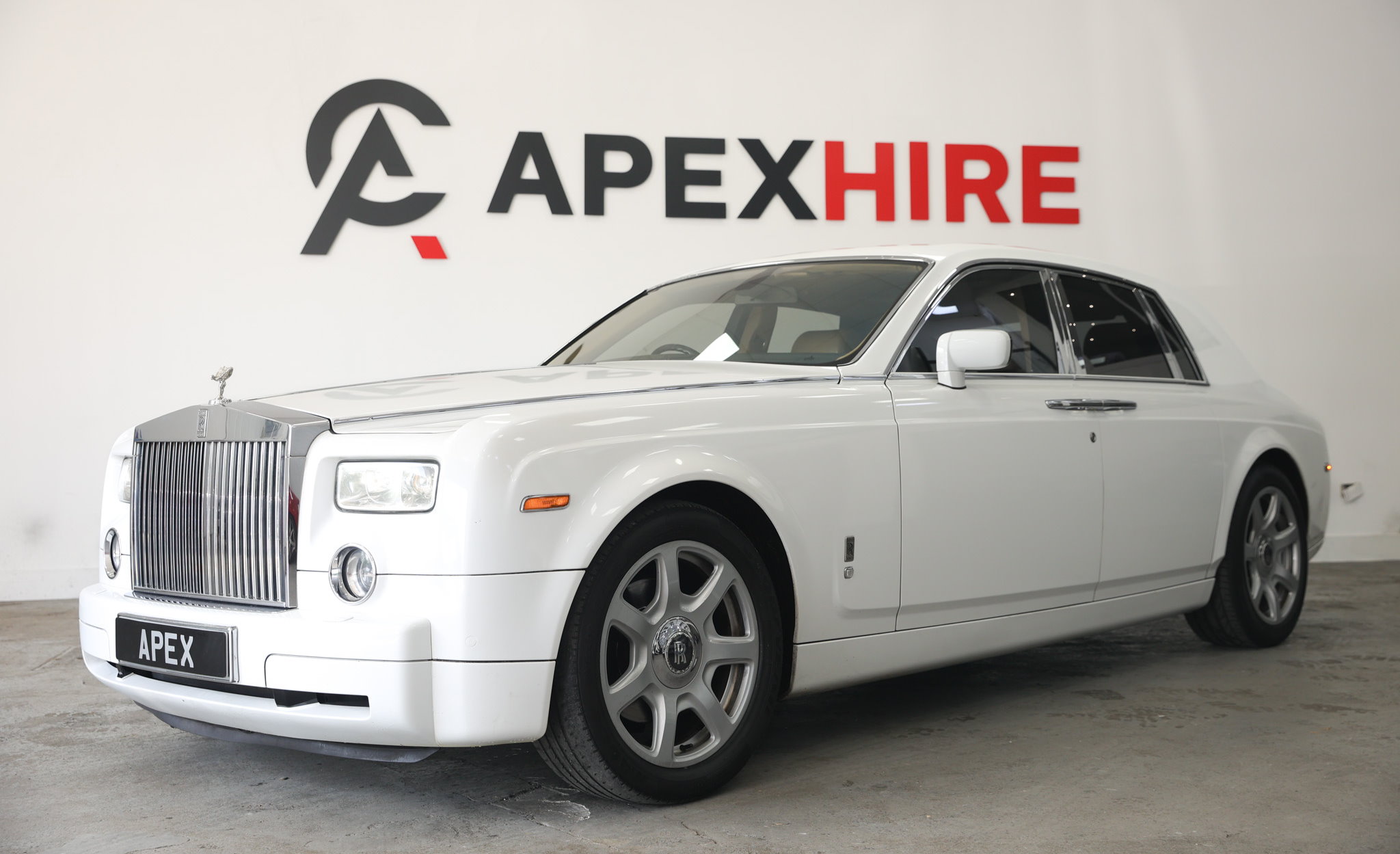
Apex Car Rental provides budget-conscious travelers with a cost-effective alternative to on-terminal airport vehicle hire at Brisbane Airport (BNE). By operating from an off-site depot connected via a complimentary shuttle bus, Apex eliminates high airport concession fees, offering low daily rates, included additional drivers, and simple excess reduction options for exploring Queensland.
Overview of Apex Car Rental at Brisbane Airport
Renting a vehicle upon arrival in Brisbane requires balancing convenience, vehicle selection, and overall cost. Located just outside the primary terminal perimeter, Apex Car Rental operates an off-terminal business model designed to undercut the premium pricing associated with rental desks situated directly inside Brisbane Airport’s Domestic and International terminals.
Apex, an established rental brand across Australia and New Zealand operating under the Avis Budget Group umbrella, maintains a standalone focus on value-driven consumer rentals. By hosting its vehicle fleet at a dedicated off-site depot, Apex avoids the heavy airport concession recovery fees passed on to consumers by on-terminal providers. For travelers, this setup translates to competitive daily rental rates, transparent fee structures, and standardized inclusions such as zero additional driver fees.
This service strategy particularly suits leisure travelers, families, long-term visitors, and interstate workers who do not mind a brief 7- to 10-minute shuttle ride in exchange for lower total hire costs. Understanding how the service operates—from terminal collection protocols to liability coverages—ensures a seamless arrival and departure experience in South East Queensland.
Brisbane Airport Transfer and Shuttle Protocol
Because Apex does not maintain physical customer service desks inside the Brisbane Airport terminal buildings, the company operates a dedicated, complimentary shuttle bus service that transports arriving passengers directly between the terminals and the Apex depot.
- BRISBANE AIRPORT ARRIVAL
- Collect Checked Baggage & Call Apex Shuttle Dispatch
- Proceed to Designated Off-Terminal Bus Pickup Area
- Domestic Terminal: Outdoor Bus Stop Precinct (Buses & Shuttles Zone)
- International Terminal: Ground Transport Zone (Level 1 Coach Area)
- Board Branded Shuttle Bus (Approx. 7-10 Minute Transit to Depot)
- Complete Counter Registration & Inspect Rental Vehicle
Arriving at the Domestic Terminal
Upon collecting your checked luggage, call the local Apex Brisbane depot using the phone number provided in your booking confirmation. Terminal regulations prevent off-site shuttle buses from idling at the curb, so vehicles are dispatched once passengers are ready with their luggage.
Walk outside the main terminal building toward the designated drop-off and pickup zone for off-airport shuttles. Follow the ground transport signage leading to the charter and shuttle bus shelter area located across the walkway from the main terminal exit. The branded Apex shuttle bus arrives within minutes of your call to load luggage and transport passengers to the nearby branch.
Arriving at the International Terminal
International arrivals must clear Australian Customs and Border Force inspections before requesting shuttle pickup. Once in the public arrivals hall, contact the Apex depot to confirm your readiness.
Follow the directional overhead signage toward Ground Transport and Coaches located on Level 1. Descend via the escalators or travelators to the covered bus pickup bays. Wait at the designated shuttle stop zone where the driver will load your baggage into the shuttle van or trailer.
Returning Your Vehicle to the Depot
When returning your vehicle at the end of the rental period, drive directly to the off-site Apex depot rather than the airport terminal car parks. After completing the vehicle return inspection and handing over the keys, the depot staff transfers you and your luggage back to your specified terminal aboard the return shuttle.
Allow an extra 30 to 45 minutes prior to your recommended airline check-in window. This buffer accounts for vehicle drop-off processing, luggage transfer, and potential highway traffic along Kingsford Smith Drive or the Gateway Motorway during peak commuting hours.
Driver Requirements, Licence Policies, and Age Restrictions
Apex enforces specific eligibility standards regarding driver licensing, age, and payment authorization to meet Australian insurance and regulatory mandates. Reviewing these rules in advance avoids delays or potential booking cancellations at the service counter.
| APEX DRIVER ELIGIBILITY SUMMARY | Details |
|---|---|
| Minimum Age | 21 years of age (standard categories) |
| Licence Type | Full, unrestricted licence (held for min. 12 months) |
| Overseas Licences | Physical licence in English OR valid IDP with original |
| Digital Licences | Accepted (State-issued); physical fallback recommended |
| Additional Drivers | Included at no extra daily charge (must register at desk) |
Minimum Age Criteria
The standard minimum age to rent a vehicle from Apex in Brisbane is 21 years. Unlike many traditional legacy rental companies that impose substantial daily "young driver surcharges" on individuals under 25, Apex maintains a consistent pricing model. However, vehicle category access for younger drivers may be restricted; higher-capacity minivans or specialty vehicles may require drivers to be at least 25 years old.
Licence Acceptance and Translations
All drivers must present a current, physical driver’s licence that has been held for a minimum of 12 months without suspension.
- Australian & New Zealand Drivers: State-issued digital driver's licences (such as the Queensland or NSW Digital Driver Licence) are widely accepted, though carrying a physical card is highly recommended to eliminate potential verification delays.
- International Drivers: If your licence is written in English, you simply need to present your valid home-country licence alongside your passport. If your home licence is in a language other than English, you must present an official International Driving Permit (IDP) alongside your original national licence, or an accredited official English translation performed by a certified authority (such as NAATI in Australia).
Provisional (P-Plate) Licences
Apex generally requires drivers to hold a full, unrestricted driver’s licence. Holders of Provisional (P1 or P2) licences or Learner permits are typically ineligible to rent or be registered as authorized additional drivers under standard rental agreements. Always verify current policy exceptions directly with the branch prior to booking if traveling on a provisional licence.
Free Additional Driver Inclusion
A distinguishing feature of Apex is its standard policy allowing additional drivers to be registered on the rental agreement without incurring a daily surcharge. Every additional driver must meet all age and licence requirements and must present their physical licence at the counter to be verified before taking the wheel.
Fleet Categories and Vehicle Selection
Apex maintains a diverse vehicle fleet tailored to city commuting, long-distance highway travel, and family vacations. While specific makes and models cannot be guaranteed, vehicles are assigned from standardized fleet classes.
| Category | Sample Models | Passengers | Ideal Usage Scenario |
|---|---|---|---|
| Economy | Toyota Yaris, Swift | 4 Adults | Urban trips, inner-city park |
| Compact | Toyota Corolla, Hyundai | 5 Adults | Suburban commute, solo travel |
| Intermediate | Camry, SUV Compact | 5 Adults | Coastal cruising, mid-trips |
| Full-Size SUV | Toyota RAV4, X-Trail | 5 Adults | Family luggage, long tours |
| 8-Seater Van | Kia Carnival, Staria | 8 Adults | Group travel, multi-gen trip |
Small and Compact Hatchbacks
- Typical Models: Toyota Yaris, Suzuki Swift, Toyota Corolla Hatch, or similar.
- Suitability: Compact hatchbacks offer maximum fuel efficiency and agility. They are ideal for maneuvering through narrow inner-city streets such as Fortitude Valley, Paddington, and the Brisbane CBD, where street parking spaces can be tight. Storage is typically limited to two medium suitcases.
Mid-Size and Full-Size Sedans
- Typical Models: Toyota Corolla Sedan, Toyota Camry, or similar.
- Suitability: Sedans provide improved passenger legroom, smoother ride stability on highway corridors like the M1, and dedicated boot (trunk) space capable of carrying three to four standard suitcases. This makes them practical for business trips or couples taking extended driving tours along the Sunshine Coast.
Compact and Medium SUVs
- Typical Models: Mitsubishi ASX, Toyota RAV4, Nissan X-Trail, or similar.
- Suitability: Sport Utility Vehicles (SUVs) are the preferred choice for families. Elevated ride heights improve visibility when navigating unfamiliar roads, while flexible rear cargo space accommodates bulky items such as baby strollers, sports gear, and multiple large travel bags.
People Movers (Minivans)
- Typical Models: Kia Carnival, Hyundai Staria, or similar.
- Suitability: Designed for large family groups or travel parties of up to eight people, these vehicles offer configurable seating arrangements and high passenger comfort. Booking these well in advance is recommended during school holiday periods, as fleet availability in this category is constrained.
Insurance Coverage, Excess Reduction, and Security Bonds
Understanding financial liability, standard coverages, and excess reduction options is critical when renting a vehicle in Australia.
COVERAGE & OPTION COMPARISON
| FEATURE | INCLUDED STANDARD COVER | APEX ZERO RISK COVER |
|---|---|---|
| Financial Liability Risk | High Standard Excess ($3,000 - $4,500 typ.) | $0 Liability (Nil) |
| Windscreen & Tyre Protection | Excluded or Extra Cost | Fully Covered |
| Single-Vehicle Accidents | High Excess Applies | Covered |
| Credit Card Bond Hold | High Security Deposit | Minimal/Zero Bond Hold |
| Third-Party Property Damage | Covered (Subject to Ex.) | Covered |
Standard Liability (Included Base Cover)
Every Apex rental includes standard motor vehicle cover satisfying Australian legal requirements for third-party personal and property protection. However, standard cover carries a substantial financial Excess (also known as the deductible).
If the vehicle suffers damage, theft, or is involved in an accident, the primary renter is personally responsible for paying up to the maximum liability amount specified in the agreement—often ranging from $3,000 to $4,500 AUD depending on driver age and vehicle class—before insurance covers the remainder.
Excess Reduction (Zero Risk Cover)
Apex offers an optional daily waiver fee known as Zero Risk Cover (or Excess Reduction). Paying this daily fee reduces your damage excess from the standard thousands of dollars down to $0 AUD. Key benefits include:
- Comprehensive Protection: Eliminates out-of-pocket costs for bodywork scratches, panel dents, and multi-vehicle collisions.
- Windscreen and Tyre Cover: Includes repair or replacement costs for chipped windscreens and punctured tires, which are frequently excluded from standard base policies.
- Reduced Security Deposit: Opting for complete excess reduction drastically lowers or waives the security pre-authorization hold required on your credit card during pick-up.
Credit Card Pre-Authorizations and Security Deposits
When picking up the vehicle, the primary driver must present a physical credit card (Visa or Mastercard) in their name.
- With Standard Excess: Apex places a temporary pre-authorization hold on your credit card matching the full excess amount or a high deposit fee. These funds are locked and unavailable for spending throughout your trip until the vehicle is returned undamaged.
- With Zero Risk Cover: A minimal hold (or nominal security deposit) is processed, freeing up your personal credit limit for holiday travel expenses.
- Debit Card Usage: Visa and Mastercard debit cards are often accepted for payment, but using a debit card under standard liability may involve a direct cash deduction for the security bond that is refunded only after post-rental processing.
Critical Coverage Exclusions
No rental protection plan covers intentional misconduct or severe negligence. Liabilities remain 100% uninsurable under the following conditions:
- Water Submersion: Driving through flooded creeks, storm waters, or tidal zones.
- Underbody & Overhead Damage: Hitting low-clearance car park structures, tree branches, or damaging the underside of the chassis on unsealed tracks.
- Unsealed Roads: Operating non-4WD rental vehicles on unpaved public roads, fire trails, or beaches.
- Incorrect Fuel Usage: Filling a petrol engine with diesel or vice-versa.
- Unauthorized Drivers: Allowing an unlisted individual to operate the vehicle.
Cost Comparison: Apex vs. On-Terminal Airport Operators
Evaluating rental value requires assessing both the upfront daily rate and downstream add-on charges.
| Feature / Fee Component | Apex Car Rental (Off-Terminal) | Traditional On-Terminal Brands |
|---|---|---|
| Location Premium | None (Base depot location) | High (Airport Premium Location Fee added) |
| Terminal Transfer | Free express shuttle bus (7–10 mins) | Direct walk from arrival lounge |
| Additional Driver Surcharge | $0 (Included free for eligible drivers) | $5 to $15 AUD per day per driver |
| Young Driver Fee (21–24) | Low or integrated into standard terms | $25 to $40 AUD per day extra surcharge |
| Base Excess Liability | Standard liability limit applies | High standard liability ($4,000+) |
| Toll Management | Electronic auto-billing plus small admin fee | Electronic auto-billing plus daily admin fee |
| Fleet Age Average | Slightly older / late-model well-maintained | Newer / current-year model range |
By sacrificing the immediate convenience of walking directly from the gate to an airport parking bay, renters using off-terminal providers like Apex often realize 20% to 40% net savings on overall trip expenses, particularly on multi-day hires or itineraries requiring multiple drivers.
Driving in Brisbane and South East Queensland
Operating a vehicle in Queensland requires familiarity with local traffic regulations, toll road networks, and regional navigation protocols.
- BRISBANE AIRPORT HUB
- M1 HIGHWAY SOUTHBOUND
- Destination: Gold Coast / NSW
- Travel Time: ~1 Hour 10 Mins
- M1 HIGHWAY NORTHBOUND
- Destination: Sunshine Coast
- Travel Time: ~1 Hour 20 Mins
- M1 HIGHWAY SOUTHBOUND
Toll Road Networks in Brisbane
Brisbane features an extensive cashless electronic toll road network managed primarily by Linkt. Major toll routes surrounding Brisbane Airport include:
- AirportLinkM7: Underground tunnel connecting the airport precinct directly to Brisbane’s inner northern suburbs and the Clem7 tunnel.
- Gateway Motorway (M1): Bypasses inner-city congestion when traveling north to the Sunshine Coast or south to the Gold Coast.
- Clem7 & Legacy Way Tunnels: Connects northern and western corridors while avoiding city surface traffic.
How Apex Handles Tolls: Apex vehicles are equipped with automated license plate recognition or electronic e-tags linked to the fleet account. When you pass through a toll gantry, you do not stop to pay cash. Instead, Linkt records the toll transaction, and Apex charges the incurred toll fees plus a minor administrative processing fee directly to your credit card after your rental period concludes.
Fuel Refueling Strategy Near Brisbane Airport
Apex requires vehicles to be returned with the same level of fuel as recorded upon collection (typically a full tank). To avoid refueling surcharges, stop at a service station near the airport depot before returning the car:
- Kingsford Smith Drive: Multiple service stations (BP, Shell Coles Express, 7-Eleven) operate along Kingsford Smith Drive in Eagle Farm and Hendra.
- Nudgee Road Precinct: Serviced by major fuel retail outlets with 24/7 access.
- Skygate Centre Precinct: Fuel stations located within the Brisbane Airport grounds near the Direct Factory Outlets (DFO) offer convenient last-minute top-ups before heading to the drop-off depot.
Regional Travel Boundaries and Guidance
While renting a car in Brisbane unlocks access to major regional tourist hubs, pay close attention to geographic restrictions in your agreement:
- Paved Roads Only: Sealed highway driving between Brisbane, the Sunshine Coast, Noosa, the Gold Coast, and Byron Bay is standard. Standard rental vehicles must remain on sealed asphalt at all times.
- Islands & Ferries: Taking standard rental cars onto vehicle ferries to Stradbroke Island (Minjerribah) or Moreton Island (Mulgumpin) requires explicit clearance. While sealed roads on Stradbroke Island may be accessible via ferry, driving on beaches, unsealed dirt tracks, or sand tracks is strictly prohibited.
- K'gari (Fraser Island): Standard rental cars are 100% prohibited from crossing onto K'gari, which requires high-clearance 4WD vehicles and specialized off-road insurance.
Frequently Asked Questions
How far is the Apex shuttle pickup point from the Brisbane Airport arrivals hall?
The shuttle pickup areas are situated outside the main terminal buildings. At the Domestic Terminal, the shuttle shelter is a 2- to 3-minute covered walk from the baggage hall. At the International Terminal, the pickup zone is located on Level 1 in the Ground Transport Coach area, accessible via escalators or elevators. The shuttle ride to the off-site depot takes approximately 7 to 10 minutes depending on local traffic.
Does Apex Car Rental Brisbane allow provisional (P-plate) drivers?
No. Apex requires all drivers to hold a full, unrestricted driver’s licence held for a minimum of 12 consecutive months. Provisional (P1 or P2) licence holders and Learner permit holders are not permitted to rent or operate Apex vehicles.
How are tolls handled with Apex Car Rental in Brisbane?
All Apex vehicles are registered with electronic tolling systems. When passing through any cashless toll point across Queensland or Australia (such as the AirportLinkM7 or Gateway Motorway), tolls are electronically logged. Apex automatically charges your registered credit card for the cost of the tolls plus a nominal daily administrative fee after vehicle return.
What security deposit or bond is required when picking up a car at Apex Brisbane?
If you select the standard rental option with basic liability, Apex places a pre-authorization hold on your credit card for the full standard excess amount (which can range from $3,000 to $4,500 AUD). If you purchase Zero Risk Cover (excess reduction), the financial excess drops to $0 AUD, and the credit card deposit hold is reduced to a nominal security pre-authorization.
Can I drop off my Apex rental car after operating hours?
After-hours returns must be arranged directly with the Apex Brisbane branch prior to drop-off. The process typically involves parking the vehicle in a designated depot bay, recording the final mileage and fuel gauge level, and dropping the keys into a secure key drop box. You must arrange alternative transport (such as a rideshare service or taxi) to the airport terminals if dropping off outside shuttle operating hours.
Summary Recommendation and Next Actions
For travelers arriving at Brisbane Airport who want to maximize their budget without sacrificing vehicle quality, Apex Car Rental offers a reliable alternative to high-priced airport terminal desks.
Recommended Booking Checklist:
- Compare Total Pricing: Evaluate full rental costs—including additional driver fees and toll administration—rather than focusing solely on initial daily rates.
- Review Protection Options: Consider selecting Zero Risk Cover to eliminate financial excess liability and lower the credit card security bond required at check-in.
- Organize Documentation: Ensure you carry a valid physical driver’s licence (plus an IDP or certified translation if applicable), a passport (for international travelers), and a matching credit card in the primary driver's name.
- Buffer Return Timelines: Plan to return your vehicle to the Hendra/Eagle Farm off-site depot at least 45 minutes earlier than standard terminal drop-off times to comfortably allow for shuttle transit and luggage unloading.