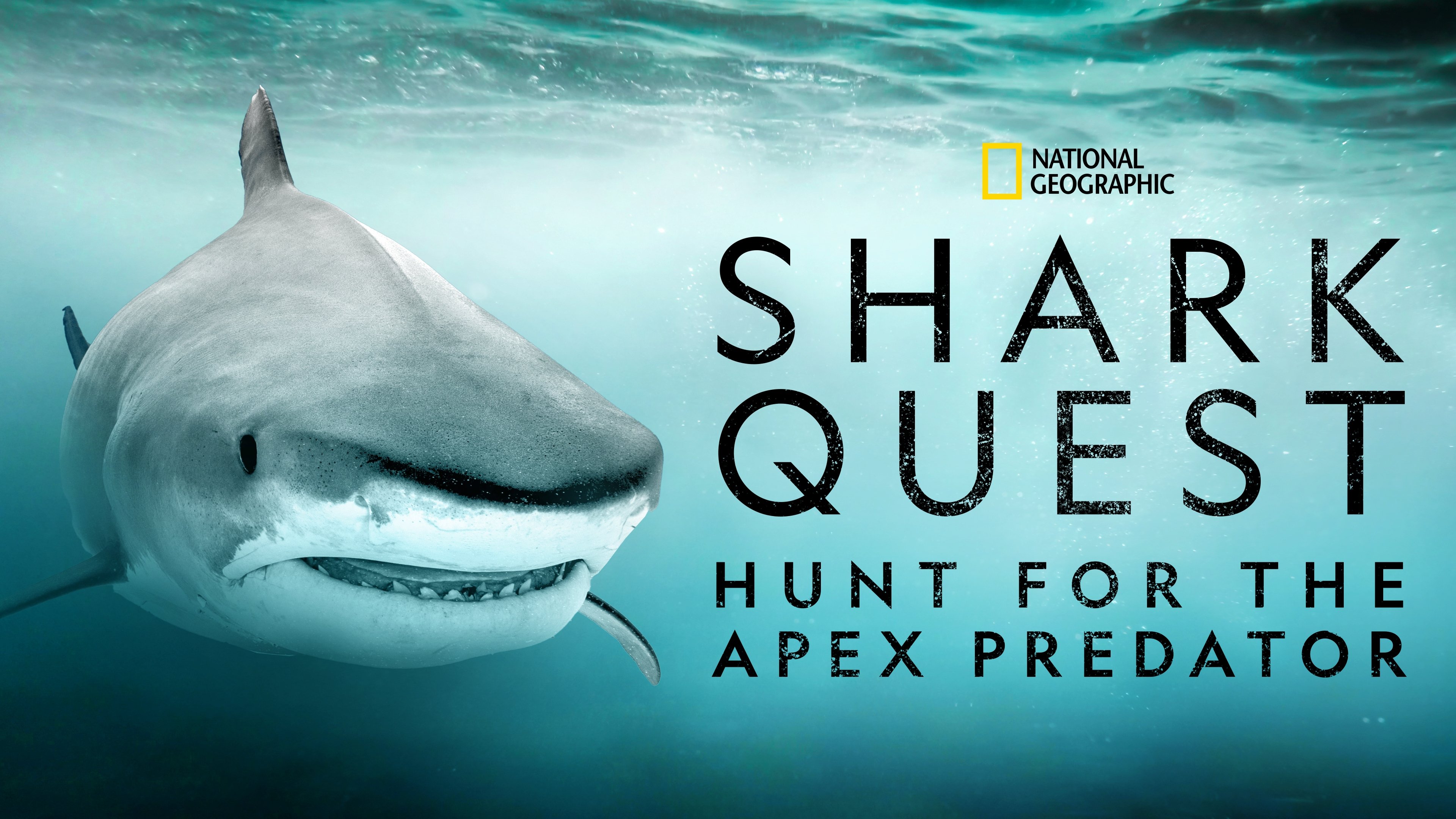
Niche apex predator movies succeed by swapping high-budget computer-generated visual effects for spatial claustrophobia, practical tension, and grounded human survival tactics. Critical evaluation of a niche creature feature requires analyzing how effectively the film uses environmental constraints, realistic animal behavior, precise sound design, and suspenseful pacing to overcome modest production budgets.
The Anatomy of the Apex Predator Subgenre
The apex predator film occupies a distinct cross-section between environmental horror, survival thriller, and creature feature cinema. Unlike supernatural horror—where the antagonist operates outside the laws of physics—or slasher films driven by human malice, the apex predator movie grounds its antagonist in the brutal simplicity of nature. The threat is not evil; it is hungry, territorial, or protecting its young.
This subgenre relies on a fundamental psychological vulnerability: the displacement of modern humans from the top of the food chain. When characters are stripped of technological advantages, structural shelter, and communication networks, an encounter with a shark, bear, crocodile, lion, or pack of wolves tests basic human survival instincts.
While major studio productions occasionally tackle this premise with massive budgets, the subgenre flourishes in niche, independent, and straight-to-video/video-on-demand (VOD) environments. Niche releases face severe financial constraints, forcing filmmakers to prioritize narrative economy, spatial geography, and psychological tension over constant creature reveals. Studying these niche releases offers valuable insight into how genre directors manage tone, visual effects, and audience expectations without blockbuster backing.
Historical Context: From Blockbusters to Niche Indie Survival Features
To evaluate modern niche apex predator movies, one must understand their cinematic evolution. Steven Spielberg’s Jaws (1975) established the template for natural predator horror. Crucially, mechanical malfunctions with the animatronic shark forced Spielberg to keep the creature hidden for most of the runtime, relying instead on John Williams’s iconic score, point-of-view camera shots, and reactive acting to generate terror.
In the decades that followed, studio cinema split into two distinct directions:
- High-Budget Spectacle: Films like Deep Blue Sea (1999), The Meg (2018), and Beast (2022) leveraged digital visual effects, high-profile casts, and heightened reality.
- Niche & Independent Realism: Lower-budget entries like Open Water (2003), Rogue (2007), The Reef (2010), The Grey (2011), and Crawl (2019) embraced physical environments, minimalist storytelling, and claustrophobic isolation.
Niche releases cannot afford continuous digital spectacle. Instead, they rely on suspense mechanics developed in early thriller cinema: limiting visual line-of-sight, maximizing environmental hazards, and building psychological friction among human survivors.
Critical Evaluation Framework for Niche Creature Features
When reviewing a niche apex predator film, standard film metrics (such as star power or elaborate set pieces) rarely apply. Critics and audience members should assess these titles using four foundational criteria designed specifically for low- to mid-budget survival cinema.
Niche Apex Predator Film Evaluation Framework:
- Creature Integration
- Spatial Geography
- Character Survival Logic
- Audio Architecture
1. Creature Integration and Visual FX Strategy
Niche releases live or die by how they present their animal antagonist. Independent budgets rarely allow for flawless, photo-realistic computer-generated imagery (CGI). A critical evaluation must examine whether the director understood their visual limitations:
- Obfuscation Techniques: Does the camera hide low-budget CGI through dark water, dense foliage, murky lighting, or brief, high-impact cuts?
- Practical vs. Digital Balance: Does the film utilize real wildlife footage, practical animatronic limbs, or physical props for close-ups while reserving digital models for wide action shots?
- Anatomical Consistency: Does the creature move and hunt like a biological organism, or does it violate gravity and momentum like a monster movie caricature?
2. Spatial Geography and Isolation Dynamics
In a low-budget predator movie, the environment functions as a co-antagonist. Effective films establish strict spatial boundaries early in the narrative:
- Clear Environmental Rules: The audience must understand the physical space—a rising tide, a submerged basement, a isolated rock outcropping, or an impenetrable forest canopy.
- Proximity Tension: Suspense builds when the distance between the survivor and the predator is clear. If the audience understands that crossing twenty feet of open water means entering the predator's strike zone, every movement carries weight.
3. Character Motivation and Survival Logic
A major flaw in lower-tier niche horror is reliance on the "idiot plot"—where conflict occurs solely because characters make unmotivated, absurd choices.
- Believable Vulnerability: Survivors should end up stranded through plausible accidents, mechanical failures, or natural disasters rather than sheer incompetence.
- Resourcefulness: Viewers connect with characters who utilize their surroundings logically, crafting makeshift weapons, analyzing animal patterns, and prioritizing basic survival needs.
4. Audio Architecture and Tension Pacing
When visual effects budgets are limited, sound design takes center stage. A critical examination should assess:
- Diegetic Soundscapes: The use of splashing water, cracking branches, heavy breathing, and low animal growls to signal impending danger.
- Silence as a Weapon: Knowing when to cut the musical score entirely, forcing the audience to strain their ears alongside the protagonist.
Studio Blockbusters vs. Niche Independent Creature Features
Comparing mainstream studio projects with independent niche releases highlights the tactical choices filmmakers make based on available resources:
| Evaluation Dimension | High-Budget Studio Release | Niche / Independent Release |
|---|---|---|
| Average Production Budget | $40 Million – $150+ Million | $500,000 – $15 Million |
| Primary Visual Effect Strategy | Full-scale digital renders, extensive green/blue screen sets | Hybrid practical props, atmospheric masking, limited CGI |
| Pacing & Action Style | Fast-paced, frequent set pieces, high body counts | Slow-burn tension, localized survival, low body counts |
| Environmental Setting | Expansive, varied locations, open ocean, futuristic facilities | Confined environments: single boat, flooded room, isolated rock |
| Character Archetypes | Action heroes, specialized scientists, high-profile leads | Everyday individuals, tourists, local guides, estranged relatives |
| Threat Scale | Mutated, prehistoric, giant, or hyper-aggressive beasts | Standard or slightly territorial wild apex animals |
| Replay Value Source | Visual spectacle and thrilling action Sequences | Psychological tension, realistic survival tactics, atmosphere |
Deconstructing Common Narrative Tropes and Flaws
While high-performing niche releases achieve impressive tension, the subgenre often suffers from predictable narrative conventions. Identifying these tropes helps distinguish routine cash-ins from genuine cinematic achievements.
The Overuse of Forced Trauma Backstories
A modern trend in low-budget survival cinema is equipping the main character with an unresolvable personal tragedy—usually the recent loss of a parent or spouse. While character depth is essential, lower-tier releases frequently pause high-stakes survival scenarios for lengthy, inorganic exposures of personal grief. In the best niche releases, character arcs reveal themselves through action and survival decisions rather than heavy-handed dialogue while taking shelter in a cave or tree.
The Anatomically Impossible Animal
Niche movies often struggle with balancing biological reality against dramatic threat levels. Common missteps include:
- Relentless Malice: Predators sacrificing their own energy and risking injury to stalk human prey across land and water, ignoring natural feeding behaviors.
- Superhuman Resilience: Animals taking multiple gunshot wounds, deep lacerations, or explosions without showing physical exhaustion or disorientation.
When an animal behaves like an unkillable supernatural slasher, the core appeal of the natural predator subgenre—grounded, environmental reality—is lost.
Overreliance on Cheap Jump Scares
Low-budget directors frequently rely on abrupt audio stingers paired with sudden camera cuts—a fish splashing, a bird flying into frame—to shock the viewer. High-quality niche cinema builds dread (the anticipation of an attack) rather than relying exclusively on startle responses (shock from sudden loud noises).
Anatomy of a Standout Niche Release: What Works
When a low-budget apex predator film hits the mark, it typically exhibits three major creative decisions:
High-Performing Niche Feature Model:
- Spatial Economy: Single location, tangible danger zones
- Practical Realism: Focus on human limits & physical injuries
- High-Stakes Countdown: Rising tides, failing batteries, blood loss
- Spatial Economy: The film confines the narrative to a single, easily understood location. By restricting movement, the director turns a low budget into an asset. The audience visualizes the entire space, measuring the distance to safety along with the protagonist.
- Practical Realism: The film focuses on human physical limits—hypothermia, dehydration, sunburn, blood loss, and exhaustion. These grounded hazards make animal attacks far more threatening because the protagonist is already physically compromised.
- High-Stakes Timers: Natural elements impose strict deadlines. A rising tide that will submerge a safe haven, a fading flashlight, or an approaching storm forces characters to take calculated risks, creating natural narrative momentum without requiring expensive action scenes.
How Viewers and Critics Should Assess VOD Releases
Finding hidden gems among independent creature features requires looking past promotional posters and surface-level synopses. Follow this practical framework to evaluate a release:
- Examine the Crew Credential Baseline: Check if the director or cinematographer has a background in camera work, practical visual effects, or documentary filmmaking. Technical crew members transitioning to directing often manage physical spaces and creature lighting far better than novice directors.
- Evaluate the Setting Concept: Does the premise rely on a single, tight location (e.g., stranded on a rock, trapped in a cellar, stuck up a tree) or does it promise global destruction? Tight premises almost always yield better results on independent budgets.
- Assess the Sound Design: Pay attention to the audio mix in the opening fifteen minutes. Clear environmental audio, understated scoring, and crisp foley work usually signal a high standard of overall post-production quality.
- Identify the Visual Strategy Early: If the movie reveals its full digital creature in bright sunlight within the first ten minutes, budget limitations will likely become glaringly obvious later on. If the creature remains shadowed, submerged, or off-screen early, the filmmakers likely understand how to build suspense within their financial limits.
Frequently Asked Questions
What defines an "apex predator movie" versus a traditional monster film?
An apex predator movie features real-world animals (or realistic biological equivalents like prehistoric ancestors) hunting within their natural habitats or altered ecosystems. A traditional monster film involves supernatural entities, mutated monstrosities with fantastical abilities, or alien creatures that do not follow biological rules.
Why do low-budget apex predator movies often feel more intense than studio blockbusters?
Low-budget movies cannot rely on endless digital effects or constant action sequences. They are forced to emphasize spatial isolation, character vulnerability, spatial awareness, and suspenseful buildup. This creates a grounded sense of danger that feels more immediate than CGI-heavy studio action scenes.
What is the biggest mistake independent filmmakers make in this subgenre?
The most common mistake is showing a low-budget CGI creature too clearly and too early. Over-exposing flawed visual effects breaks the audience's suspension of disbelief. Directors who keep the threat hidden in murky water, shadows, or brush retain narrative tension much longer.
How do real-world animal behaviors differ from how predators are portrayed in films?
In real life, wild apex predators rarely stalk humans relentlessly, as humans are not their natural prey. Most real-world animal attacks are defensive, territorial, or opportunistic due to illness or starvation. Movies dramatically exaggerate predatory persistence, aggression, and hunting stamina to heighten dramatic stakes.
Final Recommendation and Next Actions
Evaluating niche apex predator cinema requires shifting focus away from expensive digital effects toward structural storytelling, spatial awareness, and practical tension. When choosing or reviewing an independent creature feature, seek out titles that embrace environmental constraints, respect basic animal biology, and rely on subtle sound design rather than cheap jump scares.
For film enthusiasts looking to explore the best of independent survival horror:
- Focus on Location-Bound Thrillers: Prioritize releases centered on localized, single-location survival scenarios (such as isolated reefs, flooded structures, or remote towers).
- Track Independent Genre Festivals: Keep an eye on indie film festivals like Overlook, Fantasia, or Sitges, which frequently premiere tightly crafted creature features before they hit digital VOD platforms.
- Analyze the Technical Craft: On your next viewing, pay close attention to how lighting, camera angles, and sound editing hide budget limitations to construct genuine environmental dread.