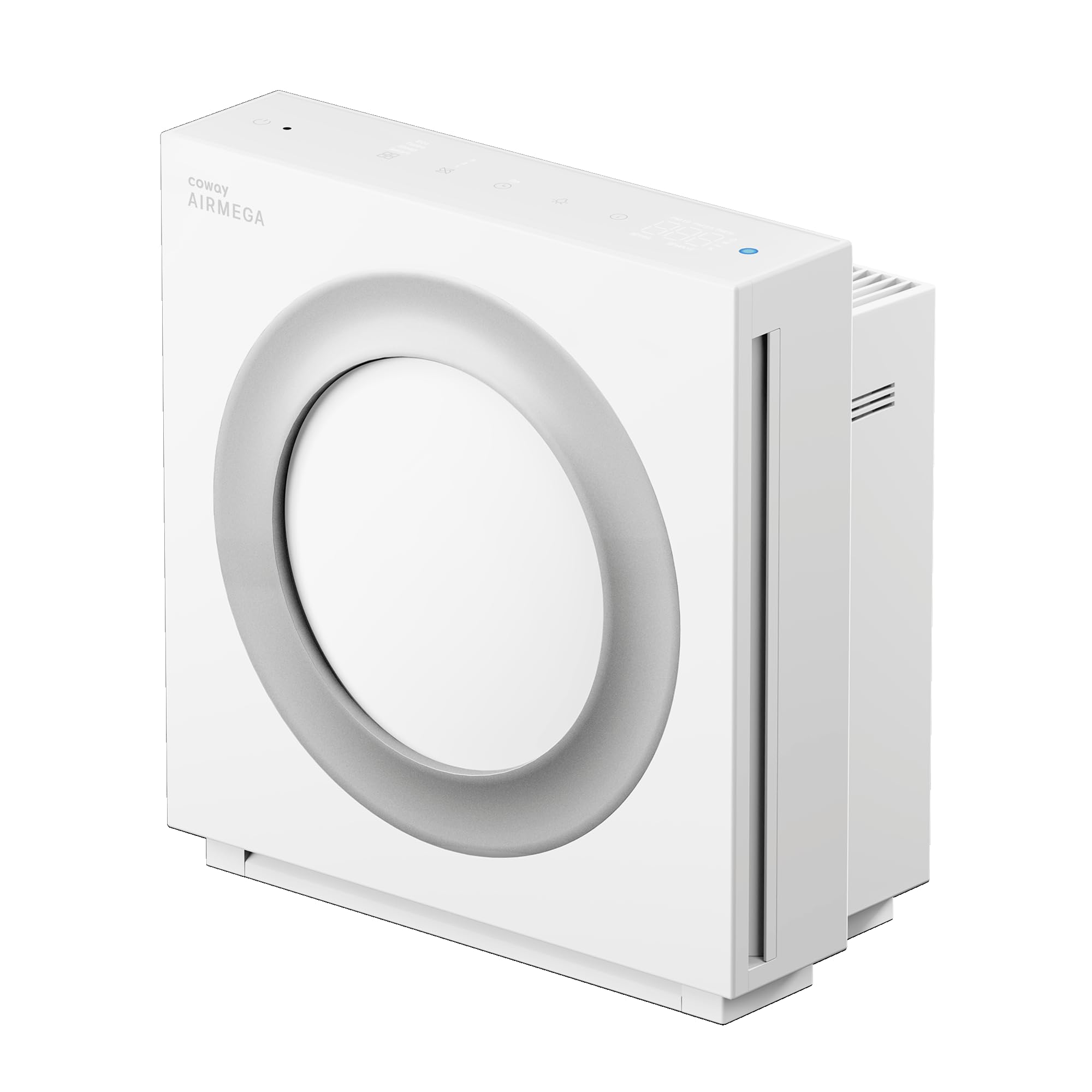
Air purifiers equipped with true High-Efficiency Particulate Air (HEPA) filters and activated carbon can effectively capture airborne mold spores, mitigating indoor allergy symptoms, but they do not eliminate active mold colonies or solve underlying moisture problems. Addressing an indoor mold issue requires a comprehensive approach that combines proper mechanical air filtration with humidity control, source remediation, and adequate ventilation to ensure lasting indoor environmental quality.
Understanding Mold and Mildew: The Indoor Environment
Mold and mildew are types of fungi that reproduce by releasing microscopic spores into the air. While these spores are an unavoidable part of both indoor and outdoor environments, elevated concentrations indoors can trigger adverse health effects, including allergic reactions, asthma attacks, and respiratory irritation.
The distinction between mold and mildew is frequently blurred, but understanding their physical characteristics helps homeowners identify and target contamination. Mildew typically appears as a flat, powdery growth that is white, gray, or yellowish, often found on damp surfaces like shower walls, paper, or clothing. Mold generally presents a fuzzy or slimy texture, appearing in shades of green, black, brown, or red, and tends to penetrate deeper into porous materials such as drywall, carpeting, and wood.
Airborne mold spores travel easily through ventilation systems, open doors, and windows, eventually settling on indoor surfaces. When these spores encounter moisture, organic matter, and oxygen, they germinate and colonize. Therefore, managing indoor air quality regarding fungi involves both capturing airborne spores before they settle and eliminating the environmental conditions that allow them to multiply. According to the United States Environmental Protection Agency (EPA), controlling indoor moisture is the key to controlling indoor mold.
How Air Purifiers Interact with Mold Spores
To evaluate the utility of air filtration, it is necessary to examine how air purifiers function against microscopic biological particles. Mold spores typically range from 1 to 30 micrometers in diameter. While this is larger than many airborne bacteria or viruses, it is small enough to remain suspended in indoor air currents indefinitely until they settle or are drawn into an HVAC system or standalone air purifier.
The Role of HEPA Filtration
The cornerstone of effective particulate air purification is the true HEPA filter. Defined by industrial standards, a true HEPA filter must capture 99.97% of airborne particles down to 0.3 micrometers in size. Because most mold spores fall well above this 0.3-micrometer threshold, a certified HEPA filter captures them with high efficiency as air passes through the unit's media.
However, consumers must understand the mechanical limitations of filtration. An air purifier is a passive device; it can only filter the air that passes directly through its intake. It cannot reach into wall cavities, behind wallpaper, underneath flooring, or inside HVAC ductwork where colonies frequently thrive. Consequently, while an air purifier reduces the concentration of circulating spores, it functions strictly as a supplementary control measure rather than a standalone remediation tool.
Activated Carbon and Chemical Off-Gassing
In addition to particulate filters, many advanced air purifiers incorporate activated carbon stages. Mold and mildew metabolism produces Microbial Volatile Organic Compounds (mVOCs), which are gases responsible for the distinct musty, earth-like odor associated with damp spaces.
While HEPA filters capture solid mold spores, they allow gases and VOCs to pass through unchecked. Activated carbon features a vast network of microscopic pores treated to adsorb these chemical compounds, neutralizing the unpleasant odors associated with active fungal growth.
Key Features to Look for in Mold-Targeting Air Purifiers
Selecting the appropriate hardware requires evaluating specific engineering specifications rather than relying on marketing terminology. Manufacturers frequently use ambiguous terms like "HEPA-type" or "HEPA-like," which do not meet official standards and may allow microscopic spores to bypass the filtration medium.
| Filter / Technology | Primary Function | Consideration for Mold and Mildew |
|---|---|---|
| True HEPA (H13/H14) | Captures airborne particulate matter (spores, dust, pollen). | Essential; traps 99.97% of spores down to 0.3 microns. |
| Activated Carbon | Adsorbs gases, odors, and mVOCs. | Highly recommended; neutralizes musty odors produced by active mold growth. |
| UV-C Light | Neutralizes biological pathogens via ultraviolet radiation. | Optional; effective only with adequate dwell time inside the unit. |
| Ionizers / Ozone Generators | Charges particles to drop them out of the air or chemically react. | Avoid; can generate hazardous ozone, a known respiratory irritant. |
Clean Air Delivery Rate (CADR) and Room Sizing
The Clean Air Delivery Rate (CADR), established by the Association of Home Appliance Manufacturers (AHAM), measures the volume of filtered air delivered by an air purifier, expressed in cubic feet per minute (CFM). Higher CADR ratings indicate faster air turnover, which is critical in damp environments where spore generation is continuous.
When calculating the required CADR for a damp basement, bathroom, or living area, verify that the unit's recommended square footage matches or exceeds the dimensions of the space. For optimal performance in rooms prone to high humidity, select a unit with a CADR rated for a space slightly larger than the actual room dimensions to account for continuous spore generation.
Avoiding Ozone-Generating Technologies
A critical safety consideration when selecting air purification equipment for mold and mildew is the exclusion of ozone generators. Some marketed air cleaners intentionally produce ozone—a reactive form of oxygen—under the guise of sanitizing the air or eliminating musty odors.
Health authorities, including the California Air Resources Board (CARB) and the EPA, advise against using ozone-generating air cleaners in occupied spaces. Ozone is a potent respiratory irritant that can exacerbate asthma, cause coughing, throat irritation, and permanently damage lung tissue, all while proving ineffective at permanently destroying mold sources.
Comprehensive Remediation: Air Purifiers Versus Dehumidifiers
A frequent point of confusion for consumers is determining whether they require an air purifier or a dehumidifier to resolve mold problems. These devices serve completely distinct functions and address different phases of the moisture-fungus cycle.
The Mechanics of Dehumidification
Mold and mildew cannot grow, germinate, or spread without moisture. Relative humidity levels consistently above 60% create an ideal microenvironment for fungal proliferation. Dehumidifiers actively extract moisture from the air, lowering relative humidity to safe thresholds (typically recommended between 30% and 50% by the Harvard T.H. Chan School of Public Health).
By reducing relative humidity, a dehumidifier stops active mold colonies from growing and prevents new spores from germinating. However, standard dehumidifiers do not clean the air; they lack fine particulate filters capable of trapping existing airborne spores that have already detached from colonies.
Integrating Both Technologies
For spaces prone to chronic moisture—such as basements, crawlspaces, or poorly ventilated bathrooms—relying on a single device type is often insufficient.
- Source Identification and Elimination: Fix plumbing leaks, repair roof infiltrations, and grade exterior soil away from foundations.
- Moisture Extraction: Deploy a appropriately sized dehumidifier to drive relative humidity below 50%.
- Physical Cleaning: Scrub existing hard-surface mold colonies using water and detergent, ensuring the area is completely dried afterward. Porous materials heavily infested with mold (such as drywall or insulation) typically require professional removal and replacement.
- Air Filtration: Operate a true HEPA air purifier in the space to capture residual airborne spores stirred up during cleaning or liberated from inaccessible areas.
Practical Placement and Maintenance Protocols
Even the highest-rated air purification equipment will underperform if improperly positioned or neglected during routine upkeep. Maximizing the lifespan and efficacy of a filtration unit requires strict adherence to operational guidelines.
Optimal Positioning
Air purifiers rely on unobstructed airflow dynamics. Placing a unit directly against a wall, behind furniture, or inside a tight corner severely restricts its intake capacity and reduces overall room air circulation.
- Central Placement: Position the unit in the primary breathing zone of the room, ideally away from corners and heavy drapery.
- Proximity to Sources: In spaces where dampness is localized—such as near a laundry room or basement utility sink—place the unit downwind of the airflow pattern to capture spores before they disperse throughout the entire home.
- Closed Windows and Doors: Running an air purifier while windows remain open to humid outdoor air forces the unit to process an endless stream of external pollen, dust, and moisture-laden air, prematurely clogging the filters.
Maintenance and Filter Replacement Schedules
Unlike standard dust particles, trapped organic matter like mold spores can colonize filter media if exposed to sustained high humidity inside the unit itself. This presents a maintenance challenge unique to damp environments.
- Pre-Filter Cleaning: Vacuum or wash mesh pre-filters every two to four weeks to remove large hair, dust, and debris that can trap moisture against the finer internal layers.
- HEPA Filter Inspection: Inspect HEPA filters visually every few months. If discoloration, musty odors emanating directly from the unit, or physical degradation occurs, replace the filter immediately regardless of the manufacturer's nominal lifespan timeline.
- Continuous Operation: In chronic moisture environments, running the air purifier continuously on a medium or low fan speed prevents stagnant air pockets from forming inside the housing, reducing the likelihood of secondary mold growth within the device.
Common Misconceptions Regarding Air Purifiers and Mold
The marketplace features various claims regarding air purification technologies, leading to common operational misconceptions among consumers.
- Myth: An air purifier kills mold on walls. Air purifiers capture particles suspended in the air stream. They possess no biological agents or physical mechanisms to scrub, eradicate, or reverse mold colonization established on structural building materials.
- Myth: HEPA filters eliminate the need for moisture control. Filtering existing spores provides temporary relief for allergy sufferers, but without resolving the root moisture source, new colonies will continuously generate millions of replacement spores.
- Myth: All air purifiers remove mold odors. Units relying solely on basic particle filtration will continue to circulate musty smells unless they include an activated carbon adsorption stage or an equivalent odor-neutralization technology.
Frequently Asked Questions
Can an air purifier completely get rid of a mold problem in a house?
No. An air purifier can only filter airborne spores that pass directly through its filters. It cannot eliminate mold colonies growing on walls, subfloors, or inside HVAC ducts, nor can it stop mold from growing if indoor humidity remains high. Permanent resolution requires fixing the moisture source, cleaning existing mold, and lowering relative humidity.
What CADR rating do I need for a mold-prone basement?
You should select an air purifier with a Clean Air Delivery Rate (CADR) that matches or exceeds the square footage of your basement. For enhanced protection against continuous spore generation, choose a unit rated for a room size 20% to 30% larger than the actual floor area to ensure rapid air turnover.
Do UV-C lights in air purifiers kill mold spores?
Ultraviolet-C (UV-C) light can neutralize biological pathogens, including mold spores, provided the spores are exposed to the light at sufficient intensity and for an adequate duration (dwell time). However, many consumer air purifiers feature rapid airflow speeds that limit UV-C effectiveness, making a certified true HEPA filter the primary mechanism for spore removal.
How often should HEPA filters be replaced in a damp environment?
In high-humidity environments, HEPA filters should typically be inspected every three months and replaced every 6 to 12 months, or sooner if a persistent musty odor emanates from the unit. High humidity combined with organic dust can cause biological growth within the filter media itself.
Can running an air purifier make mold allergies worse?
An air purifier will not worsen allergies unless it is severely neglected. If a filter becomes heavily saturated with mold spores and is exposed to high internal humidity without replacement, it can potentially act as a breeding ground, releasing concentrated spores back into the room when the fan is activated.
Conclusion and Next Actions
Mitigating the impact of mold and mildew on indoor air quality requires a strategic, multi-tiered approach. While an air purifier equipped with a true HEPA filter and activated carbon is an effective tool for capturing airborne spores and neutralizing musty odors, it must be paired with active humidity control via dehumidifiers and prompt structural remediation. Homeowners experiencing persistent dampness should verify relative humidity levels with a hygrometer, correct any water intrusion points, and maintain clean filtration equipment to ensure a healthy indoor environment.