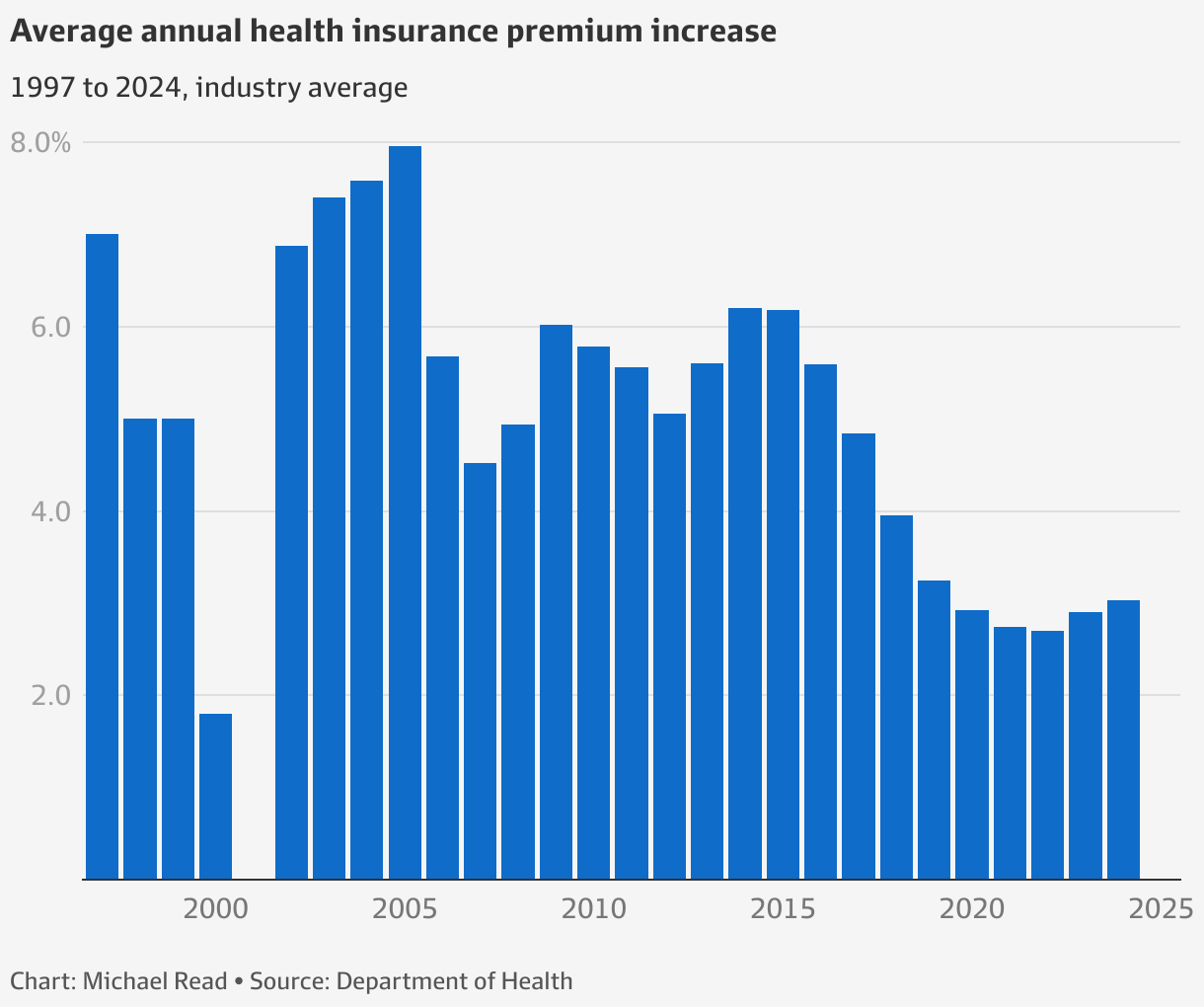
The 2019 health insurance premiums were characterized by a period of stabilization following years of significant volatility in the individual market. During this coverage year, many insurers that had previously exited the Patient Protection and Affordable Care Act (ACA) exchanges began to return or expand their service areas, resulting in more competitive pricing and a marginal softening of average premium increases across the United States.
The Landscape of the 2019 Insurance Market
To understand why 2019 health insurance premiums shifted in the way they did, one must examine the regulatory and economic environment of that time. By 2019, the insurance industry had moved past the initial, unpredictable years of ACA implementation. Insurers had adjusted their actuarial models to better account for the health risks of the pool of enrollees who purchased coverage through the Health Insurance Marketplace.
A critical factor influencing 2019 pricing was the federal government’s elimination of the individual mandate penalty, which took effect at the start of that year. Many analysts initially projected that this change would lead to a "death spiral" where healthy individuals would drop coverage, causing premiums to skyrocket. However, the data from the 2019 plan year suggested a different outcome. Because many insurers had already preemptively raised rates in 2018 to account for policy uncertainty, they found themselves with higher-than-expected margins by the time 2019 began. This "cushion" allowed for more stable, and in some regions, even lower premiums than in the previous year.
Factors Influencing Premium Fluctuations
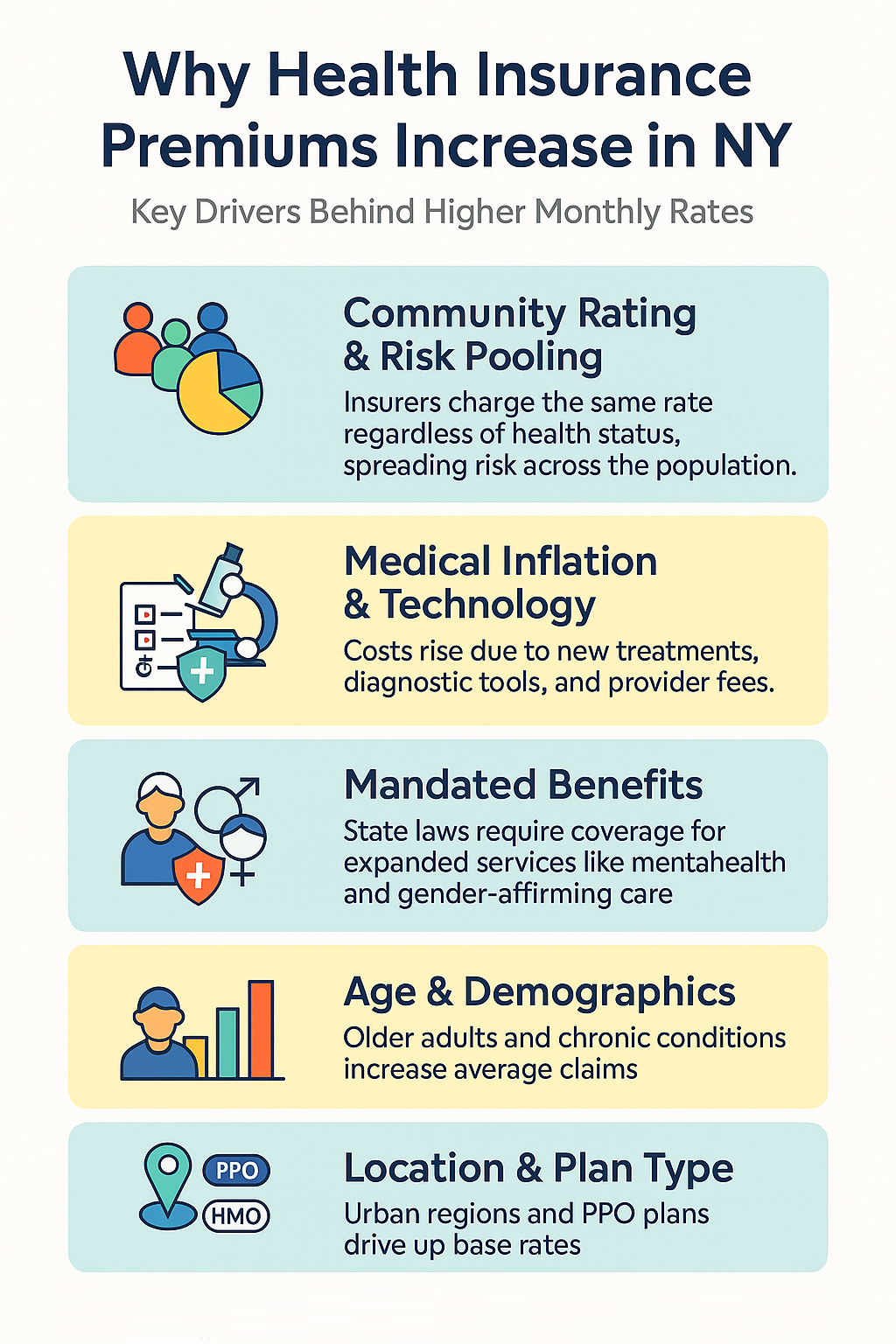
Health insurance premiums are never set in a vacuum. They are the result of complex calculations involving medical loss ratios, administrative costs, state-level mandates, and anticipated utilization of medical services. In 2019, several specific drivers influenced how much consumers paid for their monthly coverage.
1. Competitive Market Entry
In 2019, several national carriers that had scaled back their participation in the exchanges started to re-enter markets. Increased competition is a fundamental economic driver that tends to suppress premium growth. When multiple insurers compete for the same pool of enrollees in a specific county, they are incentivized to price their Silver and Bronze plans more aggressively to attract customers who are sensitive to price changes.
2. The Cost of Medical Services
Inflation in the healthcare sector—often driven by the cost of prescription drugs, advanced diagnostic technologies, and hospital consolidation—continued to put upward pressure on premiums. Even as insurer stability improved, the underlying cost of providing medical care did not decrease. Consequently, while the rate of premium growth slowed in 2019, the absolute costs of insurance remained significant for middle-income earners who did not qualify for premium tax credits.
3. State-Level Variations
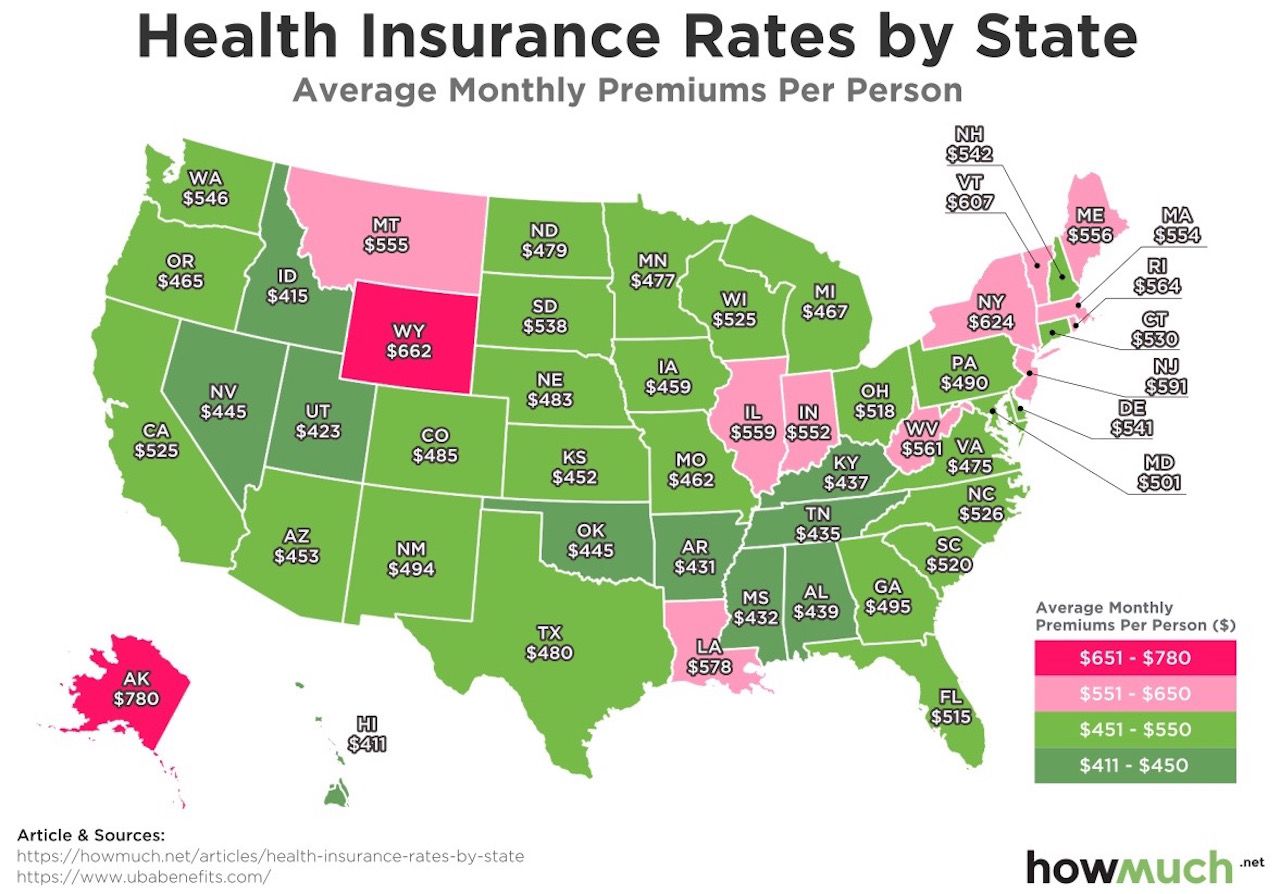
It is impossible to discuss 2019 health insurance premiums as a singular national metric. Insurance is regulated primarily at the state level. Some states had already established their own reinsurance programs by 2019. Reinsurance acts as a high-cost claim pool, where the state subsidizes the insurance companies for the most expensive patients. This significantly lowers the burden on the premiums charged to the general risk pool. States that successfully implemented these programs saw much lower 2019 premium increases compared to states that relied solely on federal mechanisms.
Comparative Dynamics: 2018 vs. 2019
The transition from 2018 to 2019 marked a pivotal moment for consumer choice. The following table illustrates the general trends observed across the ACA marketplace during this timeframe.
| Feature | 2018 Market Context | 2019 Market Context |
|---|---|---|
| Market Stability | High volatility; insurer exits | Greater stabilization; new entrants |
| Average Premium Change | Double-digit increases | Modest increase to slight decrease |
| Competition | Limited in rural counties | Increased provider participation |
| Individual Mandate | Active penalty | Penalty reduced to zero |
| Premium Tax Credits | Indexed to Silver plans | Adjusted to market shifts |
Analyzing the Impact on Consumers
For the average consumer, 2019 premiums represented a sigh of relief compared to the sharp spikes observed in 2017 and 2018. However, this stability was not experienced universally. The experience of the consumer depended heavily on two factors: their household income and their geographical location.
The Role of Advance Premium Tax Credits (APTC)
The structure of the ACA ensures that for lower-income households, the cost of premiums is effectively capped at a percentage of their income. Because the tax credit is pegged to the "benchmark" Silver plan in a given area, when premiums for those plans remained stable or decreased in 2019, the government subsidies also adjusted accordingly. For the millions of Americans who relied on these credits, the "sticker price" of the premium mattered less than the final net cost after the subsidy was applied.
The "Unsubsidized" Experience
The segment of the population most affected by 2019 insurance premiums was the group earning just above the subsidy eligibility threshold (typically 400% of the Federal Poverty Level). For these individuals, every percentage point of premium increase was felt directly. While the slowing of premium growth in 2019 helped mitigate some of the financial strain, these consumers often navigated "benchmark" changes where the most affordable plan in their region shifted from one carrier to another, necessitating a change in providers to maintain similar cost levels.
Common Misconceptions About 2019 Rates
One prevalent myth regarding 2019 health insurance premiums is that they were set primarily by federal administrative actions. While federal policy creates the framework, the actual premium rates are determined by a rigorous filing and review process.
Insurers must submit their proposed rates to state departments of insurance months before the open enrollment period begins. These regulators scrutinize the actuarial data to ensure that the premiums are "reasonable" and not excessive. If an insurer proposes a 10% increase, the state may challenge the assumptions used to reach that figure, potentially forcing a downward revision. Understanding that premiums were the result of state-level oversight is crucial for interpreting why rates varied so wildly between, for example, a consumer in Ohio versus a consumer in California.
Steps Taken to Manage Costs in 2019
During the 2019 plan year, informed consumers utilized specific strategies to manage the cost of their premiums, strategies that remain relevant for navigating annual open enrollment periods:
- Shopping During Open Enrollment: Data from 2019 showed that "passive" enrollees—those who allowed their plans to auto-renew—often saw their premiums increase significantly. Active shoppers who compared plans during the enrollment window were frequently able to find lower-cost options that had entered the market.
- Evaluating Metal Tiers: In 2019, many consumers shifted from Gold or Platinum plans to Silver plans to take advantage of the cost-sharing reductions (CSR) or to benefit from the way tax credits were calculated.
- Network Auditing: Because premiums are tied to the breadth of the provider network, some consumers opted for "narrow network" plans in 2019. These plans generally featured lower premiums in exchange for a restricted list of doctors and hospitals, a trade-off that became more common as insurers sought to control costs.
Frequently Asked Questions
Why did premiums stabilize in 2019 after years of rapid increases? Premiums stabilized because insurers had successfully adjusted their business models to account for the risk profile of the ACA marketplace. By 2019, the initial "shock" of the new risk pool had passed, and insurers had incorporated sufficient safety margins into their pricing in previous years, leading to a more predictable environment.
How did the removal of the individual mandate penalty affect 2019 rates? Contrary to initial fears that it would cause a mass exodus of healthy enrollees, the impact on 2019 premiums was muted. Most states had already accounted for the legislative shift, and because the penalty reduction was gradual, the effect on insurer risk pools was less disruptive than some economists predicted.
Did everyone see a decrease in their 2019 health insurance premiums? No. While the average national increase was modest compared to prior years, premium changes were highly localized. A consumer’s specific premium depended on their age, their local insurance market competition, the specific plan selected, and whether their state had implemented a reinsurance program.
How could a consumer find the best premium rates in 2019? The most effective way to secure the best rate was to update income information on the Marketplace portal. This ensured that the Advanced Premium Tax Credits were correctly calculated based on 2019 figures, providing the maximum possible reduction in monthly costs.
What is the difference between a premium and a deductible? The premium is the fixed monthly cost paid to maintain health insurance coverage, regardless of whether medical services are used. The deductible is the amount of money the insured must pay out-of-pocket for medical services before the insurance company begins to pay its share. In 2019, many plans featured higher deductibles to keep the monthly premiums more affordable.
Final Guidance for Policyholders
The period of 2019 serves as a valuable case study in insurance market resilience. It highlights that even in the face of significant policy uncertainty, competitive markets tend to find an equilibrium over time. For anyone reviewing their historical health insurance expenses, the most critical takeaway is the importance of active engagement. Whether dealing with the market conditions of 2019 or the present year, consumers who proactively compare plan offerings, verify their subsidy eligibility, and understand the relationship between their premium and their network coverage are consistently in a better position to manage their healthcare finances. If you are examining your past coverage for tax or records purposes, ensure you have your Form 1095-A, which details the premiums and the subsidies applied to your specific plan for the year.