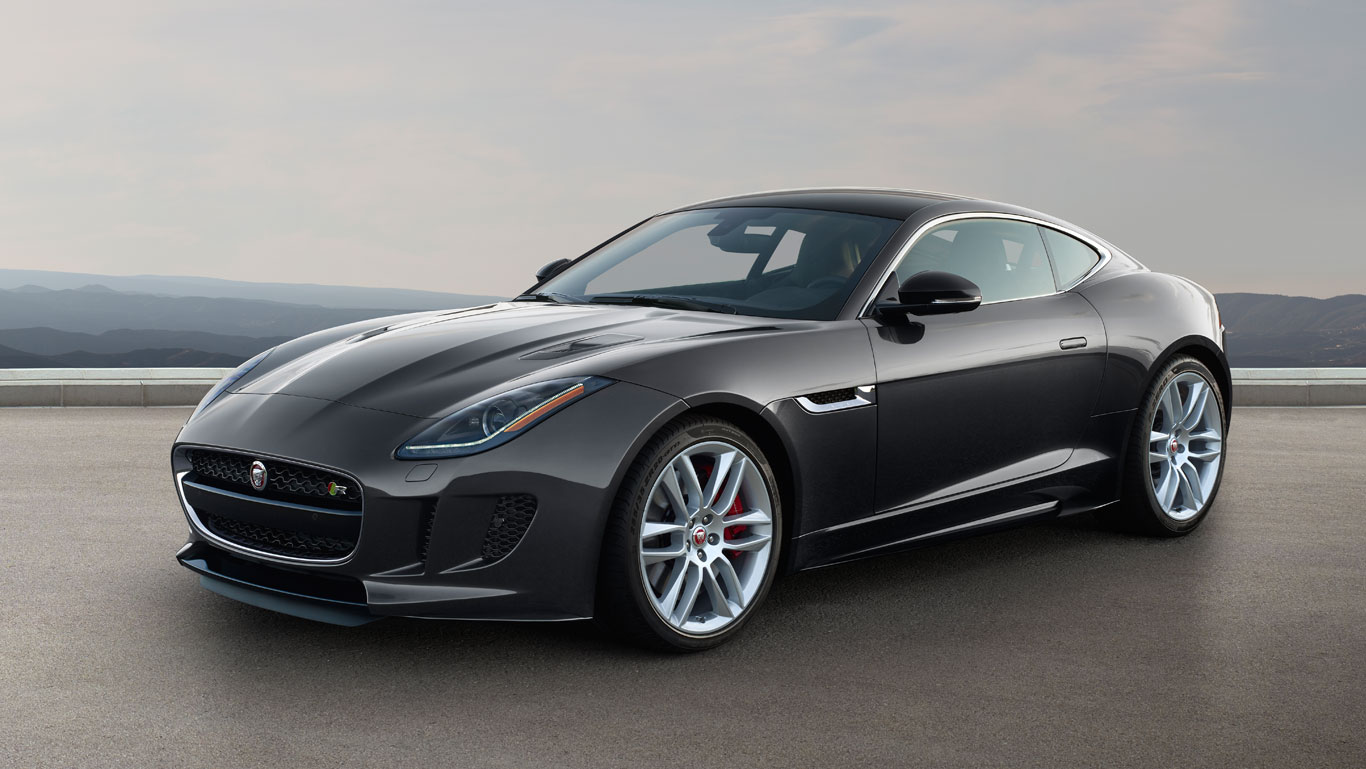
The 2016 Jaguar F-Type R AWD marked a pivotal evolution in the model's history, transitioning from a pure rear-wheel-drive "muscle car" to a sophisticated all-wheel-drive supercar. This update introduced standard AWD for the R trim, Electric Power Steering (EPAS), and enhanced infotainment, balancing raw power with newfound precision.
In the trajectory of modern performance cars, few shifts are as dramatic as the one Jaguar executed for the 2016 model year. While the F-Type originally debuted as a spiritual successor to the E-Type, the "R" variant quickly earned a reputation for being a handful. The 2016 evolution addressed the primary criticism of the earlier models: the struggle to put 550 horsepower to the ground through just two wheels. By integrating a sophisticated All-Wheel Drive (AWD) system and replacing the hydraulic steering with a finely tuned electric setup, Jaguar transformed the F-Type R from a "hooligan" into a world-class grand tourer capable of all-weather performance.
The Engineering Catalyst: Introducing Intelligent Driveline Dynamics
The 2016 Jaguar F-Type R AWD evolution was centered on the implementation of the Intelligent Driveline Dynamics (IDD) system. Unlike traditional AWD systems that can feel heavy or induce understeer, Jaguar’s engineers prioritized maintaining the car’s rear-wheel-drive character. Under normal driving conditions, 100% of the torque is sent to the rear wheels. This preserves the steering feel and corner-entry characteristics that enthusiasts expect from a front-engine sports car.
When the IDD sensors detect a loss of traction—or even predict it based on throttle position and steering angle—the system can transition torque to the front axle in just 100 milliseconds. This proactive approach means the driver rarely feels the system "kicking in"; instead, the car simply finds grip where the 2015 RWD model would have spun its tires. This evolution was not just about safety; it was about performance. The 0-60 mph sprint dropped to approximately 3.9 seconds, a feat made possible by the massive traction advantage of the AWD hardware.
The addition of AWD did come with a weight penalty of approximately 176 pounds. However, Jaguar mitigated this by recalibrating the suspension. The 2016 model featured stiffer front springs (roughly 10% stiffer) and revised damping to handle the extra mass over the front axle. This ensured that the "evolution" didn't result in a car that felt sluggish or front-heavy.
Steering and Precision: The Shift to Electric Power Steering (EPAS)
One of the most debated aspects of the 2016 evolution was the replacement of the hydraulic steering rack with Electric Power Steering (EPAS). In 2016, purists were often skeptical of EPAS, fearing a loss of "road feel." However, Jaguar’s implementation was widely praised as one of the best in the industry at the time.
The move to EPAS was a technical necessity for several reasons:
- Fuel Efficiency: By removing the constant parasitic draw of a hydraulic pump, Jaguar improved the car's efficiency.
- Tunability: EPAS allowed engineers to map steering resistance and feedback more precisely across different driving modes (Normal vs. Dynamic).
- Integration: The electric rack integrated more seamlessly with the car's stability control and torque-vectoring systems.
In practice, the 2016 F-Type R's steering felt more immediate and sharper than the outgoing hydraulic system. The evolution provided a faster rack ratio, which, when combined with the AWD system's ability to pull the car out of corners, made the F-Type R feel significantly more agile on tight, winding roads.
The Heart of the Beast: The 5.0L Supercharged V8
While the drivetrain and steering evolved, Jaguar wisely left the engine's core character untouched. The 2016 F-Type R continued to utilize the 5.0-liter supercharged V8, producing 550 horsepower and 502 lb-ft of torque. In an era where competitors were moving toward smaller-displacement turbochargers, Jaguar’s commitment to the twin-vortex supercharger provided a distinct advantage: instantaneous throttle response.
The supercharged V8 is known for its linear power delivery. Unlike a turbocharger, which requires exhaust gas pressure to build, the supercharger is mechanically driven by the engine, providing torque the moment the driver touches the pedal. This engine is also famous for its acoustic profile. The 2016 evolution retained the active sport exhaust system, which uses electronically controlled valves to bypass the rear silencer, resulting in a cacophony of cracks, pops, and burbles on the overrun.
Even as we look back from 2026, this powertrain remains a high-water mark for internal combustion. The 2016 model represents a "sweet spot" where the engine was fully matured but had not yet been overly restricted by the more stringent particulate filters that would arrive in later years.
Comparative Specifications: 2015 RWD vs. 2016 AWD
To understand the scale of the evolution, it is helpful to compare the technical specifications of the 2016 AWD model against its 2015 RWD predecessor.
| Feature | 2015 Jaguar F-Type R (RWD) | 2016 Jaguar F-Type R (AWD) |
|---|---|---|
| Drivetrain | Rear-Wheel Drive | All-Wheel Drive (Standard) |
| 0-60 MPH | 4.1 Seconds | 3.9 Seconds |
| Steering System | Hydraulic Power Assisted | Electric Power Assisted (EPAS) |
| Curb Weight | ~3,671 lbs | ~3,847 lbs |
| Torque Vectoring | Brake-based | Brake-based + AWD IDD |
| Standard Tech | InControl (Basic) | InControl Remote & Protect |
| Transmission | ZF 8-Speed Automatic | ZF 8-Speed Automatic (Recalibrated) |
Interior Refinements and Technology Upgrades
The 2016 evolution extended into the cabin, addressing several "quality of life" issues found in the earlier 2014 and 2015 models. The most notable upgrade was the standard inclusion of the 770-watt Meridian Surround Sound system on the R trim, which provided an audio experience capable of competing with the V8's exhaust note.
Jaguar also updated the infotainment software to the InControl Touch system. While by 2026 standards it may seem dated, in 2016, it was a significant step forward, offering better smartphone integration and faster response times. The "Remote & Protect" features allowed owners to check fuel levels, lock/unlock the car, and even start the engine to pre-condition the climate control via a smartphone app—a feature that has become standard today but was cutting-edge for Jaguar a decade ago.
The interior materials were also refined, with more standard leather coverage and the "R" embossed performance seats becoming the benchmark for comfort and lateral support. These seats featured 14-way power adjustment and adjustable side bolsters, allowing the car to transition from a comfortable commuter to a dedicated track tool at the push of a button.
The 2026 Perspective: Reliability and Ownership
As we analyze the 2016 Jaguar F-Type R AWD from the vantage point of 2026, the car has transitioned from a new luxury purchase to a sought-after enthusiast vehicle. Its "evolution" has proven to be durable, though there are specific areas that long-term owners should monitor.
Drivetrain Durability
The ZF 8-speed transmission used in the 2016 model is famously robust and is used by manufacturers ranging from BMW to Dodge. In the F-Type R, it handles the 502 lb-ft of torque with ease. The AWD system has also proven reliable, provided the differential fluids are serviced according to Jaguar’s specialized schedules.
Common Maintenance Concerns
- Coolant Pipes: Like many Jaguar-Land Rover products of this era, the plastic coolant pipes can become brittle over time. Many owners in 2026 choose to proactively replace these with aftermarket aluminum versions.
- Battery Sensitivity: The F-Type is notoriously sensitive to battery voltage. If the car is not driven regularly, a battery tender is essential to prevent "ghost" electronic errors in the infotainment and AWD modules.
- Tire Wear: While the AWD system improves traction, the F-Type R still consumes rear tires at an accelerated rate due to its rear-biased torque distribution and heavy curb weight.
For more detailed technical bulletins and official maintenance schedules, owners should refer to the Jaguar Land Rover North America official service portal.
The Significance of the "Evolution" Label
Why call the 2016 changes an "evolution" rather than a simple facelift? In the automotive world, a facelift usually involves new headlights and bumpers. The 2016 F-Type R, however, underwent a fundamental change in its driving philosophy.
By making AWD standard, Jaguar admitted that the raw power of the 5.0L V8 had exceeded the capabilities of a 295-section rear tire. The evolution was a recognition that to compete with the Porsche 911 Turbo or the Audi R8, the F-Type needed to be a "point-and-shoot" machine. It became a car that you could drive through a canyon in the rain with total confidence—something that was nearly impossible in the 2015 RWD version.
Frequently Asked Questions
Can you still get a Rear-Wheel Drive F-Type R?
No, from the 2016 model year onward, the "R" variant was strictly All-Wheel Drive in North American and most European markets. If you prefer the tail-happy nature of a RWD V8, you must look for a 2014 or 2015 model, or consider the V6 models from later years which retained RWD options.
Is the 2016 AWD version slower than the RWD version?
Technically, no. While the 2016 AWD model is heavier, its ability to launch without wheelspin makes it faster in the 0-60 mph sprint (3.9s vs 4.1s). In a rolling race at high speeds, the RWD model's lower weight might give it a negligible advantage, but in almost every real-world scenario, the AWD evolution is the quicker car.
How does the 2016 evolution affect the car's sound?
The 2016 model retains the famous "snap, crackle, and pop" of the 5.0L supercharged V8. Jaguar did not significantly alter the exhaust tuning for the 2016 AWD model. It remains one of the loudest and most characterful factory exhaust systems ever produced.
Is the 2016 Jaguar F-Type R AWD a good daily driver?
Yes, the 2016 evolution made the F-Type R a much better daily driver. The AWD system provides confidence in inclement weather, and the EPAS steering makes low-speed maneuvers like parking much easier than the older hydraulic system. However, luggage space remains limited, especially in the convertible models.
Does the 2016 model have Apple CarPlay?
The 2016 Jaguar F-Type R did not come with Apple CarPlay or Android Auto from the factory. The InControl Touch system is a proprietary Jaguar interface. However, many owners in 2026 have successfully installed aftermarket "smartphone integration" modules that work with the original screen.
Final Recommendation for Buyers and Enthusiasts
The 2016 Jaguar F-Type R AWD evolution represents the definitive version of Jaguar’s flagship sports car for those who value usable performance over "drift-car" antics. If you are searching for a vehicle that combines the classic British "brute in a suit" aesthetic with the security of modern all-wheel drive, the 2016 model is the ideal entry point.
For prospective buyers in 2026, prioritize vehicles with a documented service history, specifically looking for evidence of differential fluid changes and cooling system inspections. While the AWD system adds a layer of complexity, the trade-off in performance and confidence makes the 2016 evolution a superior choice for most drivers compared to the earlier RWD versions. It remains a visceral, loud, and beautiful testament to what Jaguar could achieve when it balanced raw emotion with sophisticated engineering.