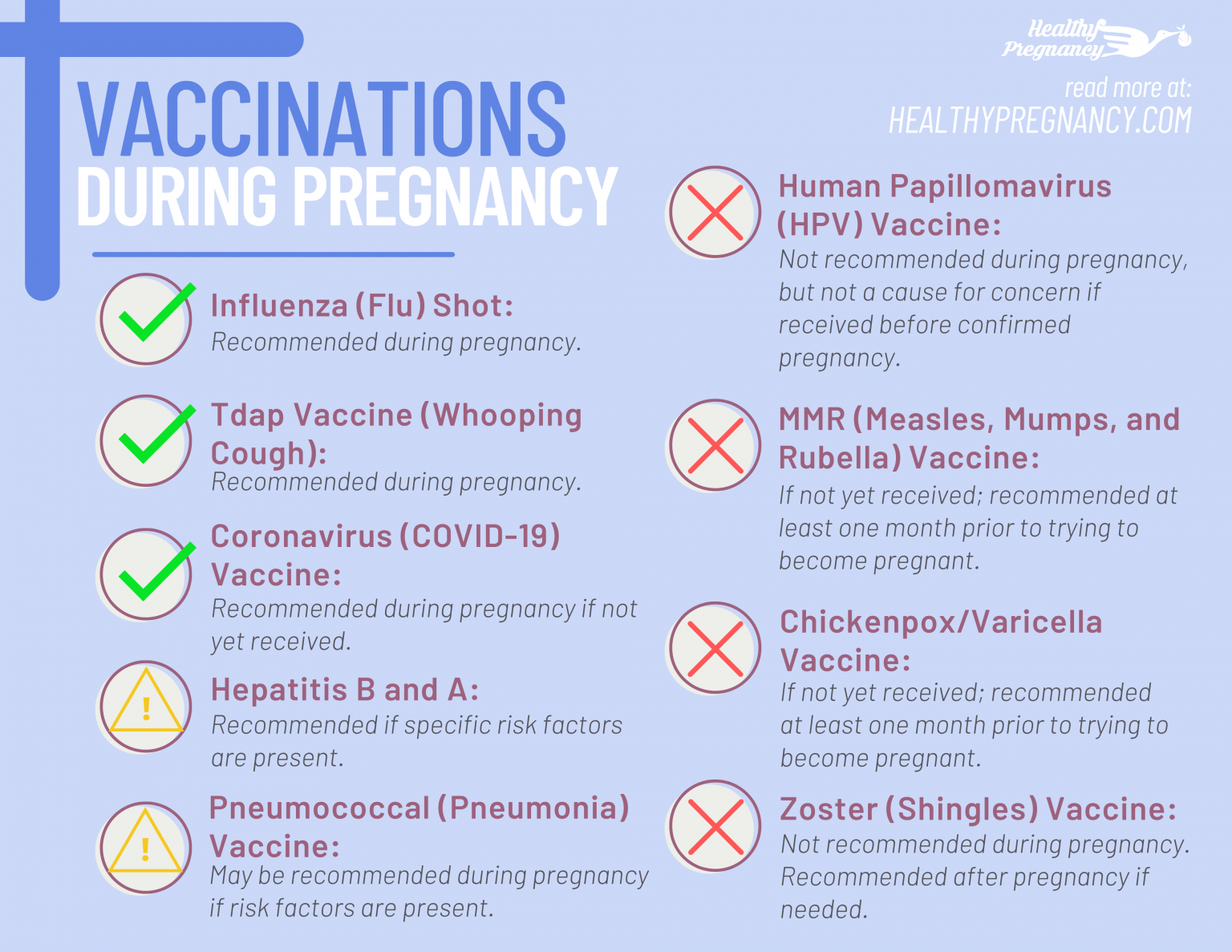
Rolaids are generally considered safe for use during pregnancy when taken as directed for the relief of heartburn and acid indigestion. The active ingredients, typically calcium carbonate and magnesium hydroxide, are not categorized as known teratogens, but expectant mothers should consult their primary obstetrician or midwife before introducing any over-the-counter medication to their daily regimen.
Understanding Heartburn During Pregnancy
Heartburn—the burning sensation that occurs when stomach acid rises into the esophagus—is an incredibly common physiological experience during pregnancy. As the fetus grows, the physical pressure on the stomach increases, pushing gastric contents upward. Simultaneously, hormonal shifts, specifically the rise in progesterone, relax the esophageal sphincter, the valve meant to keep stomach acid contained.
By the second and third trimesters, many individuals find that dietary adjustments alone are insufficient to manage this discomfort. Over-the-counter (OTC) antacids, such as Rolaids, are frequently recommended as a first-line intervention because they work by neutralizing the acid already present in the stomach rather than by suppressing future acid production through systemic hormonal pathways.
Analyzing the Ingredients of Rolaids
To determine the safety profile of Rolaids, it is essential to examine their primary chemical constituents. Most Rolaids products rely on a combination of calcium carbonate and magnesium hydroxide.
- Calcium Carbonate: This is a naturally occurring mineral. Beyond its role in neutralizing acid, calcium is a vital nutrient for fetal bone and tooth development. During pregnancy, the recommended daily intake of calcium increases, and many prenatal vitamins contain significant doses.
- Magnesium Hydroxide: This is an inorganic salt that reacts with hydrochloric acid in the stomach to produce magnesium chloride and water. Magnesium is also an essential electrolyte for human health, assisting in muscle function and nerve transmission.
Because these compounds are minerals that the body is already processing, they are generally processed by the digestive tract without entering the bloodstream in quantities that would typically cause developmental issues for a fetus. However, total intake must be monitored.
Why Medical Consultation is Mandatory
While Rolaids are widely accessible, they should not be viewed as "harmless" supplements. Every pregnancy is unique, and individual medical histories—such as pre-existing kidney issues or electrolyte imbalances—can change how the body processes calcium and magnesium.
Your healthcare provider needs to know about every substance you consume for several reasons:
- Interaction with Prenatal Vitamins: Many prenatal vitamins are high in calcium. If you take excessive calcium through both vitamins and antacids, it may occasionally interfere with the absorption of other critical minerals like iron.
- Dosage Thresholds: Chronic, high-dose use of antacids can theoretically lead to metabolic alkalosis or hypercalcemia in rare cases. Your doctor will help establish a safe upper limit based on your specific dietary intake.
- Differential Diagnosis: Persistent heartburn can sometimes be mistaken for other, more serious conditions such as preeclampsia or gallbladder issues, which may present with epigastric pain. A medical professional must ensure that your symptoms are indeed simple heartburn and not a sign of a more complex complication.
Comparison of Common Pregnancy-Safe Heartburn Remedies
When managing heartburn, expectant parents often choose between several classes of OTC medications. Understanding how Rolaids compare to other options can help you make an informed decision alongside your doctor.
| Treatment Type | Examples | Primary Mechanism | Notes for Pregnancy |
|---|---|---|---|
| Antacids | Rolaids, Tums | Neutralize existing acid | Generally safe; provides quick relief. |
| H2 Blockers | Pepcid (Famotidine) | Reduce acid production | Often recommended if antacids fail; check with MD. |
| Alginates | Gaviscon | Create a physical barrier | Generally safe; acts as a "raft" on stomach contents. |
| PPIs | Prilosec (Omeprazole) | Long-term acid suppression | Usually reserved for severe, resistant cases. |
Always verify the specific formulation of the product you are purchasing. Some brands offer "Extra Strength" or "Advanced" versions that may include additional ingredients not found in standard versions. Always check the label to ensure you are not exceeding daily limits for magnesium or calcium.
Strategies to Minimize Heartburn Without Medication
Before relying solely on medication, many obstetricians recommend behavioral modifications to reduce the frequency and severity of heartburn. Implementing these strategies can often reduce your dependency on antacids like Rolaids.
Dietary Adjustments
Identifying trigger foods is a critical step. Common culprits include:
- Spicy, acidic, or fried foods.
- Caffeine, which can relax the esophageal sphincter.
- Chocolate and peppermint, which are known to exacerbate reflux.
Instead of three large meals, transition to five or six smaller, nutrient-dense meals throughout the day. This prevents the stomach from becoming overly full, which significantly reduces the pressure on the diaphragm and the likelihood of reflux.
Positional Awareness
Gravity is a powerful tool in managing reflux. Try to remain upright for at least two to three hours after eating. Avoid lying down immediately after a meal, as the horizontal position makes it significantly easier for stomach acid to migrate into the esophagus. At night, using a wedge pillow to elevate your head and shoulders can keep gravity working in your favor while you sleep.
Hydration Patterns
While staying hydrated is vital, try to drink liquids between meals rather than with them. Excessive fluid intake during a meal increases the volume of stomach contents, which can increase upward pressure.
Identifying Warning Signs
While standard heartburn is uncomfortable, it is usually harmless. However, there are instances where self-treating with antacids is insufficient. You should contact your healthcare provider if you experience:
- Heartburn that does not respond to OTC antacids after 48 hours of consistent use.
- Difficulty swallowing or the feeling of food getting "stuck" in the chest.
- Significant, unexplained weight loss or a decrease in appetite.
- Vomiting blood or material that looks like coffee grounds.
- Severe abdominal pain that does not resolve.
These symptoms may indicate complications such as esophageal erosion, gastric ulcers, or issues unrelated to the pregnancy itself that require specialized diagnostic testing or prescription-strength medication.
FAQ: Pregnancy and Heartburn Relief
Can I take Rolaids during all three trimesters of pregnancy? Yes, generally, Rolaids are considered safe throughout all stages of pregnancy. However, the intensity of heartburn often increases in the third trimester as the uterus expands. Always discuss your symptoms with your doctor as your pregnancy progresses, as their advice on dosages may change.
What is the maximum number of Rolaids I can take in a day? The maximum daily dose is printed on the product packaging. Because every formulation varies (e.g., standard vs. ultra-strength), always follow the label instructions and the advice of your healthcare provider. Never exceed the recommended dose, as excessive intake of calcium or magnesium can have adverse effects on your own health.
Do Rolaids interact with my prenatal vitamins? Calcium can interfere with the absorption of iron. If your prenatal vitamin contains iron, it is generally advised to take your antacid at a different time than your vitamin. Consult your pharmacist or doctor to determine the appropriate timing to ensure you are getting the full benefit of your supplements.
Are there ingredients in Rolaids I should avoid? Most standard Rolaids are simply calcium carbonate and magnesium hydroxide. Avoid "dual-action" products that might contain aspirin, ibuprofen, or other NSAIDs, as these are typically contraindicated during pregnancy unless specifically directed by a physician.
If I have high blood pressure, are Rolaids still safe? If you have pregnancy-induced hypertension or preeclampsia, you must speak with your doctor before using any antacids. Some antacids contain high levels of sodium, which can potentially impact fluid retention and blood pressure. Your doctor may prefer a low-sodium alternative for your specific situation.
Practical Next Steps for Relief
If you are currently experiencing heartburn, start by keeping a "heartburn diary" for three days. Record what you eat, when you eat, and when the symptoms occur. Bring this log to your next prenatal appointment.
Before purchasing Rolaids, check the label to ensure it contains only the active ingredients you and your doctor have discussed, and avoid formulations that include additional active ingredients like pain relievers. Always store medications out of reach of children, in a cool, dry place, and keep track of expiration dates. If your current strategy is not providing sufficient relief, do not hesitate to ask your healthcare provider for a referral to a dietitian or for a discussion regarding safer, stronger alternatives that are safe for your specific pregnancy.