Determining whether online dating sites are worth your time and financial investment depends entirely on your specific relationship goals, your willingness to navigate algorithmic matching, and your capacity to manage the emotional labor required by digital platforms. While these services provide unparalleled access to a diverse pool of potential partners, their effectiveness is often mediated by subscription costs, user demographics, and the inherent friction of non-verbal communication in a virtual space.
The Evolution of Digital Romantic Infrastructure
By 2026, online dating has transitioned from a niche social experiment to the primary method for meeting new partners in many urban and suburban environments. The ecosystem is no longer monolithic; it is segmented into distinct tiers, including swipe-based mobile applications designed for rapid browsing, subscription-based platforms that emphasize extensive questionnaires, and niche sites catering to specific religious, lifestyle, or professional communities.
Understanding whether these platforms are "worth it" requires an assessment of what they offer compared to organic social discovery. Organic meetings often rely on shared geography or social circles, which provide pre-existing trust. Online dating, conversely, artificially manufactures proximity. The value proposition here is the removal of the "where do I find people" bottleneck, replacing it with a "how do I filter these people" challenge.
Analyzing Value: Time, Money, and Emotional Energy
To calculate the return on investment for dating platforms, you must look beyond the monthly subscription fee. The true cost of these platforms is the cumulative time spent optimizing profiles, initiating conversations, and managing the inevitable cycle of ghosting or mismatched expectations.
Financial Investment
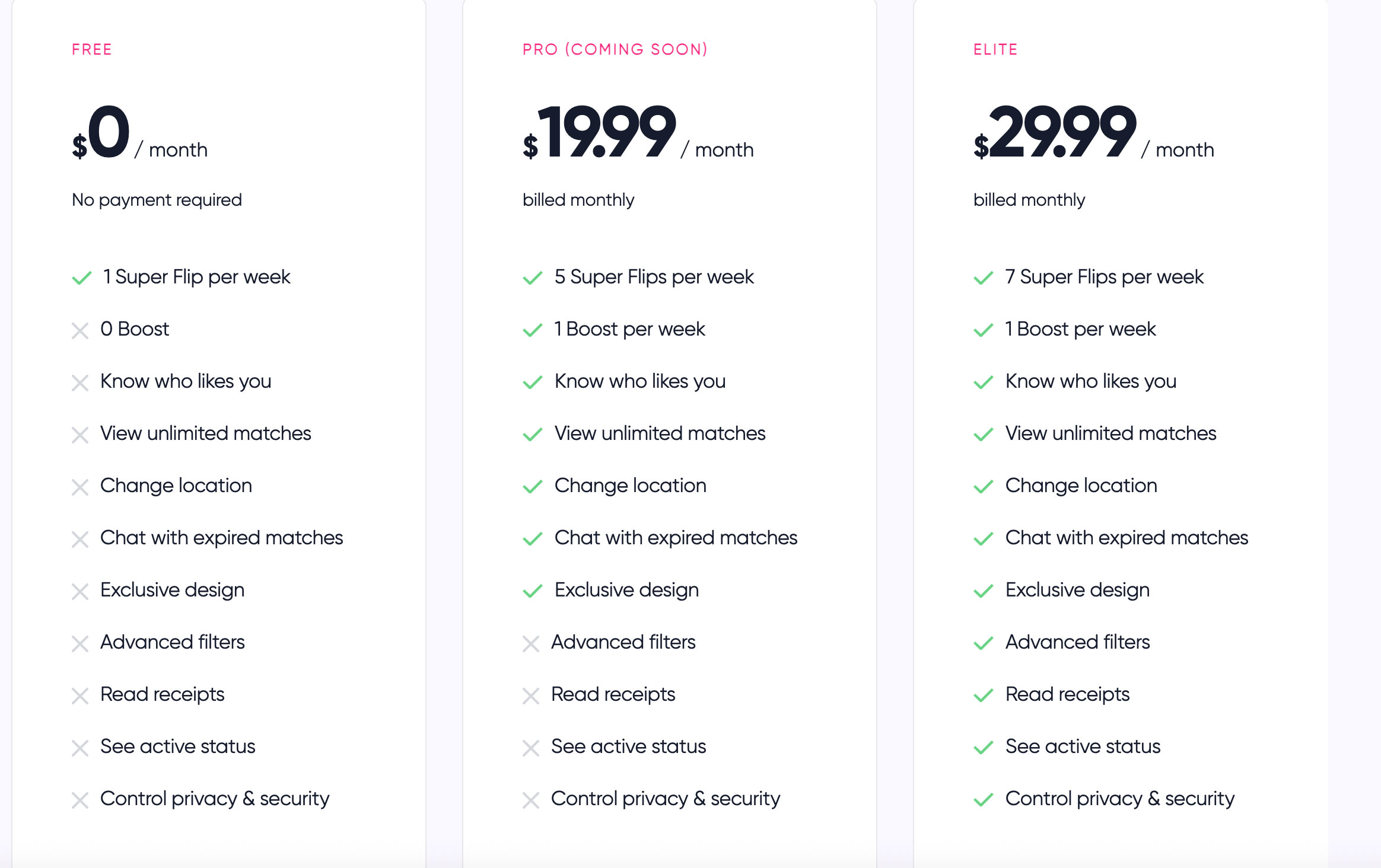
In 2026, most major dating platforms operate on a "freemium" model. While you can technically use the platforms for free, they are architected to encourage paid upgrades. These upgrades often include:
- Visibility boosts: Programs that place your profile in front of more users during peak hours.
- Advanced filtering: Tools that allow you to exclude users based on specific criteria like income level, education, or travel habits.
- Communication transparency: Features that reveal who has already "liked" your profile, effectively letting you skip the guessing game.
For many users, paying for the premium tier is worth the expenditure simply to save time—the cost is often equivalent to one or two meals out, but it can significantly reduce the hours spent swiping on non-compatible accounts.
The Opportunity Cost of Time
The time cost is the most significant hurdle. Data suggests that the average user spends several hours per week on dating apps. If your primary goal is marriage or a serious long-term relationship, this time may be a productive investment. However, if the time spent on the app prevents you from engaging in real-world hobbies, community involvement, or fitness, the platform is likely creating a net negative in your life.
Comparison of Platform Methodologies
To determine if a specific service is worth your investment, you must align your communication style with the platform's primary function.
| Platform Type | Primary Mechanism | Best For | Typical Pricing Model |
|---|---|---|---|
| Swipe-Based Apps | Rapid visual appraisal | Casual dating, low-stakes exploration | Free with paid "power" upgrades |
| Questionnaire-Driven | Compatibility algorithms | Serious, long-term relationship seekers | Monthly subscription required |
| Niche/Community | Shared identity or faith | Finding partners with high-congruence values | Monthly subscription or membership |
| Social Discovery | Activity/Event-based | Expanding social circles with romantic potential | Variable; sometimes per-event fees |
The Risks and Operational Realities
Before committing, it is essential to acknowledge the risks. Online dating is susceptible to "catfishing" (misrepresentation of identity), solicitation, and burnout.
Algorithmic Limitations
Dating algorithms are fundamentally designed to keep you on the platform for as long as possible while ensuring you find someone eventually to justify the subscription cost. These algorithms often prioritize activity levels over deep psychological compatibility. Relying solely on the "suggested matches" provided by an app can limit your potential if you do not actively adjust your search parameters.
Managing Expectations
A significant contributor to the feeling that dating sites are "not worth it" is the gap between expectation and reality. Many users enter the digital dating pool expecting immediate, high-quality matches. In reality, the process is a funnel. You may start with hundreds of potential profiles, narrow them down to dozens of conversations, move to a handful of first dates, and perhaps find one compatible person. If you view this as a failure rather than a logical filtration process, the platform will feel like a waste of resources.
Best Practices for Maximizing Efficiency
If you decide that an online dating site is worth the investment, maximize your utility by following these operational guidelines:
- Define Your Non-Negotiables: Before signing up, clearly identify what you are looking for. Are you looking for a life partner, or are you looking to date casually? Being explicit in your profile helps filter out users who do not align with your objectives.
- Limit Daily Engagement: Treat the app like a task rather than a leisure activity. Spend 15 minutes a day reviewing matches rather than doom-scrolling for hours.
- Move to Real-World Interaction Quickly: The digital environment is prone to misinterpretation. Once a baseline level of rapport is established, suggest a low-pressure meeting (e.g., coffee or a public walk). The purpose of the app is to get you off the app.
- Practice Digital Hygiene: Maintain safety by keeping personal details—like your exact home address or workplace—private until you have built a foundation of trust. Use the platform’s built-in messaging tools rather than moving to personal phone numbers or social media accounts too early.
Frequently Asked Questions
Do paid subscriptions actually increase your chances of finding a partner?
Paid subscriptions primarily increase your visibility and give you access to data that makes filtering more efficient. They do not increase your "attractiveness" or your inherent compatibility with others, but they do reduce the time you spend navigating low-quality matches, which can lead to higher satisfaction with the process.
Is it normal to feel burnt out by dating apps?
Yes, this is frequently referred to as "dating app fatigue." It occurs when the sheer volume of choices leads to decision paralysis or when repeated unsuccessful interactions diminish your enthusiasm. If you reach this point, the most effective "worth it" strategy is to deactivate your accounts for 30 days to recalibrate.
Are dating sites effective for people in smaller or rural areas?
Their effectiveness drops significantly in low-population density areas. The "worth" of these platforms relies on a high volume of users to ensure a sufficient number of potential matches. If the pool is too small, you may find that you have exhausted your options within a few days of joining.
Should I use multiple dating sites at once?
Using multiple platforms can increase your exposure, but it also increases your administrative burden. It is often more effective to master one platform that fits your target demographic before spreading your energy across multiple services.
Can you really find "the one" on a dating app?
While success stories are common, it is more accurate to view these sites as "matching facilitators." They create the opportunity for connection that you might not otherwise have had. Whether that connection grows into a long-term partnership depends on the personal compatibility of the two individuals, not the specific app used.
Final Recommendation
Online dating sites are worth the investment if you approach them with clear intent, manage your time strictly, and view the process as a tool for introduction rather than a guarantee of relationship success. If your lifestyle prevents you from meeting new people through organic social, professional, or hobby-based channels, these platforms offer a measurable, albeit imperfect, solution.
If you are currently feeling overwhelmed or discouraged, the best next action is to audit your current platform. Choose one service that aligns with your specific relationship goals, optimize your profile to accurately reflect your personality, and commit to moving conversations to real-world dates within the first week of active, quality interaction. If you find yourself spending more time complaining about the app than actually going on dates, it is time to reassess your strategy or pivot to an alternative method of social engagement.