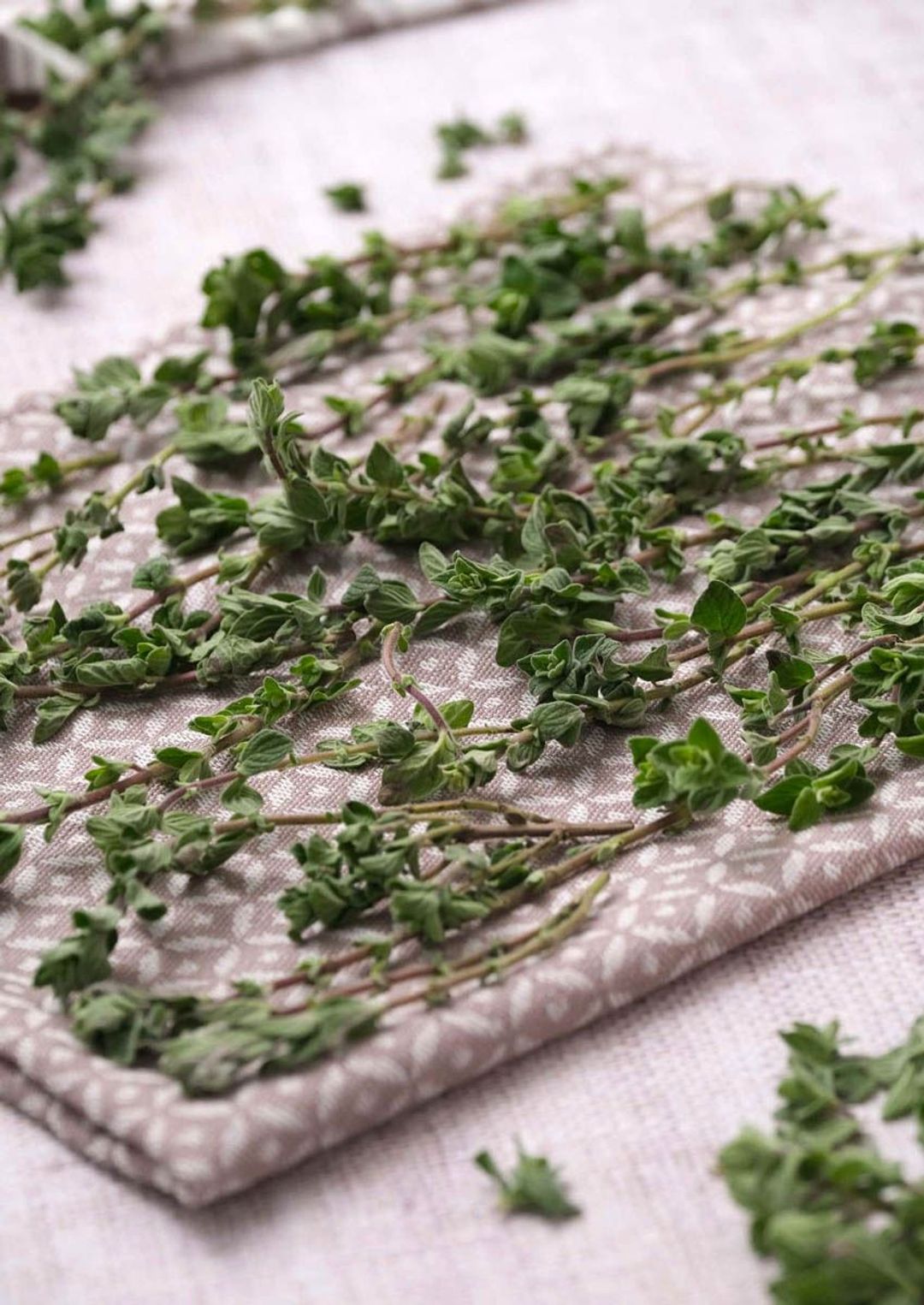
While fresh oregano leaves and dried oregano originate from the same plant, Origanum vulgare, they are not interchangeable in equal measure. The drying process fundamentally alters the herb’s moisture content, flavor concentration, and essential oil profile, requiring specific adjustments when cooking. To achieve the best results in your kitchen, you must understand how these two forms function as distinct culinary ingredients.
Botanical Identity and the Drying Process
Oregano is a perennial herb in the mint family, Lamiaceae. In its fresh state, the leaves are soft, vibrant, and contain a high concentration of water. The flavor is bright, slightly peppery, and possesses a delicate, herbaceous nuance that works exceptionally well in fresh salads, uncooked sauces, and as a finishing garnish.
When oregano is dried, the water content is removed through air-drying or low-heat dehydration. This process causes the plant cells to collapse, which effectively concentrates the aromatic compounds—primarily carvacrol and thymol. Consequently, dried oregano offers a much more potent, earthy, and pungent flavor profile than its fresh counterpart. Because the essential oils are locked into a smaller, dehydrated structure, dried oregano is better suited for long-simmering dishes where the heat and moisture can slowly rehydrate the leaves and release their deep, concentrated notes over an extended period.
Flavor Intensity and Potency Differences
The most critical distinction for any cook is the ratio of intensity. Because dried oregano is dehydrated, you are essentially getting a concentrated version of the herb. A single tablespoon of dried oregano provides significantly more "oregano impact" than a tablespoon of fresh leaves.
If you attempt a 1:1 swap in a recipe, you risk overwhelming the dish with an overly medicinal or intensely bitter flavor. As a general culinary standard, you should use one teaspoon of dried oregano for every tablespoon of fresh oregano. This 1:3 ratio accounts for the loss of water weight and the increased density of the volatile oils. Understanding this ratio is the primary defense against recipe failure when you find yourself missing one form of the herb while holding the other.
Cooking Applications: When to Use Which
The choice between fresh and dried oregano is driven by the cooking technique and the desired final texture of the dish.
Using Fresh Oregano
Fresh oregano is best reserved for:
- Cold Applications: Incorporating it into vinaigrettes, chimichurri, or fresh tomato salads.
- Finishing: Sprinkling the leaves over a finished pizza or pasta dish just before serving to maintain their bright, aromatic quality.
- Short Cooking Cycles: Light sautéing or quick-blanching where the goal is to keep the herb vibrant rather than extracting deep, woody flavors.
Using Dried Oregano
Dried oregano is the superior choice for:
- Slow-Cooked Dishes: Adding to tomato-based pasta sauces, stews, or braises where the herb needs to simmer for 30 minutes or more.
- Dry Rubs and Marinades: Because it is dry, it integrates seamlessly into spice blends, providing a consistent distribution of flavor across proteins like chicken, lamb, or pork.
- Bread and Dough: Mixing into focaccia or pizza dough where fresh leaves would introduce too much moisture and potentially spoil during a long bake.
Comparison Table: Fresh vs. Dried Oregano
| Feature | Fresh Oregano | Dried Oregano |
|---|---|---|
| Flavor Profile | Bright, herbal, subtle, peppery | Earthy, pungent, intense, woody |
| Potency | Lower; requires larger quantities | Higher; requires smaller quantities |
| Ideal Timing | Added at the end of cooking | Added at the beginning of cooking |
| Best Use | Garnish, salads, cold sauces | Stews, long-simmered sauces, rubs |
| Substitution Ratio | 1 tablespoon | 1 teaspoon |
Troubleshooting Common Culinary Mistakes
A frequent error is assuming that dried oregano has an indefinite shelf life. While it is stable, it is not immortal. Over time, the volatile oils that give oregano its distinctive character will evaporate. If your jar of dried oregano has sat in the back of your cupboard for more than six to twelve months, it will likely taste like dust rather than herbs. To test the freshness of your dried oregano, rub a small amount between your palms. If the scent is faint or nonexistent, the herb is past its peak and will not provide the necessary depth to your dish.
Another common mistake is adding dried oregano to a dish that is nearly finished. Unlike fresh herbs, which are delicate, dried herbs require heat and time to "bloom." If you add them at the last second, the leaves will remain tough and gritty, and the flavor will not have time to distribute into the sauce or liquid. Always introduce dried oregano early in the cooking process to allow the texture to soften and the flavors to integrate.
Understanding Oregano Varieties
Not all "oregano" is the same, which further complicates the substitution process. What is sold as "Greek Oregano" (Origanum vulgare hirtum) is often more savory and spicy, making it the gold standard for Mediterranean cooking. In contrast, "Mexican Oregano" (Lippia graveolens) is botanically different, related more closely to lemon verbena. It offers a citrusy, floral note that is significantly more aggressive than the mild Mediterranean varieties.
When you are substituting, ensure you identify which variety you have. If a recipe calls for Mexican oregano and you substitute it with standard supermarket Mediterranean oregano, the final dish will lack that specific citrusy brightness. Always smell the herb before adding it to determine if its profile matches the intended outcome of your recipe.
Storing for Maximum Longevity
To preserve the quality of your fresh oregano, wrap the stems in a damp paper towel and place them in a perforated plastic bag in the vegetable crisper of your refrigerator. This typically provides a shelf life of five to seven days. Attempting to keep fresh oregano on the counter will lead to rapid wilting and flavor loss.
For dried oregano, the enemy is light, heat, and moisture. Store your dried herbs in an airtight container away from the stove. Storing spices above a stove is a common practice, but the fluctuating temperature and steam from cooking will degrade the quality of the dried leaves rapidly. A cool, dark pantry shelf is the optimal environment for maintaining the integrity of the essential oils.
Frequently Asked Questions
Can I use fresh oregano in a recipe that calls for dried oregano? Yes, but you must increase the amount. Use three times the amount of fresh oregano compared to the requested dried quantity. For example, if the recipe calls for one teaspoon of dried oregano, use one tablespoon of fresh leaves. Also, be mindful that the flavor will be more subtle, so you may need to adjust the cooking time to ensure the fresh herb doesn't turn bitter.
Does freezing fresh oregano change its quality? Freezing is an excellent way to store fresh oregano. Chop the leaves and place them into an ice cube tray, covering them with a small amount of olive oil. Once frozen, these cubes can be dropped directly into soups or stews. While the texture will change during the freezing process, the flavor profile remains remarkably close to fresh.
Why does my dried oregano taste bitter? If dried oregano tastes bitter, it may be old, or it may have been harvested or dried improperly. Bitterness is also common if you use too much. If you are experimenting with a new jar, start with half the amount the recipe suggests and taste the dish periodically to avoid over-seasoning.
Can I dry my own fresh oregano? Yes. Bundling fresh stems and hanging them upside down in a dark, well-ventilated area is an effective way to dry your own herbs. Once the leaves are brittle—usually within one to two weeks—strip them from the stems and store them in an airtight jar. Homemade dried oregano is often significantly more potent than store-bought versions because it hasn't spent months sitting on a distribution shelf.
Is there a best time to add dried oregano to a sauce? The best time is at the beginning or middle of the cooking process. Adding it early allows the heat to extract the essential oils and soften the dried leaf tissue. If you are making a long-simmering ragù or stew, adding the oregano within the first 20 minutes of simmering ensures the flavor fully permeates the liquid.
Final Recommendation
When substituting, always lean toward caution. If you are replacing dried oregano with fresh, use a 3:1 ratio and add the herb at the very end of the cooking process to preserve its volatile oils. Conversely, when swapping fresh for dried, use a 1:3 ratio and incorporate the dried herb early to maximize flavor extraction. For the most consistent results, keep both forms in your pantry: fresh for finishing and salads, and high-quality dried for long-cooked, robust meals. Always smell your dried herbs before use; if the aroma is faint, it is time to refresh your supply.