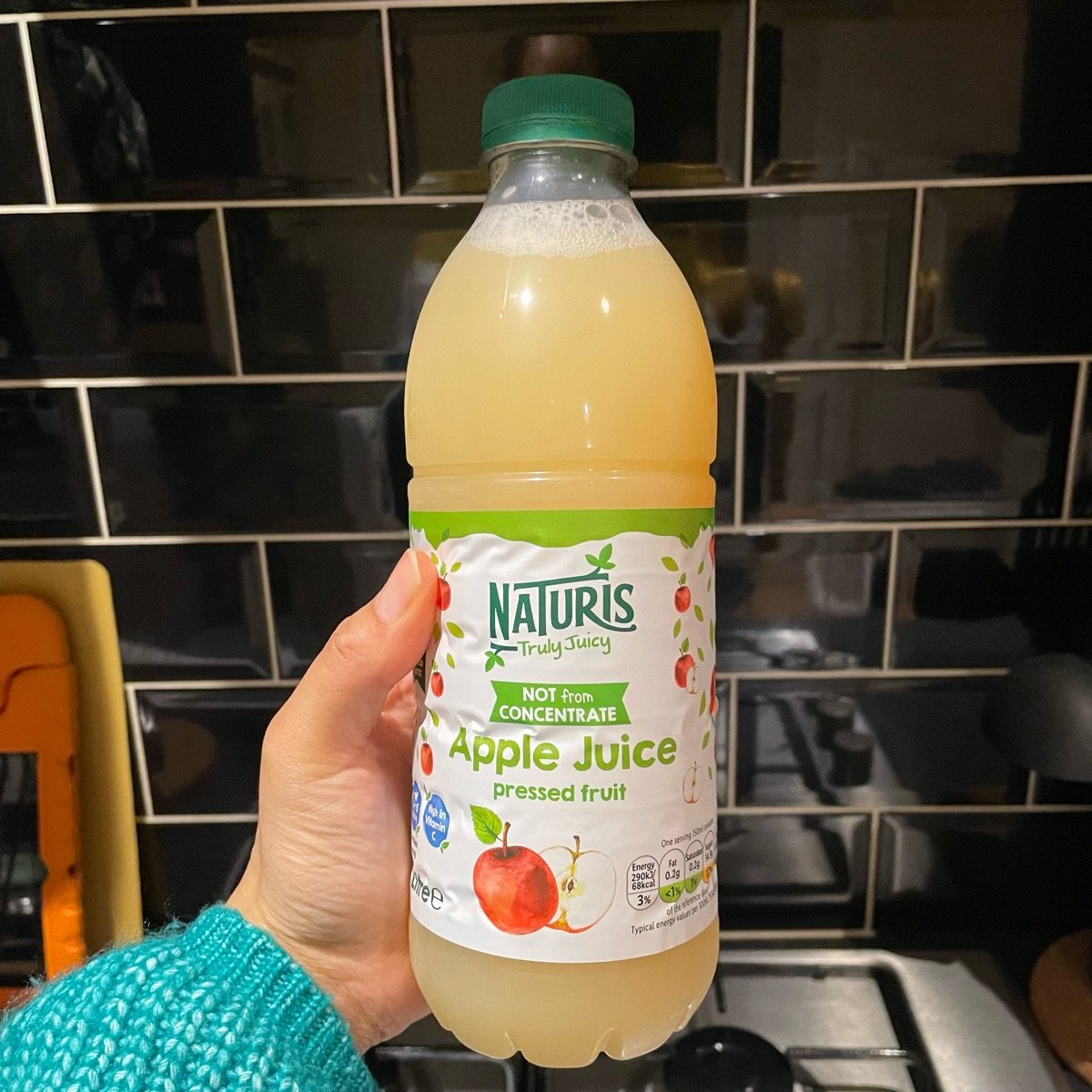
Apple juice is not keto friendly because it is extremely high in natural fruit sugars, primarily fructose and glucose. A single serving contains more carbohydrates than the total daily allowance for most individuals following a ketogenic diet, which necessitates keeping daily net carb intake between 20 and 50 grams to maintain the state of nutritional ketosis.
The Science of Ketosis and Carbohydrate Restriction
To understand why apple juice is fundamentally incompatible with a ketogenic lifestyle, one must first understand the metabolic goal of the diet. Ketosis is a natural metabolic state where the body, starved of its primary fuel source (glucose), shifts to burning fat for energy. When carbohydrates are restricted, insulin levels drop, and the liver begins to convert fatty acids into ketones, which serve as an efficient energy source for the brain and muscles.
Maintaining this state requires strict adherence to a macronutrient profile that is typically high in fats, moderate in proteins, and very low in carbohydrates. When you consume high-glycemic liquids, you trigger a rapid spike in blood glucose. This spike prompts the pancreas to release insulin, a hormone that facilitates the storage of energy and halts the process of fat burning. Because apple juice contains almost exclusively fast-absorbing sugars with virtually no fiber, fat, or protein to slow down digestion, it causes an almost instantaneous transition from fat-burning mode to glucose-burning mode.
Nutritional Composition of Apple Juice
The nutritional profile of standard, store-bought apple juice is the primary reason it is excluded from keto meal plans. A typical 8-ounce (240 ml) glass of unsweetened apple juice contains approximately 24 to 30 grams of carbohydrates, almost all of which are sugars.
Unlike whole apples, which contain fiber, apple juice is the liquid extract of the fruit. Fiber is a crucial component of the keto diet because it is a carbohydrate that the body cannot digest, meaning it does not count toward your net carb total. When you juice an apple, the fiber is removed, leaving behind the sugar content in a highly concentrated, bioavailable form. Because the average keto dieter aims for a daily limit of 20 to 50 grams of net carbs, a single glass of apple juice could consume the entire daily allowance in less than a minute, effectively ending ketosis.
Comparing Apple Juice to Keto-Approved Alternatives
To visualize the difference between apple juice and beverages that align with ketogenic principles, it is helpful to examine the net carbohydrate content of various common drinks.
| Beverage (8 oz / 240 ml) | Net Carbohydrates | Keto Status |
|---|---|---|
| Apple Juice | 28g | Not Keto |
| Orange Juice | 26g | Not Keto |
| Unsweetened Almond Milk | 1g | Keto Friendly |
| Water with Lemon/Lime | <1g | Keto Friendly |
| Black Coffee or Tea | 0g | Keto Friendly |
| Sparkling Mineral Water | 0g | Keto Friendly |
The table above demonstrates that while apple juice is a calorie-dense source of sugar, there are numerous hydrating alternatives available. Keto-friendly beverages focus on zero-glycemic impact, ensuring that the consumer remains within the metabolic parameters required for fat oxidation.
The Impact of Liquid Sugars on Blood Glucose
Liquid sugars are notoriously difficult for the body to manage when attempting to maintain stable blood glucose levels. When you consume a solid food, the mechanical process of chewing and the presence of stomach acid and fiber slow the breakdown of carbohydrates into glucose. However, liquids bypass much of this digestive work.
When you drink apple juice, the fructose and glucose are delivered to the small intestine and absorbed into the bloodstream with alarming speed. This surge in blood sugar is often referred to as a "glycemic spike." On a keto diet, the objective is to keep blood sugar levels low and stable. Frequent consumption of liquids like apple juice causes repeated cycles of hyperglycemia followed by reactive hypoglycemia, which can lead to increased hunger, cravings for more sweets, and a complete reversal of the progress made during a period of sustained ketosis.
Common Misconceptions: "Natural" vs. "Keto"
A frequent point of confusion for newcomers to the keto diet is the distinction between "healthy" and "keto." Apple juice is often marketed as a natural, vitamin-rich beverage. While it is true that apple juice contains potassium and small amounts of Vitamin C, these benefits do not negate its carbohydrate content.
In the context of the keto diet, "healthy" is defined by how a food affects your specific metabolic goal: the production of ketones. A food can be natural, organic, or nutrient-dense and still be entirely unsuitable for a ketogenic protocol. By labeling apple juice as "not keto friendly," the goal is not to disparage the nutritional value of apples, but to highlight that their concentrated sugar form is incompatible with the physiological requirements of a low-carbohydrate lifestyle.
Strategies for When You Crave Sweet Drinks
If you find yourself missing the taste of fruit-flavored beverages while on a keto diet, there are several ways to satisfy those cravings without jeopardizing your ketosis:
- Infused Waters: Add fresh cucumber, mint leaves, or a few thin slices of strawberries to sparkling water. This provides a subtle fruit essence without the high sugar load.
- Sugar-Free Flavor Drops: There are many zero-calorie, liquid stevia or monk fruit sweeteners on the market that provide a burst of fruit flavor without any carbohydrates.
- Diluted Keto-Friendly Alternatives: If you are determined to have a fruit-flavored experience, mix a very small amount of low-sugar berries (like blackberries or raspberries) into a large volume of carbonated water, or use a keto-approved, powdered electrolyte drink mix that utilizes erythritol or sucralose.
Troubleshooting: What to Do If You Accidentally Consume Apple Juice
If you accidentally consume apple juice while strictly adhering to a keto diet, do not panic. One mistake does not "ruin" your metabolism permanently. The best approach is to simply return to your routine immediately.
- Do not engage in compensatory exercise: Over-exercising to "burn off" the sugar can increase stress hormones, which may temporarily hinder your body’s ability to transition back to burning fat.
- Resume keto intake: Simply ensure your next meal is high in healthy fats and protein with zero to minimal carbohydrates.
- Increase hydration: Drinking plenty of water can help your body flush out the excess glucose and manage the minor inflammation that often follows a high-sugar intake.
Frequently Asked Questions
Does low-sugar apple juice exist that is keto-friendly? Currently, there is no such thing as a standard apple juice that is keto-friendly. Even "no sugar added" versions contain the naturally occurring sugars found in the fruit itself, which remains too high for a ketogenic diet.
Can I drink apple juice if I am doing "dirty keto"? "Dirty keto" generally refers to focusing on macros rather than food quality. However, even if you are not concerned with food quality, the carbohydrate content of apple juice remains high. Unless you have an extremely high caloric expenditure, the sugar in apple juice will likely push you over your daily carb limit and kick you out of ketosis.
Are there any apple-flavored drinks that are keto? Yes. You can find zero-carb, apple-flavored water enhancers or sparkling waters that use artificial sweeteners. These provide the flavor of apples without the fructose and glucose.
How long does it take to get back into ketosis after drinking apple juice? The timeframe varies from person to person. It depends on your metabolic flexibility and how much apple juice you consumed. For most, returning to strict low-carb intake will allow the body to return to ketosis within 24 to 48 hours.
Is apple cider vinegar the same as apple juice? No. Apple cider vinegar is fermented, which consumes the natural sugars found in the apple. While it is made from apples, it has negligible carbohydrates and is generally considered keto-friendly in small amounts.
Final Recommendation
To maintain your success on a ketogenic diet, it is essential to treat apple juice as a non-permitted item. Because it is a concentrated source of sugar that lacks the fiber necessary to mitigate its glycemic impact, it is essentially a metabolic "shortcut" out of ketosis. If you desire the flavor of apples, seek out keto-friendly, sugar-free flavorings or infusions that do not trigger an insulin response. Prioritizing fat-based nutrition and fiber-rich, low-glycemic vegetables remains the most effective strategy for sustaining long-term ketosis.