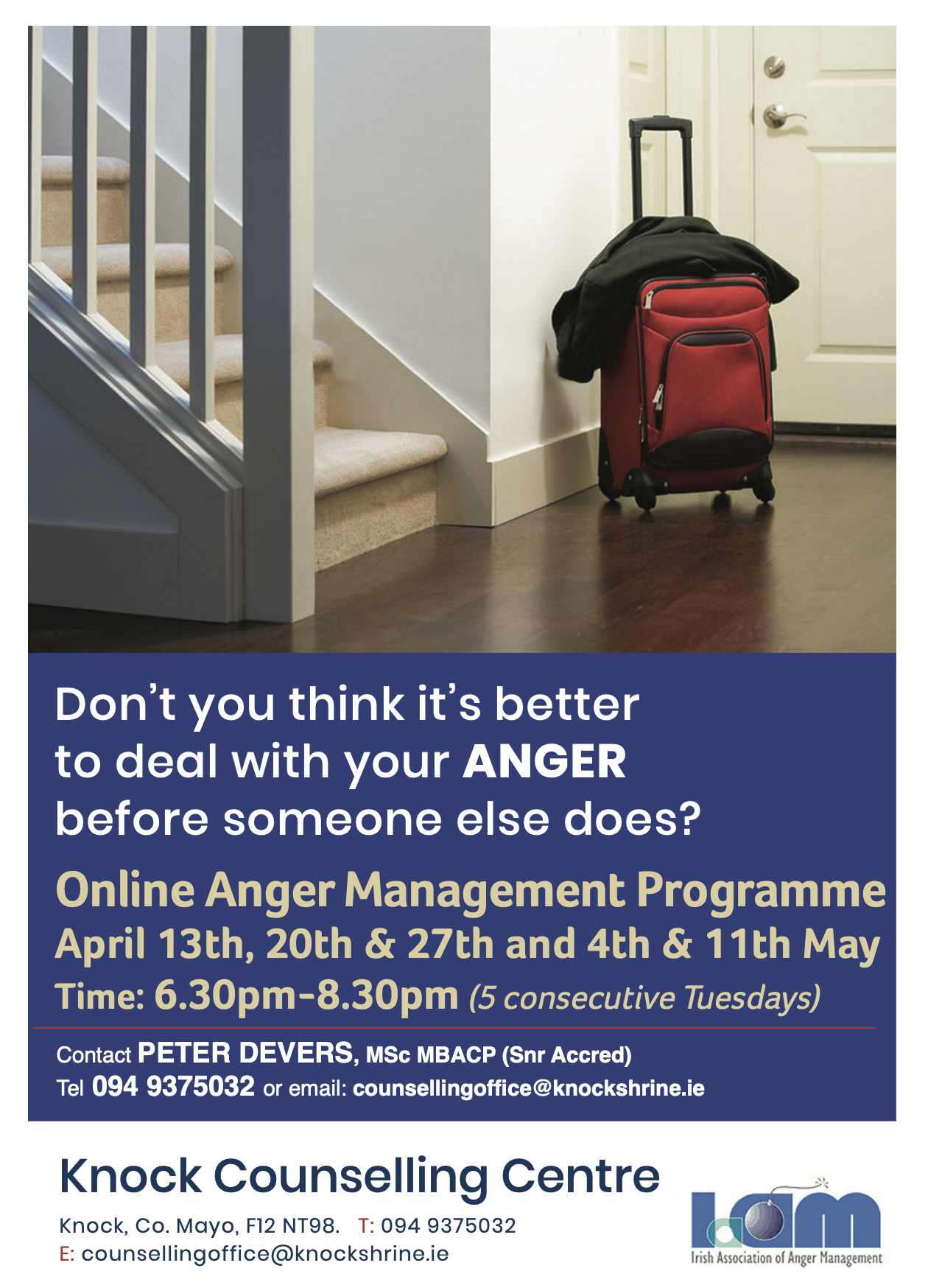
An online anger management course provides a structured digital environment for individuals to learn emotional regulation, conflict resolution, and stress management. These programs typically use Cognitive Behavioral Therapy (CBT) techniques to help participants identify triggers and replace aggressive responses with constructive behaviors, often fulfilling legal, workplace, or personal self-improvement requirements.
Understanding the Landscape of Online Anger Management
Anger management is not about suppressing the emotion of anger, which is a natural human response to perceived threats or injustices. Instead, it is a specialized form of behavioral training designed to change how an individual expresses that emotion. In 2026, the transition toward digital mental health resources has made anger management course online options more accessible and sophisticated than ever before. These courses bridge the gap between clinical therapy and self-help, offering evidence-based strategies that can be implemented in real-time.
There are three primary motivations for seeking these courses:
- Court-Mandated Requirements: Individuals who have been ordered by a judge to complete a specific number of hours of anger management due to legal infractions.
- Professional Development: Employees or executives whose workplace has identified a need for improved communication or "soft skills" following interpersonal conflicts.
- Personal Growth: Individuals who recognize that their temper is affecting their relationships, health, or quality of life and want to make a proactive change.
The effectiveness of these programs relies heavily on the curriculum's foundation in psychological principles and the participant's willingness to engage with the material. Unlike passive video consumption, high-quality courses require active reflection and practice.
Types of Online Anger Management Programs
Not all online courses are created equal. Depending on your goals, you will need to choose between several different formats.
Asynchronous (Self-Paced) Courses
Asynchronous courses are the most common. They allow users to log in at any time to complete modules consisting of videos, readings, and quizzes. These are ideal for individuals with erratic schedules or those who prefer to digest information privately. However, they require a high degree of self-discipline. Most court-ordered programs fall into this category but must include a verification mechanism to ensure the student actually completed the work.
Synchronous (Live-Streamed) Classes
Live classes are conducted via video conferencing platforms. They provide the benefit of real-time interaction with a facilitator and peers. This format is often more effective for those who benefit from group discussion and immediate feedback. Live classes are frequently preferred by courts in jurisdictions that require "face-to-face" equivalent hours.
AI-Assisted and Interactive Simulations
Advancements in 2026 have introduced interactive simulations where participants navigate high-stress virtual scenarios. These programs use branching logic to show the consequences of different emotional responses. This "gamified" approach can be particularly helpful for younger adults or those who find traditional lectures unengaging.
Essential Features of a High-Quality Online Course
When evaluating an anger management course online, you must look beyond the price tag. A reputable program should meet several criteria to ensure the time and money spent lead to actual behavioral change.
Evidence-Based Curriculum
The gold standard for anger management is Cognitive Behavioral Therapy (CBT). A course should explicitly state that its methods are rooted in CBT or similar evidence-based practices like Dialectical Behavior Therapy (DBT). These frameworks focus on the "cognitive triad": how thoughts, feelings, and behaviors are interconnected. By changing the thought (e.g., "He is trying to disrespect me"), the individual can change the feeling (anger) and the resulting behavior (shouting).
Instructor Qualifications
Verify that the course was designed or is overseen by licensed professionals. Look for credentials such as:
- Licensed Clinical Social Worker (LCSW)
- Certified Anger Management Professional (CAMP)
- Doctor of Psychology (PsyD or PhD)
- Licensed Professional Counselor (LPC)
Verification and Accreditation
If you are taking a course for legal or workplace reasons, accreditation is non-negotiable. Look for endorsements or approvals from recognized bodies such as the National Association of Social Workers (NASW) or state-specific judicial branches. Always confirm with your lawyer or probation officer before enrolling to ensure the specific provider is accepted by your local court.
The Core Curriculum: What You Will Learn
A comprehensive online course is more than just a list of "tips to stay calm." It is a deep dive into the mechanics of human emotion. Most structured programs follow a specific progression:
1. Physiological Awareness
The first step in managing anger is recognizing it before it peaks. Courses teach participants to identify "early warning signs," such as an increased heart rate, clenched jaw, or "tunnel vision." Understanding the "fight or flight" response—driven by the amygdala—helps participants realize that their body is preparing for a battle that may not be necessary.
2. Identifying Triggers and Cognitive Distortions
Participants learn to map out their specific triggers, whether they are environmental (traffic, noise), interpersonal (perceived criticism), or internal (fatigue, hunger). Courses also cover cognitive distortions, such as:
- Magnification: Blowing a small inconvenience out of proportion.
- Personalization: Assuming someone else’s neutral behavior is a direct attack.
- Should-ing: Holding rigid expectations of how others "should" behave.
3. Communication and Conflict Resolution
Often, anger is a secondary emotion used to mask vulnerability or frustration. Courses teach "I" statements and active listening. For example, instead of saying, "You're always late and you don't care about me," a participant learns to say, "I feel frustrated when we miss the start of the movie because I value our time together."
4. Stress Management and Relaxation Techniques
Long-term anger management requires lowering the "baseline" level of stress. Techniques taught online often include Progressive Muscle Relaxation (PMR), box breathing, and mindfulness meditation. These tools help the nervous system return to a state of calm more quickly after a provocation.
Comparing Online Anger Management Providers in 2026
The following table summarizes the typical offerings available in the current market for those seeking an anger management course online.
| Feature | Court-Mandated Providers | University/Continuing Ed | Wellness/Self-Help Apps |
|---|---|---|---|
| Primary Goal | Legal Compliance | Academic Knowledge | Habit Formation |
| Typical Duration | 8 to 52 hours | 4 to 8 weeks | Ongoing/Subscription |
| Verification | ID Check + Proctoring | Enrollment Records | None/Self-Reported |
| Certification | Official Certificate of Completion | Digital Badge/CEUs | Achievement Badge |
| Cost Range | $50 - $300 | $200 - $800 | $15 - $50/month |
| Support | Email/Ticket System | Professor/TA Interaction | AI Chatbot/Community Forum |
Legal and Court Requirements for Online Certification
For many, the search for an online course is driven by a legal mandate. It is a common misconception that any "certificate" found online will satisfy a judge. To ensure your effort is not wasted, follow these steps:
- Obtain Written Approval: Before paying, present the course syllabus to your attorney or the court clerk.
- Verify Hour Requirements: Courts usually specify a duration (e.g., a "12-hour course"). Ensure the provider issues a certificate that explicitly states the number of hours completed.
- Check for Residency Restrictions: Some states require that the provider be based within the same state or have a specific state-level license.
- Confirm Identity Verification: To prevent fraud, some courts require courses that use facial recognition or biometric check-ins to ensure the person assigned the course is the one taking it.
Reputable providers like Open Path Collective or the Logan Group often provide documentation specifically designed for court submission, including a letter of enrollment and a verifiable certificate ID number.
The Science of Change: Why Online Learning Works
Critics once argued that anger management required in-person therapy to be effective. However, research published by the American Psychological Association (APA) suggests that tele-mental health and digital interventions can be just as effective as traditional formats for certain behavioral issues.
The "disinhibition effect" of being behind a screen can actually benefit some participants. Many people feel deep shame regarding their anger. The relative anonymity of an online course allows them to be more honest during self-assessments than they might be in a room full of strangers. Furthermore, the ability to revisit difficult modules—such as those on childhood trauma or domestic patterns—allows for better retention of the material.
How to Stay Motivated in a Digital Environment
The biggest challenge of an anger management course online is completion. Without a physical classroom, it is easy to procrastinate. Use these strategies to ensure success:
- Schedule Your "Classes": Treat the online module like a real appointment. Block out 30 minutes every Tuesday and Thursday.
- Create a Neutral Space: Do not take the course in a place where you usually feel stressed (like your office desk if you hate your job). Find a quiet, neutral environment.
- Apply Lessons Immediately: If you learn a breathing technique in Module 2, use it the next time you are in traffic. Immediate application reinforces the neural pathways associated with the new behavior.
- Journal Your Progress: Keep a log of your "anger incidents." Note how your reaction changes as you progress through the course.
Common Pitfalls to Avoid
Avoid courses that make "instant fix" promises. Anger management is a skill that requires lifelong practice, not a one-time cure.
- Beware of "Free" Certificates: If a course is entirely free and offers a "court-accepted certificate," proceed with extreme caution. Most legitimate certifying bodies charge for the administration and verification of these documents.
- Avoid Overly Short Programs: A "1-hour anger management crash course" is rarely accepted by employers or courts and is insufficient to change deep-seated behavioral patterns.
- Watch for Generic Content: If the course material looks like it was copied from a basic Wikipedia entry, it lacks the clinical depth necessary for real change.
Frequently Asked Questions
Can I take an online anger management course for a DUI or domestic violence charge?
This depends entirely on your local jurisdiction and the specific nature of the charge. While many courts accept online courses for low-level infractions or as part of a plea bargain, more serious charges like domestic violence often require state-mandated, in-person "batterer intervention programs" (BIP) which are distinct from standard anger management. Always consult your legal counsel first.
How long does it take to get the certificate?
Most self-paced online courses allow you to download a digital certificate immediately upon passing the final exam and completing the required hours. However, if you need a hard copy with a raised seal or an official signature, it may take 3-5 business days for mail delivery.
Is my participation in an online course confidential?
Reputable online providers must adhere to privacy laws such as HIPAA (Health Insurance Portability and Accountability Act) in the United States or GDPR in Europe. Your data should be encrypted, and your progress should not be shared with third parties unless you explicitly authorize it (e.g., sending a report to a probation officer).
What if I fail the final exam?
Most online programs allow for multiple retakes of the final exam. Since the goal is education rather than high-stakes testing, the exams are typically designed to ensure you have grasped the core concepts.
Are these courses covered by health insurance?
Generally, educational courses are not covered by standard health insurance, which usually only pays for clinical therapy sessions. However, you may be able to use a Health Savings Account (HSA) or Flexible Spending Account (FSA) if a doctor provides a letter of medical necessity stating the course is part of a treatment plan for a diagnosed condition like Intermittent Explosive Disorder (IED).
Taking the Next Step
Choosing the right anger management course online is a significant step toward a more stable and fulfilling life. If you are acting voluntarily, start by looking for a program that offers a "preview" or a money-back guarantee so you can assess the teaching style. If you are under a court mandate, prioritize accreditation and verification features above all else.
Regardless of the format you choose, remember that the course is a tool, not a solution. The real work happens in the moments between the modules—when you feel your pulse quicken and choose to take a breath instead of raising your voice.