Angelyne’s billboards in Los Angeles represent a cornerstone of Southern California’s visual culture, serving as the first major instance of a "famous for being famous" marketing campaign. Emerging in 1984, these massive pink signs transformed a mysterious blonde into a local legend, pre-dating modern social media influencers by decades.
The Genesis of the Pink Empire (1984–1990s)
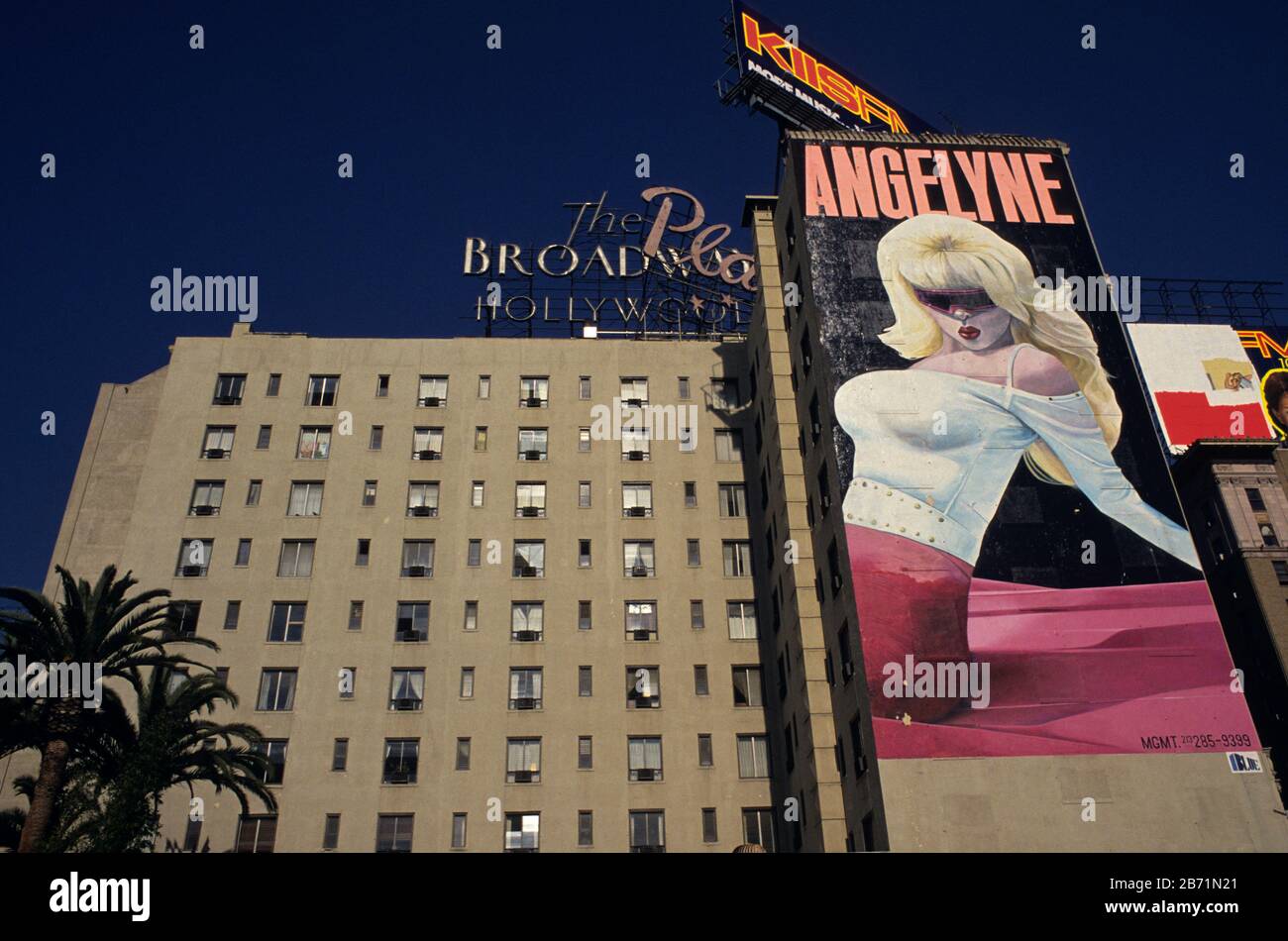
The first Angelyne billboard appeared in February 1984 on Sunset Boulevard. It was a simple yet striking image: a glamorous blonde woman lounging in a provocative pose with her name, "Angelyne," written in a distinctive, sweeping cursive font. There was no product to sell, no movie to promote, and no clear explanation for her sudden ubiquity. This ambiguity was the campaign's greatest asset.
In the mid-1980s, the Los Angeles landscape was already saturated with advertisements for movies and cigarettes. Angelyne’s billboards stood out because they subverted the traditional purpose of outdoor advertising. Instead of a call to action for a consumer product, the billboards were the product itself. The campaign was funded by Scott Hennig, a man who would later be revealed as her husband and business partner, though at the time, the funding remained as mysterious as the woman on the signs.
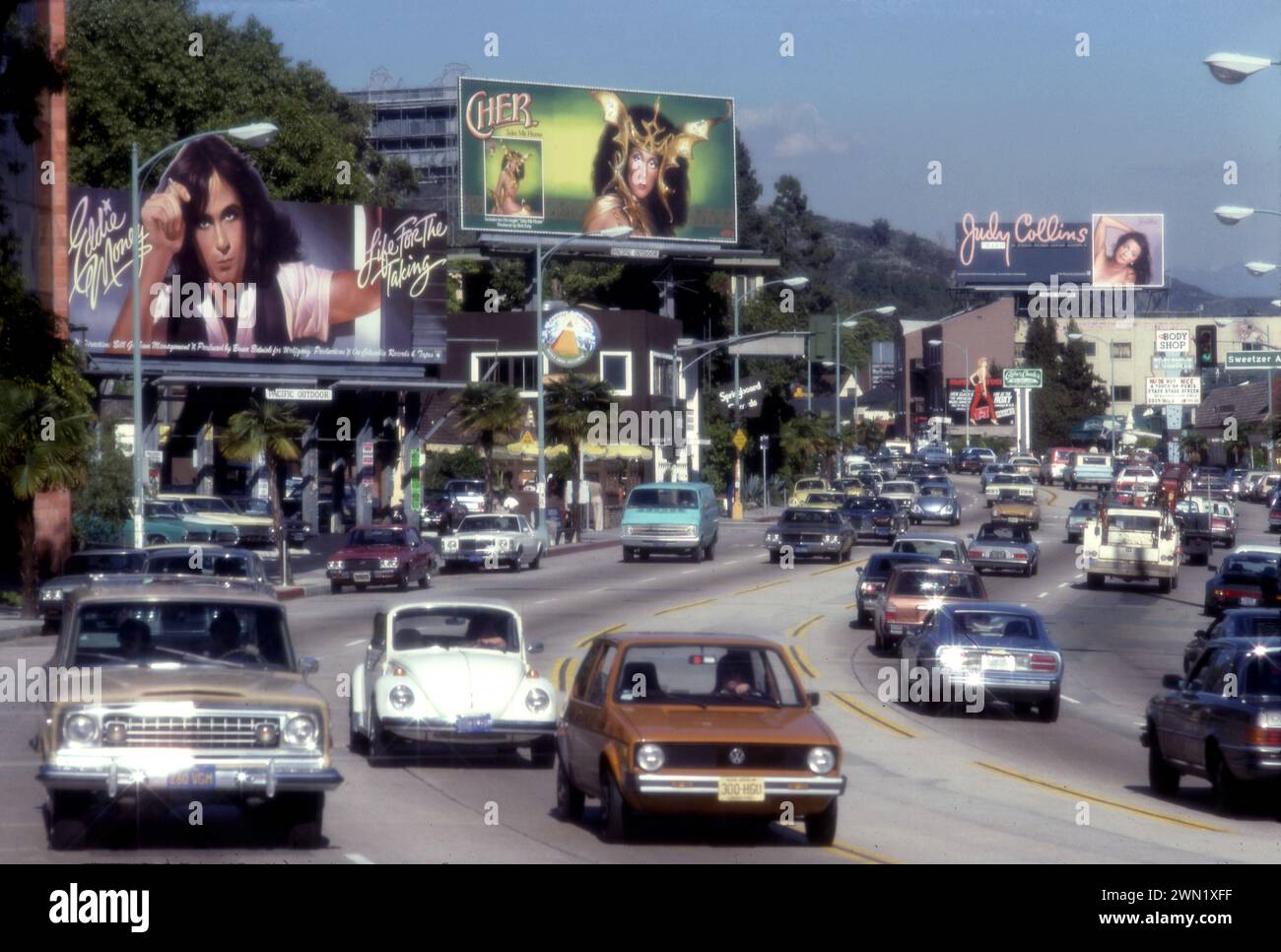
By the early 1990s, there were reportedly over 200 billboards throughout the Greater Los Angeles area. These were not small posters but massive, hand-painted displays in prime real estate areas like the Sunset Strip, Hollywood Boulevard, and near the 101 Freeway. The sheer volume of the campaign meant that anyone living in or visiting Los Angeles during this era could not avoid her gaze.
The Visual Identity and Branding Strategy
Angelyne’s branding was a masterclass in consistency. Long before "personal branding" was a corporate buzzword, she established a visual lexicon that remained virtually unchanged for over forty years.
The Color Pink
The choice of hot pink was not accidental. It served several purposes:
- Visibility: Pink contrasted sharply with the blue California sky and the drab grey of the city's concrete infrastructure.
- Gendered Archetype: It leaned heavily into the "Barbie" aesthetic, playing with the "dumb blonde" trope while simultaneously subverting it by using that very image to seize control of the city's attention.
- Memory Retention: The color became synonymous with her name. To see a pink billboard in LA was to think of Angelyne.
The Pink Corvette
The billboards were only half of the strategy. Angelyne complemented her stationary presence with a mobile one: a custom pink Chevrolet Corvette. She was frequently spotted driving through Hollywood and Beverly Hills, often stopping to sell merchandise out of her trunk or sign autographs for a fee. This blurred the lines between the "larger-than-life" goddess on the billboard and the real person on the street, creating a unique form of interactive celebrity.
The Font and Logo
The "Angelyne" logo, with its stylized, feminine script, became an recognizable trademark. It appeared on everything from the billboards to her music albums and fan club materials. By keeping the design static, she ensured that her brand remained timeless, even as fashion and advertising trends evolved around her.
Analyzing the "Famous for Being Famous" Phenomenon
Angelyne is widely considered the precursor to the modern influencer. Before Paris Hilton, the Kardashians, or TikTok stars, Angelyne proved that fame could be a self-sustaining ecosystem. You didn't need a talent agency or a studio contract if you owned the medium of the message.
Her billboards functioned as a proto-version of an Instagram feed. They provided a curated, idealized version of her life and persona to a mass audience. The primary difference was the barrier to entry; while anyone can post on social media today, the high cost of physical billboard space in the 1980s gave her a level of perceived importance and "prestige" that digital platforms struggle to replicate.
The psychology behind the billboards relied on the "mere-exposure effect," a psychological phenomenon by which people tend to develop a preference for things merely because they are familiar with them. By seeing her face every day on their commute, Angelyners (as her fans were sometimes called) felt a sense of intimacy and ownership over her image.
The Mystery and the Reveal: Who is Angelyne?
For decades, Angelyne’s origins were shrouded in secrecy. She claimed various origins, often telling interviewers she was from another planet or arrived in Hollywood fully formed. This mystique was crucial to her brand; the billboards were more interesting if no one knew who the woman was.
However, in 2017, an investigative report by Gary Baum for The Hollywood Reporter unmasked the icon. Through public records and genealogical research, it was revealed that Angelyne was born Ronia Tamar Goldberg in Poland in 1950. She was the daughter of Holocaust survivors who eventually settled in the San Fernando Valley.
This revelation added a profound layer to the billboards. The transformation from Ronia Goldberg to Angelyne was a quintessentially American story—the reinvention of self in the city of dreams. While some fans felt the mystery was ruined, many others viewed her achievement with even more respect, seeing her billboards as a triumph of will over circumstance.
Billboard Locations and Geographical Impact
The placement of the billboards was tactical, focusing on high-traffic areas where they would be seen by tourists, industry executives, and locals alike.
| Location Category | Key Areas | Strategic Purpose |
|---|---|---|
| The Sunset Strip | Sunset Blvd & San Vicente | Targeting the nightlife and music industry crowd. |
| Hollywood Proper | Hollywood Blvd & Vine St | Capturing the tourist demographic seeking the "LA experience." |
| Commuter Arteries | 101 Freeway, La Cienega Blvd | Ensuring daily visibility for residents and office workers. |
| San Fernando Valley | Ventura Blvd | Maintaining presence in the suburban heart of Los Angeles. |
| Beverly Hills Borders | Wilshire Blvd | Associating the brand with luxury and high-end retail. |
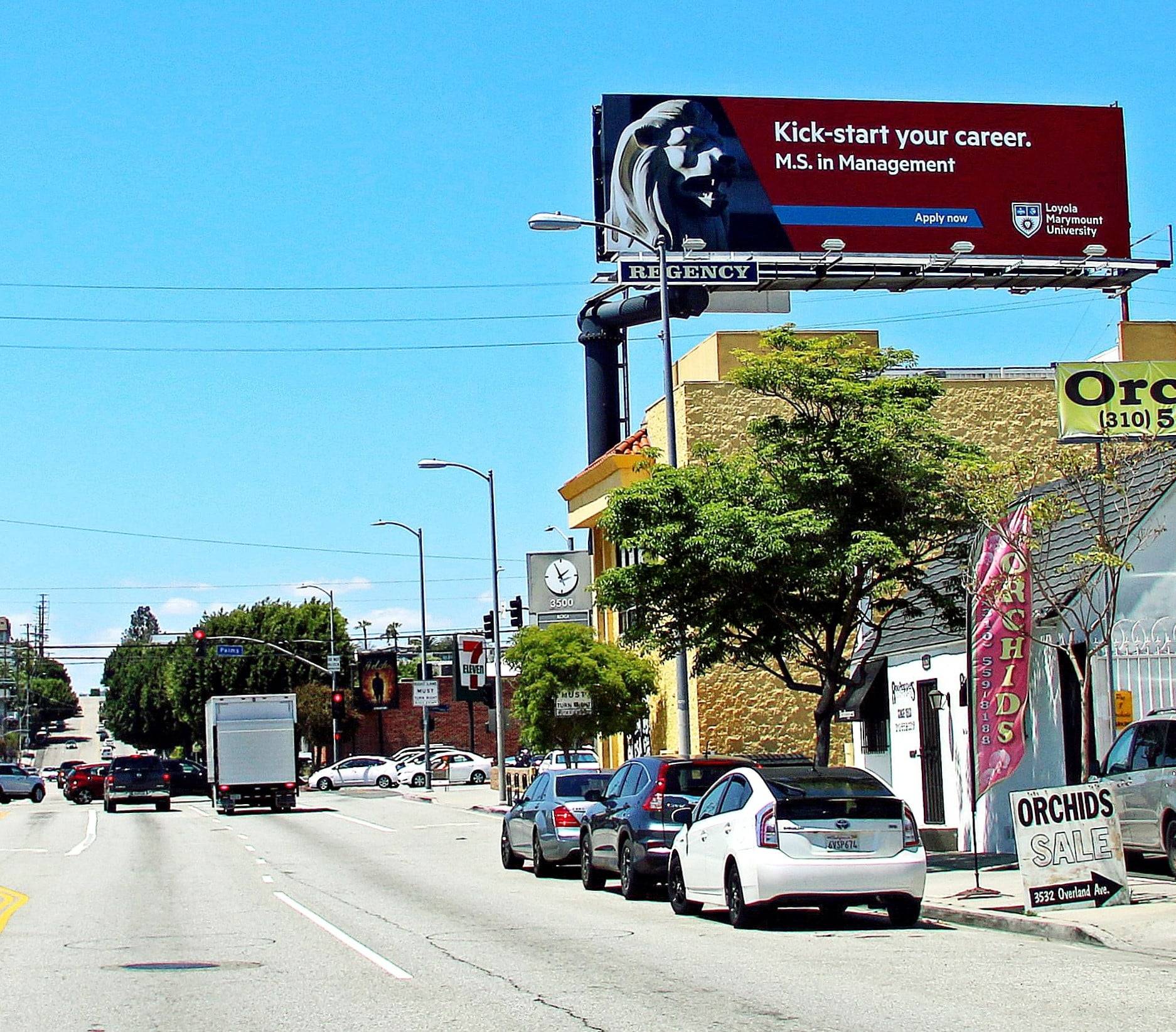
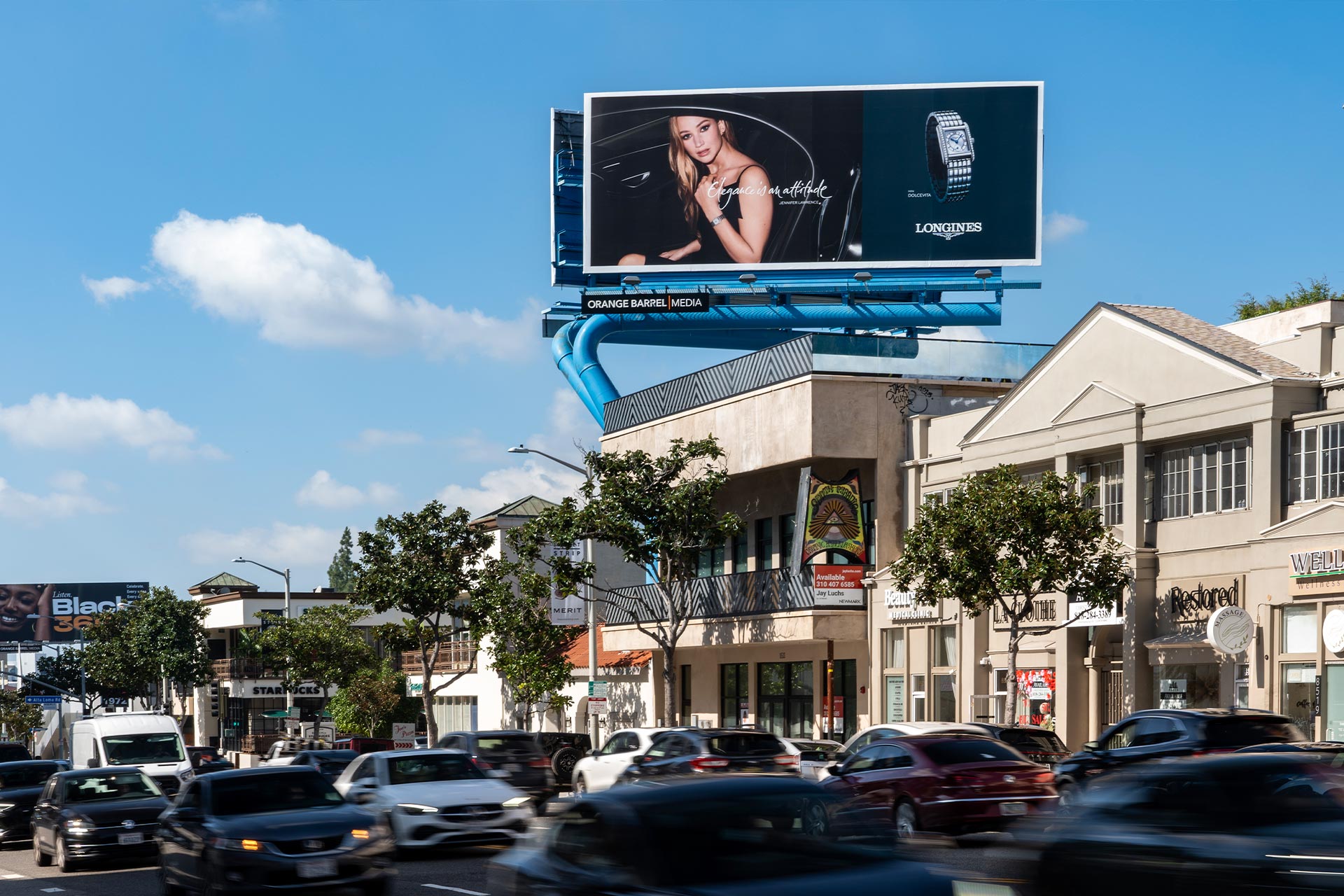
As of 2026, the number of physical billboards has significantly decreased compared to her 1990s peak, but the legacy remains. Digital billboards occasionally feature her image, and her presence is still felt through murals and historical homages scattered throughout the city.
Technical Aspects of 1980s Billboard Production
It is important to understand that in the 1980s, billboards were not digital screens or vinyl wraps. They were "bulletins"—large-scale paintings created by skilled artists.
- Hand-Painting: Artists would work in large warehouses, painting the image onto sections of plywood or metal.
- Grid System: To scale a small photograph of Angelyne to a 14x48 foot billboard, artists used a grid system to ensure proportions remained accurate.
- Installation: The panels were then transported to the site and bolted onto the billboard structure. This was a labor-intensive and expensive process, highlighting the significant investment Angelyne and her team made in her persona.
- Maintenance: The California sun is notorious for fading paint. To maintain her "vibrant pink" look, the billboards required periodic touch-ups or complete repaints, which Angelyne meticulously supervised.
Angelyne in the 21st Century and Beyond
The 2022 Peacock limited series Angelyne, starring Emmy Rossum, brought the story of the billboards to a new generation. It explored the complexities of her persona and the sheer effort required to maintain a public image for four decades.
In 2026, Angelyne remains a living monument to a specific era of Los Angeles history. While her physical billboards are fewer, her influence is everywhere. The concept of "self-marketing" has moved from the roadside to the smartphone, but the DNA of the modern influencer—the curated image, the signature color, the carefully guarded privacy—can all be traced back to those first pink signs on Sunset Boulevard.
She continues to make appearances in her pink Corvette, often parked near the few remaining spots where her billboards once reigned supreme. She has also embraced the digital age to a degree, utilizing social media to sell her art and merchandise, though she remains famously protective of her image, often requiring payment or "fan club" membership for photographs.
FAQs About Angelyne's Billboards
How many billboards did Angelyne actually have?
At the height of her visibility in the mid-1990s, estimates suggest there were over 200 billboards across Los Angeles. However, Angelyne herself has often used hyperbole when discussing her reach, and the exact number fluctuated based on available funding and billboard lease cycles.
Who paid for the Angelyne billboards?
The primary financier for many years was Scott Hennig, an entrepreneur and investor who was also her husband for a period. Later in her career, the billboards were funded through the proceeds of her merchandise sales, music, and appearances, as well as private investors who saw the value in the "Angelyne" brand.
Did Angelyne ever run for office using her billboards?
Yes, Angelyne used her established billboard presence to launch several political campaigns. Most notably, she ran for Governor of California in the 2003 recall election (finishing 28th out of 135 candidates) and again in the 2021 recall election. Her campaign slogan was often "We Want Angelyne," leveraging her existing brand recognition rather than a traditional political platform.
Are there any Angelyne billboards left in Los Angeles today?
As of 2026, there are very few permanent, hand-painted Angelyne billboards remaining. Most have been replaced by digital advertising or newer commercial campaigns. However, she periodically rents space for short-term "anniversary" billboards or special promotions, and her image is frequently featured in murals and street art across the city.
What happened to the original billboard paintings?
Because traditional billboards of the 80s and 90s were often painted over or dismantled, many of the original panels were destroyed. However, Angelyne is known to have kept some of the smaller promotional materials and original photographs used for the billboards, which she occasionally displays at art galleries or pop-up events in Los Angeles.
Can I still see Angelyne in person in Los Angeles?
Yes. Angelyne is a frequent sight in Hollywood, West Hollywood, and the San Fernando Valley. She is almost always in her signature pink Corvette. While she is generally open to seeing fans, it is a well-known local "rule" that she expects merchandise to be purchased or a donation to be made to her "fan club" in exchange for formal photos or extended conversation.
Practical Recommendations for Angelyne Enthusiasts
For those looking to experience the legacy of Angelyne’s billboards in 2026, the best approach is a "historical tour" of her most famous haunts. Start at the Sunset Strip near the intersection of Sunset and San Vicente, which was the site of her most iconic early displays. From there, head to Hollywood Boulevard to see where her star (metaphorically) shines brightest among the tourists.
If you are lucky enough to spot the pink Corvette, remember that Angelyne views herself as a professional entity. Treat an encounter like a visit to a gallery; show respect for the "living billboard" she has worked so hard to maintain. For a more structured look at her impact, check local Los Angeles gallery listings, as she frequently hosts art shows featuring her own paintings and photography that capture the spirit of the original billboard era.