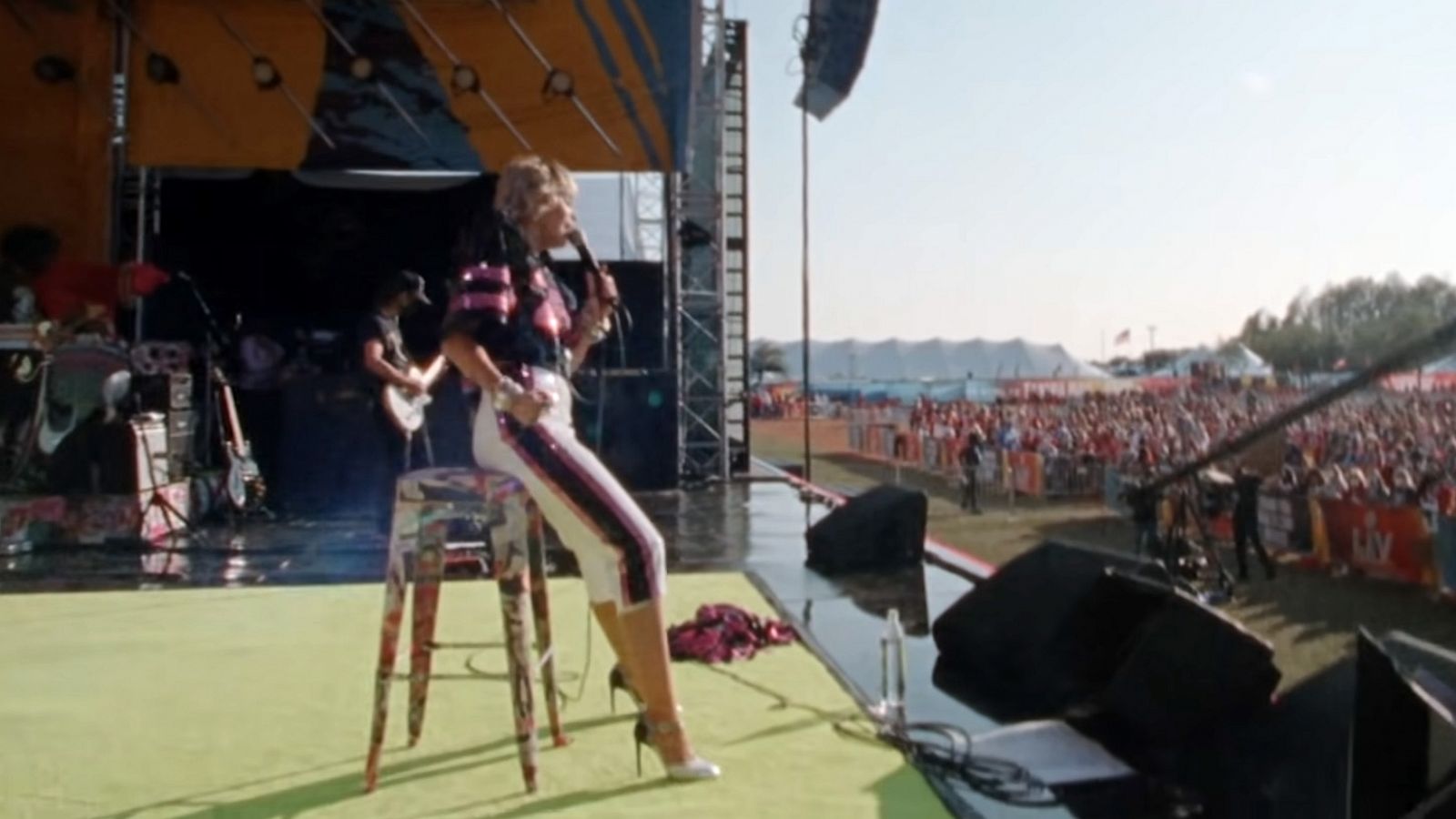
Miley Cyrus’s "Angels Like You" is a power ballad from her 2020 album Plastic Hearts that explores themes of self-sabotage, mismatched compatibility, and the painful realization that one’s own lifestyle or personality is detrimental to a partner. The song gained controversy and intense public interest due to its perceived lyrical references to her ex-husband, Liam Hemsworth, and its music video filmed during the COVID-19 pandemic.
In the landscape of 2026, music historians and fans alike look back at the Plastic Hearts era as a pivotal transition for Miley Cyrus. It was the moment she traded the psychedelic pop of Miley Cyrus & Her Dead Petz and the country-leanings of Younger Now for a gritty, rock-infused sound that finally matched the natural rasp of her vocal cords. At the heart of this transformation was "Angels Like You," a track that remains one of her most emotionally raw and debated releases.
The Origins of "Angels Like You": Context and Release
"Angels Like You" was released as the third single from Cyrus's seventh studio album, Plastic Hearts. Written by Cyrus along with high-profile collaborators Ali Tamposi, Ilsey Juber, and producers Louis Bell and Andrew Watt, the song arrived at a time when Cyrus's personal life was under heavy tabloid scrutiny. Following her high-profile divorce from Liam Hemsworth and a brief, highly publicized relationship with Kaitlynn Carter, the public was eager to dissect her lyrics for clues about her emotional state.
Musically, the song is a classic rock ballad. It begins with a deceptively simple acoustic guitar melody that gradually swells into a stadium-sized anthem, complete with crashing drums and soaring vocal harmonies. The production choices were deliberate, designed to evoke the nostalgia of 80s rock while maintaining the crispness of modern pop. In 2026, the track stands as a masterclass in how to bridge the gap between "Old Miley" and the "Rockstar Miley" persona that would eventually lead to her later successes, such as her Grammy-winning work on Endless Summer Vacation.
The track was officially sent to contemporary hit radio in May 2021, but its impact was felt almost immediately upon the album's release in late 2020. It became a fan favorite not just for its melody, but for the stark honesty that seemed to radiate from every line.
Decoding the Lyrics: The Controversy of Self-Blame
The primary controversy surrounding "Angels Like You" stems from its narrative of self-deprecation. In an era where "breakup anthems" were increasingly focused on empowerment and moving on (a theme Cyrus would later perfect in "Flowers"), "Angels Like You" took a different, more somber path. It portrayed Cyrus as the "villain" or at least the "problem" in the relationship.
The "Angel" vs. "Rebel" Trope
The chorus contains the central thesis of the song: "I know that you're wrong for me / Gonna wish we never met on the day I leave / I brought you down to your knees / 'Cause angels like you can't fly down here with me." By labeling her partner an "angel" and herself as someone who belongs "down here," Cyrus leans into the public persona that had followed her since the Bangerz era—the wild, unpredictable rebel who ruins the "good thing" she has.
Critics and fans spent months debating who the "Angel" was. While the timeline heavily suggested Liam Hemsworth—given their ten-year on-again, off-again history—the lyrics could also be interpreted as a broader commentary on her inability to fit into the conventional molds expected of her. The controversy lies in whether this self-blame was a genuine reflection of her feelings or a calculated response to the media narrative that had painted her as the cause of her marriage’s failure.
Key Lyrical Interpretations
- "I'm everything they said I would be": This line is particularly haunting. It suggests a resignation to the negative labels the media had placed on her since her teenage years. It implies that despite her efforts to change, she eventually succumbed to the "wild child" archetype.
- "It’s not your fault I ruin everything": This direct admission of guilt was jarring for fans who wanted to see Cyrus as a victim of a restrictive relationship. Instead, she chose to present a more complex, messy reality where she took ownership of the destruction.
- "I know that you're wrong for me": Crucially, even while blaming herself, she acknowledges the fundamental incompatibility. It wasn't just that she was "bad," but that their two worlds—the angelic and the grounded—could never coexist.
The Music Video and the COVID-19 Context
The controversy of "Angels Like You" wasn't limited to its lyrics. The music video, directed by Alana O'Herlihy and Cyrus herself, was filmed at the first-ever "TikTok Tailgate" during Super Bowl LV in February 2021.
At that time, the world was still grappling with the COVID-19 pandemic. The event featured an audience of 7,500 vaccinated healthcare workers, making it one of the first major live music events since the lockdowns began. While the intent was celebratory and a tribute to frontline workers, it sparked debate regarding the safety of large gatherings and the optics of celebrity performances during a global crisis.
The video captures the raw energy of Cyrus’s performance, but it ends with a handwritten note from Miley: "We all look forward to being together again + maybe it'll happen sooner than we thought with vaccines becoming more available. Each of us can help stop the pandemic by being vaccinated. Together we can make the experience of live music a reality again." This move was seen by some as a bold use of her platform to promote public health, while others criticized it as an intrusion of politics into music. From the vantage point of 2026, the video serves as a time capsule of the transitional period between pandemic isolation and the return of live entertainment.
Technical Analysis: Production and Vocal Delivery
To understand why "Angels Like You" resonated so deeply, one must look at the technical aspects of its production. Louis Bell and Andrew Watt, who have worked with artists like Post Malone and Justin Bieber, brought a specific "grit" to the track.
Vocal Performance
Cyrus’s voice on this track is notable for its deliberate lack of polish. You can hear the cracks, the breathiness, and the slight strain in her upper register during the climax. This wasn't a mistake; it was a choice. By 2020, Cyrus’s voice had deepened significantly due to surgery for Reinke’s edema and years of touring. "Angels Like You" utilizes this new texture to convey exhaustion and heartbreak. The raspiness makes the line "It's not your fault I ruin everything" feel like a confession whispered in the dark rather than a rehearsed lyric.
Instrumental Layering
The song follows a "crescendo" structure:
- Verse 1: Primarily acoustic guitar and muted vocals.
- Chorus 1: Entry of soft percussion and bass, establishing a steady heartbeat.
- Bridge: The introduction of electric guitar distortions, signaling the emotional peak.
- Final Chorus: Full orchestral and rock band arrangement, allowing Cyrus to "belt" over the wall of sound.
| Feature | Description | Impact on Listener |
|---|---|---|
| BPM | Approximately 122 BPM | Creates a mid-tempo, driving feel that is both melancholic and energetic. |
| Key | C Major (with melancholic chord progressions) | Provides a familiar, accessible sound that feels "classic." |
| Vocal Range | Low G3 to High E5 | Showcases Cyrus’s impressive lower register and powerful belting capability. |
| Genre | Soft Rock / Pop-Rock Ballad | Appeals to both modern pop fans and legacy rock enthusiasts. |
Comparing "Angels Like You" to Other Miley Cyrus Eras
In 2026, we can see "Angels Like You" as a middle chapter in a long narrative of self-discovery. It is useful to compare it to other landmark songs in her career to understand its unique place.
- "7 Things" (2008): A teenage perspective on heartbreak. It was angry and lists a partner's flaws. "Angels Like You" is the adult inversion of this; instead of listing his flaws, she analyzes their incompatibility and her own failings.
- "Wrecking Ball" (2013): This was about the initial explosion and trauma of a breakup. It was loud, visual, and desperate. "Angels Like You" is the quiet aftermath—the reflective period years later when the dust has settled and the "why" becomes clearer.
- "Slide Away" (2019): Released immediately after her split from Hemsworth, this song focused on the "evolution" of people and how they grow apart. It was more ethereal and detached.
- "Flowers" (2023): This is the ultimate resolution. If "Angels Like You" is the "I’m the problem" song, "Flowers" is the "I’m actually fine on my own" song. You cannot have the empowerment of "Flowers" without the painful self-reflection found in "Angels Like You."
Why the Song Remains Relevant in 2026
The reason "Angels Like You" continues to appear on playlists and in critical discussions today is its universality. While the "controversy" was the initial hook, the song’s staying power lies in its portrayal of "right person, wrong time" or "good person, bad match."
Many listeners relate to the feeling of being "not enough" for someone they perceive as perfect. The "Angel" metaphor is a powerful literary device that captures the pedestal we often put our partners on when a relationship is failing. By admitting she "brought them down to their knees," Cyrus touches on the guilt associated with being the one who initiates a breakup or the one who is "harder to love."
Furthermore, the song served as a bridge for Cyrus to gain credibility in the rock world. Following the release of Plastic Hearts, she was praised by rock legends like Joan Jett and Stevie Nicks. "Angels Like You" proved she could handle a rock ballad with the same gravitas as the greats who preceded her.
FAQ
Who is "Angels Like You" officially about?
While Miley Cyrus has never explicitly named the subject in a press release, it is widely accepted by fans and music critics to be about Liam Hemsworth. The lyrics mention a "ten years" timeframe in some live performances and the general themes align with the narrative of their marriage and divorce.
Was the song "Angels Like You" a chart success?
The song performed well on streaming platforms, particularly in the UK and Australia. While it didn't reach the "Number 1" heights of "Flowers," it became a multi-platinum digital success and remains one of her most-streamed ballads on platforms like Spotify.
Where was the music video for "Angels Like You" filmed?
The video was filmed at Raymond James Stadium in Tampa, Florida, during the TikTok Tailgate pre-show for Super Bowl LV. It features actual healthcare workers who were invited to the event as a thank-you for their work during the pandemic.
What album is "Angels Like You" on?
It is the third track on Miley Cyrus’s seventh studio album, Plastic Hearts, released in November 2020.
Why is the song considered "controversial"?
The controversy primarily involves two factors: the lyrics where Miley seems to take all the blame for a failed relationship (which some fans felt was an unfair self-characterization) and the music video’s production during the height of the COVID-19 pandemic.
Final Recommendation: How to Experience the Song Today
To fully appreciate "Angels Like You" in 2026, it is recommended to listen to the Plastic Hearts album in its entirety. The track functions best when heard after the high-energy "Midnight Sky" and before the more experimental tracks on the album's B-side.
For a more intimate experience, search for the live acoustic performances from her "Backyard Sessions." These versions strip away the heavy production of Louis Bell and Andrew Watt, leaving only Cyrus’s raw vocals and a guitar. This version highlights the lyrical vulnerability and clarifies why, despite the controversies of its release, the song remains a cornerstone of Miley Cyrus’s artistic legacy.