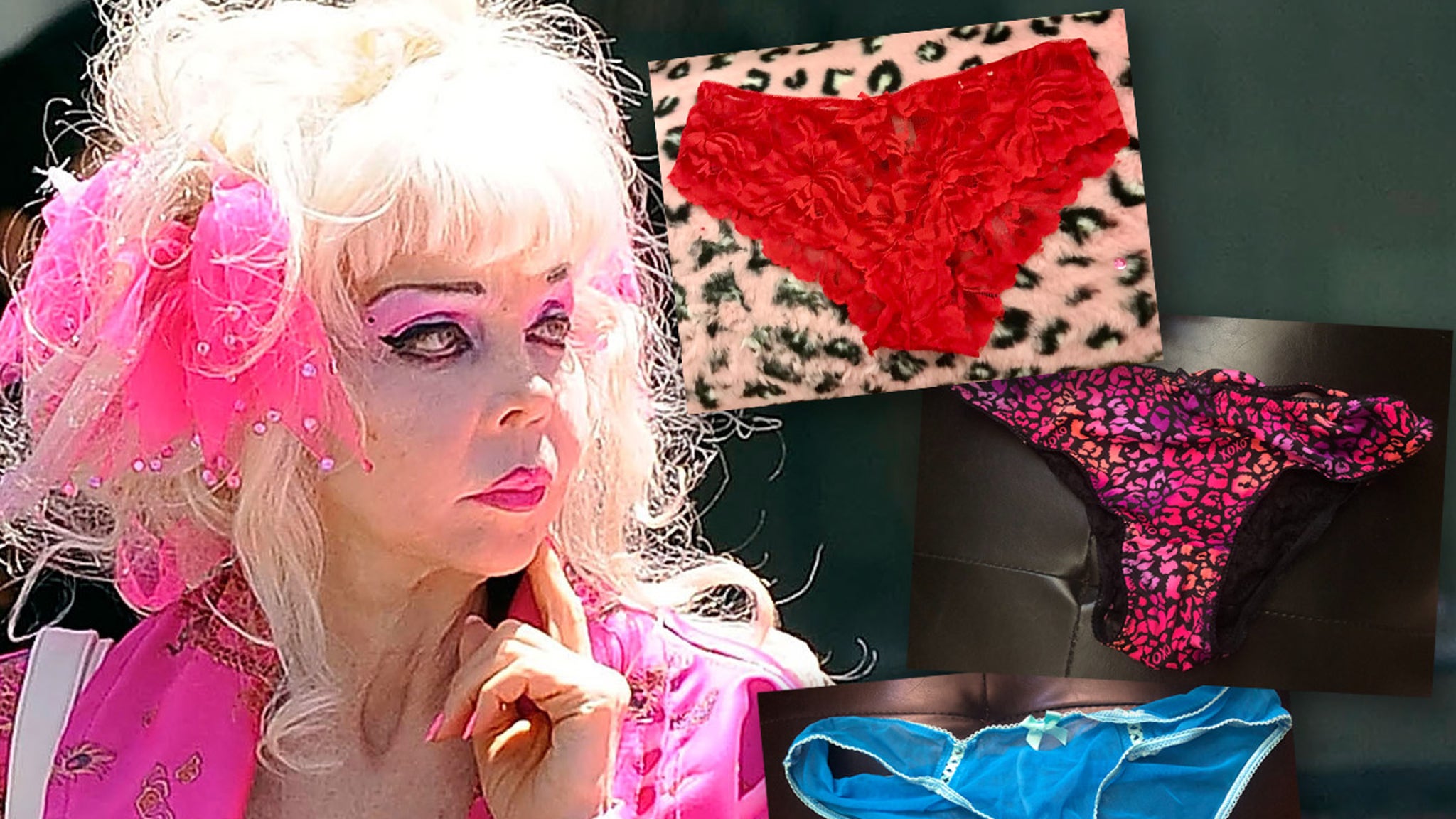
Angelyne’s 1984 billboard debut on Sunset Boulevard redefined celebrity by introducing the concept of being "famous for being famous." Using massive, pink-themed outdoor displays, she bypassed traditional media to build a personal brand, sparking a local billboard boom that changed Los Angeles's visual and cultural landscape forever.
The 1984 Catalyst: A Pink Revolution on Sunset Boulevard
In February 1984, the residents of Los Angeles awoke to a sight that would eventually become as synonymous with the city as the Hollywood Sign. A massive billboard appeared at the intersection of Sunset Boulevard and Wells Drive, featuring a blonde woman in a provocative pose, draped across a pink background, with a single word in bold, stylized lettering: Angelyne. There was no product for sale, no movie title to promote, and no contact information provided. This singular event marked the beginning of a decades-long dominance of the L.A. skyline and the birth of a new kind of celebrity.
The timing was perfect. 1984 was a year of excess and high-gloss aesthetics in Southern California, coinciding with the Los Angeles Summer Olympics. While the world’s eyes were on the city’s athletic prowess, Angelyne was executing a masterclass in subversive marketing. Before the advent of social media, "going viral" required physical space and significant capital. By claiming the most expensive real estate in the city—the air above the Sunset Strip—Angelyne forced herself into the public consciousness.
This initial board was not a one-off stunt. It was the spark that ignited a "billboard boom." Shortly after the first one appeared, others followed in rapid succession across Hollywood, West Hollywood, and the San Fernando Valley. The sheer scale of the campaign suggested a massive corporate backing, yet the mystery of who was paying for them—and why—only fueled the public's obsession.
The Architecture of the "Mystery Campaign"
The 1984 campaign succeeded because it relied on the psychological principle of curiosity. In a traditional 1980s advertising landscape, billboards were utilitarian tools for film studios and tobacco companies. They followed a "call to action" format. Angelyne’s boards lacked this entirely. By presenting herself as a product without a purpose, she invited the viewer to project their own desires and questions onto her image.
The Role of Hugo Maisnik
Behind the scenes, the logistics of this boom were managed by Hugo Maisnik, a local entrepreneur and owner of a printing business. Maisnik saw in Angelyne a unique opportunity to test the limits of outdoor advertising. Their partnership was symbiotic; his printing capabilities allowed for the rapid production of high-quality, large-scale displays, while her persona provided the "content."
The technical execution of these early boards was a feat in itself. In 1984, large-format digital printing was not yet the industry standard. Many of these boards were hand-painted or assembled from multiple printed panels. The vibrant, "hot pink" aesthetic required specific ink formulations to resist fading under the harsh California sun, a technical detail that contributed to the boards' high-visibility and longevity.
Geographic Dominance
The concentration of billboards in specific high-traffic areas was a calculated move. By saturating the Sunset Strip, Angelyne ensured that every talent agent, producer, and tourist in Hollywood would see her face multiple times a day. This created an illusion of omnipresence. If she was everywhere, she must be someone important. This "fake it 'til you make it" strategy is now a cornerstone of modern digital branding, but in 1984, it was an expensive and radical gamble.
How the Angelyne Boom Changed Outdoor Advertising
The success of Angelyne’s 1984 campaign signaled a shift in how billboard companies operated. Before this era, outdoor advertising was largely the playground of multinational corporations. Angelyne proved that "vanity boards"—ads purchased by individuals to promote themselves—were a lucrative and untapped market segment.
Billboard companies like Regency and Pacific Outdoor Advertising (now part of larger conglomerates) began to see an influx of inquiries from aspiring actors, models, and even lawyers looking to replicate the "Angelyne Effect." This led to a diversification of the Sunset Strip’s visual language. The "billboard boom" of the mid-80s transformed the corridor into an outdoor gallery of self-promotion, where the line between art, advertisement, and personality became permanently blurred.
| Feature | Traditional 1984 Advertising | The Angelyne Model |
|---|---|---|
| Primary Goal | Sell a specific product/service | Establish a personal brand/persona |
| Call to Action | Phone number, address, or "Coming Soon" | Visual presence only (No text/Contact) |
| Aesthetic | Corporate-approved, standard layouts | High-concept, stylized, monochromatic |
| Target Audience | General consumers | The Hollywood elite and "the curious" |
| Longevity | Short-term (4-8 weeks) | Decade-spanning consistency |
The "Famous for Being Famous" Paradigm
Angelyne is often cited as the precursor to the modern influencer. In 1984, the concept of being "famous for being famous" was largely attributed to the ideas of Andy Warhol, who famously predicted that in the future, everyone would be world-famous for fifteen minutes. Angelyne took that fifteen minutes and stretched it into half a century.
Her billboard boom bypassed the traditional gatekeepers of fame. She didn't wait for a studio head to cast her in a role or a record label to sign her to a contract. She "self-published" her celebrity. This democratization of fame—achieved through the brute force of capital and physical presence—paved the way for the reality TV stars and social media moguls of the 21st century.
By 2026, we see the digital equivalent of her 1984 boom in the form of "ad-buys" on social media feeds. However, the physical billboards of 1984 had a visceral impact that digital pixels cannot replicate. They occupied shared public space, making Angelyne a communal landmark rather than a private algorithm preference.
Technical Specifications and Economic Impact of the Boom
The billboards of the 1984 era were typically "bulletins," the largest standard size in outdoor advertising, measuring approximately 14 feet by 48 feet. To maintain a dominant presence on the Sunset Strip in the mid-80s, the costs were substantial.
Estimated Costs and Logistics
- Lease Rates: In 1984, a prime spot on Sunset could cost between $3,000 and $8,000 per month.
- Production: The cost of painting or printing a large-scale bulletin added several thousand dollars per installation.
- Rotation: To keep the "boom" alive, Angelyne and Maisnik frequently rotated the artwork, ensuring the public never grew "blind" to the boards.
This consistent investment pumped millions of dollars into the local L.A. outdoor advertising economy over several decades. It also turned billboard locations themselves into "stars." A location that featured an Angelyne board often saw its value increase because it was perceived as a "hot" spot for cultural relevance.
The Cultural Longevity of the 1984 Movement
While the 1984 boom was the peak of her initial saturation, the momentum carried through the 90s and early 2000s. Angelyne’s image became a shorthand for Los Angeles itself. Filmmakers used her billboards in "B-roll" footage to instantly establish a scene as taking place in Hollywood.
Even as of 2026, the influence of that original 1984 campaign persists. It has been the subject of investigative journalism (notably the 2017 Hollywood Reporter exposé that revealed her birth identity as Renée Tuten) and a 2022 limited series starring Emmy Rossum. These modern retrospectives confirm that the 1984 boom wasn't just about a woman on a board; it was about the birth of a new marketing psychology.
The "Angelyne Phenomenon" taught the industry that image is an asset in itself. You do not need a movie to sell a face; you can use a face to create the demand for the movie, the music, or the merchandise that follows.
Frequently Asked Questions
Why did Angelyne start putting up billboards in 1984?
Angelyne, an aspiring singer and actress, sought a way to bypass traditional Hollywood casting and promotion. In partnership with Hugo Maisnik, she used the billboards to create an "iconic" status through sheer visibility. The goal was to become a recognizable brand that would lead to film roles and record sales.
Who funded the 1984 billboard boom?
The primary financier and facilitator was Hugo Maisnik, a businessman who owned a large-scale printing and display company. He provided the resources, printing materials, and logistical support to maintain the boards. Angelyne also sold merchandise and made personal appearances to help sustain the brand's overhead.
Where was the very first Angelyne billboard located?
The first billboard appeared in February 1984 on Sunset Boulevard at Wells Drive (near the Sunset Plaza area). This location was chosen for its high density of industry professionals and wealthy residents.
Did the 1984 billboards actually lead to a career for Angelyne?
Yes, but perhaps not in the traditional sense. While she didn't become an A-list movie star, she released several albums (including Driven to Fantasy), appeared in numerous films (such as Earth Girls Are Easy), and became a permanent fixture of L.A. culture. Her "career" was essentially being Angelyne, which she monetized through appearances, merchandise, and media rights.
How many billboards were there at the height of the boom?
At the peak of the campaign following the 1984 launch, there were reportedly over 200 Angelyne billboards across the Los Angeles area. This saturation ensured that it was nearly impossible to drive through the city without seeing her image.
Is Angelyne still on billboards in 2026?
While the frequency of the massive hand-painted bulletins has decreased compared to the 1984-1995 peak, Angelyne maintains a presence through digital billboards and occasional vinyl placements. She remains an active figure in Los Angeles, often seen in her signature pink Corvette, which functions as a mobile billboard for her brand.
Expert Guidance: Lessons from the 1984 Billboard Boom
For those looking to understand the mechanics of personal branding or the history of advertising, the 1984 Angelyne boom offers several practical insights:
- Niche Geographic Saturation: Angelyne didn't try to be famous everywhere at once. She focused on a specific 5-mile radius where the most influential people in her industry lived and worked.
- Visual Consistency: By sticking to a specific color palette (pink) and a consistent font and persona, she achieved "brand recognition" that rivaled major corporations.
- The Power of Mystery: In an era of over-sharing, the 1984 campaign proves that withholding information can be more engaging than providing it. By not telling the public "why" she was there, she made them work to find out.
If you are visiting Los Angeles in 2026, the best way to experience the legacy of the 1984 boom is to drive the length of Sunset Boulevard. While the faces on the boards change weekly, the culture of self-promotion that Angelyne pioneered remains the bedrock of the Hollywood dream.