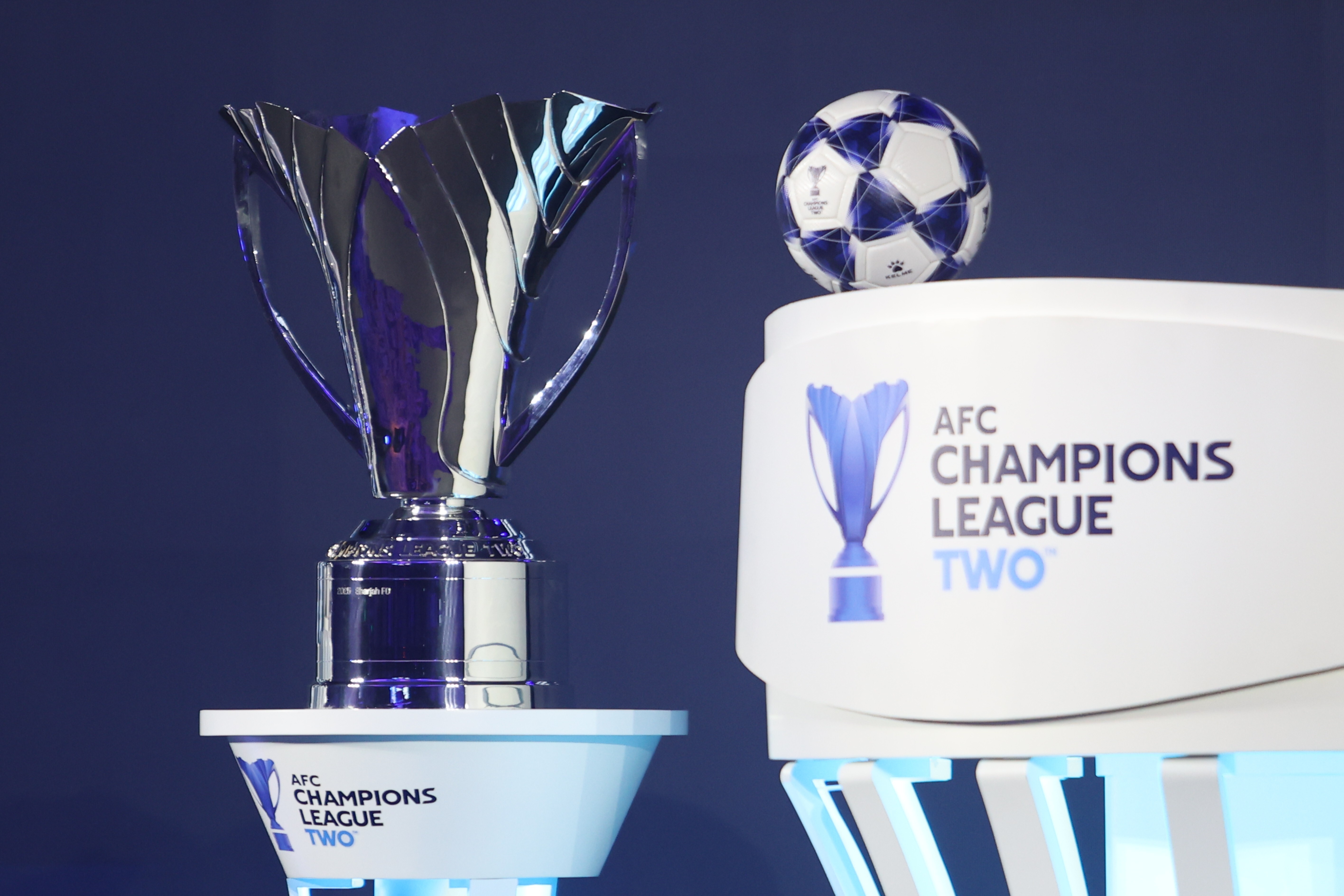
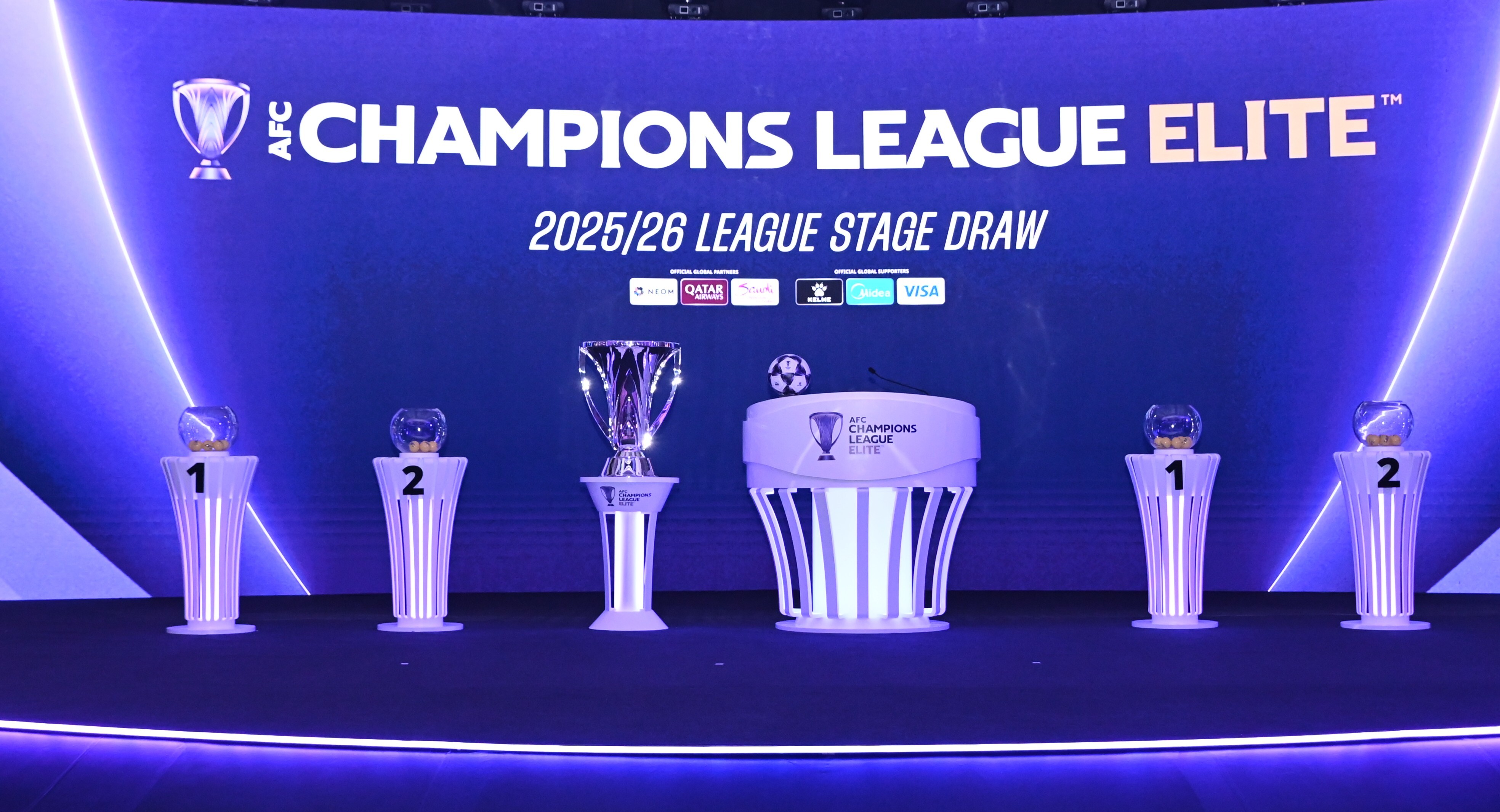
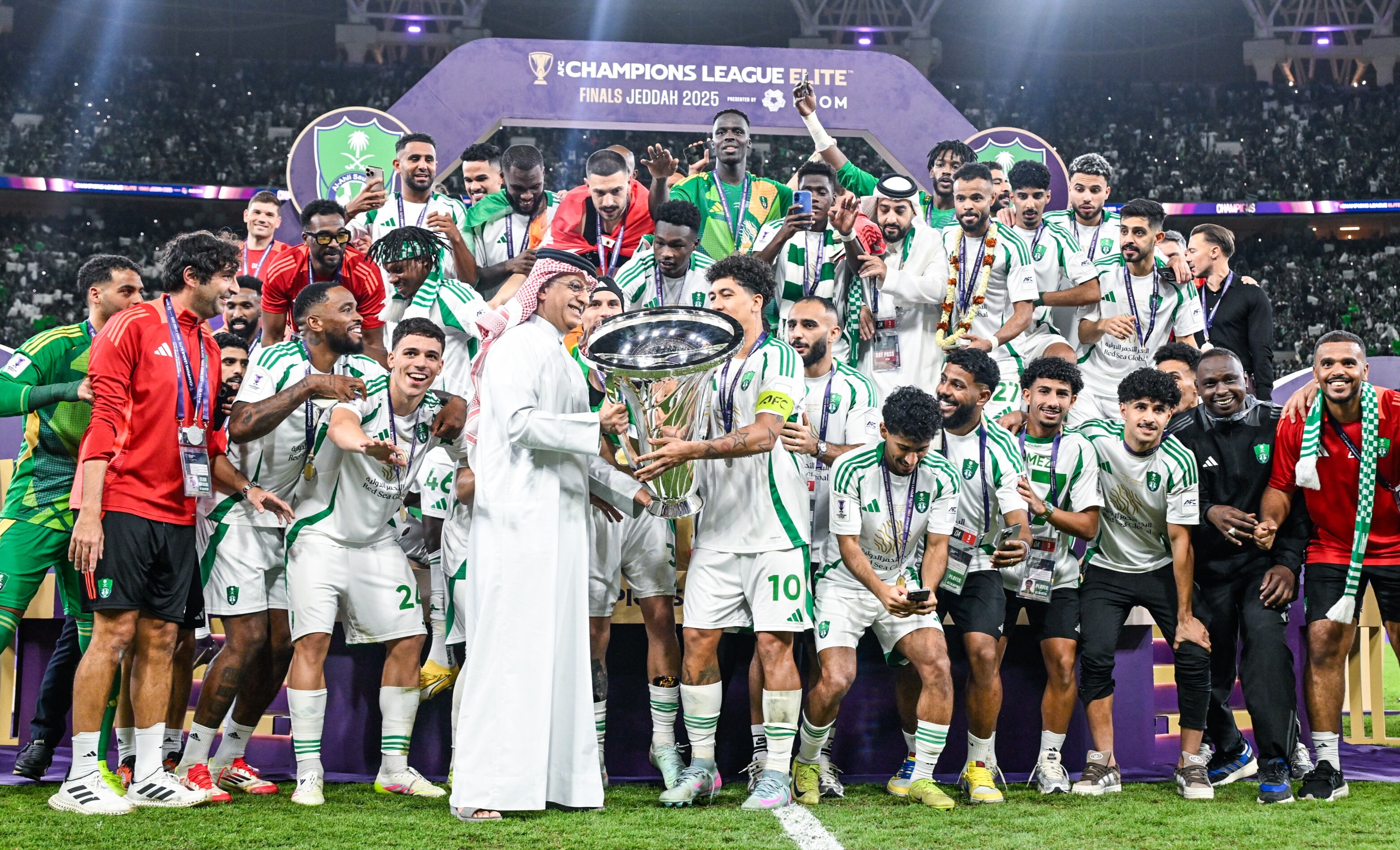
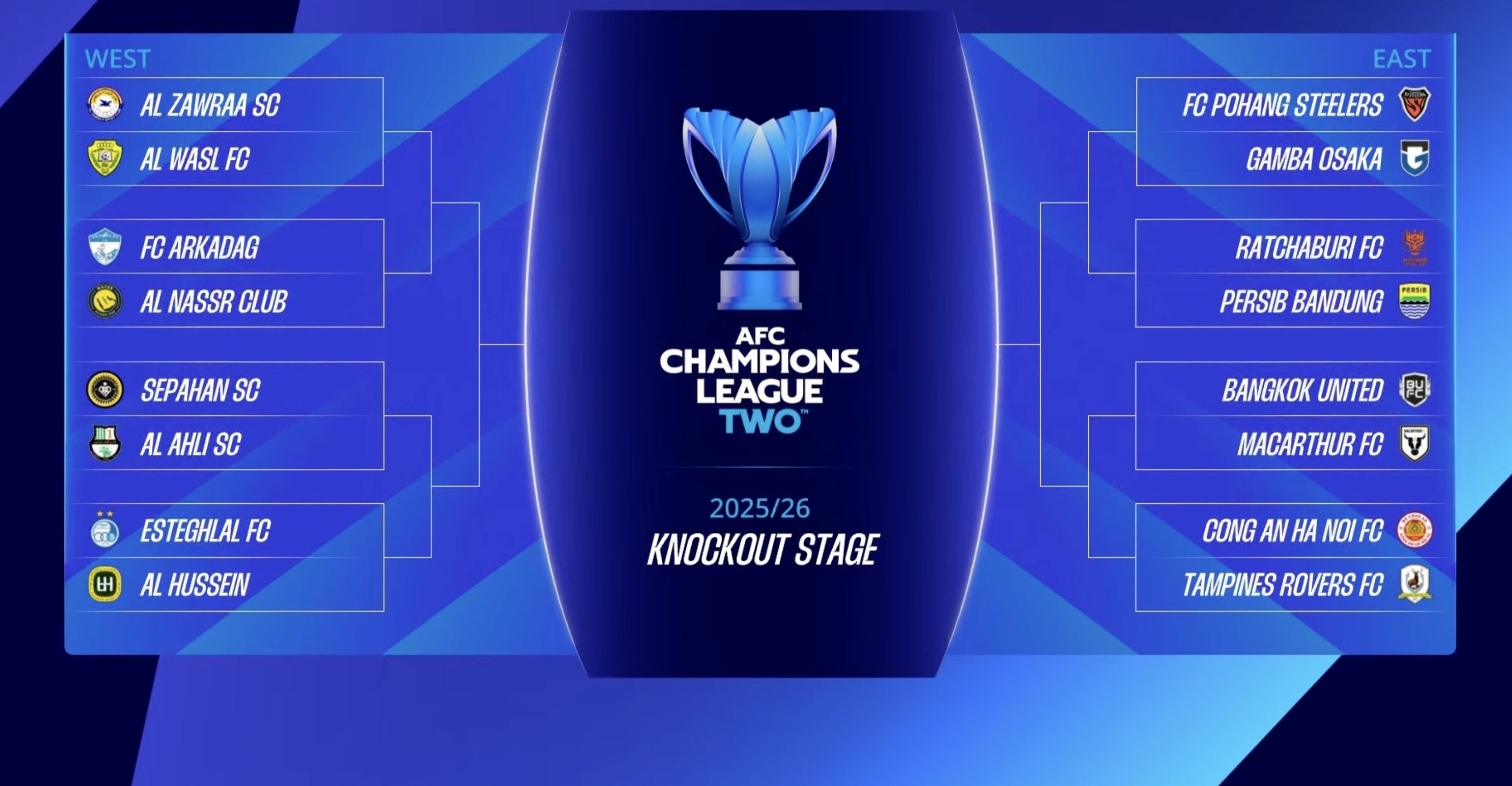
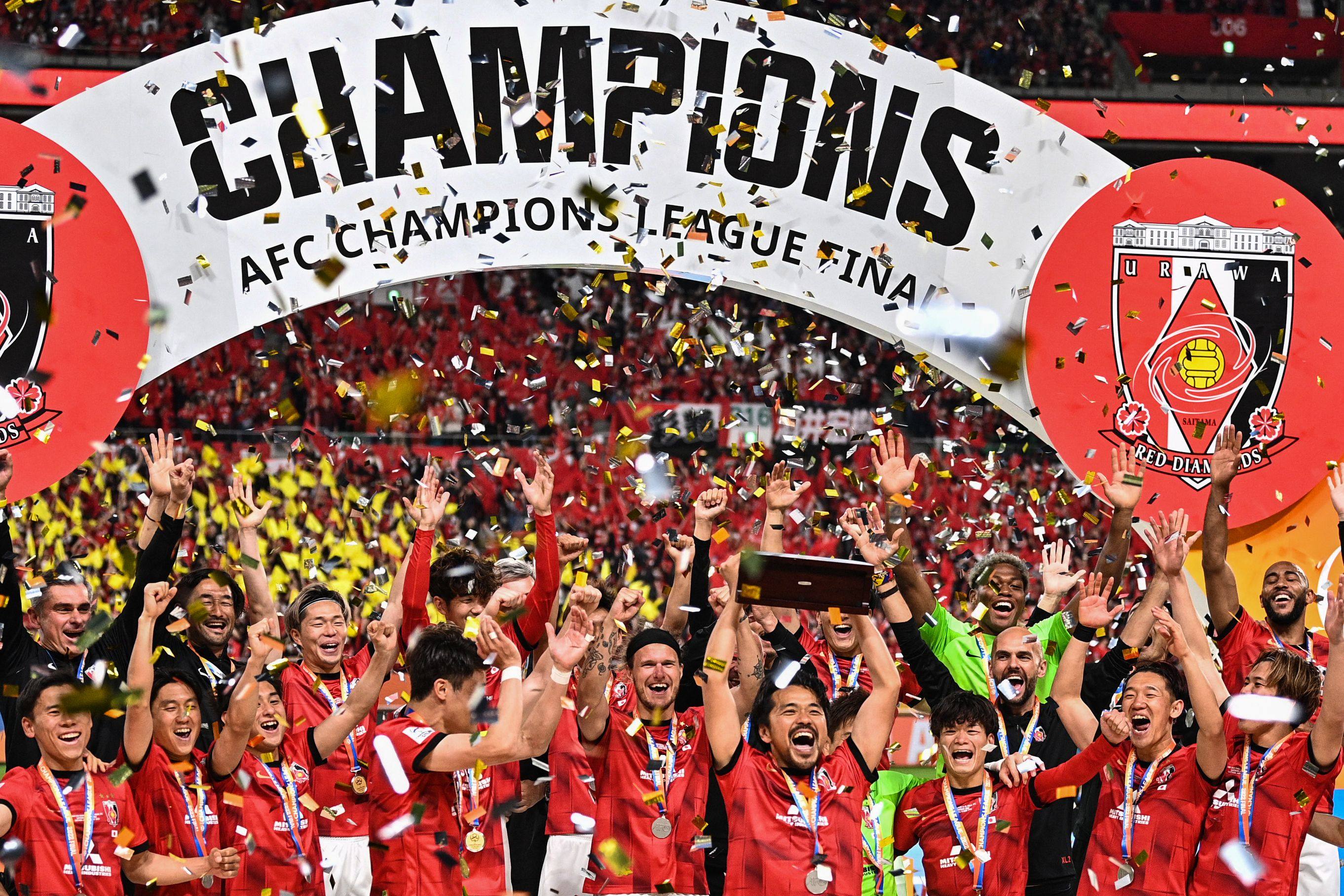
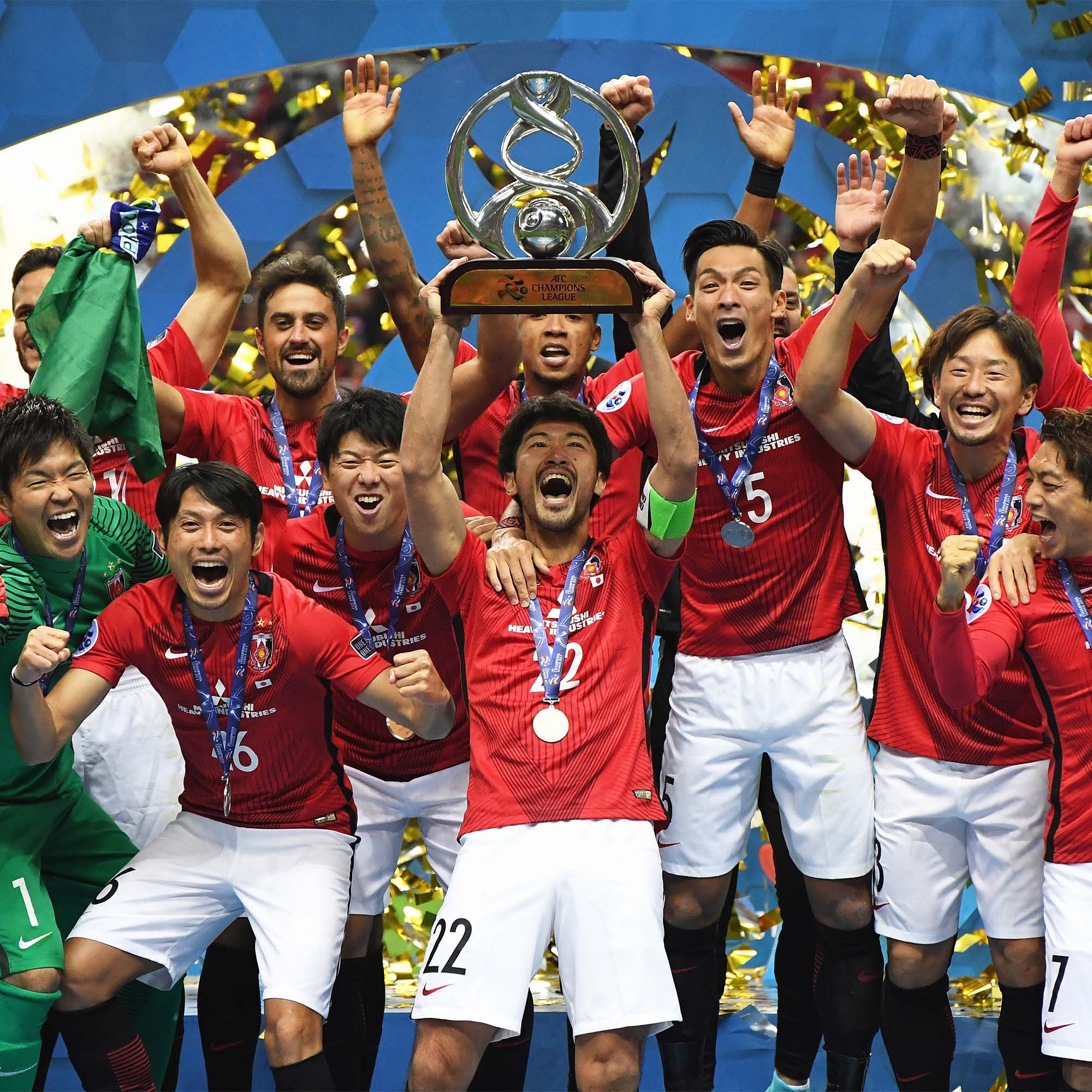
The title of AFC Champions League winner is the highest honor in Asian club football, currently held by the most elite teams across the continent. Historically, Al-Hilal SFC of Saudi Arabia stands as the most successful club with four titles, followed closely by South Korea's Pohang Steelers and Japan's Urawa Red Diamonds, each boasting three continental crowns.
The landscape of Asian club football has undergone a seismic shift as of 2026. Following the massive restructuring initiated by the Asian Football Confederation (AFC) in the 2024/25 season, the traditional "AFC Champions League" was superseded by the AFC Champions League Elite (ACLE). This rebranding was not merely cosmetic; it represented a fundamental change in the tournament's format, financial incentives, and prestige, aiming to bring Asian club competition closer to the commercial and competitive heights of the UEFA Champions League.
The Evolution of the Competition: From 1967 to the Elite Era
To understand the lineage of AFC Champions League winners, one must trace the competition back to its humble beginnings in 1967. The tournament has existed in four distinct eras, each reflecting the growing professionalism and geopolitical shifts of the Asian continent.
The Foundation (1967–1972)
Initially known as the Asian Champion Club Tournament, the competition was a brief affair, often featuring only a handful of domestic champions. Hapoel Tel Aviv became the inaugural winner in 1967. During this era, Israeli clubs were dominant, but political tensions eventually led to a hiatus of the competition in 1972 after several teams refused to play against Israeli opposition.
The Asian Club Championship (1985–2002)
After a 14-year dormancy, the competition returned in 1985 as the Asian Club Championship. This period saw the rise of South Korean dominance. Clubs like Daewoo Royals (now Busan IPark) and Pohang Steelers established the K-League as the technical benchmark for the continent. The format was still relatively regionalized, with qualifying rounds leading to a final tournament held in a centralized location.
The Modern AFC Champions League (2002–2024)
In 2002, the AFC merged the Asian Club Championship with the Asian Cup Winners' Cup to form the AFC Champions League (ACL). This era introduced the iconic home-and-away final format (with some exceptions) and a group stage that mimicked European standards. It was during this time that the competition truly gained global visibility, fueled by the rising financial power of the Chinese Super League in the 2010s and the later emergence of the Saudi Pro League as a global destination for world-class talent.
The Elite Transition (2024–Present)
As of the 2024/25 season, the competition was split into three tiers: the AFC Champions League Elite (ACLE), the AFC Champions League 2 (ACL2), and the AFC Challenge League. This was designed to concentrate the highest-quality teams in a 24-club "Elite" bracket, significantly increasing the prize money for the winners—from $4 million in 2023 to $12 million in 2025.
Record-Breaking Clubs: The Titans of Asia
The history of the tournament is dominated by a few "super-clubs" that have consistently reached the latter stages. These organizations have built their success on a combination of strong domestic foundations, strategic foreign recruitment, and home-ground fortresses.
Al-Hilal SFC (Saudi Arabia)
Al-Hilal is widely regarded as the most successful club in Asian history. With titles in 1991, 2000, 2019, and 2021, they have demonstrated an uncanny ability to reinvent themselves across different eras. Their success is often attributed to a massive scouting network and the ability to attract high-caliber international players (such as Bafétimbi Gomis and later Neymar Jr) who complement a core of Saudi national team regulars.
Pohang Steelers (South Korea)
Pohang’s legacy was largely built in the late 90s and reinforced in 2009. Known for their "Steelers Way" of tactical discipline and efficient counter-attacking football, they were the first club to reach three titles. While they have faced stiffer financial competition from West Asian clubs recently, their historical significance as the early trendsetters of the K-League remains undisputed.
Urawa Red Diamonds (Japan)
Urawa Reds are the standard-bearers for Japanese club football in the ACL. Their victories in 2007, 2017, and 2022 were characterized by massive home support at the Saitama Stadium 2002. Urawa’s success often highlights the tactical sophistication of the J-League, emphasizing high-pressing and technical possession football.
National Dominance: Which Countries Rule the AFC?
When analyzing AFC Champions League winners by country, a clear hierarchy emerges between the East and West regions. South Korea remains the most decorated nation, but the power balance has frequently shifted.
- South Korea (K-League): Boasting 12 titles shared among multiple clubs (Pohang, Seongnam, Jeonbuk, Ulsan), the K-League's depth is its greatest strength.
- Japan (J-League): With 8 titles, Japan has been the most consistent challenger to Korean dominance in the East, focusing on sustainable club growth and youth development.
- Saudi Arabia (Pro League): Saudi clubs have won 6 titles. Their dominance is often cyclical, usually peaking when their domestic league invests heavily in European and South American stars.
- China (CSL): Although currently in a period of consolidation, Guangzhou Evergrande’s two titles (2013, 2015) marked a decade where Chinese financial power threatened to monopolize the trophy.
The East-West Divide: A Unique Continental Structure
A defining feature of the AFC Champions League has been the geographical split. Due to the vast size of the Asian continent and the logistical challenges of travel, the tournament has traditionally been divided into West Region (West Asia, Central Asia, South Asia) and East Region (East Asia, Southeast Asia, Oceania/Australia).
Until the final, teams only played within their respective regions. This created two distinct styles of play:
- The West Style: Often characterized by high-tempo, physical football, heavily reliant on star individual players and intimidating home atmospheres in places like Riyadh, Doha, and Tehran.
- The East Style: Generally focused on tactical systems, high work rates, and collective pressing, typical of the Japanese and Korean schools of thought.
In the 2024/25 Elite restructuring, this divide was modified to allow for more cross-regional interaction in the later knockout stages, though the group stages (now a "League Stage" format) still maintain a level of regional separation to manage travel costs and player fatigue.
Detailed History of AFC Champions League Winners (2003–2024)
The following table tracks the winners and runners-up since the competition was rebranded in 2002/03. This period represents the modern era of the competition before the 2024 "Elite" transition.
| Season | Winner | Country | Runner-up | Aggregate Score |
|---|---|---|---|---|
| 2002/03 | Al-Ain | UAE | BEC Tero Sasana | 2–1 |
| 2004 | Al-Ittihad | Saudi Arabia | Seongnam Ilhwa Chunma | 6–3 |
| 2005 | Al-Ittihad | Saudi Arabia | Al-Ain | 5–3 |
| 2006 | Jeonbuk Hyundai Motors | South Korea | Al-Karamah | 3–2 |
| 2007 | Urawa Red Diamonds | Japan | Sepahan | 3–1 |
| 2008 | Gamba Osaka | Japan | Adelaide United | 5–0 |
| 2009 | Pohang Steelers | South Korea | Al-Ittihad | 2–1 (Single Match) |
| 2010 | Seongnam Ilhwa Chunma | South Korea | Zob Ahan | 3–1 (Single Match) |
| 2011 | Al-Sadd | Qatar | Jeonbuk Hyundai Motors | 2–2 (4–2 pens) |
| 2012 | Ulsan Hyundai | South Korea | Al-Ahli | 3–0 |
| 2013 | Guangzhou Evergrande | China | FC Seoul | 3–3 (Away goals) |
| 2014 | Western Sydney Wanderers | Australia | Al-Hilal | 1–0 |
| 2015 | Guangzhou Evergrande | China | Al-Ahli | 1–0 |
| 2016 | Jeonbuk Hyundai Motors | South Korea | Al-Ain | 3–2 |
| 2017 | Urawa Red Diamonds | Japan | Al-Hilal | 2–1 |
| 2018 | Kashima Antlers | Japan | Persepolis | 2–0 |
| 2019 | Al-Hilal | Saudi Arabia | Urawa Red Diamonds | 3–0 |
| 2020 | Ulsan Hyundai | South Korea | Persepolis | 2–1 |
| 2021 | Al-Hilal | Saudi Arabia | Pohang Steelers | 2–0 |
| 2022 | Urawa Red Diamonds | Japan | Al-Hilal | 2–1 |
| 2023/24 | Al-Ain | UAE | Yokohama F. Marinos | 6–3 |
Tactical and Structural Trends in Recent Victories
Analyzing recent winners reveals a significant trend: the "death" of the defensive-only approach. From the mid-2000s to the early 2010s, many teams relied on a "park the bus" strategy during away legs to secure narrow victories. However, the modern winners (2019–2024) have favored aggressive, high-possession models.
The Rise of Professionalism in West Asia While East Asian clubs led in technical training for decades, the recent surge of Al-Hilal and Al-Ain demonstrates a closing of the gap. West Asian clubs have professionalized their youth academies and, more importantly, have begun hiring elite European coaching staff (such as Jorge Jesus or Leonardo Jardim) who bring modern tactical setups like the 4-3-3 or the 3-2-2-3 build-up structures.
The Australian Influence The inclusion of Australia in the AFC in 2006 changed the dynamic of the "East" region. Western Sydney Wanderers' victory in 2014 remains one of the greatest upsets in the tournament's history. It proved that a well-drilled, physically imposing A-League side could overcome the massive financial disparity of West Asian giants.
The Financial Stakes of Winning in 2026
Winning the AFC Champions League Elite is now more lucrative than ever. The AFC’s 2024 strategic plan significantly increased the financial rewards to ensure the tournament remains competitive against emerging regional competitions.
- Participation Fee: All clubs in the Elite League Stage receive a base participation fee.
- Performance Bonuses: Wins and draws in the league stage are incentivized with cash bonuses.
- The Grand Prize: The winner of the 2025/26 cycle earns $12 million USD, while the runner-up takes home $6 million.
- FIFA Club World Cup Qualification: Winning the ACLE remains the primary pathway for Asian clubs to qualify for the expanded FIFA Club World Cup, offering even greater global exposure and revenue.
Frequently Asked Questions
Which club has won the most AFC Champions League titles?
As of 2026, Al-Hilal SFC of Saudi Arabia holds the record with four titles (1991, 2000, 2019, and 2021). They are followed by Pohang Steelers and Urawa Red Diamonds, who both have three titles. Al-Hilal’s success is notable for spanning both the "Asian Club Championship" era and the modern "Champions League" era.
Which country has produced the most winners?
South Korea is the most successful nation in the history of the competition. K-League clubs have won the title a record 12 times. This dominance is spread across several clubs, including Pohang Steelers, Seongnam FC, Jeonbuk Hyundai Motors, and Ulsan HD (formerly Ulsan Hyundai).
What is the difference between the AFC Champions League and the AFC Champions League Elite?
The AFC Champions League Elite (ACLE) is the rebranded top-tier version of the competition that began in the 2024/25 season. The main differences include a reduced number of participating teams (24 instead of 40) to increase quality, a "League Stage" format replacing the traditional groups, and a significantly higher prize pool ($12 million for the winner compared to the previous $4 million).
Has any club won the tournament in consecutive years?
Yes, Al-Ittihad of Saudi Arabia is the only club in the modern "Champions League" era (post-2002) to win back-to-back titles, doing so in 2004 and 2005. In the older "Asian Club Championship" format, Thai Farmers Bank (1994, 1995) and Pohang Steelers (1997, 1998) also achieved consecutive victories.
How do winners qualify for the FIFA Club World Cup?
The winner of the AFC Champions League Elite traditionally earns a direct spot in the FIFA Club World Cup. With the expansion of the FIFA Club World Cup to a 32-team format held every four years, the AFC now receives four slots, typically allocated to the winners of the four most recent editions of the continental tournament.
Practical Recommendations for Fans and Analysts
To keep track of the evolving list of AFC Champions League winners, it is essential to follow the official AFC Website for real-time updates on match results and coefficient rankings. For those interested in the historical data, the AFC's digital archives provide detailed match reports dating back to the 1967 tournament. Analysts should focus on the AFC Club Competitions Ranking, as this determines how many "Elite" slots each nation receives, which directly influences which clubs have the opportunity to join the winners' circle in future seasons.