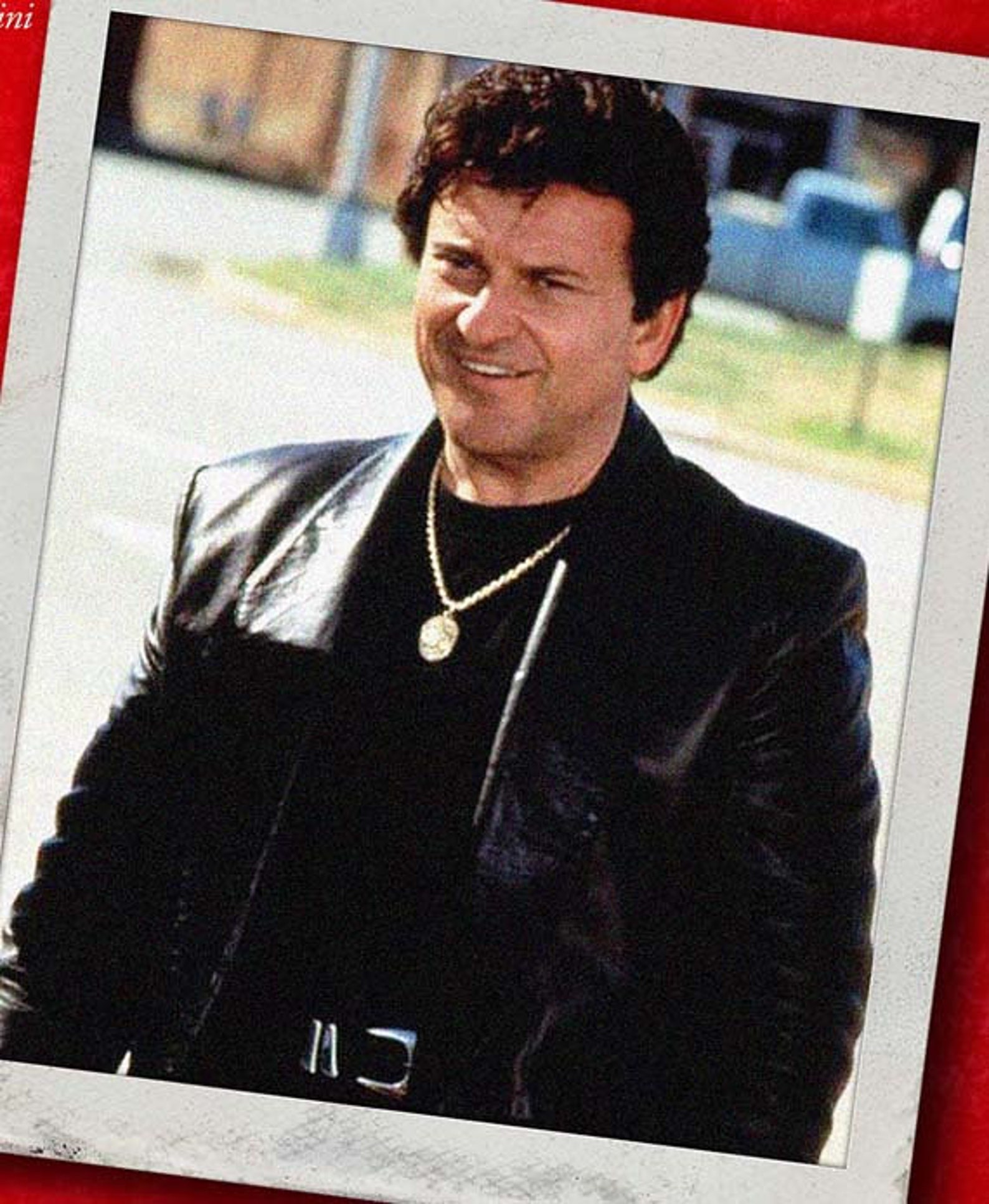
The query "are you sure about my cousin Vinny" typically reflects a viewer’s skepticism regarding the legal accuracy of the 1992 film My Cousin Vinny. While the movie is a comedic masterpiece, legal scholars and practitioners frequently cite it as one of the most accurate depictions of courtroom procedure, rules of evidence, and trial advocacy ever captured on screen.
The Genesis of Legal Authenticity in Film
Released in 1992 and directed by Jonathan Lynn, My Cousin Vinny follows two college students, Bill Gambini and Stan Rothenstein, who are wrongfully accused of murder in rural Alabama. They rely on the defense provided by Bill’s cousin, Vincent LaGuardia Gambini, an inexperienced Brooklyn lawyer who has recently passed the bar exam.
What separates this film from standard courtroom dramas is its refusal to rely on the "Perry Mason moment"—the sudden, often illogical confession that clears the defendant. Instead, the film meticulously details the mechanics of a criminal trial: the disclosure of evidence, the cross-examination of witnesses, the qualification of expert witnesses, and the rigid application of the rules of evidence. For lawyers and law students, the film has achieved status as a required study in effective trial practice.
The Rules of Evidence as a Narrative Device
The central conflict in the film is not just the innocence of the defendants, but the process of legal discovery and evidence presentation. The plot hinges on two primary pillars of the American legal system: the prosecution’s obligation to provide exculpatory evidence (the Brady doctrine) and the rigorous process of qualifying expert witnesses.
In the film, Vinny is constantly battling a judge—Judge Chamberlain Haller—who is a stickler for procedure. This is not merely a cinematic obstacle; it is a pedagogical tool. When Vinny attempts to introduce evidence, the judge requires him to follow the Federal Rules of Evidence (or the Alabama state equivalent at the time). The viewer sees the frustration of the protagonist as he is forced to learn the rules of hearsay, foundational requirements for physical evidence, and the specific nuances of expert testimony.
Qualifying the Expert: The Mona Lisa Vito Factor
Perhaps the most celebrated sequence in the film involves the testimony of Mona Lisa Vito, Vinny’s fiancée. In a standard courtroom thriller, an expert witness is often a cold, detached academic. My Cousin Vinny subverts this by presenting an expert whose authority is grounded in "street smarts" and mechanical expertise.
The scene in which Vinny qualifies Mona Lisa as an expert witness in automotive mechanics is a masterclass in foundation building. He systematically establishes her qualifications, not by referencing degrees, but by detailing her practical, lifelong immersion in the automotive world. This segment accurately portrays the legal requirement for voir dire—the examination of a witness to determine their competence to testify as an expert. The film demonstrates that expertise is not solely defined by formal education, but by specialized knowledge, skill, experience, training, or education, as provided under Rule 702 of the Federal Rules of Evidence.
Accuracy in Trial Advocacy
The film is widely praised for its realistic portrayal of how a defense attorney should prepare for trial. Vinny Gambini’s approach—though abrasive—is technically sound. He conducts a thorough investigation of the crime scene, identifies inconsistencies in witness statements, and utilizes those inconsistencies during cross-examination.
The film accurately depicts the fragility of eyewitness testimony. The prosecution’s case relies heavily on three witnesses who each claim to have seen the defendants near the crime scene. Vinny’s cross-examination of these witnesses is textbook legal strategy: he does not attack their character, but rather tests their observation capabilities, highlighting factors such as distance, lighting conditions, and the presence of obstructions. By isolating these variables, he effectively dismantles the prosecution’s case piece by piece, illustrating the concept of "reasonable doubt" in a way that is both intuitive and legally sound.
Comparing Film Realism vs. Standard Courtroom Tropes
To understand why the question "are you sure about My Cousin Vinny" arises, one must compare it to common tropes in legal cinema. The table below illustrates the distinctions that make this film unique in its accuracy.
| Feature | Standard Courtroom Drama | My Cousin Vinny |
|---|---|---|
| Evidence Disclosure | Surprise documents appear late. | Mandatory Brady disclosure is central. |
| Expert Witnesses | Typically academic/impartial. | Practical, domain-specific expertise. |
| Judge’s Role | Passive, allows dramatic outbursts. | Enforces rules of procedure and evidence. |
| Closing Argument | Emotional plea to the jury. | Focused on the breakdown of prosecution evidence. |
| Resolution | Sudden witness confession. | Methodical dismantling of the prosecution case. |
The Role of Judge Chamberlain Haller
The character of Judge Haller, played by Fred Gwynne, serves as the gatekeeper of justice. While he is initially portrayed as an antagonist to Vinny’s lack of decorum and experience, his role is to ensure that the trial is conducted within the bounds of law. He serves as an anchor, grounding the absurdity of the "fish out of water" comedy in the reality of courtroom constraints. For legal professionals, the Judge’s insistence on Vinny’s appearance, his knowledge of the rules, and his procedural conduct provides a realistic view of how a judge maintains control over a courtroom.
Common Misconceptions and Legal Realities
While the film is highly accurate, it is still a work of fiction. One might wonder if a lawyer like Vinny would survive a real-life trial. In reality, a lawyer who is not licensed in a specific jurisdiction generally cannot represent a client without pro hac vice admission—a motion to appear for a specific case. The film acknowledges this to an extent, as Vinny must repeatedly demonstrate his credentials to the judge.
Furthermore, the level of interaction between an attorney and the judge seen in the film would, in most modern courtrooms, result in sanctions or a mistrial. While the substance of the legal arguments is accurate, the style of the courtroom behavior is amplified for dramatic effect.
Is the Film Required Viewing for Law Students?
In 2026, My Cousin Vinny remains a staple in law school curricula across the United States. Professors use the film to teach students how to:
- Prepare for Trial: Understanding the importance of site visits and physical evidence.
- Conduct Cross-Examination: Using observation limitations to impeach witness credibility.
- Handle Expert Witnesses: The importance of laying a proper foundation.
- Master the Rules of Evidence: Recognizing hearsay, relevance, and the scope of expert testimony.
The film provides a rare, accessible entry point into the mechanics of litigation. By observing Vinny’s struggles, students learn that the law is not just about rhetoric, but about the rigorous application of rules to specific, observable facts.
Troubleshooting Your Understanding of the Film
If you find yourself questioning the accuracy of a specific scene, consider these common areas of debate:
- The "Magic" Evidence: Some viewers feel the resolution comes too easily. However, the film goes to great lengths to show the physical testing of the tires and the lighting conditions. The "reveal" is the result of systematic investigation.
- The Defense Team: In reality, the legal team would likely have involved local counsel. The film highlights this omission as a point of friction, which is a realistic critique of Vinny's preparation.
- The Witness Testimony: The inconsistencies regarding the "grits" and the view through the window are classic examples of how eyewitness memory degrades over time, a subject heavily studied in legal psychology.
Conclusion and Recommendations
Are you sure about My Cousin Vinny? The legal consensus is a definitive "yes." It remains one of the most accurate depictions of trial advocacy in cinema history. If you are interested in the law, whether you are a student or a layperson, the film provides a practical, entertaining lesson in the importance of preparation, the fragility of evidence, and the necessity of adhering to procedural rules.
If you are looking to further your understanding of the legal concepts presented in the film, it is recommended to review the Federal Rules of Evidence (FRE), specifically Articles VII (Opinions and Expert Testimony) and VIII (Hearsay). By pairing the film’s narrative with the text of these rules, you can transform your viewing experience into a comprehensive legal education.