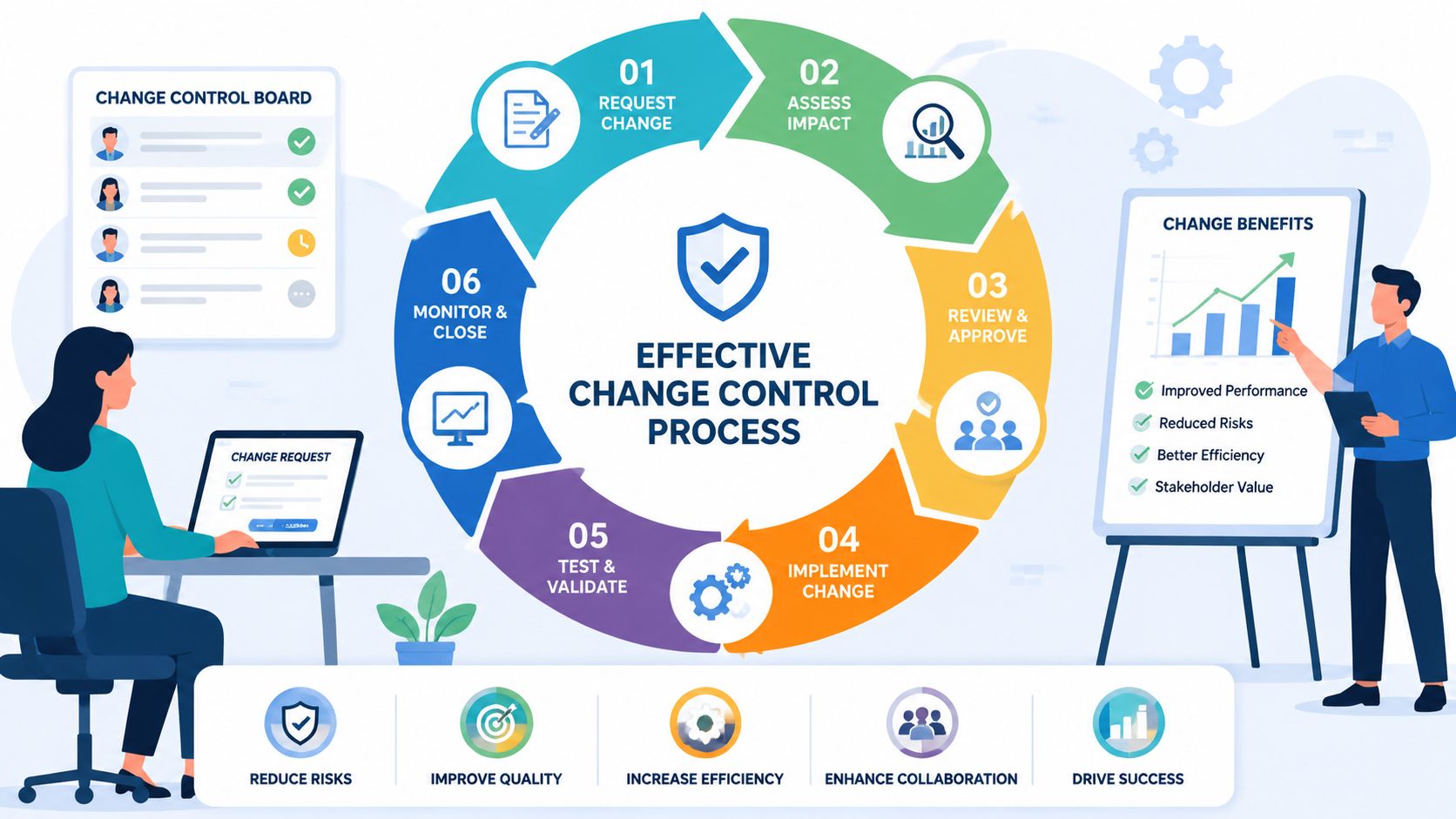
Executing a structured change management checklist helps organizations navigate structural shifts, technology implementations, and operational pivots by systematically aligning leadership, addressing employee resistance, and sustaining new processes through measurable milestones.
Understanding the Scope of Change Management
Change management is a structured approach to shifting individuals, teams, and organizations from a current state to a desired future state. Without a clear plan, initiatives often fail due to unexpected resistance, employee fatigue, and leadership misalignment. A practical change management checklist bridges the gap between high-level strategic vision and day-to-day operational execution.
Organizations frequently underestimate the human element of transitions. While technical implementation plans focus on software, infrastructure, or process redesigns, change management focuses on adoption, utilization, and proficiency. Utilizing a comprehensive checklist ensures that neither the technical milestones nor the human factors are overlooked.
Effective change management protects return on investment (ROI). When employees understand why a change is happening and receive the necessary training, productivity dips are minimized, and long-term adoption rates increase significantly. Establishing this baseline preparation sets the stage for every subsequent phase of the transition lifecycle.
Phase 1: Preparation and Discovery
Before introducing any change to an organization, leadership must define the scope, establish governance, and secure executive sponsorship. Skipping this foundational phase often leads to ambiguous goals and fragmented execution.
Defining the Case for Change
Every successful transition begins with a compelling rationale. Stakeholders and employees need to know not only what is changing, but why the change is imperative for the organization's survival or growth.
- Articulate the current pain points and the risks of maintaining the status quo.
- Outline the vision of the future state and the expected benefits.
- Connect the change initiative directly to overarching organizational strategy and core values.
Identifying Executive Sponsors and Stakeholders
Change initiatives require visible, active leadership. A passive sponsor can derail momentum quickly.
- Secure a primary executive sponsor who holds the authority to allocate budgets and resolve cross-departmental roadblocks.
- Map out all key stakeholder groups, including impacted departments, middle managers, and end-users.
- Define clear roles and responsibilities using a RACI matrix (Responsible, Accountable, Consulted, Informed) to eliminate ambiguity during execution.
Assessing Organizational Readiness
Before launching, organizations must evaluate their capacity to absorb change. Change fatigue is a real phenomenon that occurs when multiple initiatives overlap.
- Conduct readiness surveys or focus groups to gauge employee sentiment and historical change success.
- Evaluate technological, financial, and human resource constraints.
- Identify potential risks, including skill gaps, cultural resistance, and competing operational priorities.
Phase 2: Strategy and Planning
With discovery complete, the focus shifts to designing the roadmap. This phase translates high-level goals into actionable timelines, communication frameworks, and resource allocations.
Developing the Change Management Plan
The strategy document serves as the master blueprint for the transition. It should be flexible enough to adapt to feedback yet rigorous enough to maintain accountability.
- Outline the core phases of the transition, aligning them with project management milestones.
- Establish key performance indicators (KPIs) to measure both project delivery and human adoption.
- Define the governance structure for monitoring progress and making tactical adjustments.
Crafting a Multi-Channel Communication Strategy
Communication failures are the leading cause of anxiety and resistance during organizational change. A transparent, consistent messaging strategy builds trust.
- Develop a core narrative that remains consistent across all leadership communications.
- Establish feedback loops, such as town halls, anonymous suggestion boxes, and team-level Q&A sessions, ensuring communication is a two-way street.
- Tailor messaging to specific audiences, recognizing that executives, middle managers, and frontline workers require different levels of detail.
Budgeting and Resource Allocation
Underfunding change management activities frequently compromises the ultimate success of an initiative.
- Allocate dedicated budget for training materials, external consultants if necessary, and employee engagement activities.
- Ensure that team members assigned to change initiatives have protected time away from daily operational duties.
| Project Stage | Primary Focus | Key Deliverables | Common Pitfall |
|---|---|---|---|
| Preparation | Governance & Rationale | Business case, sponsor alignment, readiness assessment | Vague goals and lack of executive backing |
| Strategy | Roadmap & Communication | Master plan, stakeholder map, communication calendar | One-way communication and underfunded training |
| Execution | Enablement & Support | Training sessions, feedback loops, resistance management | Ignoring middle management stress |
| Sustaining | Reinforcement & Review | Post-implementation audit, recognition programs, KPIs | Declaring victory too early and abandoning support |
Phase 3: Execution and Enablement
The execution phase brings the change plan into active reality. This is where employees interact with new systems, processes, or organizational structures for the first time.
Empowering Middle Management
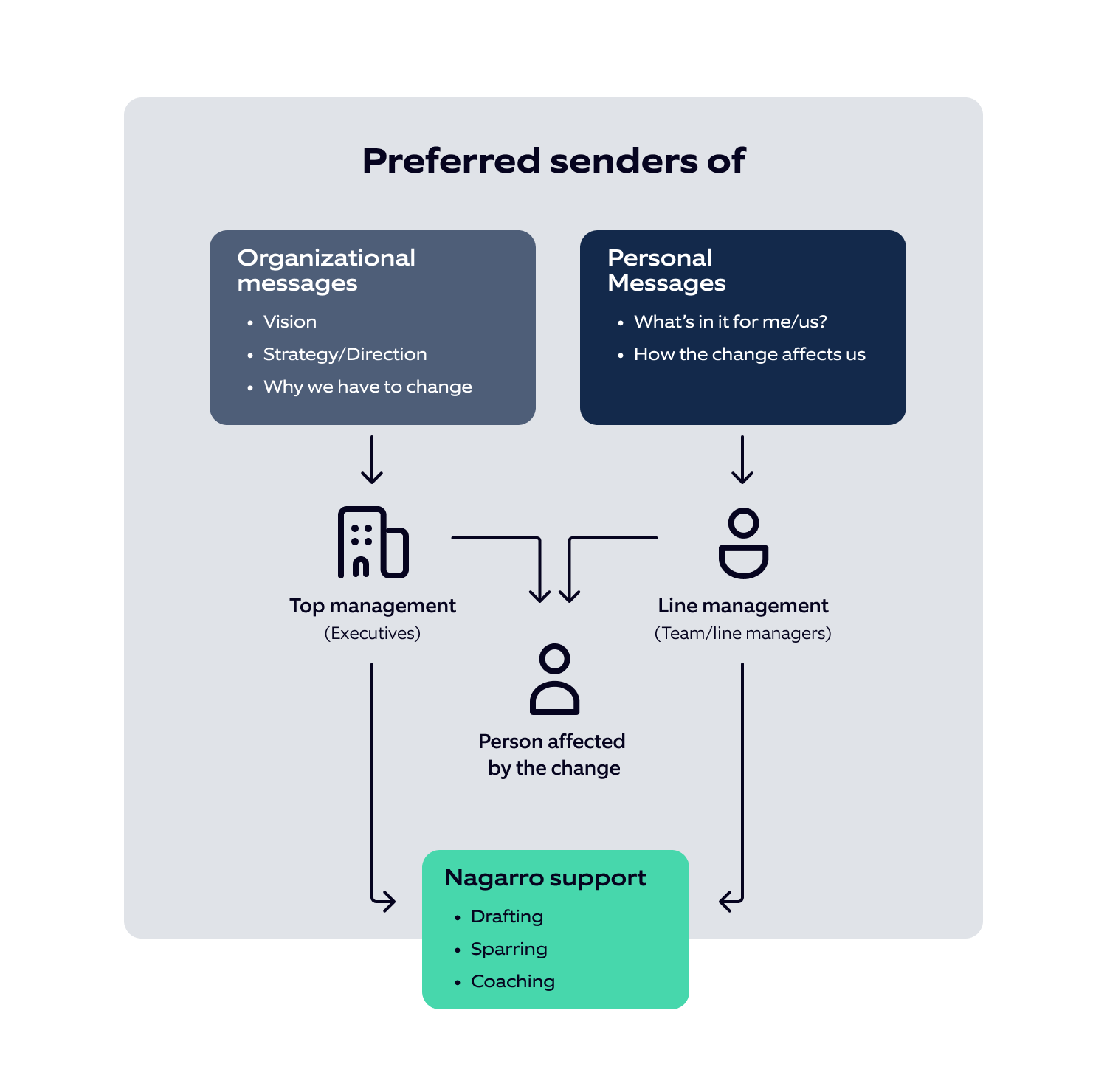
Middle managers are the linchpin of any organizational change. They must translate executive vision into daily routines while managing their teams' emotional responses and workload.
- Brief managers before general announcements so they can process the change and prepare to support their teams.
- Provide managers with coaching tools, FAQs, and scripts to handle difficult conversations and resistance.
- Monitor manager burnout, as they often absorb pressure from both senior leadership and frontline staff.
Delivering Targeted Training and Education
Generic training programs rarely address the specific behavioral shifts required during complex transitions.
- Design role-based training programs that address daily operational workflows.
- Offer multiple learning formats, including hands-on workshops, self-paced digital modules, and peer mentoring.
- Establish a network of "super users" or change champions embedded within teams to provide peer-to-peer support.
Managing Resistance Proactively
Resistance is a normal human response to disruption, not a personal failing. Treating resistance as data helps organizations refine their approach.
- Identify the root cause of resistance—whether it stems from fear of incompetence, loss of status, or distrust in leadership.
- Provide safe spaces for employees to voice concerns without fear of professional reprisal.
- Adjust support mechanisms where operational friction is highest.
Phase 4: Reinforcement and Long-Term Sustainability
Many organizations declare success the moment a new system goes live or a new structure is announced. True change management requires anchoring those changes into the corporate culture to prevent backsliding.
Measuring Adoption and Assessing Impact
Data-driven evaluation ensures that the change is delivering the intended business value.
- Track leading indicators, such as training attendance, system login rates, and initial error logs.
- Monitor lagging indicators, including productivity metrics, customer satisfaction scores, and employee retention.
- Conduct post-implementation reviews to gather qualitative feedback from all levels of the organization.
Reinforcing Behavior and Celebrating Success
Positive reinforcement solidifies new habits and builds momentum for future organizational initiatives.
- Recognize and reward individuals and teams who demonstrate early adoption and innovative problem-solving.
- Share success stories across the organization to demonstrate tangible progress and validate the hard work involved.
- Incorporate new behaviors and processes into performance reviews, onboarding materials, and promotional criteria.
Continuous Improvement and Iteration
No change implementation is entirely flawless upon launch. Long-term sustainability relies on continuous refinement.
- Create a continuous feedback loop to capture ongoing operational friction points.
- Update documentation, standard operating procedures (SOPs), and training manuals to reflect real-world adjustments.
- Institutionalize change capability so the organization becomes progressively more resilient to future disruptions.
Frequently Asked Questions
What is the primary difference between project management and change management?
Project management focuses on the technical aspects of delivering an initiative—such as building a system, designing a process, or relocating an office on time and within budget. Change management focuses on the people side of the transition, ensuring that individuals adopt, utilize, and become proficient in the new way of working so the project achieves its intended business value.
How early should change management begin in an organization?
Change management should begin during the initial conceptualization phase of a project. Engaging change practitioners during discovery allows leadership to assess organizational readiness, identify potential resistance vectors, and design communication plans before decisions are finalized or rumors begin to circulate.
What should be done when employees actively resist a change?
Active resistance should be evaluated objectively rather than punished. Leaders should listen to the specific objections raised by employees to determine if the resistance stems from unclear instructions, inadequate tools, or genuine structural flaws in the new plan. Providing empathetic guidance, targeted coaching, and operational adjustments often converts resistant employees into active supporters.
How can small businesses adapt a change management checklist?
Small businesses can scale down enterprise frameworks by focusing on core principles: clear communication, direct executive sponsorship, and basic training. While a multinational corporation requires formal change management offices (CMOs), a small business can execute the same checklist steps through direct team meetings, designated project leads, and streamlined feedback loops.
What are the key metrics for measuring change management success?
Success metrics span both qualitative and quantitative domains. Key indicators include employee adoption rates, proficiency test scores, speed of adoption relative to timelines, reduction in error rates, employee sentiment survey results, and the realization of specific financial or operational business cases tied to the initiative.
Next Actions and Implementation Recommendations
To put this change management checklist into practice, begin by selecting your organization's upcoming or current transition initiative. Convene your core leadership team to review Phase 1, focusing specifically on establishing a definitive business case and securing a dedicated executive sponsor. Avoid the temptation to rush straight into communication; spend adequate time mapping your stakeholders and assessing organizational readiness. By methodically working through preparation, strategy, execution, and reinforcement, your organization can minimize operational disruption and achieve sustainable, long-term success.