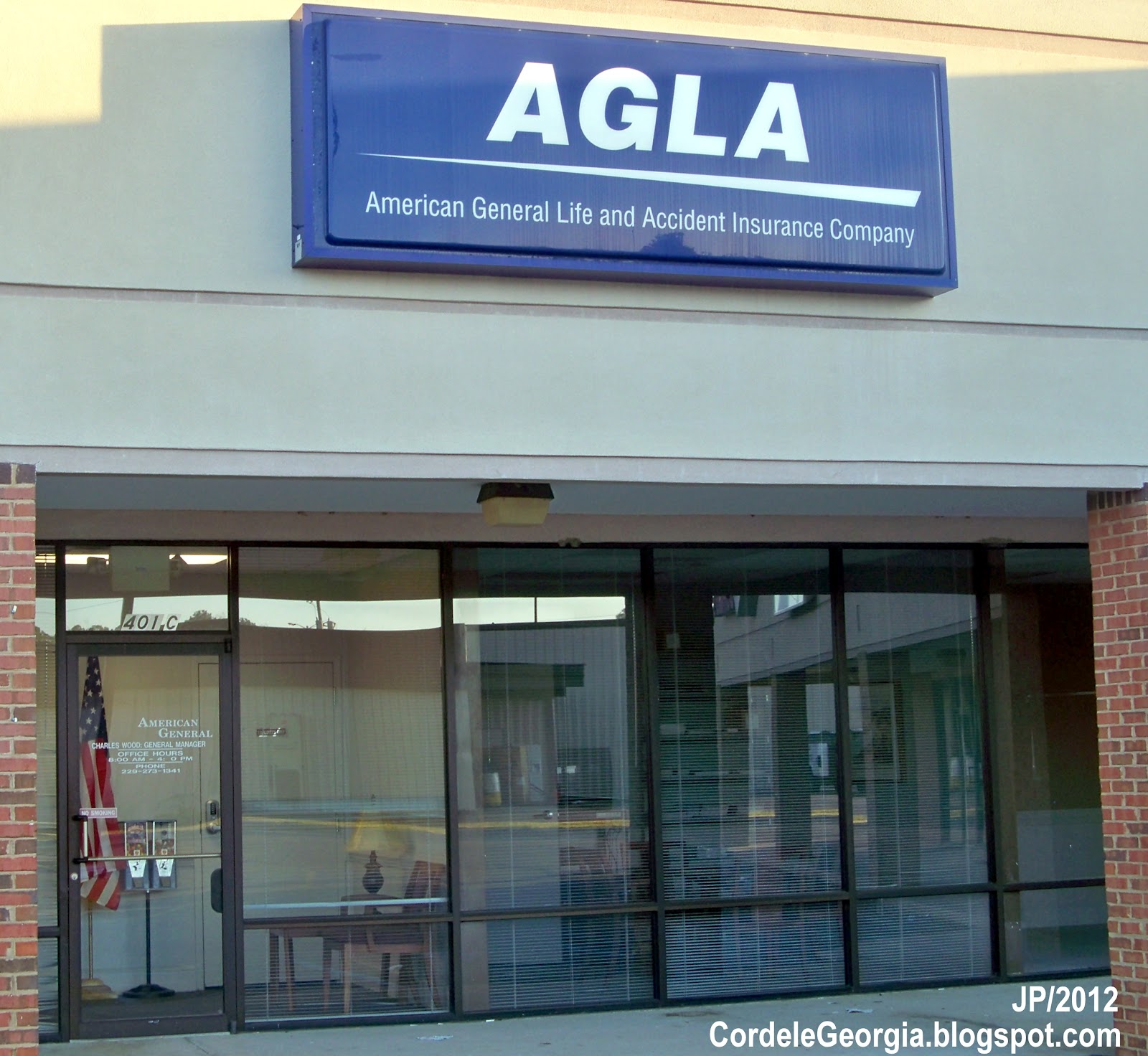
American General Life Insurance Company, a subsidiary of Corebridge Financial (formerly AIG Life & Retirement), is a prominent U.S. life insurance provider. It offers a wide range of products including term, universal, and indexed life insurance, recognized for its competitive pricing, customizable term lengths, and strong financial ratings from major credit agencies.
For more than a century, American General has served as a cornerstone of the American insurance landscape. While the name on the building has evolved through corporate restructuring, the underlying commitment to policyholders remains consistent. As of 2026, the company continues to operate under the umbrella of Corebridge Financial, following its successful separation from American International Group (AIG). This transition has allowed the life insurance division to sharpen its focus on retirement and protection products, maintaining its status as one of the most significant life insurance entities in the United States.
The Evolution of American General and Corebridge Financial
Understanding American General requires a look at its corporate lineage. Originally incorporated in 1960, American General Life Insurance Company grew through acquisitions and organic expansion to become a massive player in the financial services sector. In 2001, it was acquired by AIG, a move that integrated American General's robust life insurance portfolio into one of the world's largest insurance conglomerates.
By the early 2020s, AIG began a strategic separation of its life and retirement business to create a standalone entity known as Corebridge Financial. This separation was finalized prior to 2026, positioning Corebridge as a publicly traded company that oversees several venerable brands, including American General Life Insurance Company and The United States Life Insurance Company in the City of New York. For consumers, this means that while their policy might say "American General," the administrative and financial backing is provided by the Corebridge infrastructure.
This corporate evolution has not diminished the brand's market presence. Instead, it has streamlined the company's ability to innovate within the life insurance space. Today, American General remains a top-tier choice for individuals looking for "living benefits"—policies that do more than just pay out upon death—and for those seeking highly specific term durations that are not commonly offered by other carriers.
Comprehensive Product Portfolio: Protecting Families and Assets
American General is best known for its diverse array of life insurance products designed to meet various financial goals, from basic income replacement to complex estate planning and wealth accumulation.
Select-a-Term: Industry-Leading Flexibility
The flagship product for American General is the Select-a-Term policy. While most insurance companies offer term lengths in five or ten-year increments (such as 10, 15, 20, or 30 years), American General provides a unique level of customization. In 2026, they continue to offer 18 different term durations, including yearly increments for terms between 10 and 30 years, plus a 35-year option.
This flexibility is crucial for consumers who want to align their life insurance coverage with a specific debt or milestone. For example, if a homeowner has 17 years remaining on a mortgage, they can purchase exactly 17 years of coverage rather than paying for a 20-year policy. This precision helps in managing premium costs effectively. Select-a-Term also includes a conversion privilege, allowing policyholders to transition to a permanent policy without a new medical exam, provided the conversion happens within specified timeframes.
Permanent Life Insurance Solutions
For those seeking lifelong coverage and a cash value component, American General offers several permanent life insurance options:
- Universal Life (UL): These policies provide flexible premiums and adjustable death benefits. They are ideal for individuals whose financial situation might change over time, allowing them to scale coverage up or down within certain limits.
- Indexed Universal Life (IUL): The Max Accumulator and Value+ Protector series are popular IUL options. These policies tie the growth of the cash value to the performance of a stock market index, such as the S&P 500, while providing a "floor" to protect against market losses. In 2026, these products are often utilized for supplemental retirement income through tax-advantaged loans and withdrawals.
- Variable Universal Life (VUL): Aimed at more sophisticated investors, VUL policies allow the cash value to be invested directly in sub-accounts similar to mutual funds. These offer the highest growth potential but also carry the highest market risk.
Quality of Life Insurance: Living Benefits
A defining feature of modern American General policies is the Quality of Life (QoL) suite. These policies include "Living Benefits" as part of the base contract or via riders. These riders allow the policyholder to accelerate a portion of the death benefit if they are diagnosed with a qualifying chronic, critical, or terminal illness.
Unlike traditional life insurance, which only benefits the heirs, QoL features provide financial support to the insured person during their lifetime to help cover medical bills, home modifications, or lost income. This innovative approach has made American General a preferred choice for consumers who view life insurance as a comprehensive risk management tool.
Assessing Financial Strength and Credit Ratings
When purchasing life insurance, the company's ability to pay claims decades into the future is the most critical factor. American General Life Insurance Company consistently maintains high marks from the major independent rating agencies. These ratings reflect the company's balance sheet strength, operating performance, and business profile.
| Rating Agency | 2026 Rating (Indicative) | Significance |
|---|---|---|
| A.M. Best | A (Excellent) | Indicates an excellent ability to meet ongoing insurance obligations. |
| Standard & Poor's (S&P) | A+ (Strong) | Reflects strong financial security characteristics and a stable outlook. |
| Moody's Investors Service | A2 (Good) | Suggests the company is of high quality and subject to low credit risk. |
| Fitch Ratings | A+ (Strong) | Indicates a low expectation of ceased or interrupted payments. |
These ratings are vital for consumer confidence. In the competitive landscape of 2026, American General's association with Corebridge Financial has bolstered its financial standing, as Corebridge manages over $350 billion in assets under management and administration. For a detailed look at current financial filings, consumers can visit the National Association of Insurance Commissioners (NAIC) to view the company’s "Market Conduct" and financial statements.
The Application and Underwriting Process
In 2026, American General utilizes a blend of traditional underwriting and accelerated underwriting (AU). The application process has been significantly modernized to reduce the time from submission to policy issuance.
Accelerated Underwriting (AU)
For many healthy applicants within certain age and coverage limits, American General offers a "lab-free" experience. This means the company uses data from the MIB (formerly Medical Information Bureau), motor vehicle records, and prescription histories to assess risk without requiring a paramedical exam (no blood draw or physical). This process can often result in a policy being issued within a few days rather than weeks.
Traditional Underwriting
For higher death benefits (typically over $2 million or $3 million) or for applicants with complex medical histories, traditional underwriting is still required. American General is known for being relatively "liberal" in certain underwriting niches. For instance, they are often competitive for individuals with controlled Type 2 diabetes or those with a history of certain treated cancers, provided the documentation is thorough.
Standard Requirements
Regardless of the underwriting path, all applicants must provide:
- Full legal name, social security number, and proof of citizenship/residency.
- Detailed medical history, including physician contact information.
- Financial information to justify the amount of coverage requested.
- Beneficiary designations.
Claims Process: A Guide for Beneficiaries
The true test of an insurance company is how it handles claims. American General and Corebridge Financial have streamlined the beneficiary experience through a dedicated online claims portal.
When a policyholder passes away, the beneficiary must follow these steps:
- Notification: Inform the company of the death. This can be done via the Corebridge Financial website or by calling their claims department.
- Documentation: Provide a certified copy of the death certificate. Depending on the policy and the circumstances of death, the company may also request a "Claimant's Statement" form.
- Review: The company reviews the claim to ensure the policy was in force and that the contestability period (usually the first two years of the policy) has passed or that there is no evidence of material misrepresentation.
- Payout: Once approved, the death benefit is typically paid out via check or direct deposit. Many beneficiaries in 2026 opt for the "Access Account," which functions like a checking account, allowing them to earn interest on the proceeds while they decide how to manage the funds.
For more information on the rights of beneficiaries and the claims process, the Insurance Information Institute (III) provides comprehensive resources on managing life insurance payouts.
Comparative Analysis: American General vs. Competitors
To provide a clear picture of where American General stands in the 2026 market, it is helpful to compare it against other industry leaders like Prudential, Northwestern Mutual, and Banner Life (Legal & General).
| Feature | American General (Corebridge) | Northwestern Mutual | Banner Life |
|---|---|---|---|
| Term Flexibility | High (18 different durations) | Moderate (standard blocks) | Moderate (10, 15, 20, 30 yr) |
| Living Benefits | Extensive (QoL suite) | Limited/Rider-based | Minimal |
| Underwriting Speed | High (Accelerated options) | Moderate | High (Digital-first) |
| Financial Strength | High (A to A+) | Superior (A++) | High (A+) |
| Niche Specialty | Custom terms & IUL | Whole Life & Dividends | Low-cost Term |
American General typically wins on customization and living benefits. While Northwestern Mutual may offer higher financial ratings for those seeking participating whole life policies, American General is often the more versatile choice for individuals who want to "ladder" their term insurance or who prioritize the ability to access their death benefit early due to illness.
Potential Limitations and Considerations
While American General is a robust carrier, there are factors that potential policyholders should consider:
- Customer Service Reputation: Like many large insurers, American General has faced criticism regarding the speed of its administrative updates, such as changing a beneficiary or updating a mailing address. However, the 2026 digital infrastructure has improved these response times significantly compared to a decade ago.
- IUL Complexity: Indexed Universal Life insurance is a complex financial instrument. Consumers must carefully review the "caps," "participation rates," and "fees" associated with these policies, as these can change at the company's discretion and affect the policy's long-term performance.
- Premium Costs for Permanent Life: While their term life insurance is very competitively priced, their permanent policies (UL/IUL) can sometimes carry higher administrative fees than those of smaller, leaner mutual companies.
Frequently Asked Questions
Is American General Life Insurance the same as AIG?
American General was a subsidiary of AIG for over 20 years. However, following a corporate split, it is now part of Corebridge Financial. While you may still see the AIG logo on older policy documents, all new business and administrative functions are handled under the Corebridge brand.
Can I access my death benefit while I am still alive?
Yes, if your policy includes "Living Benefits" or the "Quality of Life" rider. These features allow you to accelerate a portion of your death benefit if you are diagnosed with a qualifying terminal, chronic, or critical illness. This provides liquidity during times of significant medical stress.
How long does it take for American General to pay a death claim?
Most straightforward claims are paid within 10 to 30 days once all required documentation, including the certified death certificate, has been received. Claims occurring within the first two years of the policy (the contestability period) may take longer due to required medical record reviews.
Does American General offer a "no-exam" life insurance policy?
Yes, through their accelerated underwriting program. Healthy applicants between certain ages (typically up to 55 or 60) applying for coverage amounts under a specific threshold (often $1 million to $2 million) may qualify for coverage without a physical medical exam, using digital data for risk assessment.
Where can I manage my American General policy online?
Current policyholders can manage their accounts through the Corebridge Financial client portal. This portal allows users to pay premiums, change beneficiaries, update contact information, and view policy values and annual statements.
Practical Recommendation for 2026
If you are considering American General as your life insurance provider in 2026, the first step is to determine if you need the specific flexibility they offer. If you have a unique debt obligation (like a 23-year business loan) or if you are concerned about the financial impact of a chronic illness, American General’s Select-a-Term and Quality of Life products are among the best in the industry.
Before applying, obtain a comprehensive quote and compare the "internal costs" of their permanent policies if you are looking at IUL options. It is also advisable to work with an independent insurance broker who can compare American General's underwriting niches against other top-rated carriers to ensure you are receiving the most favorable "rating class" (e.g., Preferred Plus vs. Standard) for your specific health profile.