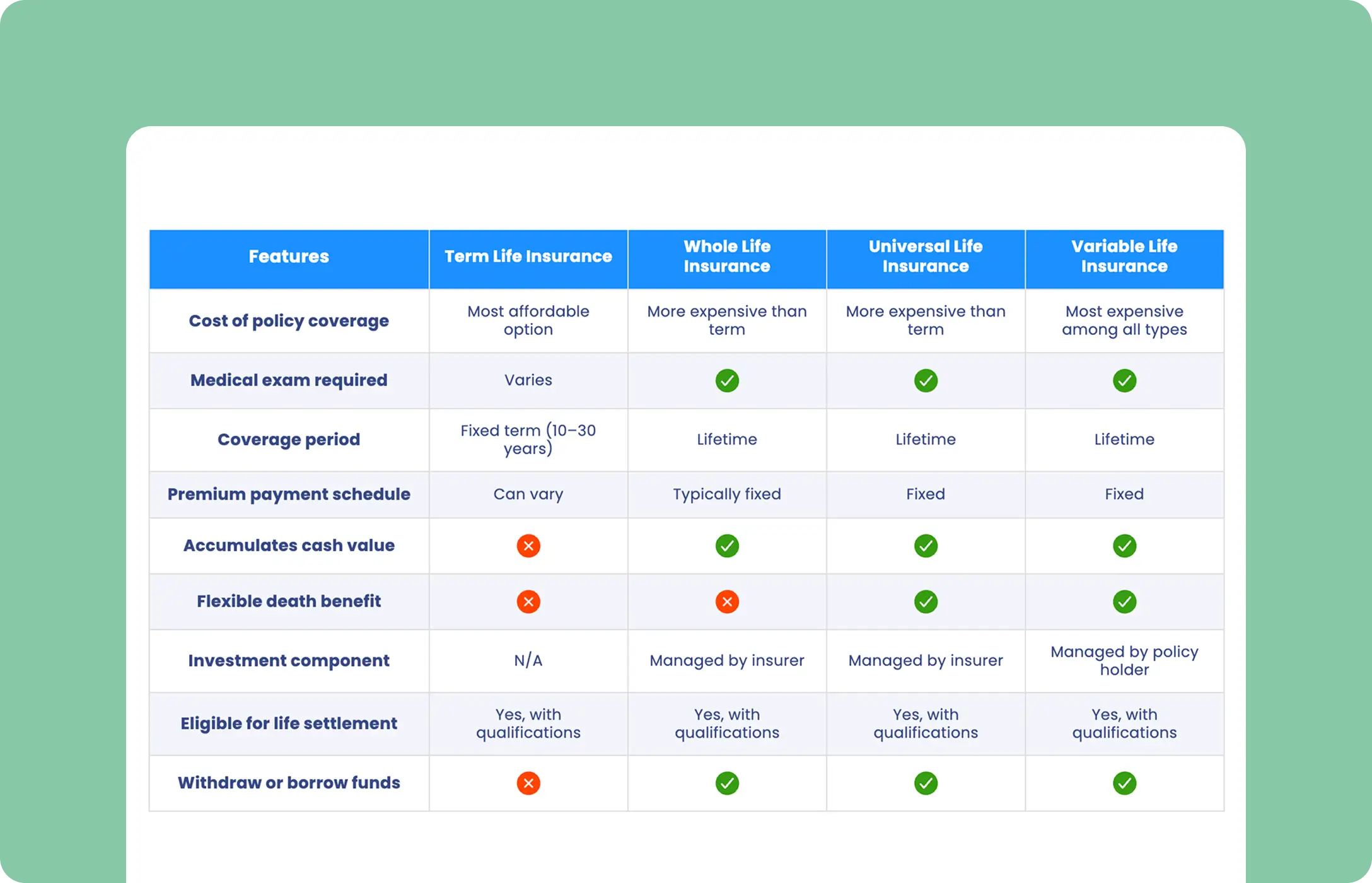
To understand American Funds life insurance, one must recognize that American Funds (managed by Capital Group) does not issue insurance policies directly. Instead, they provide the American Funds Insurance Series (AFIS), a suite of underlying investment portfolios used within Variable Universal Life (VUL) insurance and variable annuities issued by third-party insurance companies.
What is American Funds Life Insurance?
The term "American Funds life insurance" is a common shorthand for life insurance policies where the cash value is invested in American Funds portfolios. Capital Group, the parent company of American Funds, is one of the world’s largest and most experienced investment management firms. However, they are not an insurance carrier. To access American Funds within a life insurance wrapper, an investor must purchase a Variable Universal Life (VUL) policy from a partner insurance company, such as Nationwide, Pacific Life, or Transamerica.
In this arrangement, the insurance company provides the death benefit, the legal structure of the policy, and the administrative platform. American Funds provides the professional investment management for the "sub-accounts" where the policy’s cash value is held. This allows policyholders to marry the tax-advantaged structure of life insurance with the active management philosophy for which American Funds is known.
By 2026, the integration of these funds into private placement and retail variable insurance products has become a staple for high-net-worth individuals and long-term planners seeking to mitigate the impact of capital gains taxes on their investment growth.
The Role of the American Funds Insurance Series (AFIS)
The American Funds Insurance Series (AFIS) consists of distinct funds that are not available to the general public for direct purchase in a standard brokerage account. These funds are designed specifically for use in tax-deferred vehicles like variable life insurance and annuities.
Structural Differences from Retail Funds
While many AFIS funds have names similar to their retail counterparts—such as the Growth-Income Fund or the Global Growth Fund—they are separate legal entities. They are managed by the same investment teams and follow nearly identical strategies as the retail American Funds, but they operate within the regulatory framework of the Investment Company Act of 1940 as "Series" funds dedicated to insurance products.
The Objective of Active Management
American Funds is famous for its Capital System, a multi-manager approach where a fund is divided into portions managed by different individuals. This reduces the volatility associated with a single "star manager" and ensures a diversity of ideas within a single fund. For a life insurance policyholder, this stability is crucial because the cash value of the policy is often intended to cover the rising costs of insurance as the policyholder ages.
How American Funds Integrate with Variable Universal Life (VUL)
A Variable Universal Life policy is a type of permanent life insurance that offers a death benefit and a cash value component. Unlike "Whole Life," which offers a guaranteed rate of return, a VUL allows the policyholder to invest the cash value in the market.
Premium Allocation and Cash Value
When you pay a premium into a VUL policy that features American Funds, a portion of that payment goes toward the cost of insurance (COI) and administrative fees. The remaining balance is directed into the American Funds sub-accounts you have selected.
Because these are variable investments, the cash value of the policy will fluctuate based on the performance of the American Funds portfolios. If the funds perform well, the cash value grows tax-deferred, potentially allowing the policyholder to skip future premium payments or increase the death benefit. If the funds perform poorly, the policyholder may need to inject more capital to keep the policy from lapsing.
Flexibility and Control
One of the primary reasons investors seek out American Funds within a life insurance policy is the flexibility of Universal Life mechanics. In 2026, most VUL platforms allow policyholders to:
- Adjust premium payments within certain limits.
- Increase or decrease the death benefit (subject to underwriting).
- Transfer assets between different American Funds sub-accounts without triggering capital gains taxes.
Key American Funds Portfolios Used in Life Insurance
The AFIS lineup covers a broad spectrum of asset classes, allowing for a fully diversified portfolio within a single insurance contract. The following are some of the most frequently utilized funds within VUL policies:
- The Growth Fund: Focuses on companies with high growth potential, primarily in the U.S. but with international exposure.
- The Global Growth Fund: Takes a worldwide approach, seeking long-term capital appreciation by investing in premier companies across different continents.
- Growth-Income Fund: A more balanced approach that seeks to provide both capital growth and steady income through dividends.
- Asset Allocation Fund: A "fund of funds" style approach that automatically balances between stocks, bonds, and cash to manage risk.
- Bond Fund: Focuses on high-quality fixed-income securities to provide stability and income, often used to hedge against equity market volatility.
The Cost Structure: Fees and Expenses
Understanding the cost of "American Funds life insurance" requires looking at two distinct layers of fees: the insurance layer and the investment layer.
1. Insurance-Level Charges
The insurance carrier (e.g., Pacific Life or Nationwide) charges for the "wrapper." These include:
- Mortality and Expense (M&E) Risk Charges: This covers the insurer’s risk that you might die sooner than expected.
- Cost of Insurance (COI): The actual cost to provide the death benefit, which increases as you age.
- Administrative Fees: Monthly charges for maintaining the policy.
- Premium Load: A percentage taken off each premium payment before it is invested, often used to cover state premium taxes and sales commissions.
2. Fund-Level Expenses
This is the "American Funds" portion of the cost. Each AFIS portfolio has an internal expense ratio. Generally, American Funds is known for having lower-than-average expenses for actively managed funds. These fees are deducted directly from the fund's assets and are reflected in the daily Net Asset Value (NAV).
3. Surrender Charges
Most policies that feature American Funds carry a surrender charge period, often lasting 10 to 15 years. If you cancel the policy early, the insurer will withhold a portion of the cash value.
Tax Advantages of American Funds in Life Insurance
The primary reason to use an insurance vehicle to access American Funds, rather than a traditional brokerage account, is the unique tax treatment provided under Internal Revenue Code Section 7702.
Tax-Deferred Growth
As the American Funds portfolios within the policy generate dividends, interest, or capital gains, no taxes are due. This allows the full power of compounding to work on the gross return of the investment, which can lead to significantly higher wealth accumulation over decades compared to a taxable account.
Tax-Free Access to Cash
Policyholders can often access the cash value of their American Funds-linked policy through withdrawals and loans. Generally, withdrawals are tax-free up to the "basis" (the total amount of premiums paid). Loans taken against the cash value are also typically tax-free, provided the policy remains in force until the insured’s death.
Tax-Free Death Benefit
Under IRC Section 101(a), the death benefit paid to beneficiaries is generally free of federal income tax. This makes the VUL a powerful tool for estate planning, as it transforms taxable investment growth into a tax-free legacy.
Comparison of AFIS Asset Classes within Insurance Policies
| Fund Category | Primary Objective | Risk Profile | Typical Underlying Holdings |
|---|---|---|---|
| Global Growth | Capital Appreciation | High | International Blue Chips, Emerging Markets |
| Growth-Income | Growth + Dividends | Moderate-High | Large-cap U.S. Equities, Dividend Payers |
| Asset Allocation | Stability & Growth | Moderate | Mix of Equities, Bonds, and Cash |
| Managed Risk | Downside Protection | Low-Moderate | Equities with Volatility-Dampening Overlays |
| U.S. Government | Income & Safety | Low | U.S. Treasuries, Agency Mortgage-Backed Securities |
Is American Funds Life Insurance Right for You?
Choosing a life insurance policy powered by American Funds is typically a strategy for individuals who have already maximized their contributions to other tax-advantaged accounts like 401(k)s and IRAs.
Ideal Candidates
- High Earners: Those in high tax brackets who want to shield investment gains from annual taxation.
- Long-Term Investors: Since these policies have high upfront costs and surrender charges, they are only appropriate for those with a 15- to 20-year time horizon.
- Estate Planners: Those looking to provide a tax-efficient liquidity source for heirs to pay estate taxes or provide an inheritance.
Potential Drawbacks
- Complexity: VUL policies are significantly more complex than term life insurance. They require active monitoring of the sub-account performance and the policy's "net amount at risk."
- Market Risk: Unlike Whole Life insurance, there is no floor. If the American Funds portfolios underperform, your cash value can decrease, and the policy could lapse if not properly funded.
- Cost: For those who only need death benefit protection, a simple term policy is much cheaper. The "American Funds" option is an investment strategy first and an insurance strategy second.
How to Acquire an American Funds-Linked Policy
Because American Funds are sold exclusively through financial professionals, you cannot buy these policies directly from Capital Group.
- Consult a Financial Advisor: You must work with an advisor who is licensed to sell variable insurance products (typically holding a Series 6 or 7 license).
- Select a Participating Carrier: Ask your advisor which insurance companies offer the American Funds Insurance Series in their VUL or annuity products.
- Underwriting: You will need to undergo medical underwriting to determine the cost of the insurance component.
- Portfolio Construction: Once the policy is issued, you will work with your advisor to allocate your premiums among the various American Funds options based on your risk tolerance.
Frequently Asked Questions
Can I move my existing American Funds into a life insurance policy?
Generally, no. You cannot "transfer" shares of a retail American Mutual Fund directly into an insurance policy. You must liquidate the retail shares (potentially triggering a taxable event) and then contribute the cash into the insurance policy as a premium payment, which is then invested in the AFIS version of the funds.
What happens if American Funds performs poorly?
In a Variable Universal Life policy, the policyholder assumes all investment risk. If the American Funds sub-accounts lose value, your policy's cash value will decrease. If the cash value falls below the amount needed to cover the monthly insurance and administrative charges, the policy will enter a grace period and eventually lapse unless additional premiums are paid.
Are American Funds in an insurance policy protected from creditors?
In many states, the cash value and death benefit of a life insurance policy are protected from the claims of creditors. This adds a layer of asset protection to your American Funds investments that is not available in a standard brokerage account. You should consult with a legal professional regarding the specific laws in your jurisdiction as of 2026.
How do AFIS funds differ from regular American Funds "A" shares?
The primary difference is the fee structure and the "wrapper." AFIS funds do not have front-end sales loads (the "A" share commission). Instead, the insurance company usually pays the advisor a commission out of the policy’s premium load or administrative fees. The internal management strategies, however, are largely identical.
Is the death benefit guaranteed?
The death benefit in a VUL policy is generally guaranteed as long as the policy is "in-force." However, because the cash value is tied to American Funds' performance, the policy is only guaranteed if it remains sufficiently funded. Some policies offer a "No-Lapse Guarantee" rider for an additional fee, which ensures the death benefit remains active even if the cash value drops to zero.
Final Recommendation
Integrating American Funds into a life insurance policy is a sophisticated financial move that aligns the proven performance of the Capital System with the significant tax advantages of the U.S. insurance code. For investors in 2026 seeking a way to manage wealth across generations while maintaining control over their asset allocation, this structure remains a premier choice. However, it requires a commitment to long-term funding and a clear understanding that the investment returns are not guaranteed. Before proceeding, ensure that you have a comprehensive "needs analysis" performed by a fiduciary advisor to confirm that the insurance costs do not outweigh the tax benefits for your specific financial situation.