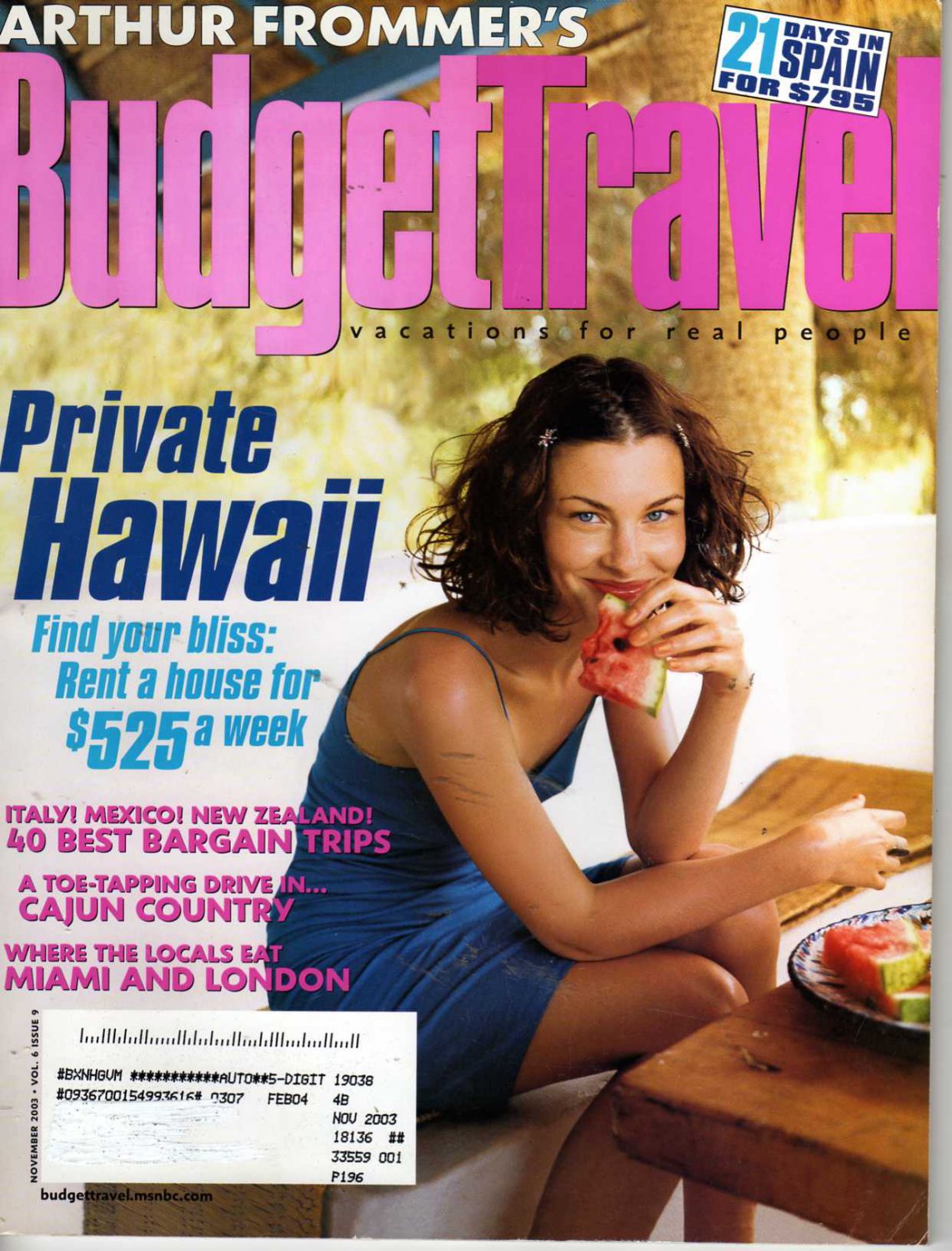
Arthur Frommer’s influence on the travel industry has shifted from his iconic print guidebooks to a sprawling digital ecosystem. While "Arthur Frommer’s Magazine" as a standalone, monthly print publication is not currently in circulation, the brand lives on through the Frommers.com digital platform, which continues the mission of budget-conscious, independent, and socially aware travel journalism established by Arthur Frommer in 1957.
Understanding the Transition from Print to Digital
For decades, the name "Arthur Frommer" was synonymous with the thick, yellow-and-black paperback guidebooks that sat on the bookshelves of millions of travelers. These books, beginning with the seminal Europe on $5 a Day, revolutionized tourism by proving that international travel was accessible to the middle class, not just the wealthy.
In the modern era of 2026, the demand for static print media has waned in favor of real-time travel updates. Consequently, the entity formerly associated with a periodic magazine or newsletter has fully transitioned into an agile, web-based publishing model. Readers seeking the "magazine" experience—featuring long-form investigative travel stories, cultural analysis, and money-saving advice—now access this content directly through the official Frommers.com website and its associated digital syndication channels. The core philosophy remains constant: prioritizing the consumer, avoiding "tourist traps," and emphasizing value for the independent traveler.
Navigating the Frommers.com Ecosystem
To replicate the experience of subscribing to a travel magazine, users today should engage with the structured categories found on the modern Frommer’s digital portal. The platform is designed to provide the same depth once offered in a monthly publication but with the added benefit of being searchable and current.
- Destination Guides: These serve as the modern equivalent of the "feature country" segments found in classic travel magazines. They are meticulously maintained by editors who update logistics, pricing, and safety information.
- The Frommer’s Newsletter: For those who miss the "periodical" aspect of a magazine, the digital newsletter serves as a curated digest. It is the closest functional equivalent to a subscription-based magazine, delivering seasonal recommendations, travel alerts, and editorial commentary directly to the inbox of the reader.
- Trip Planning Tools: These sections move beyond journalism into practical utility, offering itineraries that mirror the structured "suggested tours" often found in the back of Frommer’s print guides.
Evaluating Travel Value: The Frommer Approach
The primary intent of all Arthur Frommer-branded material has always been to empower the traveler to make informed financial decisions. Unlike many contemporary travel sites that rely heavily on sponsored content or affiliate-driven "best of" lists, the Frommer brand maintains a strict editorial boundary.
When you are looking for advice on a specific destination, you are encouraged to look for the "Frommer’s Verdict" or "Frommer’s Star Rating." These designations are based on the traditional journalistic standards set by Arthur Frommer himself:
- Objectivity: Locations are not prioritized based on commissions or partnership payments.
- Accessibility: The focus remains on whether a site or hotel provides genuine value regardless of its marketing budget.
- Cultural Sensitivity: Recommendations are filtered through a lens of respect for the destination's environment and local economy, a core tenet of the brand since the 1970s.
Comparative Overview: Print vs. Digital Resources
To understand how to get the most out of current resources, it is helpful to contrast the historical print model with the modern digital reality.
| Feature | Classic Print Magazine/Guide | Modern Digital Platform (2026) |
|---|---|---|
| Update Frequency | Annual or Biennial | Real-time / Daily |
| Content Depth | High-density long-form | Modular, searchable, interactive |
| Pricing | Subscription/Purchase fee | Primarily free access |
| Personalization | Static recommendations | Customizable trip planners |
| Portability | Physical book weight | Mobile-responsive web browser |
Identifying Reliable Travel Information
One of the greatest challenges in 2026 is the sheer volume of "travel influencer" content that often lacks deep research. When utilizing sources like Frommers.com, you are tapping into a long-standing editorial tradition.
If you are researching a destination, look for the following markers of a reputable, Frommer-style analysis:
- Date Stamping: Ensure the article indicates when it was last reviewed by an editor. Travel data, especially regarding entry requirements and pricing, can become obsolete within months.
- Primary Sourcing: A good travel article should reference local official tourism boards or recognized government entities rather than relying on hearsay from forums.
- Transparency: Any travel site worth your time should clearly disclose when content is paid for or incentivized. The Frommer’s brand is noted for its high standards in labeling sponsored content, if it appears at all.
Prerequisites for Efficient Trip Planning
Before relying on any travel publication, establish your travel profile. Planning a trip using sophisticated resources is ineffective if the destination does not match your current financial or physical requirements.
- Define the Scope: Are you planning a short-haul weekend or an extended international itinerary? The depth of research required for a multi-country trip is vastly higher than a domestic stay.
- Set a Realistic Budget: Arthur Frommer pioneered the concept of the "budget traveler," but the term means something different in 2026. Determine your daily "burn rate" inclusive of inflation-adjusted costs for accommodation and transit.
- Check Regulatory Requirements: Always cross-reference travel site advice with official government travel portals regarding visa requirements, health declarations, and entry permits. No magazine article—digital or print—should supersede government-issued travel mandates.
Addressing Common Travel Mistakes
Even with the best information, travelers often fall into repetitive traps that Arthur Frommer’s publications have historically warned against.
- Over-scheduling: Modern digital tools allow you to book dozens of activities in advance. A common mistake is filling a calendar so tightly that there is no room for the serendipity that characterizes independent travel.
- Ignoring Local Infrastructure: Many travelers rely on ride-sharing apps without investigating the efficiency or cost-effectiveness of local public transport, which is often a major focus of Frommer’s deep-dive articles.
- Underestimating Currency Volatility: While digital platforms provide price estimates, they are often based on local currency. Always check the current exchange rate and factor in bank transaction fees, which can add significant "hidden costs" to a trip.
Frequently Asked Questions
Is there a physical subscription available for Arthur Frommer’s content? No. As of 2026, there is no active print magazine under the Arthur Frommer name. All editorial content is centralized on the company's official digital platform, where you can access articles for free or sign up for the free email newsletter.
How does Frommers.com verify its travel recommendations? The platform employs a network of contributors and editors who prioritize direct, verified reporting. They avoid "aggregate" content and focus on current, on-the-ground updates. Recommendations are evaluated against strict criteria including value, quality, and community impact.
Can I still buy the classic Frommer’s guidebooks? Yes. While the business model has shifted toward digital, the brand continues to publish updated editions of its classic guidebooks in both physical and e-book formats for specific regions. These are available through major booksellers.
How can I ensure the information I find is not outdated? Always check the "Last Updated" or "Published" date at the top of an article. If an article does not feature a date, proceed with caution and verify the key facts (such as business hours or entry fees) via the official website of the destination or attraction.
Does the site offer travel booking services? The brand focuses primarily on editorial and advisory content. While they may provide links to booking engines to facilitate your travel, the core value proposition is the independent editorial advice, which remains distinct from the booking process itself.
Next Steps for the Discerning Traveler
To best utilize the resources available, you should start by subscribing to the Frommer’s newsletter. This ensures that you receive curated, timely updates that capture the essence of their historical magazine-style reporting. Once subscribed, treat the website as a reference library: search for your upcoming destination, read the "essential planning" sections first to understand the logistics, and then explore the cultural highlights. Remember that the ultimate goal of these resources is to provide you with the confidence to navigate the world independently, safely, and within your means.