Accessing accurate, well-documented articles on Justin Bieber requires filtering through two decades of pop culture coverage, ranging from verified biographical profiles and musical analysis to trade reporting on his business ventures. To find reliable information, researchers must distinguish between tabloid speculation and credible long-form journalism, prioritizing sources that focus on his discography, business entity management, and public health disclosures.
Defining the Scope of Justin Bieber Journalism
The body of work surrounding Justin Bieber is vast, encompassing a transition from a viral internet sensation in 2007 to a global pop culture phenomenon. For the reader or researcher, "articles on Justin Bieber" typically fall into three distinct categories: music industry reporting, legal and financial documentation, and public interest profiles.
When searching for information, it is essential to prioritize the intent of the publication. Music trade journals—such as Billboard or Rolling Stone—often provide the most technical insights into his production processes, songwriting credits, and touring logistics. Conversely, general interest magazines may focus on biographical milestones, such as his marriage or health journey, which are documented in public statements. Disambiguating these categories early in your search will prevent the inclusion of unsubstantiated rumors and focus your inquiry on verifiable milestones.
Navigating Musical Evolution and Discography Coverage
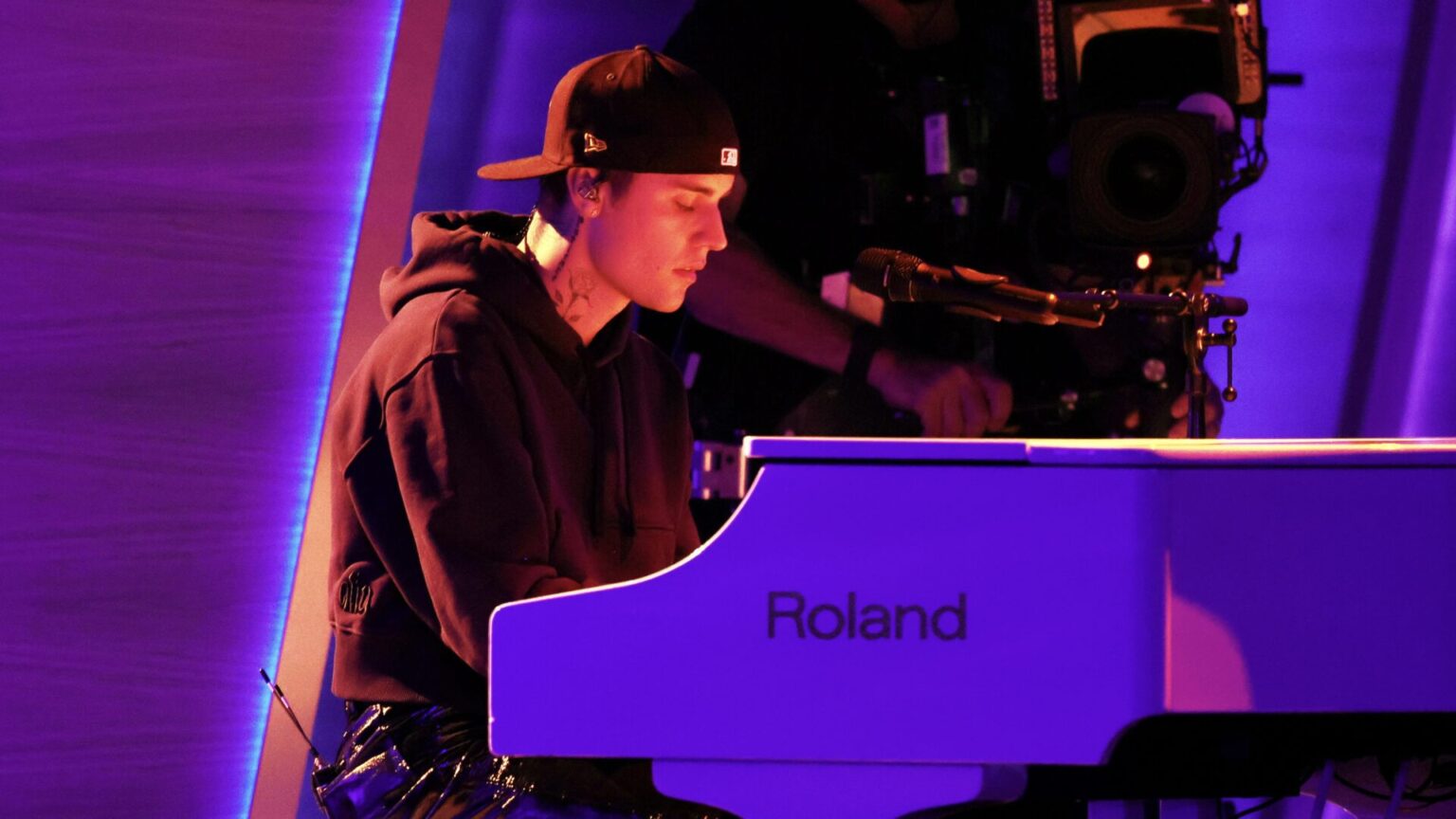
A significant portion of authoritative writing on Bieber centers on his artistic evolution. Journalists have meticulously tracked the shift from his debut EP My World (2009) through the experimental phases of Purpose (2015) and the introspective nature of Justice (2021).
To analyze his musical career through available articles, one should look for:
- Producer Credits: Identifying the specific collaborators, such as Skrillex or Poo Bear, who shifted the trajectory of his sound.
- Touring Statistics: Official reporting from Pollstar provides the most accurate data regarding the commercial success and operational scale of his global concert tours.
- Critical Reception: Comparative analysis pieces often contrast his early teen-pop reception with his later R&B-infused projects, offering a longitudinal view of his growth as an artist.
Financial and Business Entity Documentation
Beyond the music, Justin Bieber has developed a complex business portfolio, including fragrance lines, clothing brands, and the management of his music catalog assets. Researching these topics requires a different approach than analyzing his discography.
Financial reporting regarding the sale of his music rights in 2023 serves as a primary example of "hard news" that requires careful verification. Reliable articles on these transactions often cite press releases from entities like Hipgnosis Songs Capital. When researching these topics, ensure you are referencing financial news outlets that provide details on the valuation, the specific assets involved in the transfer, and the impact on the artist’s future royalties. Avoid editorialized opinion pieces that speculate on the motivation behind these business moves without citing SEC filings or official representative statements.
Verifying Public Health and Biographical Statements
In recent years, media coverage of Justin Bieber has frequently shifted toward his public health disclosures, including his diagnosis of Ramsay Hunt syndrome in 2022. Because health and personal well-being are sensitive, the most reliable articles are those that rely on direct quotes from the artist’s own social media announcements or press releases from his management team.
When compiling research on these aspects of his life:
- Trace the Source: Always confirm that the information originates from a verified social media account or a designated spokesperson.
- Cross-Reference Dates: Ensure that reporting aligns with the 2022 timeline of his health updates, as outdated or repurposed articles often appear in search results.
- Contextualize: Distinguish between a journalist’s speculation regarding his career longevity and the medical facts shared by his representatives.
Comparative Analysis: Approaches to Researching Bieber
| Research Focus | Primary Data Sources | Key Metrics/Verification |
|---|---|---|
| Music Industry | Billboard, Pollstar, ASCAP/BMI | Chart positions, production credits, tour revenue |
| Business Ventures | Forbes, SEC filings, press releases | Valuation, stakeholder entities, contract terms |
| Biographical | Primary interviews, official statements | Documented milestones, verifiable public records |
Managing Information Overload and Bias
The sheer volume of content concerning Justin Bieber presents a challenge for researchers. Because his career spans the rise of digital-first journalism and social media, there is an abundance of secondary, often repetitive, content. To maintain accuracy:
- Avoid Aggregators: Rely on original reporting rather than websites that aggregate social media posts. Aggregators often lack the context of the original publication and may inadvertently spread misinformation or "clickbait" headlines.
- Assess Editorial Standards: Look for publications that employ fact-checkers and have a transparent corrections policy. Established legacy media and reputable music-focused digital outlets generally provide a higher tier of verification.
- Monitor for Historical Distortion: In 2026, some articles may conflate events from different decades of his career. Always check the publication date of the source to ensure the context remains relevant to the current era of his life and work.
Frequently Asked Questions (FAQ)
Where can I find the most accurate record of Justin Bieber’s tour history? The most reliable source for historical tour data is the industry publication Pollstar. They maintain a searchable database of box office results, attendance figures, and dates for major touring acts. Avoid unofficial fan wikis, as they may contain estimates rather than verified ticket sales data.
How can I verify the financial details of his music catalog sale? Refer to the official announcements provided by the purchasing entity—in this case, Hipgnosis Songs Capital—and verify the details through business news outlets like The Wall Street Journal or Financial Times, which provide objective reporting on the contractual nature of the deal.
What is the best way to research his songwriting contributions? Consult the databases maintained by performance rights organizations like ASCAP or BMI. These databases list the official songwriting credits for every registered track, allowing you to filter by his legal name, Justin Drew Bieber, to see his exact contribution level.
Are there authoritative books on his life and career? While many unofficial biographies exist, it is often more productive to look for authorized or semi-authorized documentaries. These works, often released in conjunction with his management, provide the most accurate visual and testimonial evidence, as the artist and his immediate team typically participate in the production.
Practical Next Steps for Researchers
If you are conducting a deep-dive project on Justin Bieber, begin by establishing a timeline of his career phases—early viral, teen pop, mature R&B, and current business-focused status. Use a citation manager to organize your findings, ensuring each source is tagged with its publication date and the specific entity or event it documents. When an article presents a claim regarding his net worth, personal relationships, or legal standing, perform a secondary search to find at least two other reputable sources corroborating the same facts. By strictly adhering to these verification standards, you can separate the factual history of his career from the surrounding commentary.